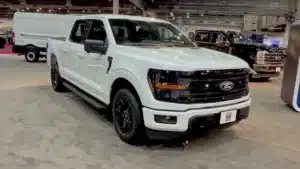
In 2024, Ford brought the fifth generation of the Ranger pickup truck to market. The Ranger is a midsize truck known for its diverse trim package lineup and truck-based roots. Its popularity does not mean it does not have known problems, however.
Information in this article is derived from official sources such as the National Highway Traffic Safety Administration (NHTSA), press releases from Ford, owner and technician forums (including Ranger-Forums and Ranger5G), and social media groups focused on the Ranger.
Ford Ranger Engine and Transmission Issues
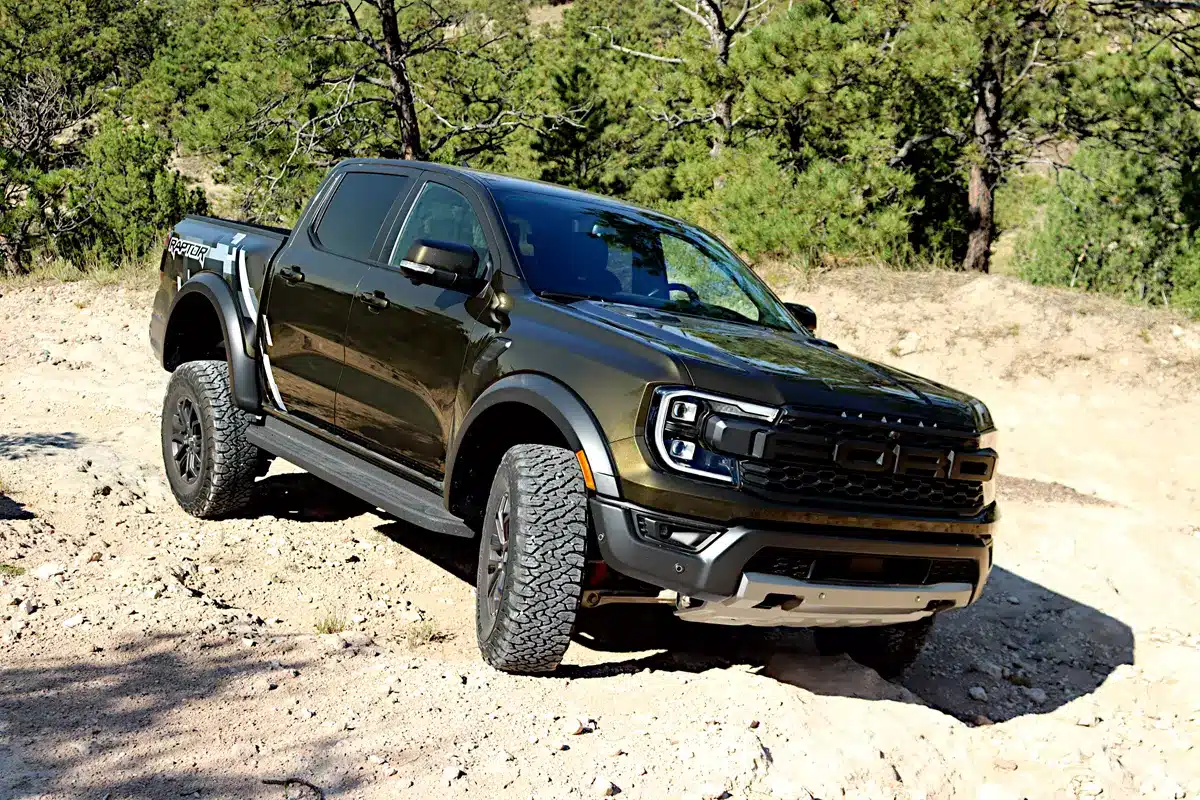
The current Ford Ranger is offered with one of three turbocharged engines from the EcoBoost family. Each combined with a ten-speed automatic transmission. The following are recalls and technical service bulletins related to the Ranger’s powertrain. The NHTSA recall number associated with the recall is indicated.
Loss of Drive Power 2.3L (26V-357 & 26V-343): Affects a limited number of 2025-2026 Ranger trucks equipped with a 2.3L engine, which can fail and cause a sudden loss of drive power. Dealers will replace the engine long block.
Exhaust Gas Recirculation Valve Failure (26V-351 & 26V-122): Affects 2025-2026 Ranger models that may lose drive power due to an exhaust gas recirculation (EGR) valve failure.
Two TSBs Address Shifting: Repairs harsh, delayed transmission shifts or engagements. This frequently involves reprogramming the PCM or repairing the CDF clutch cylinder sleeve.
Major Recalls for the Ford Ranger
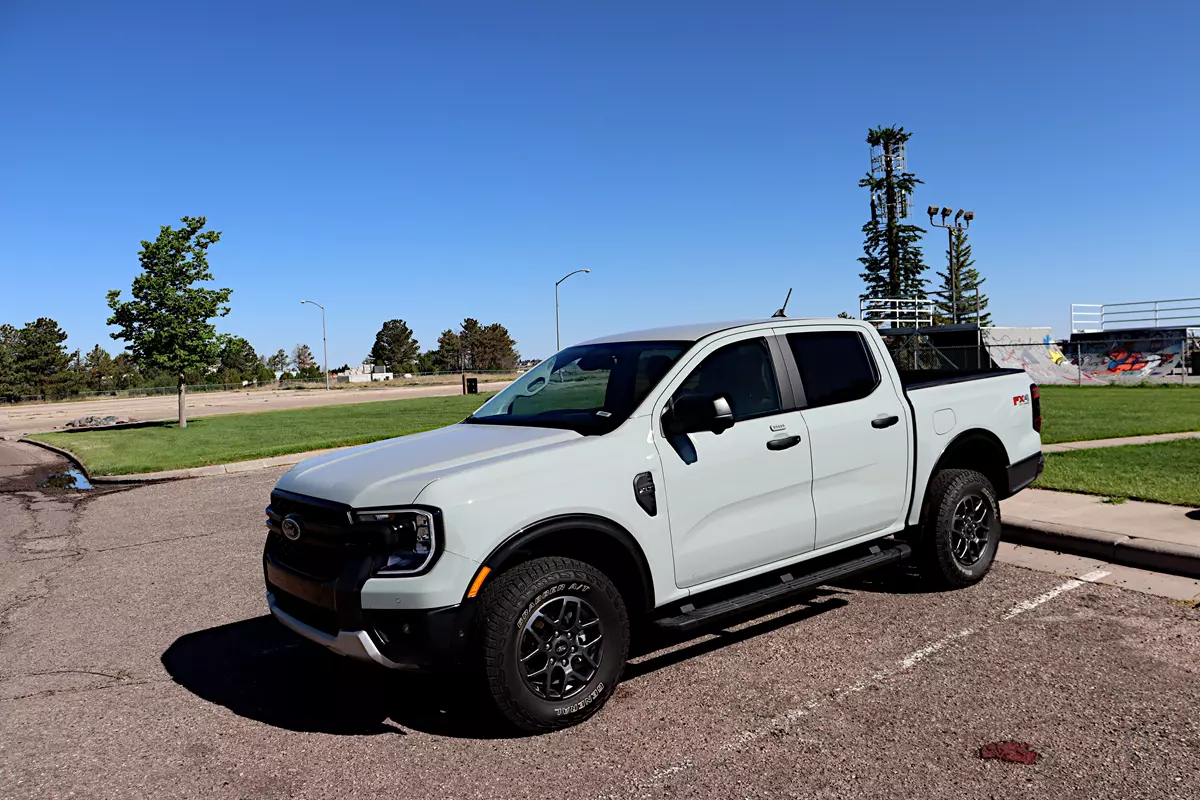
The following are major recalls that have been issued for the 2024-2026 Ford Ranger that were not listed in the drivetrain list above. Numbers in parentheses are the NHTSA recall reference number.
Improper Specification Labels (26V-335): Vehicle specifications listed on the tire placard and safety certification labels may be incorrect.
Improper Front Seat Height Adjustment Pivots (26V-268): Affects certain 2024-2026 Ranger vehicles. The front seat height-adjust pivot bolts may loosen or dislodge, which can fail to restrain occupants properly in a crash. Dealers will inspect and replace the hardware as necessary.
Sun Visor Wiring (26V-238): Affects certain 2024-2026 Ranger trucks built between Dec 9, 2022, and Dec 28, 2025. Improperly positioned or heavily taped sun visor wiring can result in damaged wires and increase the risk of an electrical short. Dealers will inspect the wiring and update Body Control Module software.
Trail Brake Controller Failure (26V-104 & 26V-083): Over-the-air or dealer software updates were issued to remedy trailer brake controllers (ITRM) failing to operate stop lamps and turn signals. Some trucks required dealership replacement of the controllers.
Loss of Advanced Driver Assist Braking (25V-823 & 25V-488): Electronic Brake Booster (EVV) module may malfunction while driving when driver is using Advanced Driver Assistance System, resulting in a loss of power brake assist.
Improper Windshield Bond (25V-683): The windshield bond may have been improperly applied during manufacturing, causing it to detach in a crash.
Passenger Airbag Blocked (25V-678): The instrument panel top cover may prevent the passenger air bag from deploying as intended.
Side Curtain Airbag Tearing (25V-541): Affects certain 2024-2026 Rangers. Side curtain airbags may contact and tear against inner reinforcements during deployment, failing Federal Motor Vehicle Safety Standards for ejection mitigation.
Ranger Technical Service Bulletins
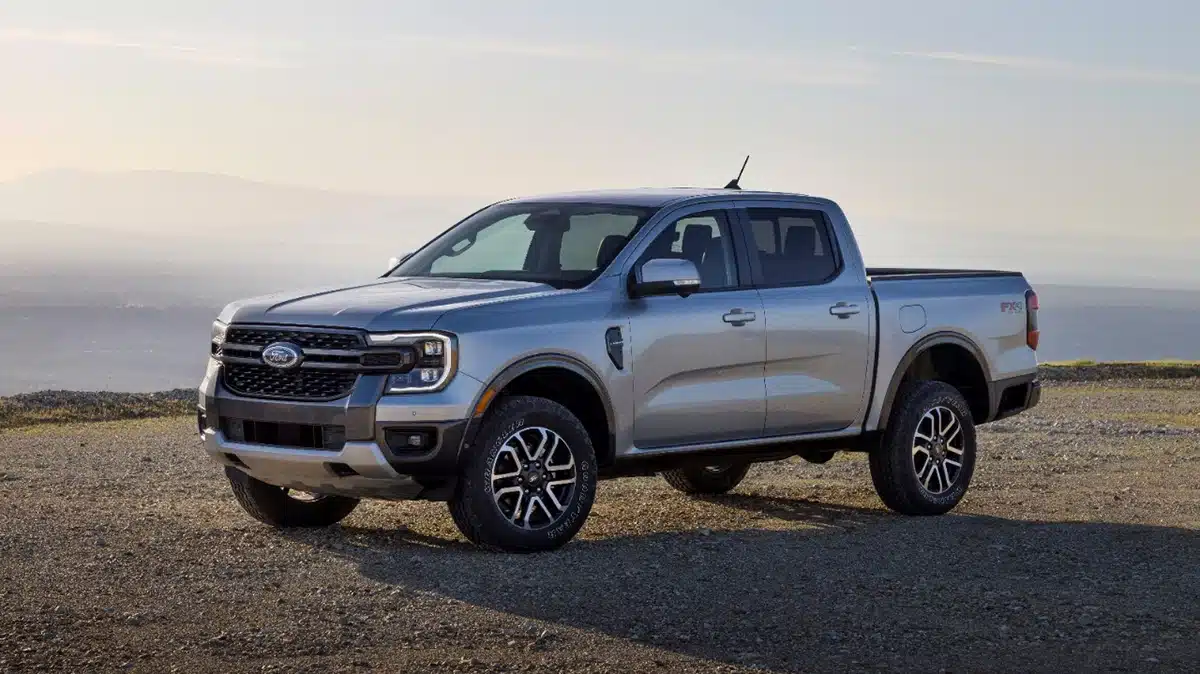
A technical service bulletin (TSB) is an issued procedure for diagnosis or repair of a vehicle component. Most TSBs are associated with recalls, repairs related to recalls, or to address common warranty claims and known issues.
Hood Latch Adjustment: Some trucks experience difficulty latching the hood easily. A bulletin details adjusting the bump stop rubbers and centering the hood latch to allow smooth drops.
“No Key Detected”: Covers instances where the truck fails to detect the key fob. Dealerships will test the Body Control Module (BCM) hardware and reprogram or replace the BCM and key fobs.
Airbag Indicators: Fixes illuminated airbag warning indicators in the Restraint Control Module (RCM) due to specific stored diagnostic trouble codes (DTCs).
Random Misfire Diagnostic: Addresses a Random Misfire diagnostic (DTC P0300) that can happen on a cold start
Ford Ranger Known Problems
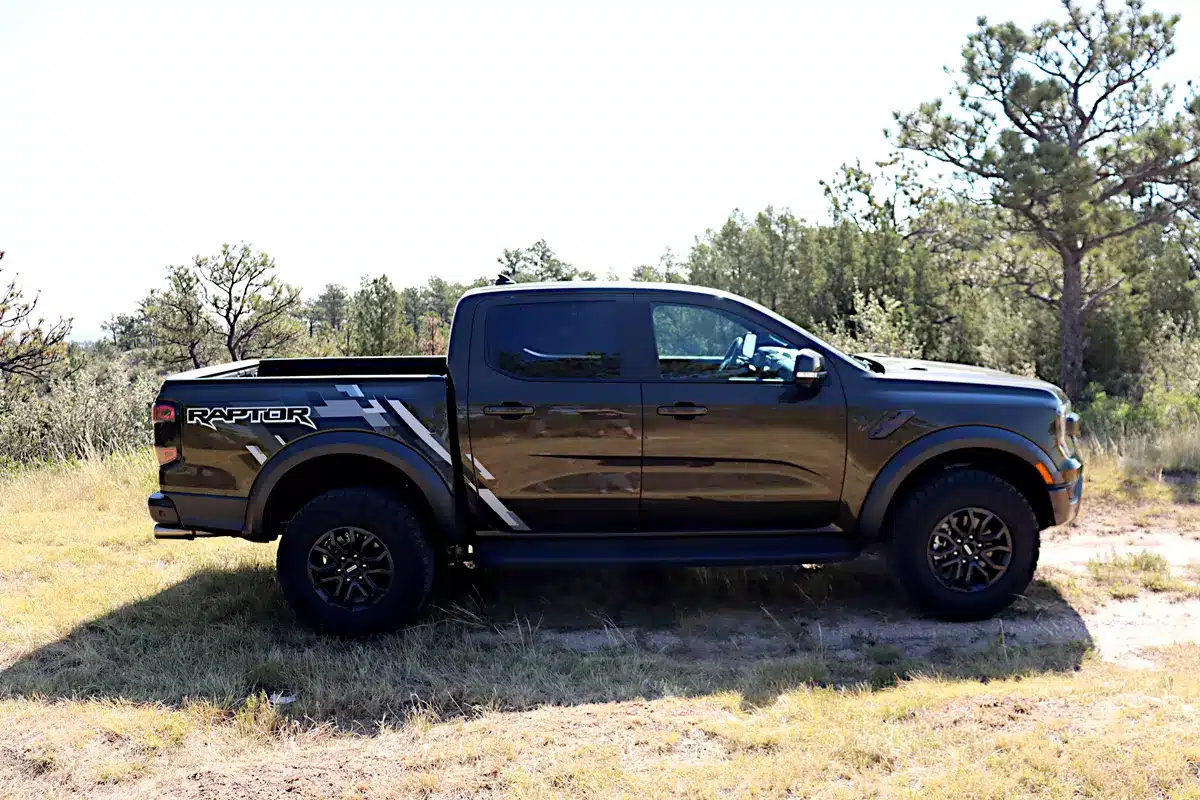
The following are commonly reported issues not addressed by recall or TSB. Most of these are reported on social media and in forums. We give higher credence to problems reported by technicians in those venues.
EcoBoost Engine Concerns: The 2.3L turbocharged 4-cylinder engine has seen reports of premature oil leaks (valve cover/oil pan gaskets) and overheating issues. Additionally, the wet timing belt system can experience wear issues if maintenance is neglected, potentially leading to catastrophic engine failure.
10-Speed Automatic Transmission: Some owners have experienced harsh shifting, shuddering drivelines, and delayed engagement in the 10-speed (10R80/10R60) automatic transmissions. Some of these concerns are partially covered by a TSB.
Backup Camera Failures: Multiple owners have reported glitches with the infotainment and backup camera, including distorted images, freezing, or completely black screens when in reverse. Ford has released software updates to try to address this issue, but it continues to be reported.
How To Check For Recalls On Your Truck
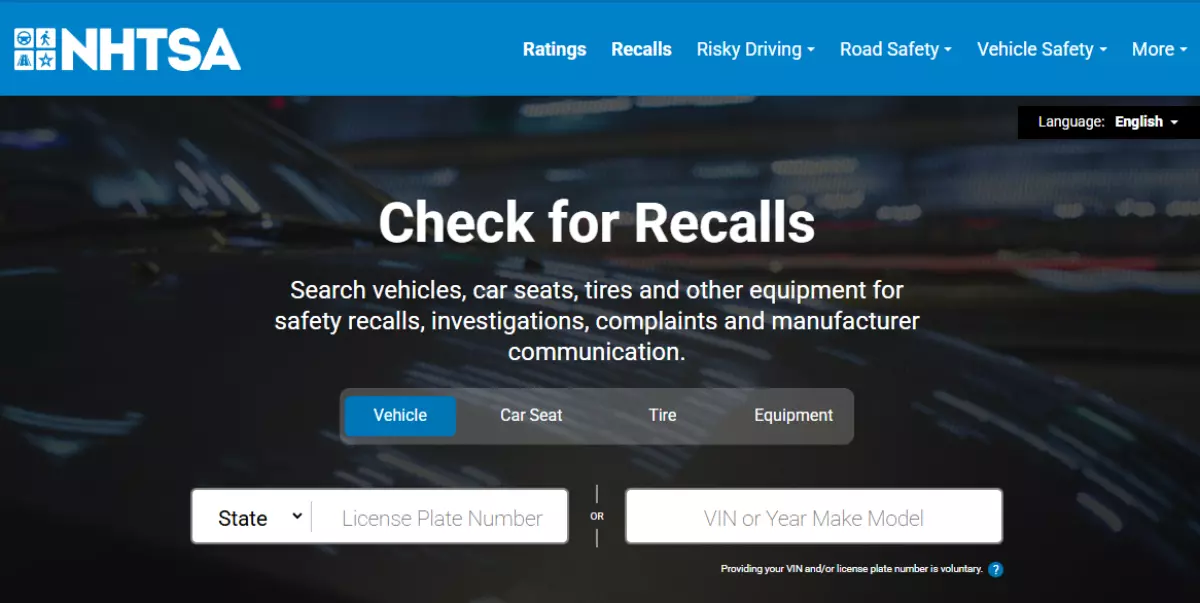
The easiest way to check for current recalls that may affect your Ford Ranger is to visit the National Highway Transportation Safety Administration (NHTSA) Recalls page and enter your license plate or 17-digit vehicle identification number (VIN) to run a search. You can also do this at the Ford Service website.