
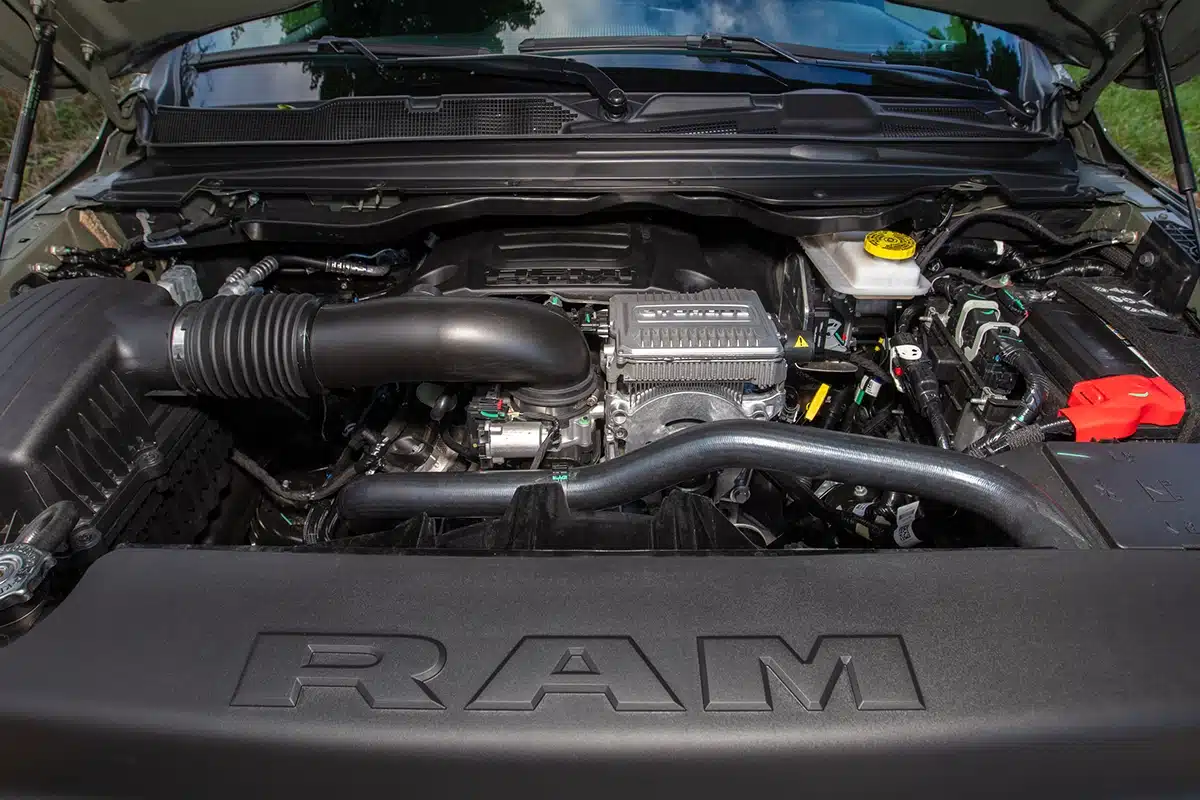
When Ram announced the return of the 5.7-liter Hemi V8 for the 2026 Ram 1500, many truck buyers assumed engineers simply reinstalled an engine that had already been offered in previous model years.
According to Ram Chief Vehicle Synthesis Manager Dan Frye, the reality was far more complex and months later, the payoff is happening.
During a recent interview, Frye explained that while the Hemi physically fit into the truck without major mechanical changes, integrating the engine into the updated 2025-and-newer Ram 1500 platform required a nationwide and even global engineering effort completed on an unusually short timeline.
Ram Engineers Secret Testing in New Zealand

The engineering team didn’t limit testing to Michigan proving grounds.
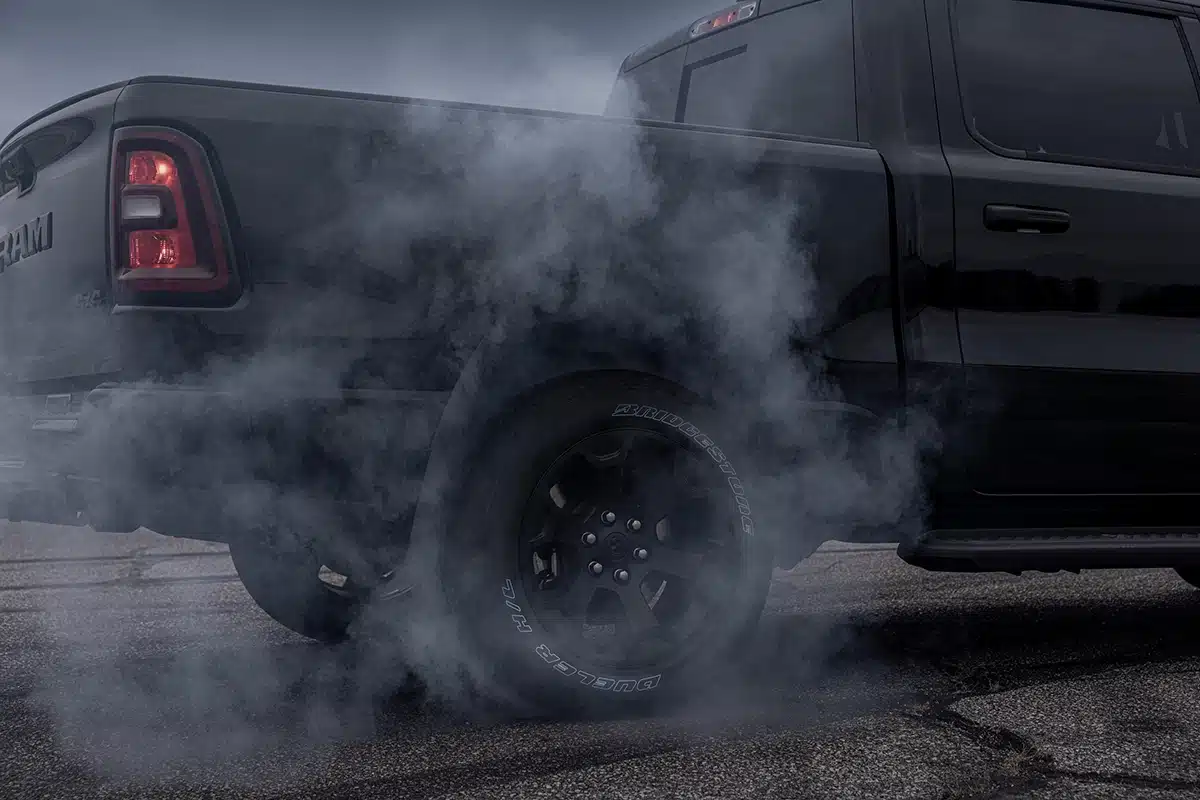
Frye said Ram engineers traveled throughout the United States and even to New Zealand to perform critical calibration and validation work. The New Zealand testing focused on braking and traction control systems, taking advantage of the country’s winter conditions during the Northern Hemisphere’s summer months.
According to Frye, the team completed calibration and validation testing there before returning to continue development in North America.
The compressed schedule made the project even more challenging. Frye noted the team learned the Hemi would be returning shortly before Christmas and immediately began work to meet the launch deadline.
For Frye, who has spent 26 years at Ram and participated in nearly every major Ram truck launch since 2002, the opportunity to bring back one of the brand’s most requested engines was especially meaningful.
The Hemi Fit the Truck, but the Software Had to Be Rebuilt
While the engine itself bolted into place relatively easily, integrating it into the truck’s electronic systems proved to be the real challenge.
“The engine bolted in,” Frye explained. “But it was more than that.”
The 2025 Ram 1500 introduced an entirely new electrical architecture compared to previous models. As a result, engineers had to ensure 13 separate control modules could communicate and operate correctly with the returning V8.
Those modules include systems controlling:
- Hybrid functionality
- Brake controls
- Regenerative braking integration
- Instrument cluster displays
- Radio features
- Active noise cancellation
- Powertrain management systems
Many of those features contain Hemi-specific calibrations that did not previously exist in the updated truck platform.
According to Frye, every system had to be validated to ensure seamless operation before production could begin.
Testing Exceeded Ram’s Original Targets
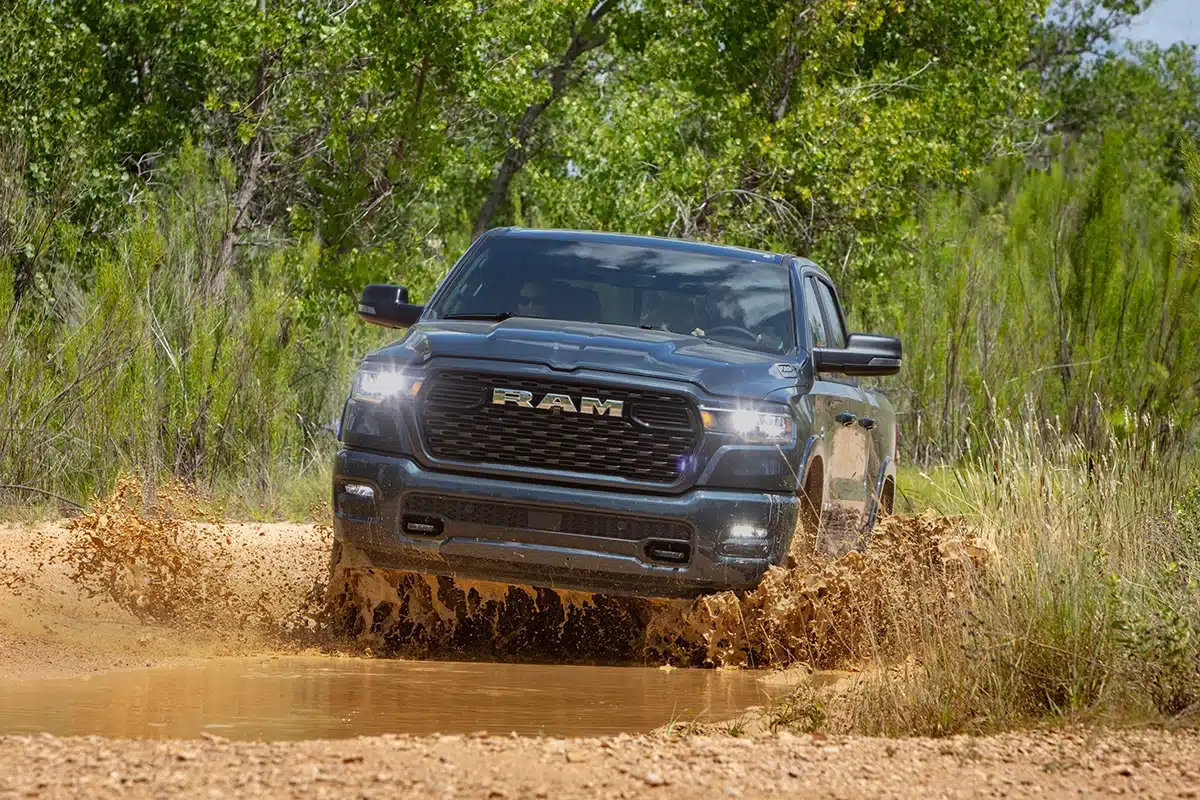
Beyond making the systems communicate properly, Ram engineers also had to prove long-term durability.
Frye said the engineering fleet has been accumulating miles for approximately six months, with validation vehicles logging fewer but still substantial test miles.
The results exceeded expectations.
According to Frye, the team surpassed its original mileage targets by five times because the Hemi-powered trucks experienced such high reliability during testing.
“The uptime for testing was just really, really high for this program,” Frye said.
That allowed engineers to accelerate development while still gathering the durability data needed to support Ram’s 10-year/100,000-mile powertrain warranty.
Why Modern Engine Swaps Aren’t Like They Used to Be
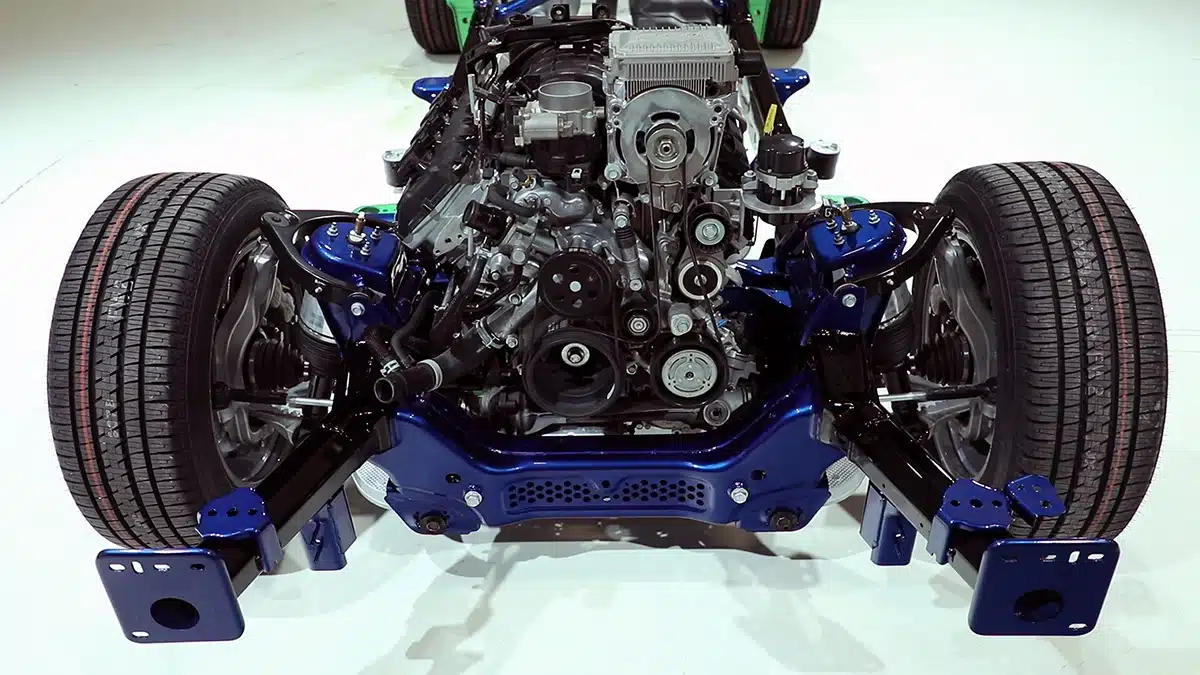
One of the biggest takeaways from Frye’s explanation is how dramatically vehicle development has changed.
In older trucks, swapping engines was largely a mechanical exercise. Modern vehicles rely on interconnected computer systems, cybersecurity protections, advanced driver-assistance features and over-the-air update capabilities.
Frye explained the new Ram electrical architecture uses a faster and more secure communication network than previous generations, allowing more advanced features while improving cybersecurity protections.
That means adding a powertrain today requires far more than physical installation.
As Frye put it, this wasn’t a simple Hemi swap.
“This is a full vehicle integration program.”
Why Ram’s 5.7-liter Hemi Return Was Worth the Effort
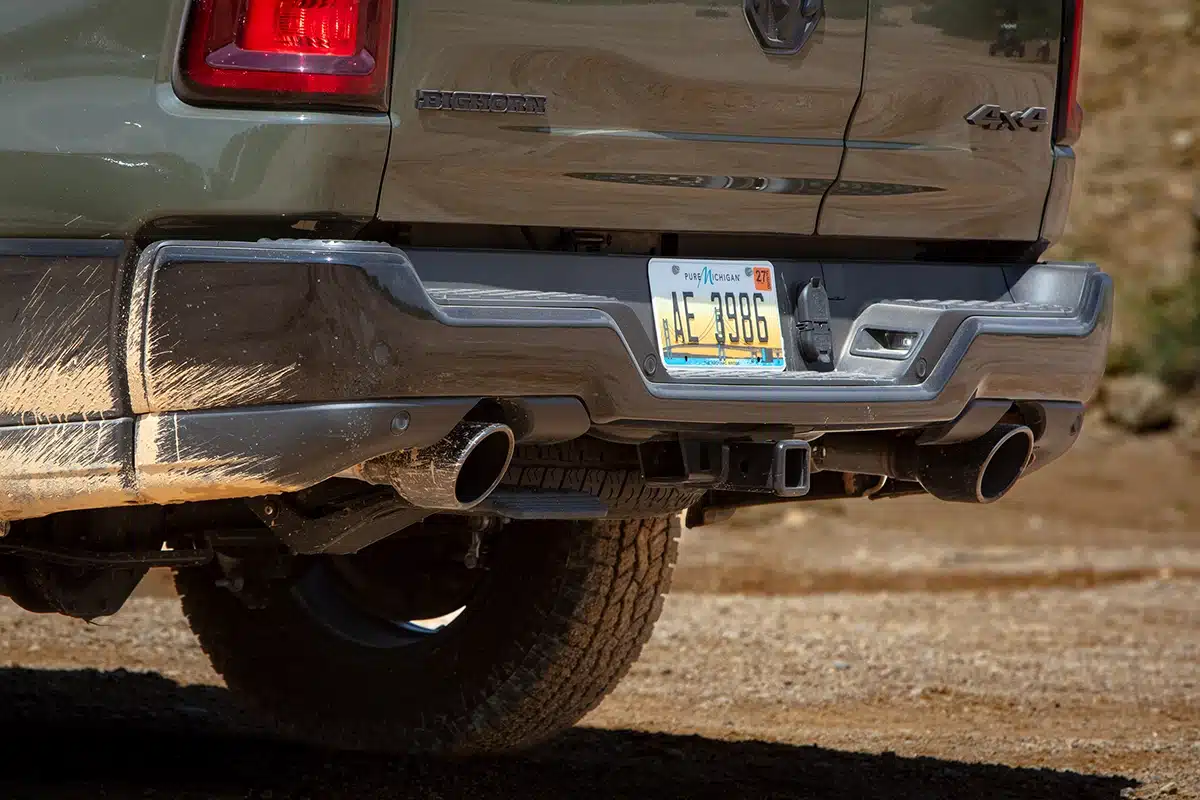
The engineering work to bring the Hemi back raises an obvious question: Why spend months integrating 13 control modules, validating trucks around the world and recalibrating an entirely new electrical architecture?
According to Ram CEO Tim Kuniskis, customer demand made the answer easy.
Last year, Kuniskis said Stellantis planned to build more than 100,000 Hemi engines in 2026 after receiving roughly 50,000 orders in 2025 but only being able to produce about 30,000 engines. If sales equal the amount of production they are able to hit, this should end up around 25% of Ram 1500 trucks sold which is the industry standard for full-size V8 truck sales.
That level of demand helps explain why Ram engineers were willing to move so quickly on the program. According to Frye, the team only learned shortly before Christmas that the Hemi was returning, yet six months later the trucks were already completing validation testing and preparing for production.
But the business case goes beyond customers who actually buy a V8.
Stellantis CEO Antonio Filosa recently revealed that approximately 40% of pickup buyers won’t even consider a truck brand if it doesn’t offer a V8 engine option somewhere in the lineup. As Filosa explained, many of those customers ultimately purchase another engine, but they still want the choice to buy a V8.
Viewed through that lens, Ram’s trip to New Zealand and the extensive validation program weren’t simply about bringing back a beloved engine. They were about bringing back customers.
For all the discussion about turbocharged six-cylinder engines, software updates and electrification, Ram’s leadership believes a significant portion of truck buyers still want a V8 under the hood—or at least the option to buy one. The return of the Hemi suggests the company is willing to invest heavily to make sure those customers stay in the showroom.













No replies yet
Loading new replies...
Administrator
Join the full discussion at the Forum Pickuptrucktalk →