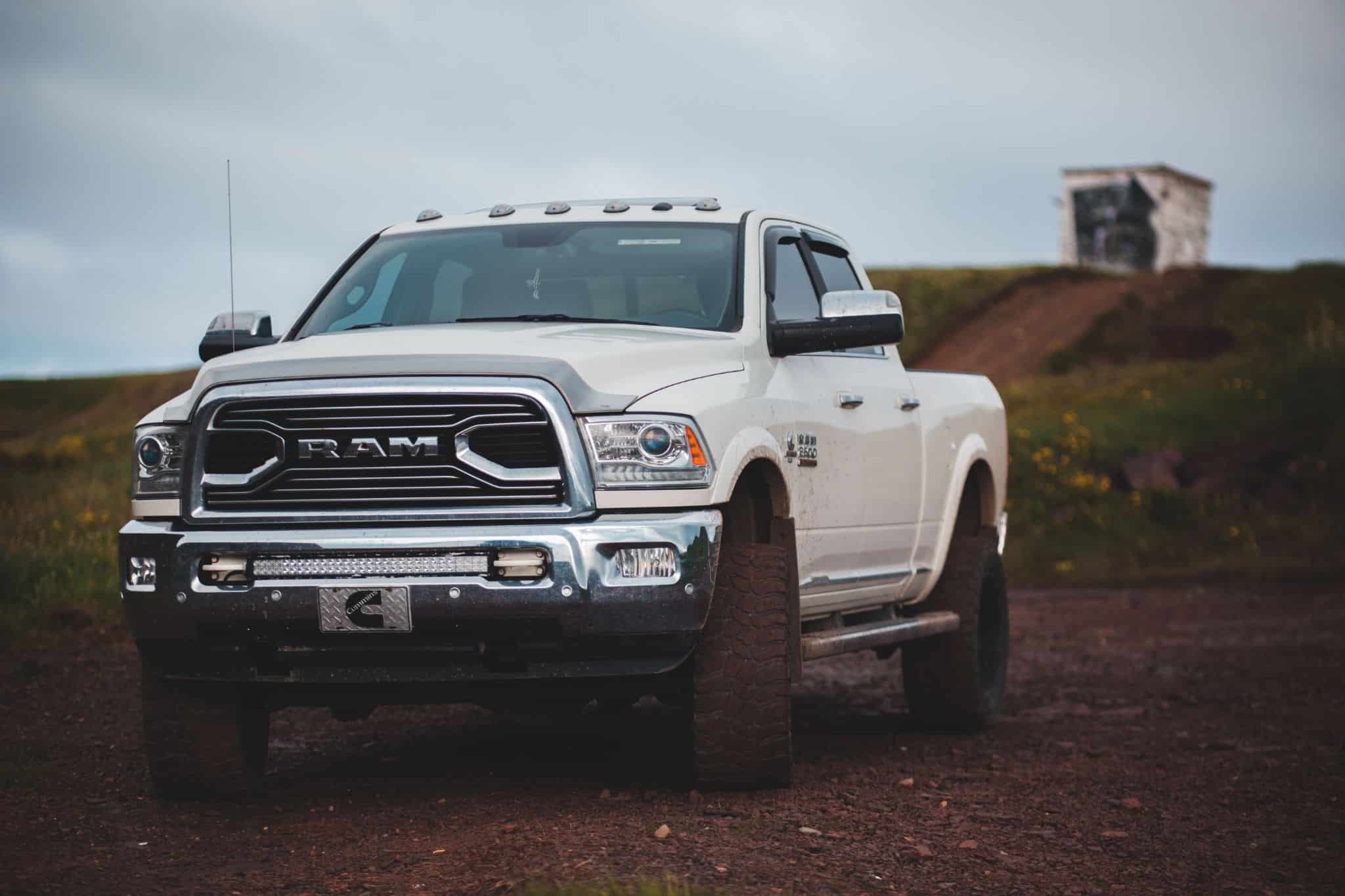
RAM 2500 (Photo courtesy of Pexels)
A 2013 – 2024 Ram 2500 or 3500 with the 6.7L Cummins can be the best heavy-duty truck for your needs and your day-to-day life. Both 2500 and 3500 models have high torque, strong towing ability, and use the same engine that easily runs past 300,000 miles with good maintenance.
First, let’s quickly cover the main difference between the 2500 and 3500 models. Same tough look, different muscles. The 2500 rides smoother and easily handles everyday towing.
The 3500 has a sturdier leaf-spring suspension, higher payload capacity, more towing power and offers dual-rear-wheel (dually) configurations. While the 2500 emphasizes comfort, this does not necessarily make the 3500 uncomfortable. The 3500 just prioritizes maximum capability. It’s not a perfect truck, so let’s discuss the weak areas worth checking before you spend any money.
Cummins Engine Reliability
Let’s start with the 6.7L Cummins itself. It’s considered one of the most reliable diesel engines out there, and a great improvement over the 5.9L. If you take care of it and have it maintained regularly, it will outlive the truck itself.
The 2013 – 2018 engine barely changed, but in 2019 the high-output version arrived. A stronger Compacted Graphite Iron (CGI) block was introduced, along with an updated, more powerful Bosch CP4.2 fuel pump that developed a habit of failing and causing metal contamination throughout the fuel system. Ram switched back to the older, tougher CP3 pump for 2021 – 2024 models, so 2019 – 2020 high-output trucks need special attention.
One more thing to watch across all these engines is the intake grid-heater bolt. It can come loose and, in rare cases, cause engine damage. It’s a simple check, so it’s worth inspecting before buying.
Turbocharger and VGT Actuator Problems
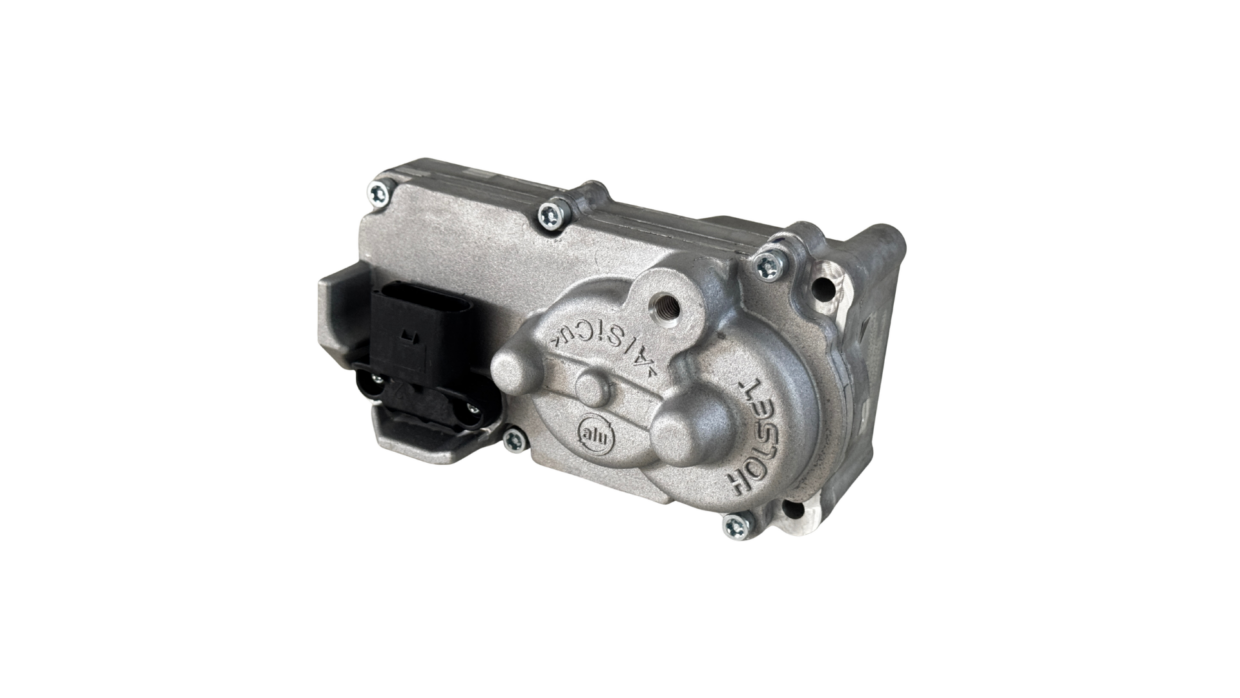
Cummins Turbo Actuator. (Photo by Wisent Parts Center)
One of the more common trouble spots on the 6.7L Cummins is the electronic VGT actuator. It controls the moving vanes inside the turbo, helping manage boost and exhaust flow at different engine speeds.
Replacing the actuator itself is usually not a major job, but finding the correct one can be confusing. The same actuator may be listed under several original, replacement, remanufactured, or superseded part numbers.
One of the most commonly sold numbers is 6382096rx, but it may appear alongside several other references. It’s always smart to check the seller’s listing. A source like Wisent Parts Center shows the cross-reference part numbers right on the page, which helps you confirm the correct actuator.
During the test drive, pay attention to how the truck accelerates from a stop and while merging onto the highway. Power should build smoothly, without hesitation, surging, or unusual turbo noises. A loud whistle does not always mean the turbo is bad, but weak acceleration, delayed response, or inconsistent boost deserves a closer look and should be checked before buying.
Also review the service history for any previous turbo or actuator repairs. Records should show what was replaced, why the repair was needed, and whether the truck was properly diagnosed afterward. This can help you avoid buying a truck with an unfinished repair or a problem that was never fully corrected.
A common cause of actuator failure is soot buildup inside the turbo, which can make the vanes stick. The actuator then has to work harder to move them and may eventually fail. Common signs include loss of power, poor or inconsistent boost, a check-engine light, slow acceleration, or the truck going into limp mode.
The actuator is not always the only problem. Sticking turbo vanes, damaged wiring, boost leaks, or faulty sensors can cause similar symptoms. A proper diagnosis is important before replacing anything, especially on an older truck with an unclear repair history.
Emissions-System Problems
The emissions system on the 6.7L Cummins cuts NOx and soot, and it’s where a lot of the common headaches live. Two components are worth understanding before you buy: the EGR system and the DPF.
The EGR system sends some cooled exhaust back into the intake to reduce NOx emissions. Over time, soot can build up in the EGR valve and cooler, especially on trucks that idle frequently or make many short trips. This can make the valve stick, while a cracked cooler may cause coolant loss. Regular highway driving, proper maintenance, and scheduled cleaning can help reduce buildup.
The DPF traps soot before it leaves the exhaust and burns it off during regeneration. Over time, it can become clogged badly enough to require replacement. Fuel used during active regeneration can also enter the engine oil and thin it out.
Bottom line: a truck that tows and regularly runs highway miles will have a much happier emissions system than one that idled on a job site all day. Ask for service records and watch for a check-engine light on the test drive.
Transmission Concerns
Both 2500 and 3500 have one of two automatic transmissions, and it’s worth knowing which you’re looking at. One of the most common automatics, the 68RFE, works well for normal driving but can develop torque-converter and valve-body problems under heavy towing. A failed torque-converter clutch valve can damage both the transmission and the converter, leading to an expensive repair.
The heavier-duty Aisin AS69RC, found on high-output and many 3500 models, is sturdier but not perfect. Under hard use it can develop snap-ring and clutch-pack failures and leaks at the pan and covers.
Recalls
As with most vehicles in this class, these trucks have had a few recalls, most of them front-end related. The main ones are a front track-bar bracket weld recall on some 2013 – 2014 trucks and a steering drag-link recall on 2014 – 2018 models, both tied to steering safety. There’s also a recall on a lot of 2021 diesels for a grid-heater relay that can overheat and become a fire risk.
Before buying, enter the truck’s VIN in NHTSA’s recall lookup to see whether any recalls are still open.
What to Inspect Before Buying
Before you buy, take a close look at the truck and check these common problem areas:
- Check grid-heater bolt, plus any signs of past engine work
- Turbo and VGT actuator history, and any boost or limp-mode codes
- EGR, DPF, and DEF service records, and no check-engine light
- Which transmission it has (68RFE or AS69RC) and clean fluid changes
- Front-end play, death-wobble symptoms, and steering feel on the road
- Open recalls by VIN, and that all the electronics work
Best of all, get a diesel-savvy mechanic to do a pre-purchase inspection. It’s cheap next to the price of the truck, and it either saves you from a money pit or gives you room to negotiate.
Conclusion
A used 2013 – 2024 Ram 2500 or 3500 Cummins is a lot of truck for the money. Most of the common problems are known, easy to check, and fixable. The engine is tough, the towing is hard to beat, and plenty of these trucks run for hundreds of thousands of miles.
The key is to go in well-informed. Review the known weak spots for the specific model year, inspect the front end and emissions system closely, verify any outstanding recalls, and confirm the condition of the engine and drivetrain. Do that, and you’re far more likely to end up with a dependable truck than a costly mistake.