Spending hours on the road after dark creates unique challenges for your eyes. Fatigue, headlight glare, and vehicle design quickly combine to make night driving especially tiring for long-haul drivers. Understanding the science behind night vision strain is key to managing discomfort and seeing more clearly on the road.
Anyone clocking long nighttime hours behind the wheel soon notices that eye fatigue builds at a disproportionate rate after sunset, and many start searching for glasses for night driving to keep vision steadier. Factors like pupil dilation, adaptation to darkness, and the sheer intensity of oncoming headlights all work against you. Fatigue not only slows the speed at which your eyes recover from bright flashes but also compounds the sensation of dryness, irritation, and blurred vision over time. For truck drivers and anyone traveling for extended periods at night, glasses for truck drivers at night can be one part of maintaining visual comfort alongside preventative care and realistic expectations about what eyewear and other strategies can accomplish.
Why night driving causes amplified eye fatigue
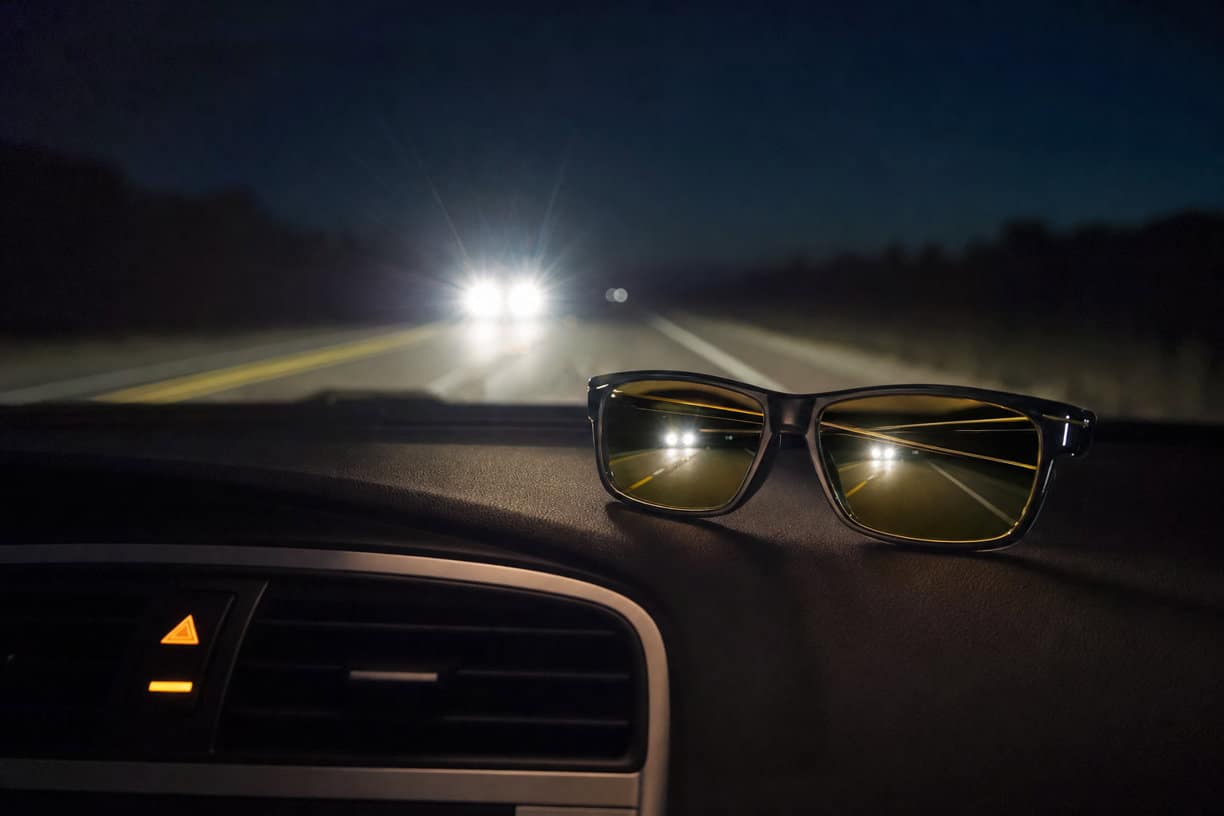
Driving at night forces your pupils to stay dilated, which helps your eyes collect the scant light available but also makes them vulnerable to sudden bursts of brightness. The abrupt glare of oncoming LED or HID headlights can flood your retina, scattering light inside your eye and creating those lingering afterimages that make it difficult to see hazards or lane markings. For some people, headlight glare glasses can reduce the distraction from scattering and reflections, even if they cannot stop every burst of brightness. Prolonged exposure to this effect, especially over long shifts, steadily increases discomfort and makes it harder for your eyes to adapt between darkness and oncoming lights.
Extended night time driving means your eyes must work harder and longer to maintain clear vision, particularly when you are already tired. As fatigue builds, your ability to recover from glare slows down, and you might find yourself squinting, rubbing your eyes, or blinking to clear phantom spots from your field of view. In this situation, anti glare glasses for driving at night may help limit internal reflections and reduce the urge to squint. This cycle of strain and sluggish visual adaptation is a key reason why eye fatigue becomes such a pronounced challenge during long-haul night driving.
Why sunglasses don’t help… and what actually works
It’s a common myth that regular sunglasses will protect your eyes at night. In reality, sunglasses sharply reduce the limited light you need to drive safely after dark, making it more difficult to spot hazards. Night drivers need every bit of available contrast, so the best solutions focus on reducing glare and boosting comfort, rather than filtering out light altogether. In many cases, glasses for night driving are considered because they aim to support contrast and clarity while keeping your view usable.
Some drivers benefit from lenses with anti-glare coatings, which minimize internal reflections and can reduce discomfort on long routes. Certain lens tints are designed to improve contrast in low-light conditions without overly dimming your vision. For those seeking extra help, options like night driving glasses can offer targeted relief by improving contrast and reducing the most distracting aspects of glare, though they cannot eliminate intense flashes from other vehicles. When glare is the main issue, anti glare glasses for driving at night may be useful as part of a broader strategy rather than a standalone fix. Successful night driving is about setting realistic expectations and combining the right eyewear—such as those developed by NoIR Insight, who specialize in eyewear built for low-light driving conditions—with good vehicle maintenance, including keeping windshields clean and headlights properly aligned. These practical steps work together to ease eye strain and provide added comfort for anyone facing the demands of long-haul night driving.
The modern headlight problem: why glare is getting worse
Glare from oncoming headlights has grown significantly more severe as LED and HID systems become common. These modern lights emit more blue-white wavelengths, which are scattered inside the human eye even more than standard halogen bulbs. For someone spending hours on dimly lit roads, a single encounter with a misaligned truck or SUV headlight can feel blinding. Some drivers try headlight glare glasses to make these encounters less disruptive without making the roadway seem dim. Combined with factors like dirty windshields, reflective surfaces in the cabin, or worn vision, each new blast of light increases visual strain and fatigue.
Larger vehicles such as trucks and SUVs often have headlights mounted higher off the ground. This places their beams directly at eye level for many road users and can create intense zones of glare and visual disruption. The visual environment on highways, especially rural stretches without street lights, leaves drivers exposed to abrupt changes in brightness, creating perfect conditions for glare to sap your night vision and amplify tiredness over the course of a long drive. For professionals who do this routinely, glasses for truck drivers at night can be a practical addition to other habits that protect comfort and clarity.