
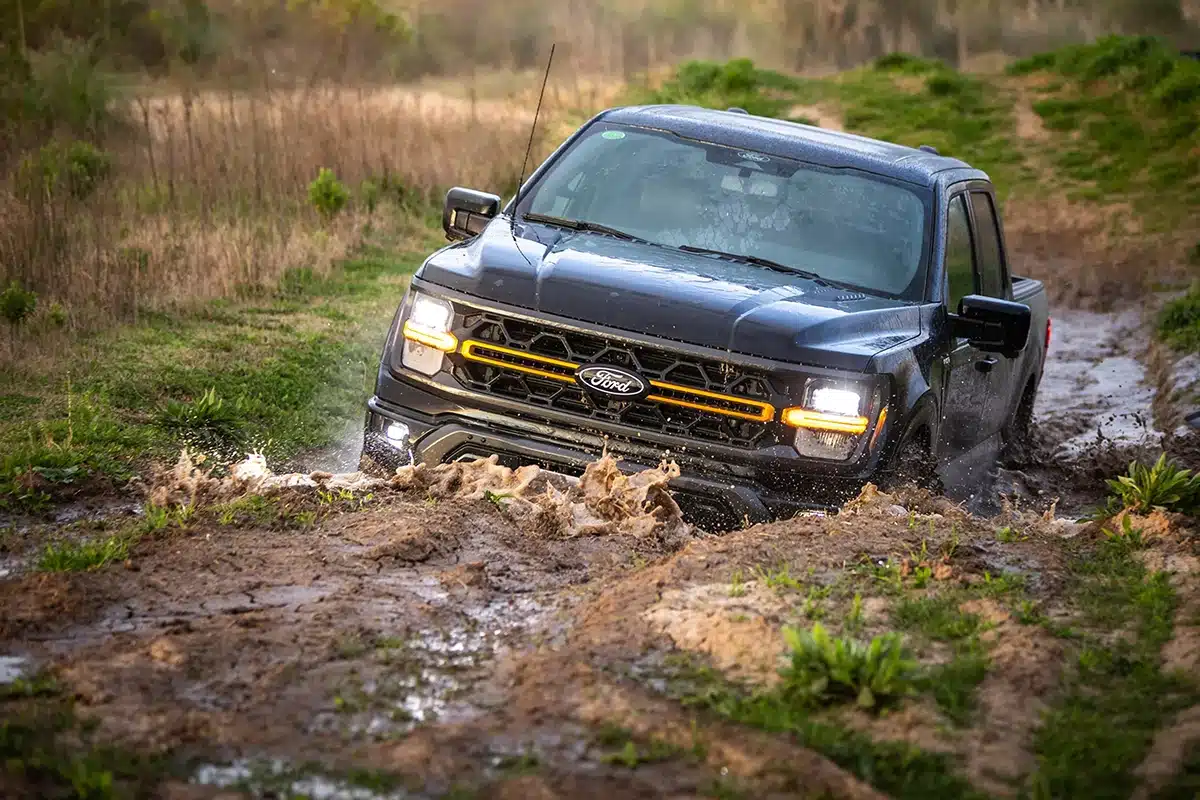
Ford topped the 2026 J.D. Power Initial Quality Study for the first time since 2010. According to the automaker, the biggest reason wasn’t artificial intelligence. It was bringing veteran engineers back into the product development process.
Ford has spent the last several years making headlines for recalls.
That’s what makes this story so surprising.
Ford didn’t just improve in the latest J.D. Power Initial Quality Study. It finished as the highest-ranked mass-market brand for the first time in 16 years. The F-150, Super Duty and Mustang also earned top honors in their respective segments.
So how does an automaker known for leading the industry in recalls suddenly become the leader in initial quality?
According to Ford, the answer wasn’t more AI.
It was more experienced engineers.
Ford Says Experience Beats AI Alone
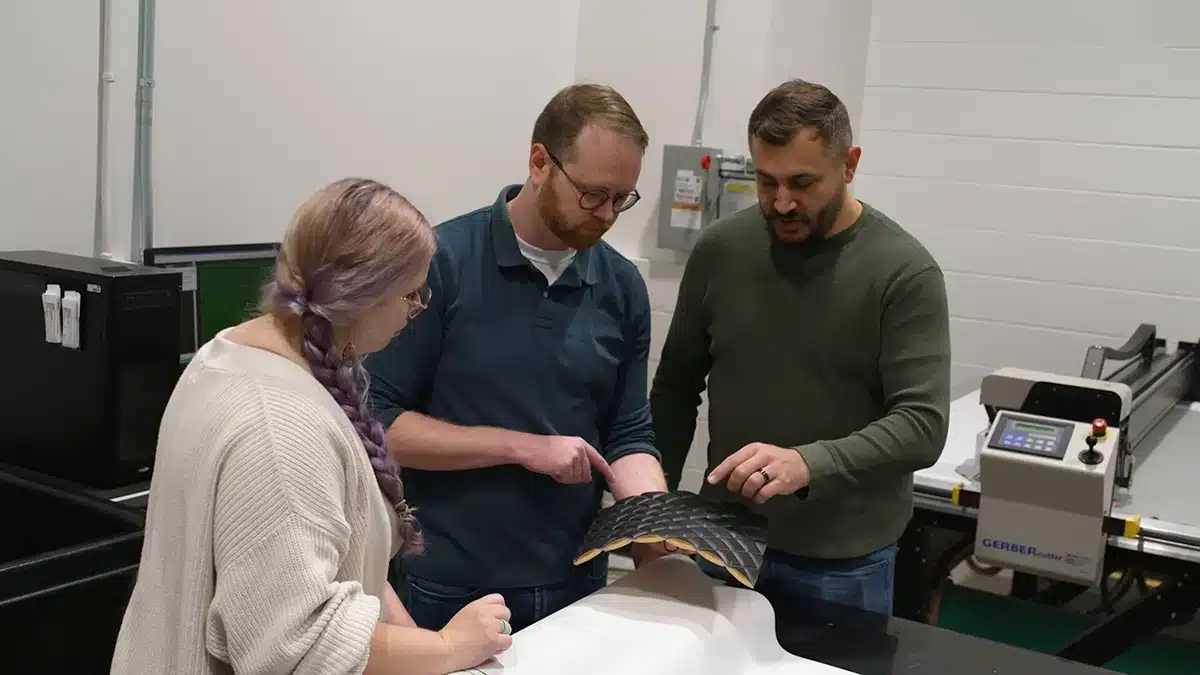
In a story published on Business Insider, Ford executives said the company brought back roughly 350 veteran engineering specialists after realizing artificial intelligence couldn’t replace decades of engineering experience.
AI can process enormous amounts of information, but it still needs experienced people to recognize patterns, identify potential failures and know when something simply doesn’t look right.
“Artificial intelligence is a fantastic tool, but it’s only as good as information you use to train it,” Charles Poon, Ford’s vice president of vehicle hardware engineering, said, on BusinessInsider.com. “Mistakenly, we thought that by just introducing artificial intelligence and ingesting the design requirements that we had, that would produce a high-quality product.”
Those veteran engineers now mentor younger employees, lead design reviews and even help improve the AI systems Ford uses throughout product development.
Ford isn’t abandoning AI.
Instead, executives say the technology works best when paired with engineers who have spent years solving real-world vehicle problems.
Ford’s Quality Turnaround Is Bigger Than One Award
The J.D. Power win didn’t happen overnight.
Ford says it improved by 41 problems per 100 vehicles, this is the standard measurement from J.D. Power looking at how many problems per 100 vehicles in the first 90 days of ownership, compared with last year, the largest improvement of any mainstream automaker.
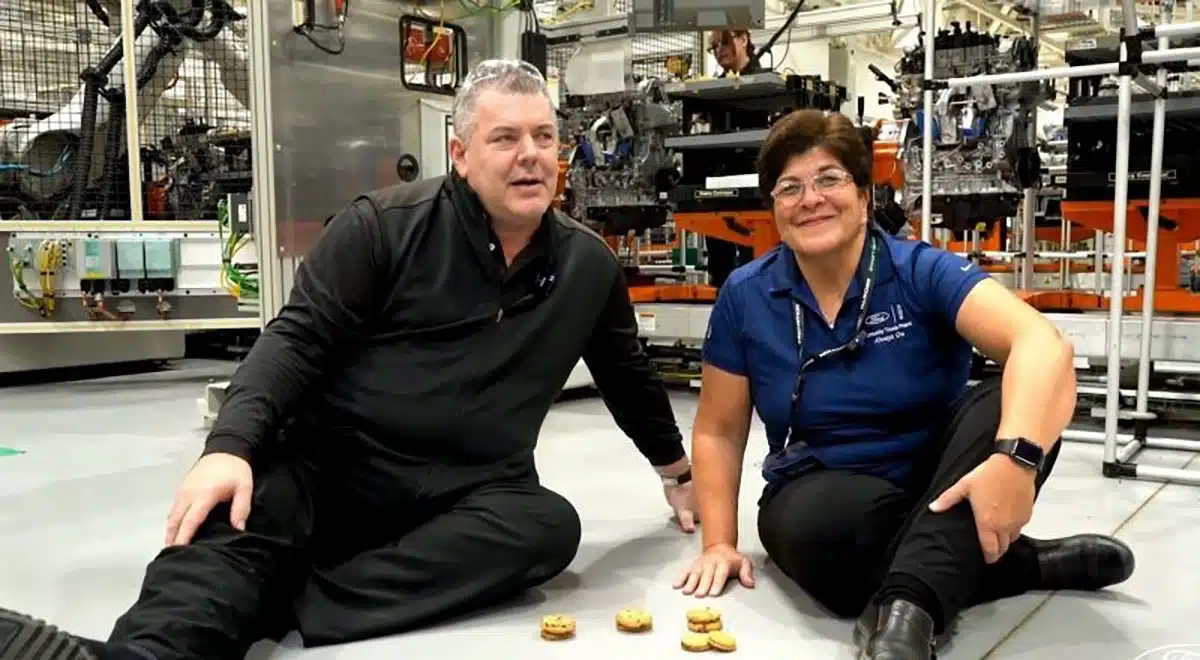
Company leaders also credit better collaboration between engineering, manufacturing and supply chain teams for catching problems earlier in the development process instead of after vehicles reached customers.
The result was Ford’s first No. 1 finish in the Initial Quality Study since 2010 for a mass market company.
Porsche had the least amount of problems with 138, Genesis with 151, Ford 152, Lexus 156 and Nissan also had 156 to round out the top 5.
That’s a remarkable turnaround for a company that ranked near the bottom of the study only a few years ago.
The Recall Question Still Remains
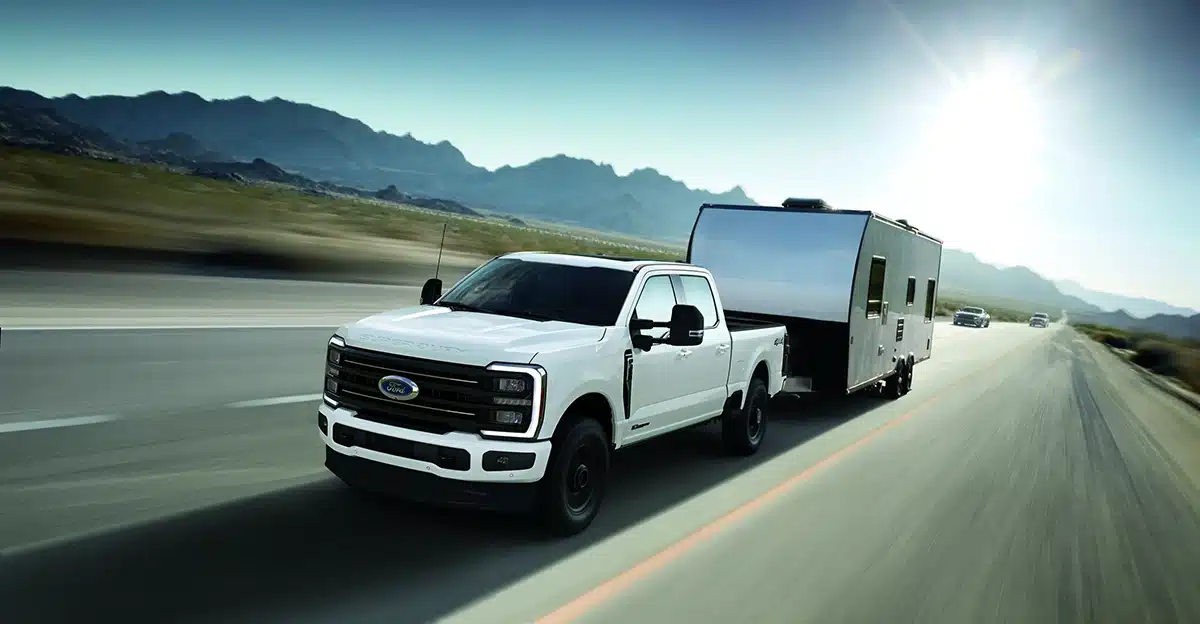
Winning the J.D. Power Initial Quality Study doesn’t erase Ford’s recall history leading the industry for the last several years.
The study measures problems owners experience during the first 90 days of ownership. Recalls can happen months or even years later and often involve engineering, manufacturing or supplier issues that aren’t discovered until vehicles have been on the road.
Those are two very different measurements.
That’s why plenty of truck buyers will look at Ford’s latest quality award and still ask whether the company has truly solved its long-term reliability issues.
Why Initial Quality Matters
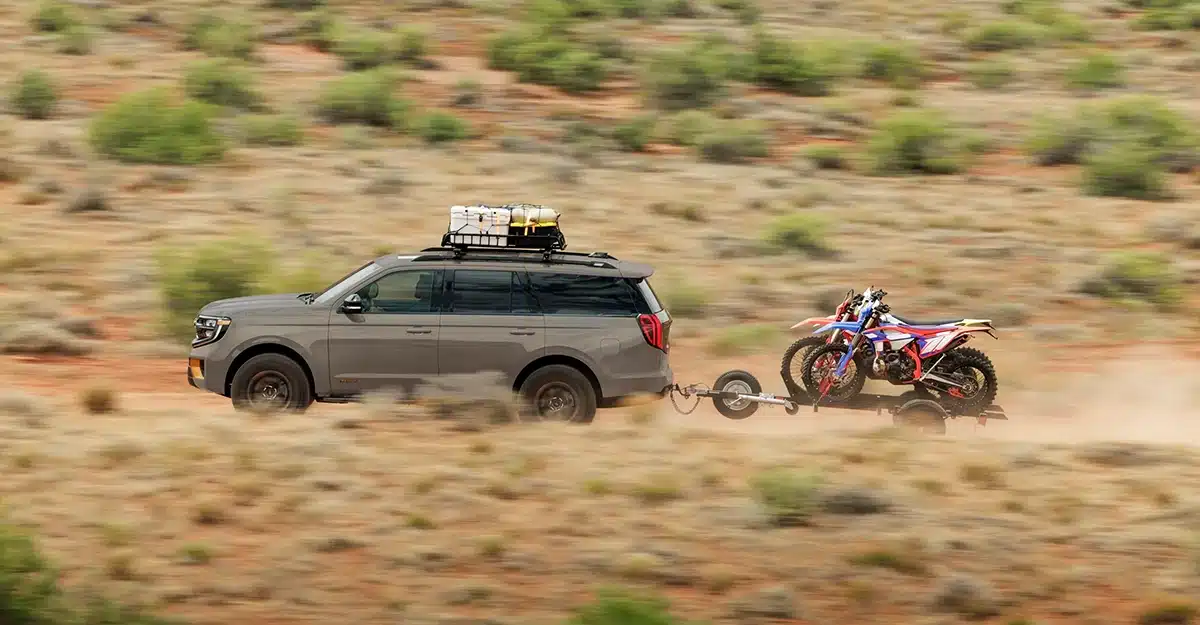
It’s easy to dismiss initial quality awards as meaningless and focus only on long-term reliability. That’s understandable, but it’s also an incomplete way to judge a vehicle.
Initial quality is your first impression. If your new truck spends its first 90 days at the dealership or develops a string of annoying problems, it’s difficult to change that opinion later.
Every recall, software update or minor repair becomes another item on the list instead of an isolated issue.
That’s how a conversation changes from, “It’s been a good truck. I’ve only had one or two problems,” to, “It’s a pile of junk. There’s always something wrong with it.”
Those stories spread quickly. Owners tell their friends and family, post on social media and share their experiences online. Before long, perception becomes reality, even if the vehicle proves reliable over the long haul.
The opposite is true as well. A truck that makes a strong first impression earns goodwill from its owner. When a minor issue eventually pops up, it’s often viewed as exactly that, a minor issue.
There’s another reason initial quality matters.
Major mechanical failures often show up early in ownership. Just look at our recent story about a 2026 Toyota Tacoma i-Force Max that suffered a catastrophic engine failure with only 200 miles on the odometer. A teardown later revealed what appeared to be a manufacturing defect that left an oil passage incomplete, starving the engine of oil and destroying it almost immediately.
That’s exactly the kind of issue an initial quality study is designed to capture. Not every problem is a squeak, rattle or software glitch. Sometimes it’s a major mechanical failure that leaves a brand-new truck waiting weeks or even months for a replacement engine.
That’s why Ford’s turnaround in the J.D. Power Initial Quality Study deserves attention. Whether it eventually translates into better long-term reliability remains to be seen, but improving those critical first 90 days is a meaningful first step.











5 replies
Loading new replies...
Administrator
Active member
Well-known member
Administrator
Active member
Administrator
Join the full discussion at the Forum Pickuptrucktalk →