
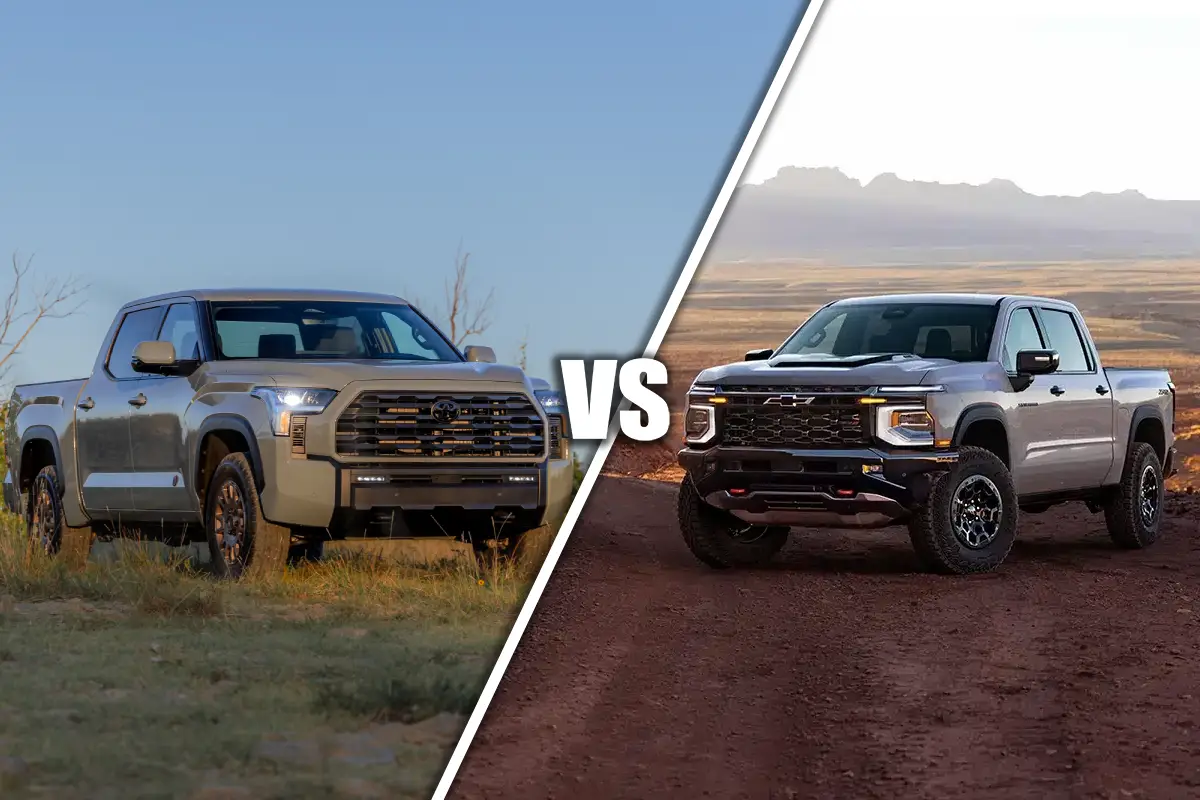
The 2027 Toyota Tundra hybrid vs. 2027 Chevy Silverado 1500 comparison has become more than an academic exercise for me. I am thinking about buying one of these trucks.
I have owned previous versions of both. I bought a third-generation 2022 Tundra with the twin-turbocharged V6, and I previously owned a 2023 Chevrolet Silverado 1500 High Country with the 3.0-liter Duramax diesel. I know what I liked about each truck, what drove me crazy and what I wanted Toyota and Chevrolet to fix.
For 2027, both automakers appear to have listened.
The Tundra receives a meaningful refresh with updated styling, better technology and a much more useful hybrid system. Meanwhile, Chevy has completely redesigned the Silverado 1500 with new V8 engines, a new interior, and improved seats that promise greater comfort.
Complete pricing, towing ratings and several powertrain specifications have not been announced, so I cannot make a final decision yet. However, here is how the two trucks compare based on what we know now.
2027 Tundra Hybrid vs. 2027 Chevy Silverado 1500 Powertrain Comparison
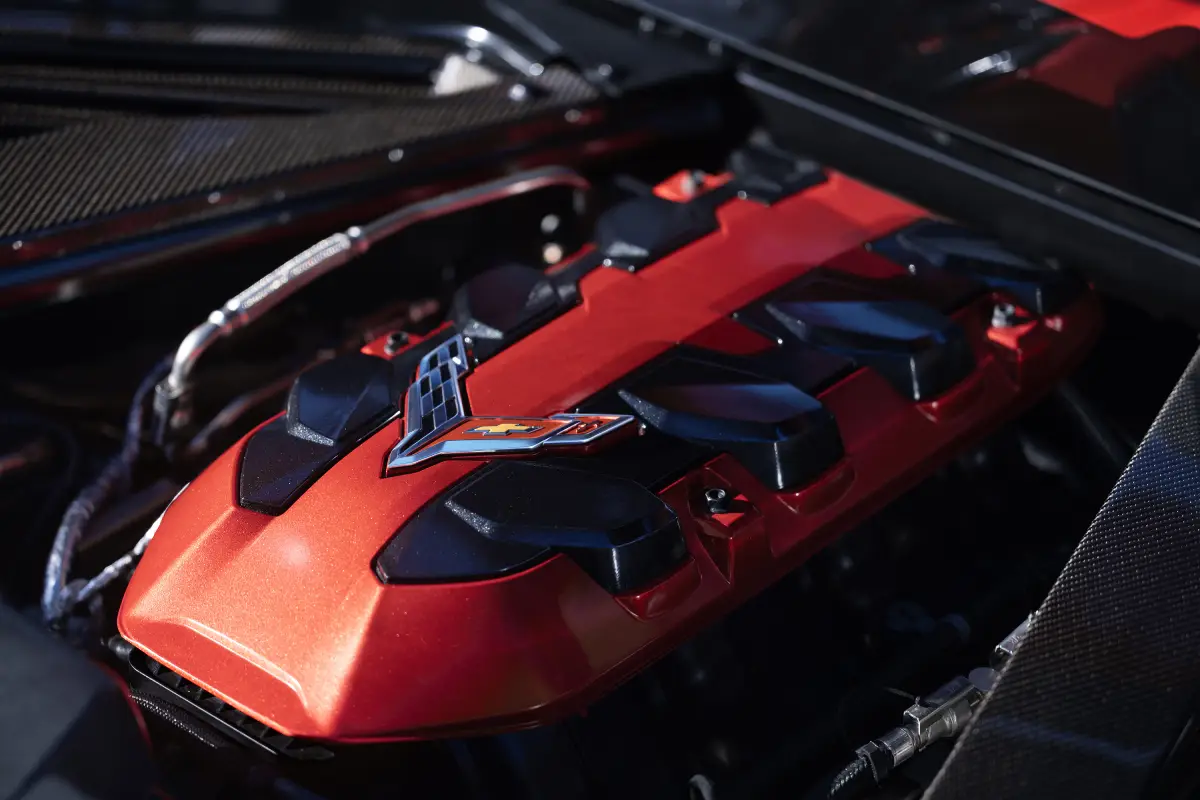
Here’s how the powertrains stack up on paper:
| Specification | 2027 Toyota Tundra i-FORCE MAX | 2027 Chevy Silverado 1500 |
|---|---|---|
| Engine | 3.4L twin-turbocharged V6 hybrid | 2.7L TurboMax, 5.7L V8, 6.6L V8 or 3.0L Duramax |
| Transmission | 10-speed automatic | 10-speed automatic |
| Horsepower | 437 | Not announced |
| Torque | 583 lb-ft | Not announced |
| Hybrid available | Yes | No |
| Diesel available | No | Yes |
| V8 available | No | Yes |
| Maximum towing | Not announced, previously 12,000 pounds | Not announced, previously 13,300 pounds |
| Onboard power | Available 2.4-kW inverter | Nothing announced |
Toyota is sticking with its existing powertrain formula. The naturally aspirated V8 is not coming back, and the 2027 Tundra will continue offering the twin-turbocharged V6 and i-FORCE MAX hybrid.
The hybrid currently produces 437 horsepower and 583 pound-feet of torque. I have driven and towed with this powertrain several times. It is quick, responsive and delivers plenty of low-end torque.
However, the hybrid has never delivered a dramatic fuel economy improvement over the standard engine. Toyota designed it primarily for additional performance, not maximum efficiency.
The new available 2.4-kW inverter changes the equation. This gives the hybrid system a practical purpose beyond producing more power. I could use it while camping, working around the property, filming away from home or dealing with an electrical outage. It is one of the features I criticized Toyota for omitting when this generation arrived.
As I write this, I just came back from a family camping trip, where once again, the campground lost power for an extended period. Hello, 2.4kW inverter? That would be have been nice in the 100+ degree heat.
Chevy is taking a completely different approach. No hybrid or plug-in hybrid is coming (for some head-scratching reason), but there will be four engine choices.
The updated TurboMax four-cylinder and 3.0-liter Duramax diesel return, while the current 5.3-liter and 6.2-liter V8s are being replaced by new 5.7-liter and 6.6-liter V8 engines – hopefully with improved reliability thanks to new cylinder deactivation lifter technology.
Chevrolet has not released horsepower or torque figures, although it says the Silverado will offer the most powerful naturally aspirated V8 in the segment.
That makes the 6.6-liter V8 the biggest unanswered question for me. If it delivers strong power, better durability and reasonable fuel economy, it could be difficult to pass up. The Duramax also remains tempting because I already know how well that engine performs during highway driving and towing.
The Silverado clearly wins on powertrain choice. The Tundra counters with the known performance of its hybrid and the new onboard power system.
Is the Tundra’s engine now debris-free? Are the GM engines now going to be more reliable without lifter concerns? So many questions.
Exterior: Tundra Looks Tougher, Silverado Looks Cleaner
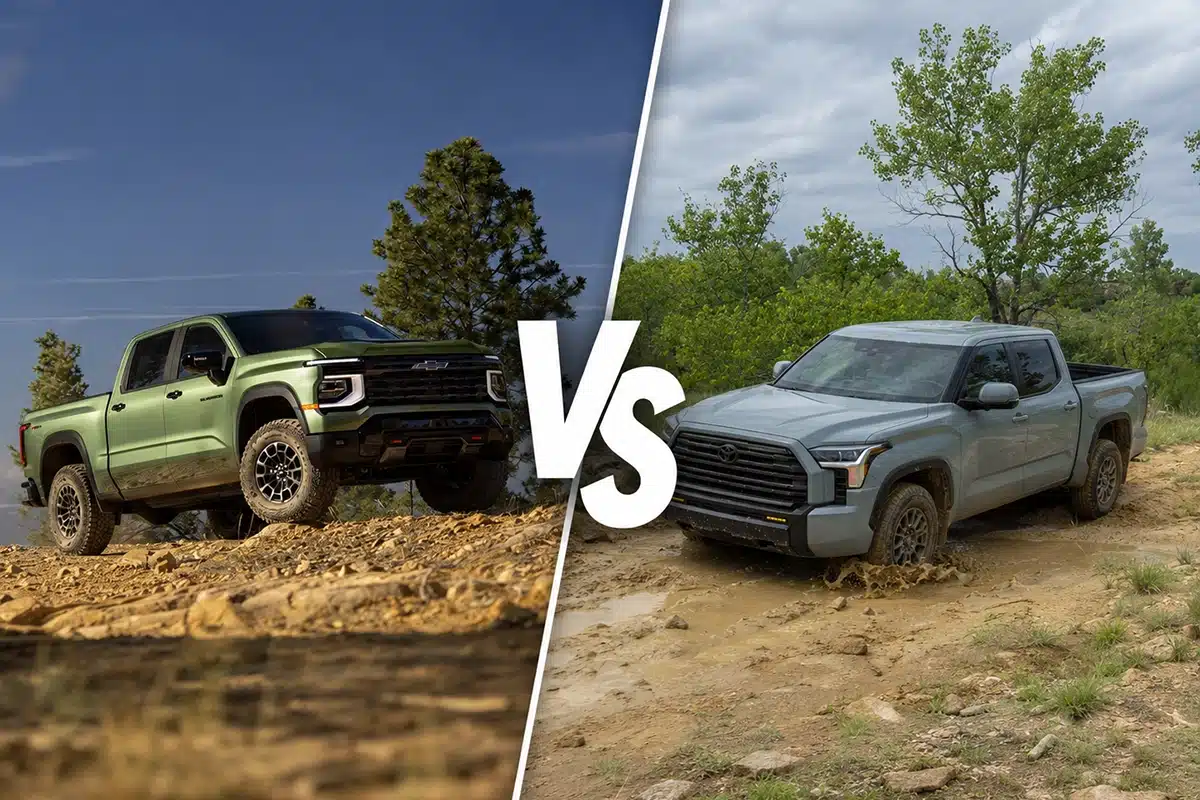
Both trucks receive new exterior styling, but neither abandons the basic design of the current model.
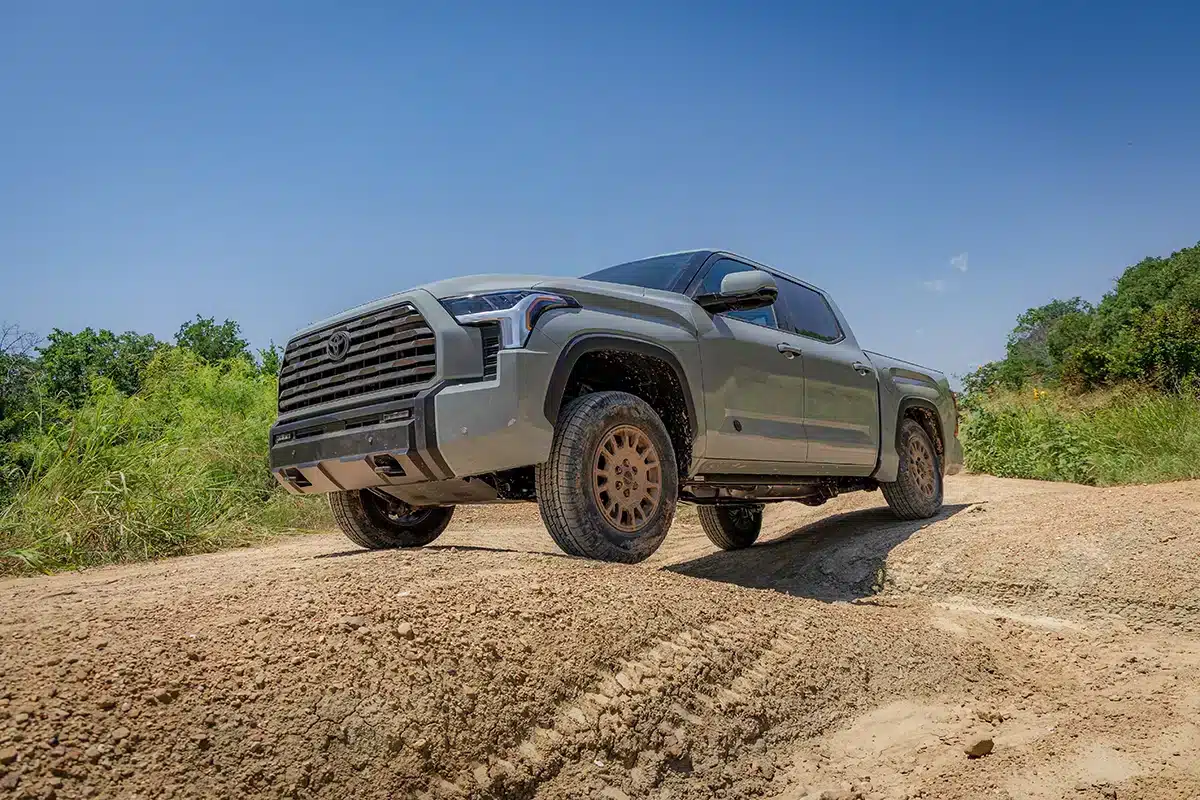
Toyota has redesigned the Tundra’s front end with a stronger vertical orientation, new hexagonal grille patterns, rectangular fog lights and a revised lower bumper. Select configurations will also offer an upgraded LED light bar, RIGID fog lights and front recovery hooks.
Those recovery hooks are worth mentioning. The lack of easily accessible factory tow hooks has been one of my biggest complaints about the current Tundra. Toyota finally appears to have addressed it.
The 2027 Silverado gets a new front fascia, revised grille treatments, new LED headlights and taillights, updated wheel-opening moldings and redesigned rocker panels. Chevrolet also got rid of the strange HDMI-shaped exhaust outlets and will make dual exhaust standard on Custom trims and above.
I need to see both trucks in person before choosing an exterior winner. The refreshed Tundra looks tougher and seems to correct several awkward details of the current truck. The Silverado looks cleaner, but the door-mounted mirrors still leave an odd blank area near the front corners of the windows.
On the rear, the Silverado wins hands down with the rear bumper step and a tailgate that is pretty handy either in the fancy multi-fold-down option or flat. Unlike the Tundra, which still needs an external bumper step when you fold down the tailgate to get into the bed due to the clear design flaw.
Based strictly on the photos, I am leaning toward the Silverado. That could change quickly once I see both trucks outside a studio setting.
Interior: Chevrolet Makes the Bigger Leap
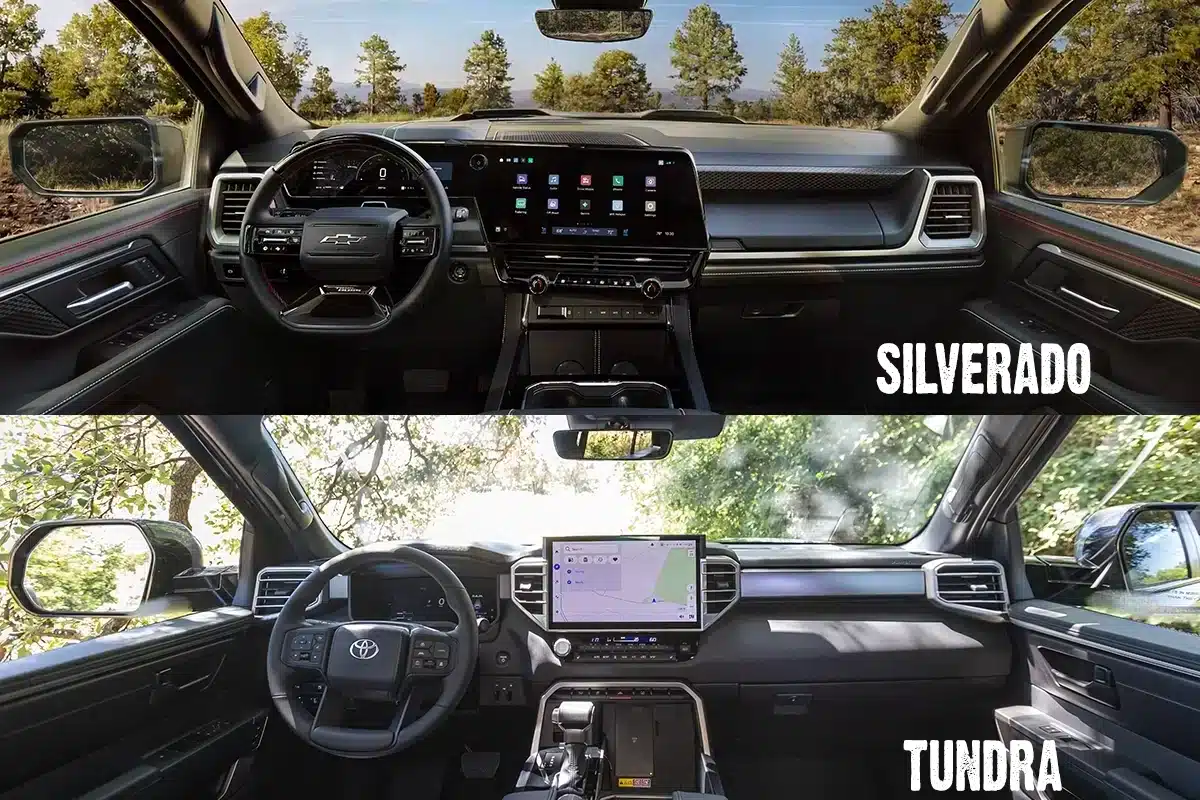
This is where the Silverado might pull ahead.
Every 2027 Silverado will come standard with a 16.3-inch center touchscreen and a 12.2-inch digital driver display. The ZR2 and High Country add an 11.5-inch passenger screen, a head-up display and a rear camera mirror.
That creates up to 60 inches of available displays. Yes, there will be plenty of complaints about putting more screens in trucks, but Chevrolet has clearly gone all-in on the digital experience.
More importantly for me, Chevrolet says it has widened the seat bottoms and added cushioning. Seat comfort was one of my biggest complaints with my previous Silverado High Country. After several hours behind the wheel, the seats simply were not comfortable enough.
If the new seats are similar to the improved seats in the latest Tahoe and Suburban, that could be a major factor in my decision. I spend too much time driving to tolerate an uncomfortable seat.
Toyota’s interior update is not as extensive, but it addresses several daily frustrations. Every 2027 Tundra now gets a standard 14-inch touchscreen running Toyota’s latest multimedia system. It has customizable widgets, faster voice responses and, finally, a real home button. And maybe they have finally fixed the seat cracking issue.
The overall Tundra dashboard design remains largely familiar. That means Toyota improves the experience without forcing current owners to relearn the entire cabin.
Chevrolet wins for the scale of its redesign. Toyota may win for simplicity. The final decision will come down to seat comfort, outward visibility and how easily I can operate the basic controls while driving.
Technology: Toyota Fixes Problems, Chevy Pushes Ahead
Toyota may not have reinvented the Tundra interior, but it added several features I would use regularly.
The standard built-in Drive Recorder Dash Cam can record 20-second clips manually or automatically when certain events occur. This eliminates the need to install another camera, route wiring around the windshield and manage a separate application.
After my experience with a Flock camera incorrectly identifying the license plate on a press vehicle, having factory-integrated video evidence sounds much more useful than it might have a year ago.
Toyota Safety Sense 4.0 is also standard. Besides the updated driver-assistance features, the system can recognize when the truck is backing toward a trailer and shut off the rear parking sensors. Anyone who has listened to parking sensors scream while hitching a trailer will appreciate that seemingly small improvement.
Toyota has also addressed another frequent owner complaint: Remote start will continue operating after the driver opens the door.
Chevrolet counters with its available Super Cruise hands-free driving system, including hands-free trailering. It remains the most impressive towing-related driver-assistance technology currently available.
The Silverado also offers dual wireless phone charging, a configurable Multi-Flex center console, a head-up display and a rear camera mirror.
Chevrolet has confirmed phone projection will remain available on gas and diesel models, although complete Apple CarPlay and Android Auto details will be released closer to launch.
The Silverado offers the more advanced highway-driving technology. The Tundra’s improvements feel more focused on eliminating everyday annoyances. Both approaches have value.
Which Truck Am I Leaning Toward Buying?
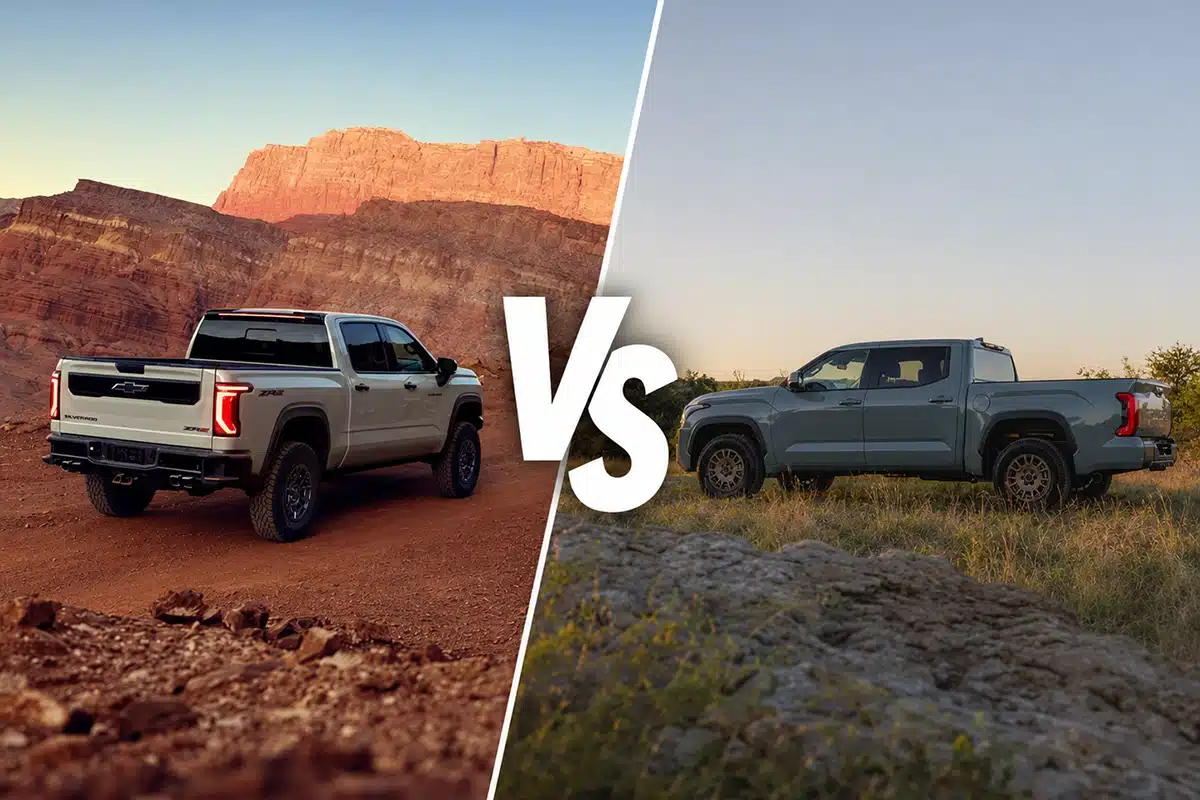
Right now, I am genuinely split.
The 2027 Tundra hybrid checks many of the boxes I wanted Toyota to address. It has a better-looking front end, factory recovery hooks, a standard 14-inch screen, an integrated dash camera, improved remote start, smarter trailer detection and a useful 2.4-kW inverter.
It also offers a powertrain I already know. The engine recall history will remain part of the conversation, but the i-FORCE MAX is no longer an unknown piece of technology.
The Silverado offers more possibilities. I could choose the familiar efficiency and highway range of the 3.0-liter Duramax or take a chance on the all-new 6.6-liter V8. It should also offer greater towing and payload capability, along with Super Cruise and what could be a dramatically more comfortable interior.
If I had to choose today, the Tundra hybrid might have a slight advantage because Toyota has confirmed more of the specific features I want. However, that is not the same as saying I would buy it today.
I need to see the Silverado’s engine specifications, payload ratings, towing figures, fuel economy and pricing. I also need to sit in those redesigned seats.
The Tundra currently feels like the safer known choice. The Silverado has the higher ceiling.
Once the missing specifications arrive and I can drive both trucks, one of them will end up in my driveway.
Until then, I’m like many consumers and business owners; I’ll be spending a lot of time thinking it over and with every new detail being released, it will only add more to my dilemma.











10 replies
Loading new replies...
Administrator
Administrator
Well-known member
Moderator
Moderator
Well-known member
Well-known member
Well-known member
Well-known member
Administrator
Well-known member
Join the full discussion at the Forum Pickuptrucktalk →