
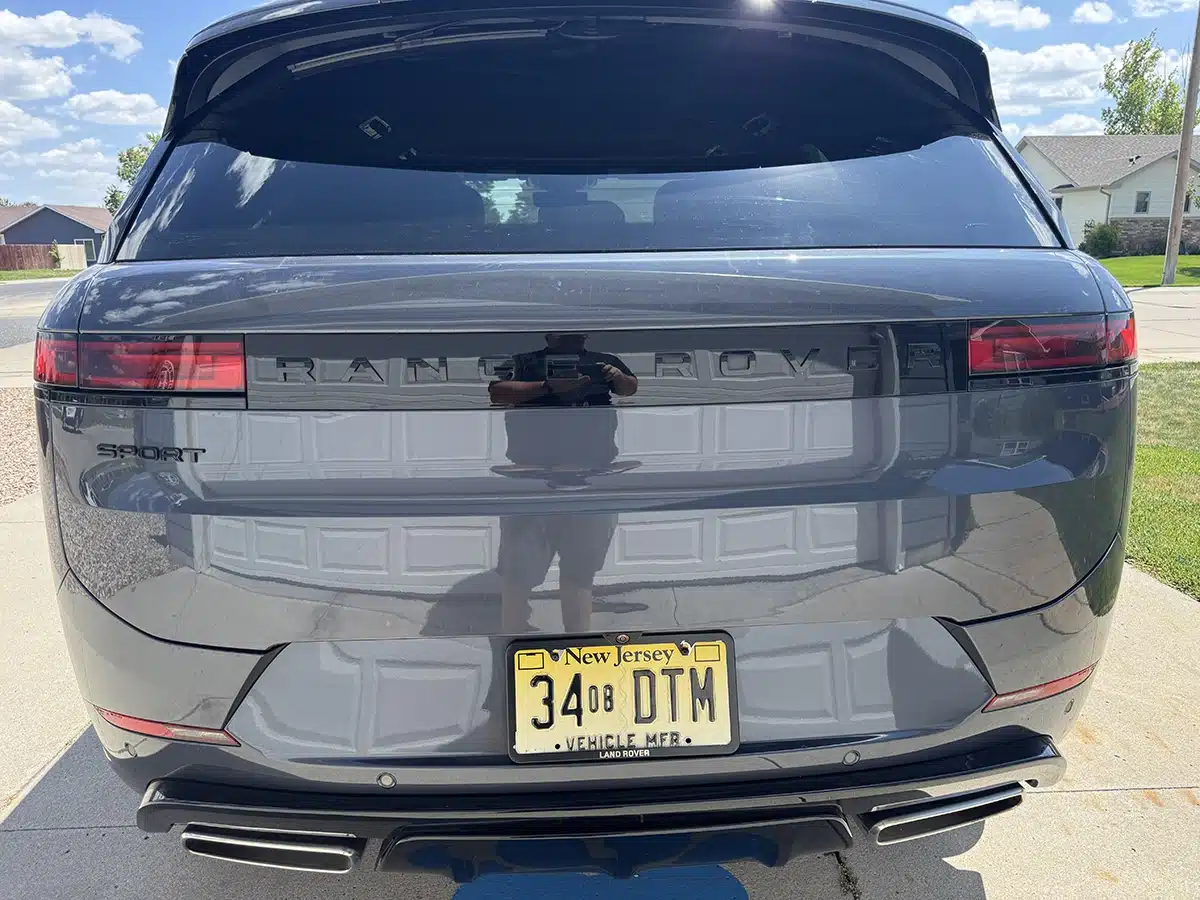
A Flock camera AI system incorrectly identified the Jaguar Land Rover press vehicle I was driving as stolen, turning what should have been a routine drive home into a 90-minute traffic stop on a 98-degree Nebraska afternoon. The officer did exactly what he was supposed to do. The real problem was an AI-powered license plate recognition system that matched the wrong vehicle, followed by a police database that couldn’t verify the VIN on a manufacturer-owned press vehicle.
After spending an hour and a half trying to sort everything out, I came away with a much better understanding of how Flock camera systems work, why manufacturer fleet vehicles confuse police databases and why this isn’t the first time this exact mistake has happened.
How a Flock Camera AI Error Started the Entire Traffic Stop
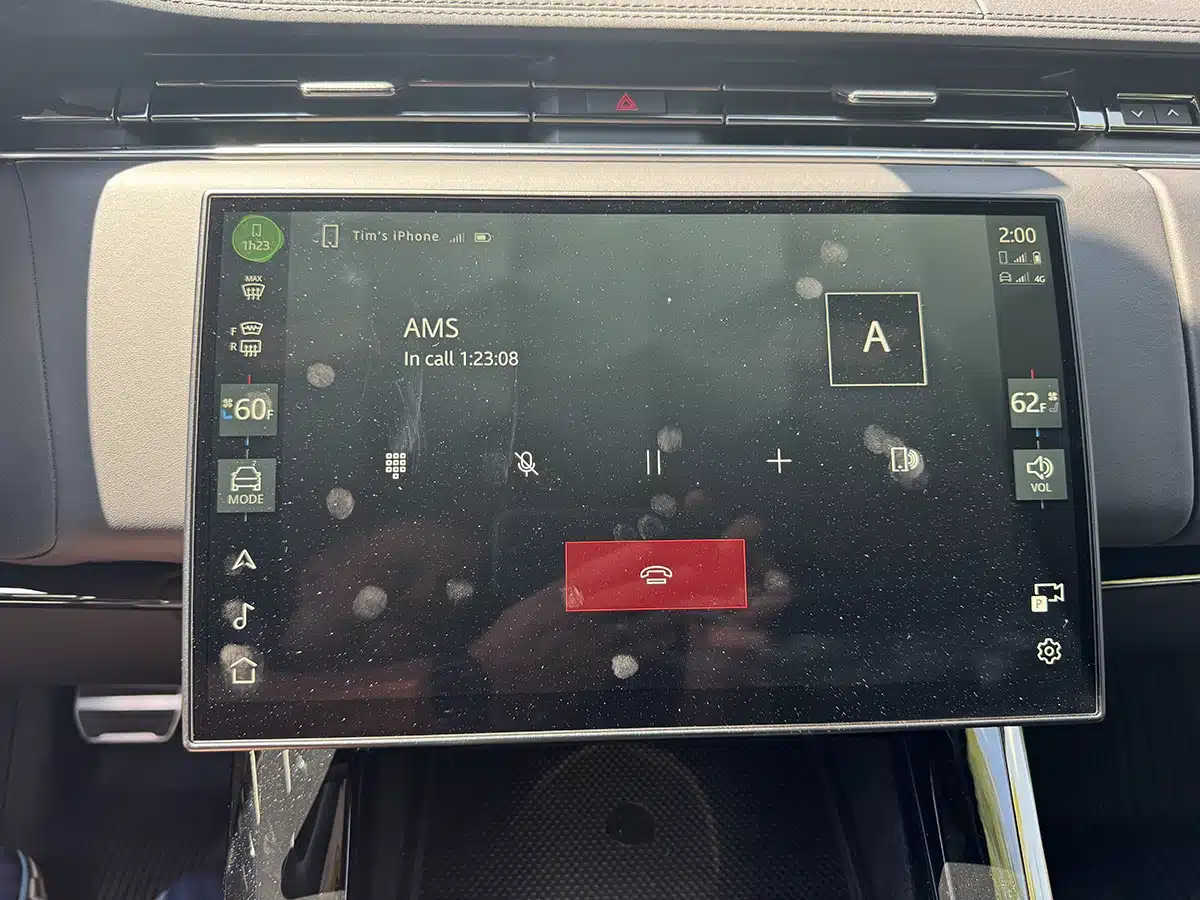
The traffic stop started because of a Jaguar Land Rover fleet plate.
Weeks ago, one manufacturer license plate reportedly went missing during a film production in California. Jaguar Land Rover later notified members of the automotive media that only one specific New Jersey manufacturer plate had been reported missing and that similar plate numbers were not part of the report.
Somewhere between that police report and the Flock camera AI system, however, the information appears to have been simplified.
Instead of identifying one specific plate, the system flagged multiple manufacturer plates that shared the same beginning and ending characters.
The result?
The Range Rover Sport I was driving was flagged as stolen even though it was carrying a completely different fleet plate.
This same issue recently made headlines after automotive journalist, and my friend, Joel Feder and his wife described being stopped by four police officers because of the same Flock camera error involving his Jaguar Land Rover press vehicle.
Why the VIN Made Everything More Complicated
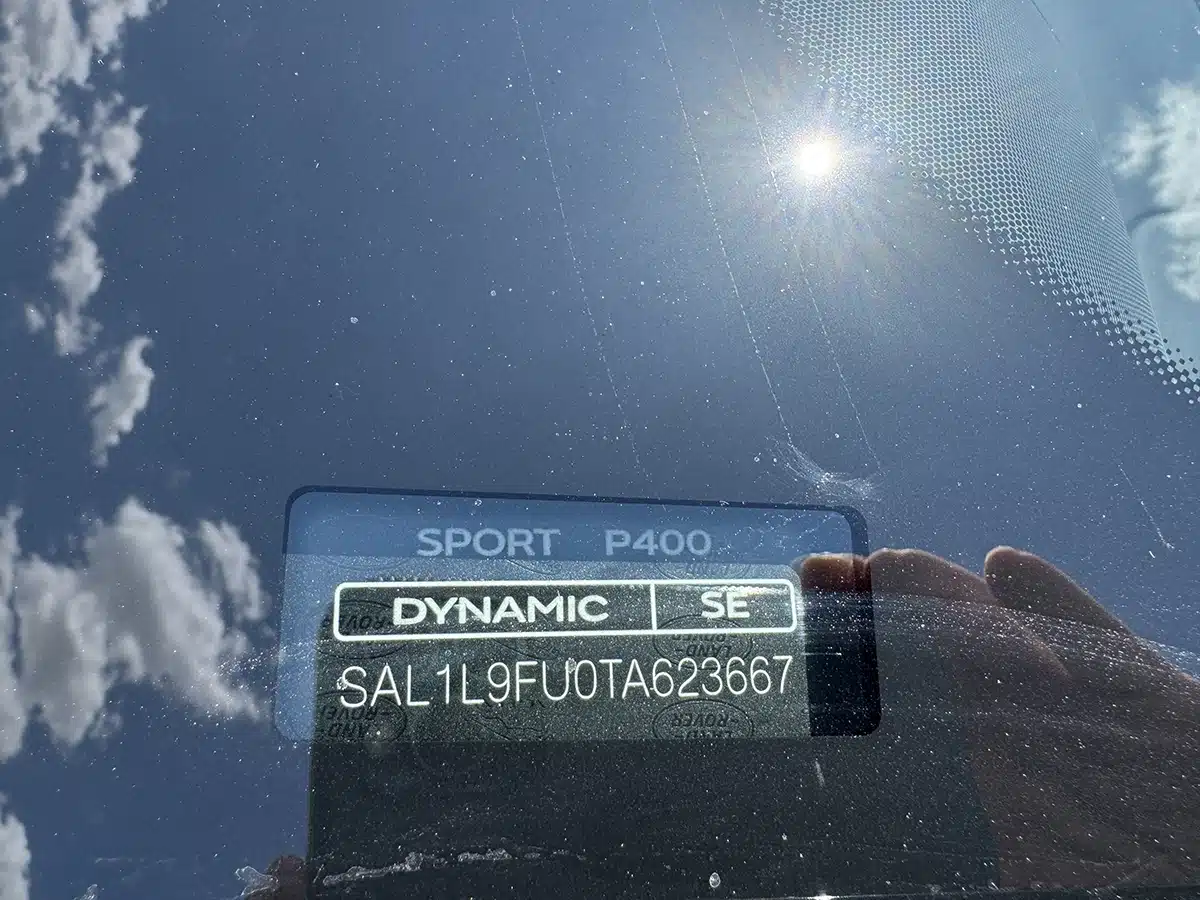
Once the officer confirmed the vehicle itself probably wasn’t stolen, another problem appeared.
The VIN wouldn’t show up in the law enforcement database.
At first, that sounds suspicious. In reality, it’s completely normal for manufacturer press vehicles.
Unlike vehicles sitting on dealer lots or in consumer driveways, manufacturer media vehicles have never been sold or titled through a state DMV. Since they haven’t entered the normal registration process, their VINs often aren’t available through the same systems officers routinely use during traffic stops.
I showed Jaguar Land Rover insurance paperwork, ownership documentation and authorization proving I was allowed to drive the SUV.
Even then, without a VIN that could be verified electronically, the officer continued working through every available resource to make sure everything checked out.
That verification process is what stretched the stop to roughly 90 minutes.
How Manufacturer Fleet Plates Actually Work
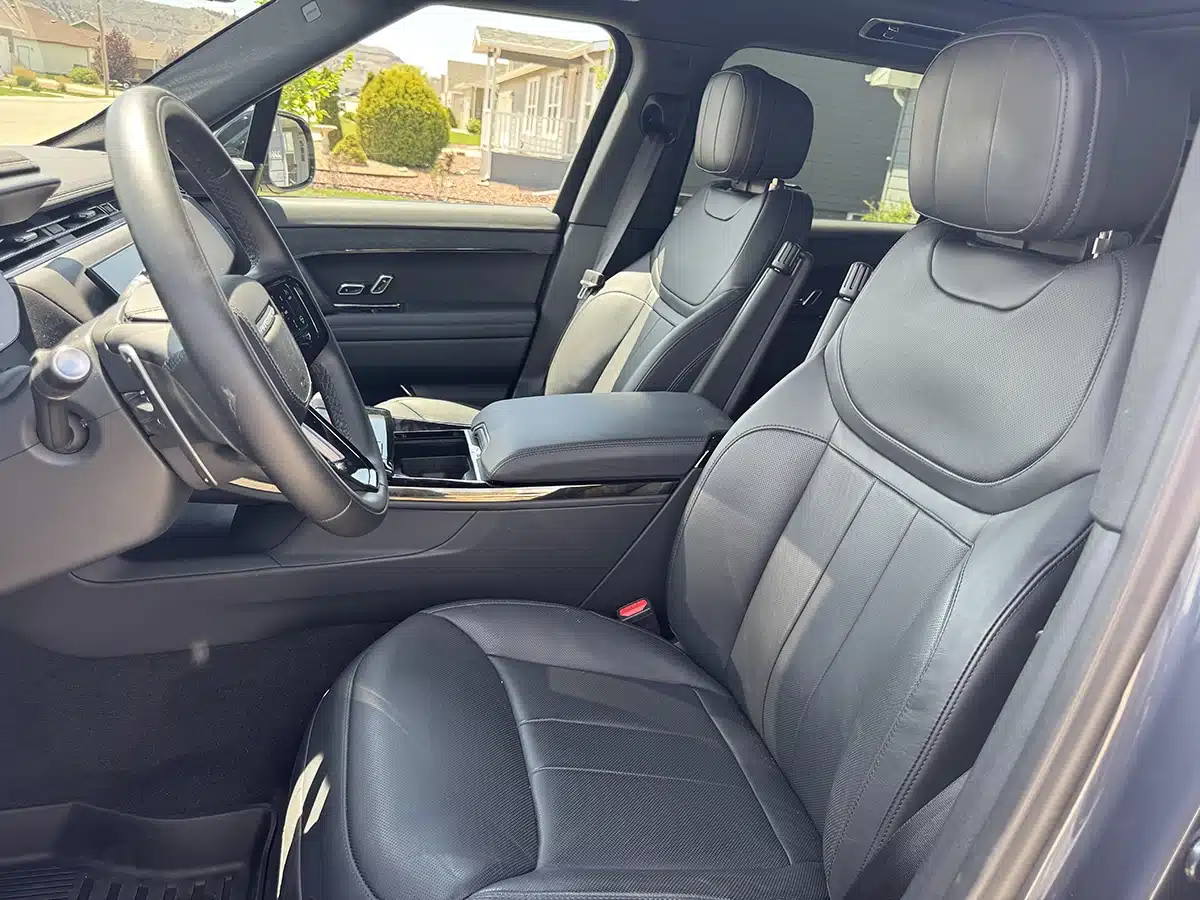
One thing this experience taught me is that manufacturer fleet plates work very differently than normal registrations.
Automakers register press fleets through their corporate offices. Jaguar Land Rover uses New Jersey. Toyota often registers vehicles in Texas. Ford and General Motors frequently use Michigan.
Even more interesting, those fleet plates aren’t permanently assigned to one vehicle.
The press fleet agency that manages the various manufacturer fleet vechicles can remove a plate from one press vehicle and install it on another vehicle in its fleet because the registration belongs to the manufacturer rather than an individual VIN.
Ironically, I learned the replacement plate that would have prevented this entire situation had already arrived at the regional fleet office the day before my traffic stop.
Unfortunately, it hadn’t yet been installed.
AI Is Only as Good as the Information It Receives
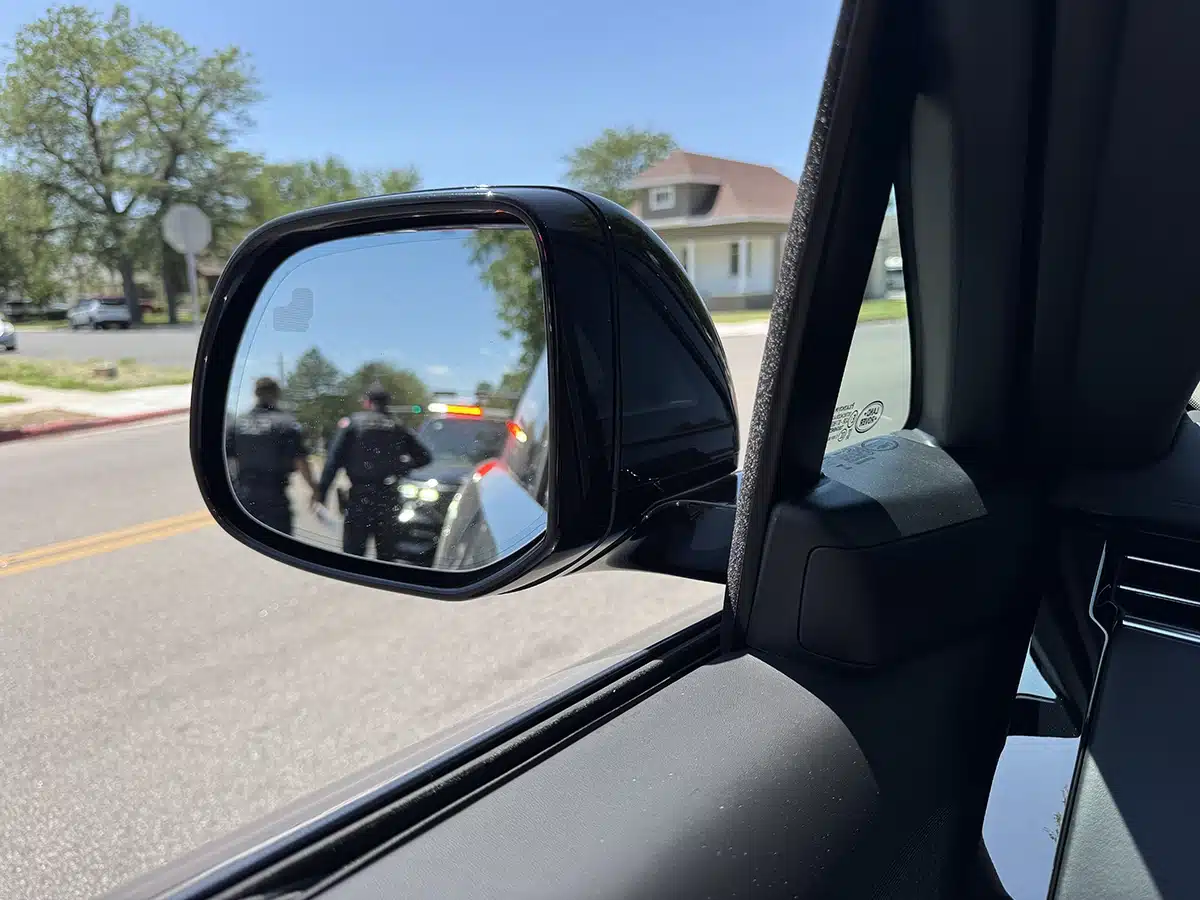
This experience wasn’t really about one traffic stop.
It’s about what happens when AI systems rely on inaccurate or incomplete information.
The Flock camera system did exactly what it was programmed to do. It alerted officers based on information it believed was accurate. The officer responded exactly the way anyone would want law enforcement to respond to a potentially stolen vehicle.
The breakdown happened long before either one became involved.
Somewhere in the reporting process, one missing manufacturer plate became a much broader alert than it should have been. Once that information entered an AI-powered license plate recognition system, it spread the mistake automatically.
As AI becomes more common in policing, transportation and everyday life, this experience is a reminder that technology is only as reliable as the data humans provide.
As you read this, I’m in my personal Ford Ranger driving to Cheyenne, an hour and a half away, to meet up with the local press fleet operator to swap plates. Why? Partly because I’m a nice guy and partly because I need to cool off. I don’t get shaky mad anymore, but today I sure did.









8 replies
Loading new replies...
Administrator
Active member
Moderator
Well-known member
Well-known member
Moderator
Well-known member
Well-known member
Well-known member
Join the full discussion at the Forum Pickuptrucktalk →