During a federal court fight over whether a lawsuit could proceed as a class action, a Ford warranty expert reported that early F-150s with the 10-speed transmission, the 10R80, had lower rates of harsh-shift warranty claims than early trucks with the older six-speed, even though the new transmission was more complex.
This was a stunning statement.
The plaintiffs’ expert disagreed with how Ford counted. His broader analysis estimated that about one in five 2017–2020 F-150s with the 10-speed had at least one visit for a transmission claim. What is going on?
The 10-speed had fewer harsh-shift claims in Ford’s comparison

Ford’s expert, former Ford reliability specialist Nathan Soderborg, compared 2017–2019 10R80 trucks with 2009–2011 trucks equipped with the six-speed 6R80. The owners described jerky shifts, hesitation and lunging. Soderborg’s count was more specific: he looked for warranty records that indicated a harsh shift. He wasn’t counting every transmission-related visit or every symptom the owners alleged.
Soderborg researched both transmissions and lined them up by time in service rather than by calendar year. In his report, the six-speed’s claims “started out growing at a much faster rate.” Here’s what the comparison looked like in the court record:
| Model years compared | Ford expert’s estimate for the 10-speed |
|---|---|
| 2017 10R80 vs. 2009 6R80 | About 3 percentage points lower at 60 months |
| 2018 10R80 vs. 2010 6R80 | About 1.5 percentage points lower at 60 months |
| 2019 10R80 vs. 2011 6R80 | Trending about 1.5 percentage points lower |
What went into Ford’s numbers
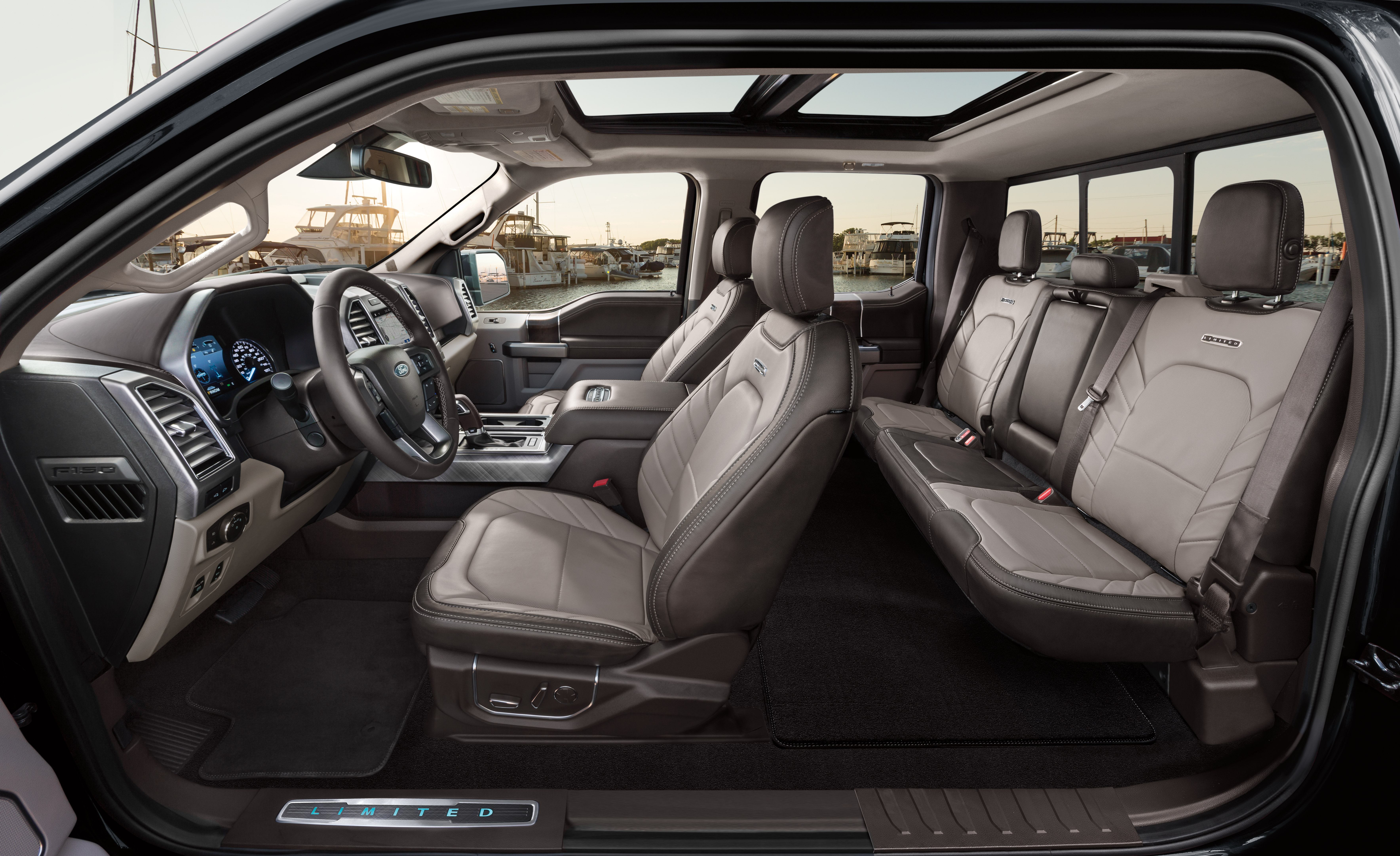
Soderborg identified about 1.57 million 2017–2020 F-150s with the 10R80 in his nationwide review, excluding Raptors. He counted claims within the five-year, 60,000-mile powertrain warranty when the customer concern code, customer description or technician’s notes indicated a harsh shift.
Under those rules, he estimated that 95.3% of 2017 trucks and 93.3% of 2018 trucks had no qualifying claim within that warranty window. Fewer than 1% had more than one qualifying claim. That leaves out shifts owners never reported and repairs paid for after the warranty. It also leaves out complaints that didn’t meet his definition of a harsh shift.
What the owners’ warranty expert counted differently

Frank Bernatowicz, the owners’ warranty expert, argued that Soderborg’s count left out potentially relevant records. One example in the February 2026 warranty-expert order: Soderborg didn’t include code E29, even though one of the named owners, Michael Barcelona, had been assigned that code. In the separate class-certification ruling, Barcelona described feeling a jerk when the truck shifted and hearing a metallic clunk from the rear. He said the clunk could happen during acceleration and even after the truck had stopped. The warranty-expert order doesn’t define E29; Bernatowicz’s point was that leaving the code out could omit relevant records. He also questioned whether the data covered all the ways owners contacted Ford and pointed to evidence suggesting some owners may have been discouraged from coming back for repeat visits.
His broader analysis found that “20% of all MY 2017–MY 2020 10R80 vehicles had one or more visits for transmission claims,” the order says. That number is his estimate of visits under a broader definition, not a finding that 20% failed or needed a new transmission. The judge allowed Bernatowicz’s underreporting critique and his own data analysis but excluded his separate opinion that the older six-speed was an unreasonable benchmark. He hadn’t supported that conclusion with enough evidence or methodology.
What this tells you about a used F-150
The court let the comparison stand as evidence despite the owners’ objections, including possible missing older six-speed records. It also allowed the owners’ expert to challenge what the Ford analysis left out. That February ruling was about what the experts could tell the court, not whether the 10-speed is more reliable. The judge later denied class certification. See our separate coverage of the Ford 10-speed lawsuit for that decision and the details of Ford’s testing.
The useful takeaway is narrower. On Ford’s measure, the early 10-speed had a lower rate of warranty claims. The owners’ measure, which covered a wider set of transmission-related visits, can’t tell you how many units failed or how the newer transmission compares over a lifetime. If I were buying one, I’d drive that truck cold and warm and look for any past transmission work in its records. For later model years, here’s our F-150 transmission known problems guide.