The average passenger car tires and wheels are designed mainly for everyday light vehicles, used for everyday commutes and moderate loads in comparison to trucks and SUVs which have a setup that supports more weight, supports a higher towing demand while being able to withstand tougher terrains and the occasional off-roading use. A successful upgrade therefore requires more than choosing a larger diameter.
How Truck and SUV Tires Differ
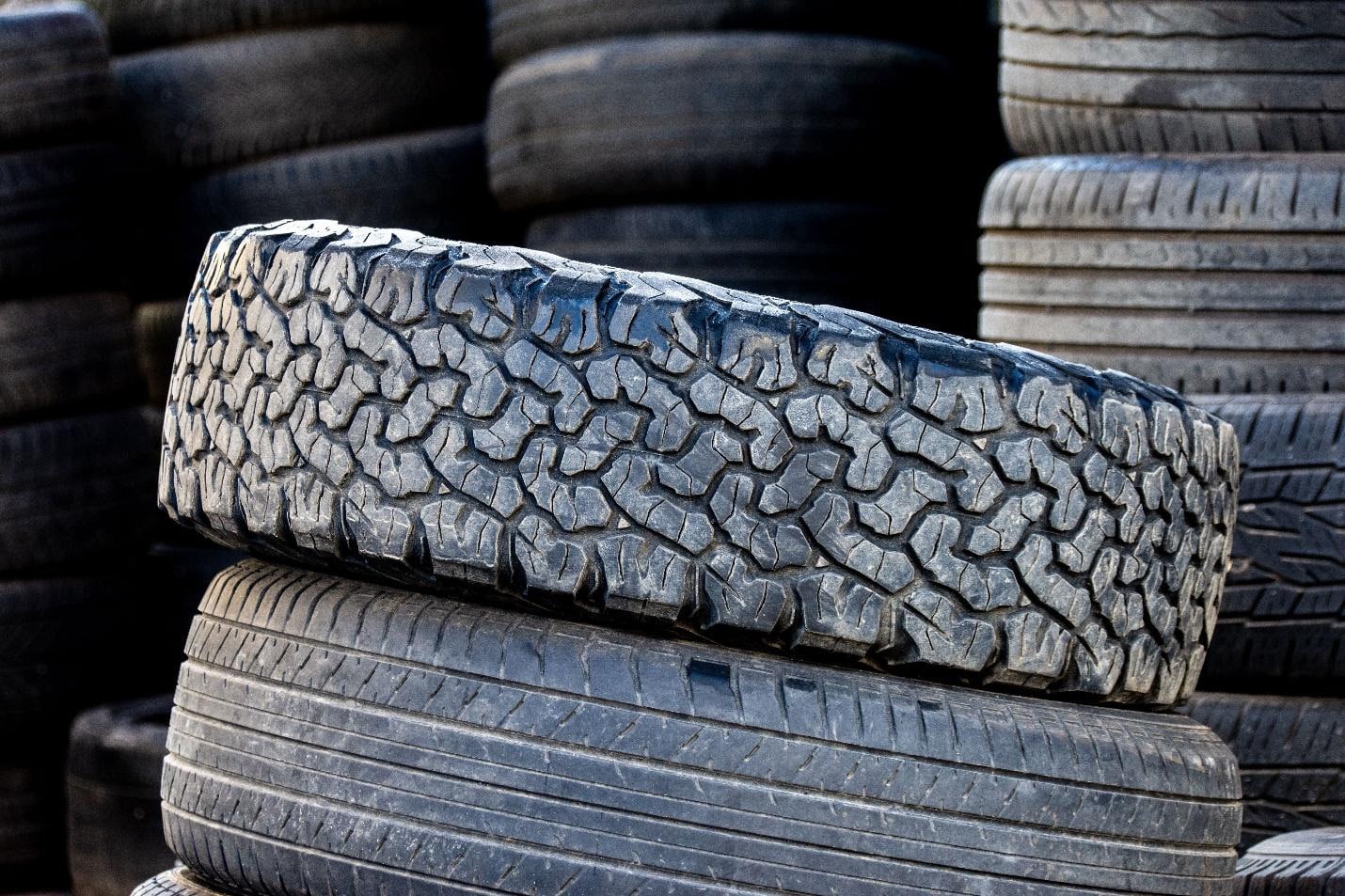
Understanding the difference between a Truck and an SUVs tires. They are both generally stronger in construction and load ratings than the common passenger-car tire is. Tread patterns are also developed for highway travel, towing, trails, or job sites.
Light-truck tires marked “LT” are designed for heavier service than many P-metric passenger tires. Stronger sidewalls and higher pressures can create a noticeably firmer ride and add weight. Not every SUV needs an LT tire. A commuter crossover may perform better with a properly rated touring tire.
Wheels differ as well. Truck and SUV wheels must have the correct load rating, bolt pattern, center bore, width, diameter, and offset. Online shoppers can find Tireagents KMC wheel models that are well suited to trucks and SUVs because their designs target popular truck and off-road fitments while offering the visual presence many owners want from an upgrade.
Understanding Wheel Fitment
The wheel diameter is only one measurement. Width influences the range of tires that can be mounted, while offset determines how far the wheel sits inward or outward relative to the hub. Backspacing measures from the mounting surface to the inner edge.
An incorrect offset can cause rubbing against suspension parts, place the tire outside the fender, alter steering feel, and increase stress on wheel bearings. The center bore and bolt pattern must fit correctly. Wheel load capacity should meet or exceed the vehicle’s requirements.
What Happens When You Increase Tire Size?
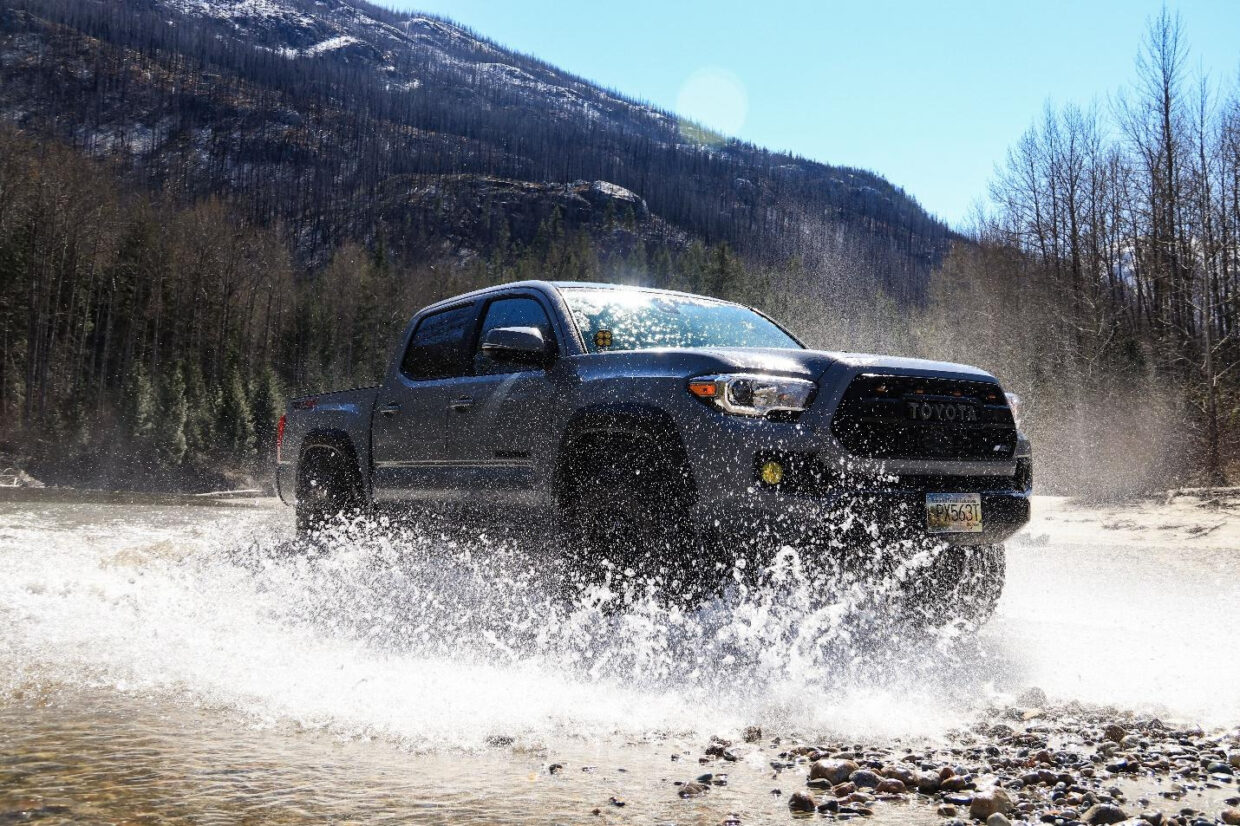
A modest increase can add useful clearance and stronger visual presence. However, a taller or heavier tire changes effective gearing and adds rotating mass. Acceleration may become slower, braking distances can increase, and fuel economy may decline.
Larger sizes can also affect speedometer readings, transmission behavior, driver-assistance systems, and spare-tire fitment. Check clearance at full steering lock and throughout suspension travel.
How to Plan an Upgrade
Follow a measured process before ordering:
- Define the vehicle’s job: Consider commuting, towing, payload, winter travel, trails, and appearance.
- Record the factory specifications: Start by confirming your vehicle’s tire size, bolt pattern, and wheel dimensions using the door placard and owner’s manual.
- Protect load capacity: Select tires and wheels rated for the vehicle, passengers, cargo, and trailer tongue weight.
- Check complete fitment: Confirm diameter, width, offset, center bore, clearance, and compatible lug hardware.
- Plan to support changes: Larger upgrades may require a lift, trimming, alignment, gearing changes, or speedometer calibration.
- Use professional installation: Proper mounting, balancing, TPMS service, lug-torque procedures, and alignment protect the investment.
TireAgent helps shoppers compare a vast range of tires that will suit vehicles of all different types.
Frequently Asked Questions
Can I install larger tires without lifting my truck?
Sometimes. Small increases may fit, but clearance varies by vehicle, offset, suspension, and tire shape. Verify fitment before purchasing.
Do all-terrain tires work for daily driving?
Yes. Many all-terrain tires balance road comfort with loose-surface traction, although they can be heavier and noisier than highway-terrain designs.
Should I replace the spare when upgrading?
Yes, if the original spare has a substantially different overall diameter. A mismatched spare can affect handling and may create drivetrain concerns on four-wheel-drive or all-wheel-drive vehicles.
Your SUV or Truck are designed differently to a standard vehicle and are designed to be larger in size, heavier and tend to have a much higher ground clearance. Which is why it is important for a driver to get the wheels and tires chosen correctly for their vehicle. To not only to avoid potential mechanical damage but to maintain the safety levels of the vehicle as the wrong tire can lead to sudden tire failure.