GM brake problems are back under investigation as the National Highway Traffic Safety Administration (NHTSA) has expanded an investigation into General Motors’ eBoost brake assist system to include the Chevrolet Colorado and GMC Canyon.
The investigation now covers more than one million vehicles and focuses on reports of possible loss of brake assist caused by issues with the electro-hydraulic brake system. At this time, NHTSA has not issued a recall.
What Is NHTSA Investigating?
NHTSA has escalated the case from a Preliminary Evaluation to an Engineering Analysis, designated EA26006. That is significant because an Engineering Analysis is the final investigative stage in NHTSA’s defect-investigation process before the agency can move toward formally requesting a safety recall if it determines a defect exists and the manufacturer does not voluntarily recall the vehicles.
During an Engineering Analysis, investigators can conduct deeper technical analysis, request additional information from the manufacturer and evaluate whether the suspected defect presents an unreasonable risk to motor vehicle safety. If NHTSA ultimately determines a safety-related defect exists and GM does not voluntarily act, the agency can move toward formally requesting and ultimately ordering a recall.
The scale also matters. The Engineering Analysis encompasses an estimated 1,164,820 vehicles, so a resulting recall could potentially be very large. Inclusion in the investigation, however, does not mean every vehicle being studied will necessarily be recalled.
NHTSA is examining reports involving GM’s eBoost braking system in which drivers can experience a harder brake pedal and may need additional effort to stop the vehicle. The agency is investigating whether a defect exists and whether vehicles equipped with the system require a safety recall.
Chevrolet Colorado and GMC Canyon Added to Investigation
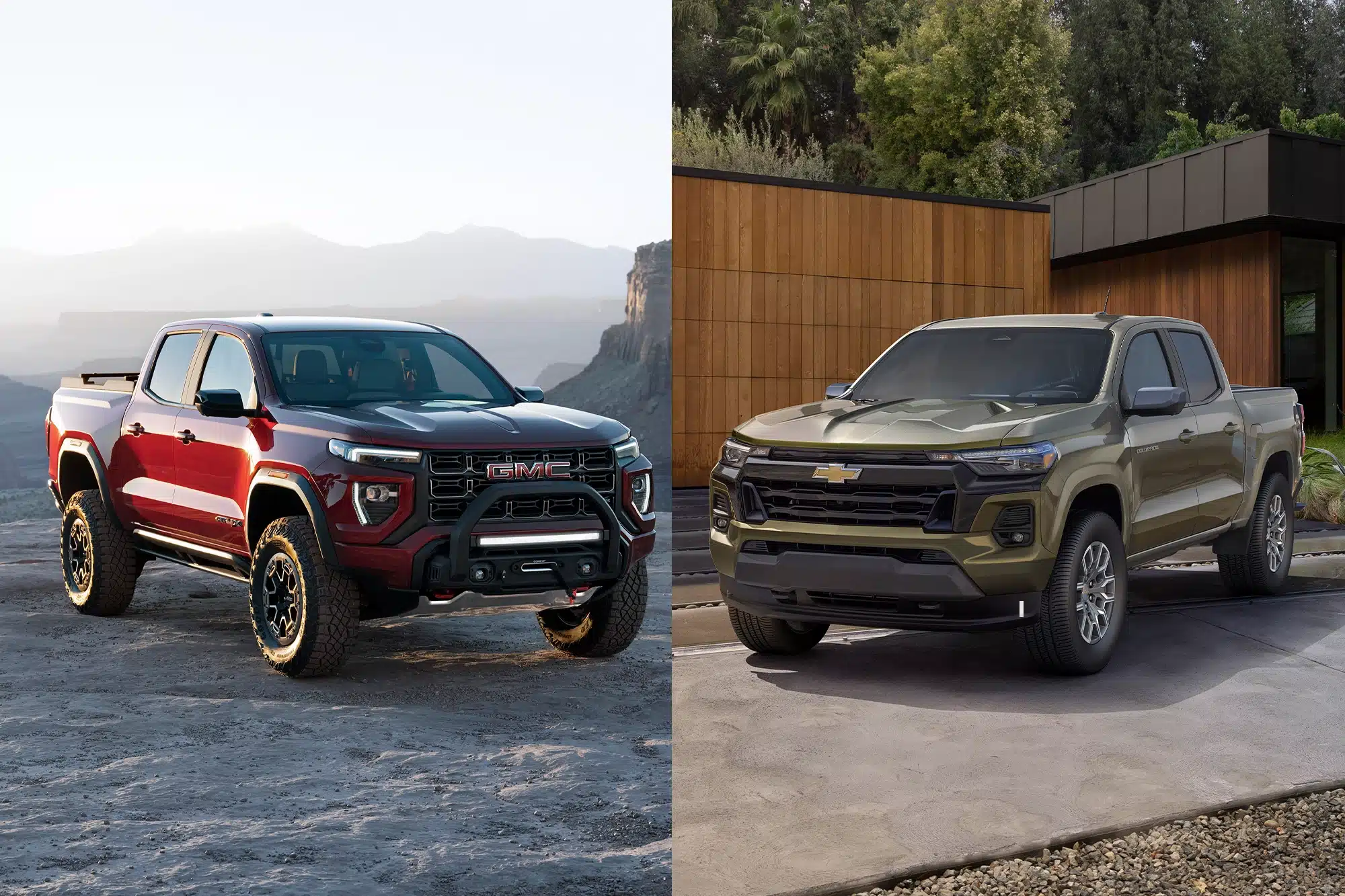
The third-generation Chevrolet Colorado and GMC Canyon are now part of the investigation because they use the same eBoost brake assist technology. NHTSA says EA26006 has been expanded to encompass all GM vehicles sharing this eBoost system. The GM vehicles identified by ODI are:
- 2023-2026 Cadillac Lyriq
- 2023-2026 Chevrolet Colorado
- 2023-2026 GMC Canyon
- 2024-2026 Buick Enclave
- 2024-2026 Buick Envision
- 2024-2026 Chevrolet Blazer EV
- 2024-2026 Chevrolet Equinox EV
- 2024-2026 Chevrolet Traverse
- 2024-2026 Cruise Origin
- 2024-2026 GMC Acadia
- 2025-2026 Cadillac Celestiq
- 2025-2026 Cadillac Optiq
NHTSA is also including the 2024-2026 Honda Prologue and 2024-2026 Acura ZDX as peer vehicles because they were manufactured by GM through its joint venture with Honda and use the same eBoost system.
Owners should understand this is an investigation, not a recall. The Engineering Analysis is important precisely because it moves the case closer to a potential recall decision, but NHTSA has not yet determined that these vehicles contain a safety defect requiring one.
What Is eBoost Brake Assist?
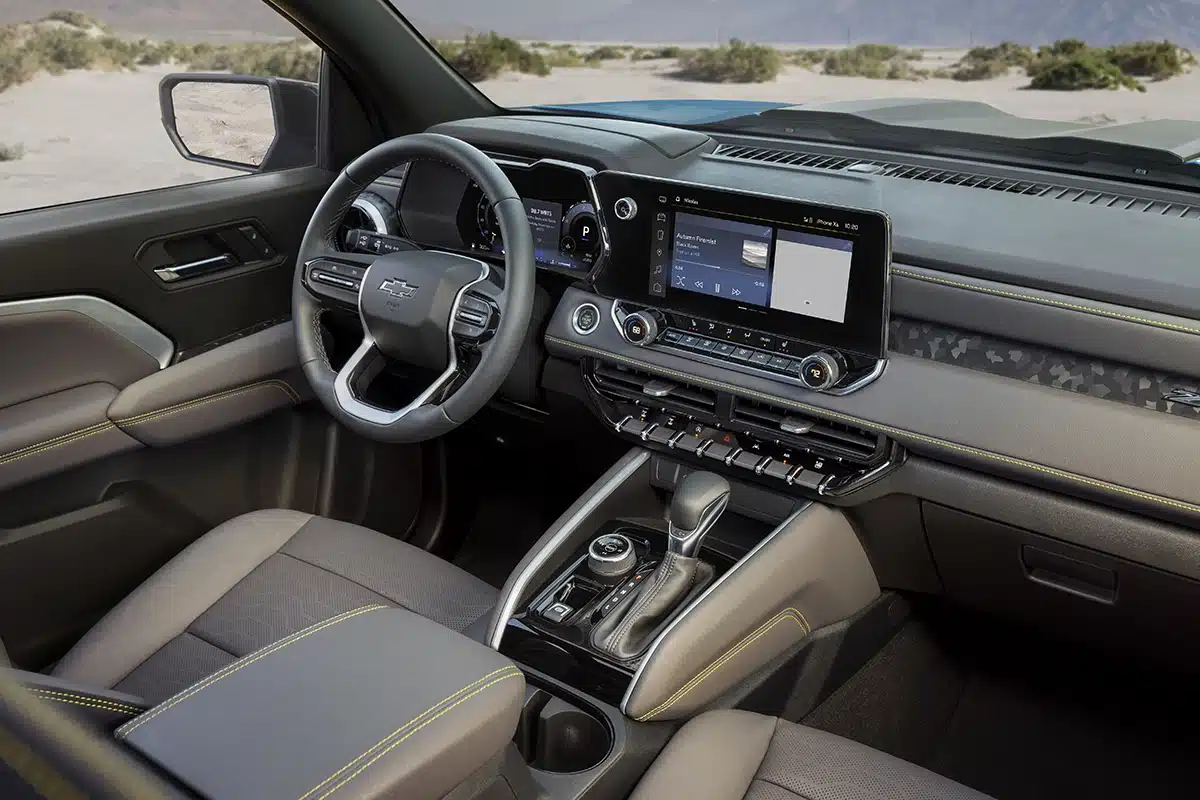
Modern trucks are moving away from traditional vacuum brake boosters. Systems like GM’s eBoost use electronic controls and hydraulic pressure to provide braking assistance while integrating with modern safety systems.
The advantage is improved integration with features like stability control and advanced driver assistance systems. The downside is that more electronics create more potential failure points.
What Colorado and Canyon Owners Should Do
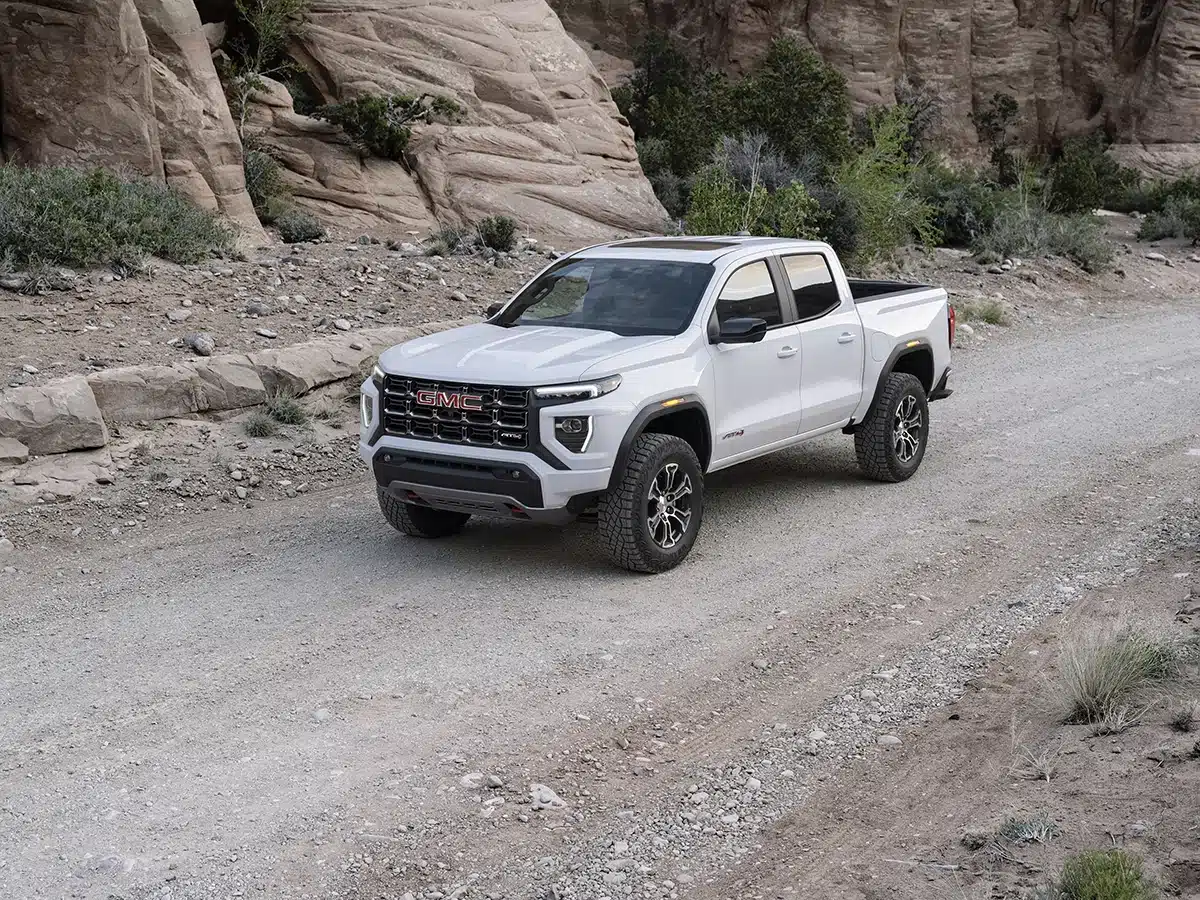
Owners should not panic, but they should pay attention to any brake warning lights, unusual pedal feel or changes in braking performance.
Any safety concern should be reported to NHTSA and discussed with a dealer. Pickup Truck +SUV Talk will continue following EA26006 as NHTSA determines whether the investigation results in a safety recall.