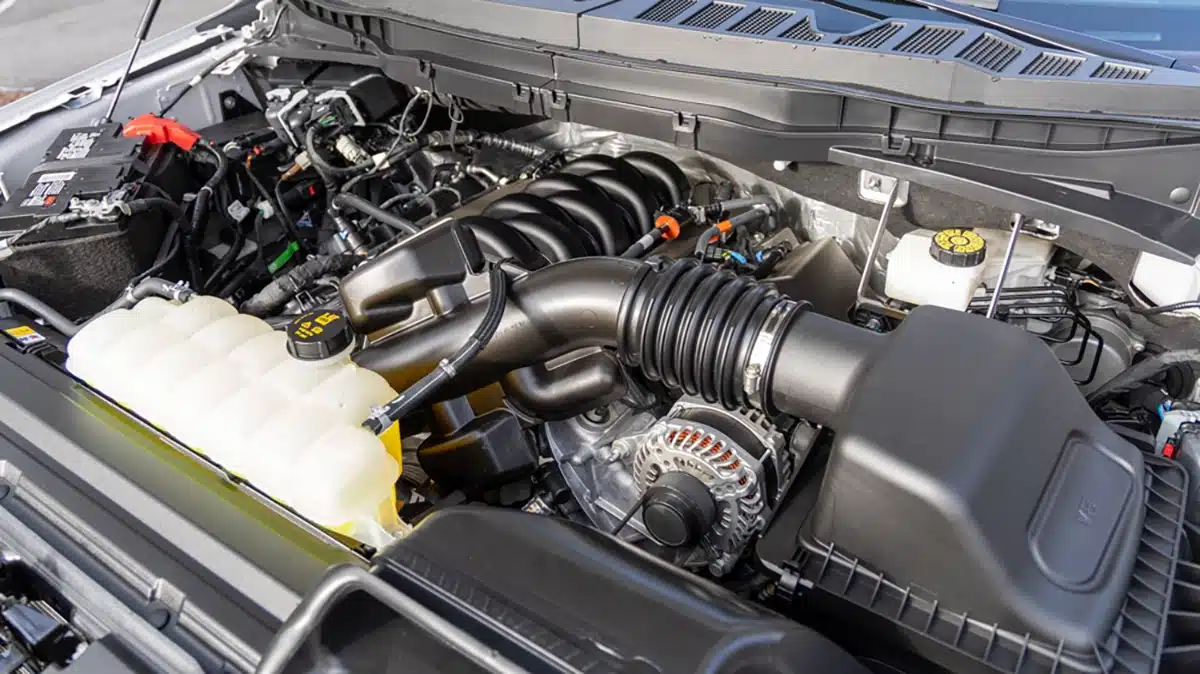
The Ford F-150 is the half-ton pickup in the F-Series lineup, the best-selling trucks in the U.S. The current generation F-150 appeared in the 2021 model year and has featured several engine options in that five-year span. All eight engines have their own quirks and known problems. We’ll examine these Ford F-150 engine problems one engine at a time.
The F-150 tops our current list of most reliable full-size pickups on the market right now.
3.3L Cyclone V6
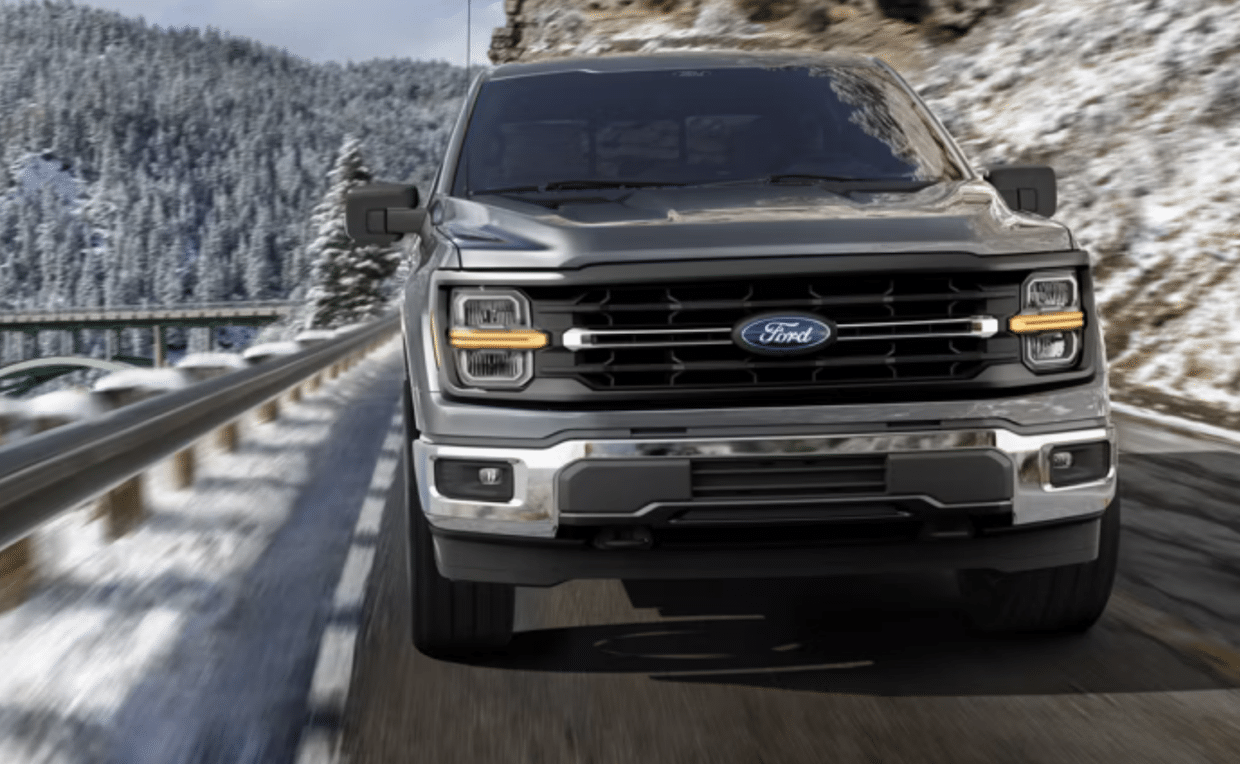
Introduced in 2021 and offered through 2023, when Ford replaced it as the standard F-150 engine with the 2.7L EcoBoost, the Cyclone was the standard V6 option for the F-150 for those years. Producing 290 horsepower on gasoline, this flex-fuel engine was often admired for its predictable torque curve and overall simplicity. Still, the Cyclone V6 wasn’t without problems.
The complex variable camshaft timing system (Ti-VCT) sometimes experienced phaser rattle or premature wear, especially when oil change intervals were neglected. This would result in an expensive timing component service.
Exhaust leaks, especially at emissions component connections, were not uncommon in the Cyclone. The dual-port and direct-injection systems were also problematic if contaminated fuel (especially in high ethanol mixes) was used.
The Cyclone V6 was also prone to coolant leaks and thermostat failures, especially at high mileage.
5.0L Coyote V8

The Coyote V8 was the other flex-fuel option for the F-150. A staple of the F-150 lineup, this engine produces 400 horsepower on gasoline. The 5.0L continued to support E85 flex-fuel operation for the 2024 model year.
The signature and infamous “Typewriter Tick” associated with this engine can sometimes be mistaken for a louder tapping noise that may indicate a sticking VCT solenoid, worn rotor followers, or lash adjuster issues. High-mileage Coyote V8s often have other variable camshaft timing-related issues, including timing chain wear, tensioner fatigue, worn guides, etc.
Cooling system leaks are also a well-known issue with Coyote engines. They are usually caused by degraded plastic fittings, hose wear at quick-connect points, or failure of the T-connector at the front water pump. Many of these OEM plastic components deteriorate through repeated heat cycles.
2.7L EcoBoost Nano V6

The Nano is a tiny powerhouse that produces 325 horsepower and 400 pound-feet of torque. Its turbocharged setup gives these outputs at relatively low rpm compared to other designs.
A major recall involving certain 2021-2022 Ford and Lincoln vehicles equipped with 2.7L or 3.0L Nano EcoBoost engines addressed intake valve stems that could fracture. For the F-150, the recall applied to the 2.7L Nano. A fractured valve could cause catastrophic engine damage and a loss of drive power.
Other problems typically reported for the 2.7L EcoBoost include plastic oil pan leaks in earlier generation designs due to the RTV gasket material degrading. A service bulletin and a redesigned pan seem to have fixed this problem.
Like most direct-injection engines, the Nano can be prone to carbon coking on the intake valves, requiring cleaning. Although not listed in the recommended maintenance, this cleaning is usually recommended by technicians at 100,000 miles or so.
Finally, the EcoBoost Nano is often cited for spark plug gap wear, especially if maintenance intervals for spark plug replacements are not followed. This is an issue inherent with many direct-injected, high-pressure engines like the Nano V6.
3.5L EcoBoost D35 V6 and D35 High-Output V6

The 3.5L EcoBoost is the mainstay of the F-150, putting out 400 horsepower and beating out the V8 as the most common engine for the truck. Its High-Output version appears in the Raptor model, producing 450 horses. As Ford’s most common engine, it’s also the one with the most recalls and service bulletins attached to it.
For 2024-2025 models, a recall addressed factory-misaligned cup plugs that could become dislodged from the cylinder head. The resulting sudden oil loss can be catastrophic for an engine like the D35.
Some early second-generation 3.5L EcoBoost engines were recalled for timing chain stretch and cam phaser tick or failure. Extended warranty coverage and repair/replacement was undertaken to fix this.
Technical service bulletins for the D35 often address intercooler condensation buildup that can cause misfires under heavy acceleration, sometimes in connection with carbon accumulation on the intake valves.
Other common complaints from owners include coolant leaks around the plastic thermostat housing, oil leaks from plastic oil pan gaskets, and exhaust manifold studs breaking.
3.5L PowerBoost V6
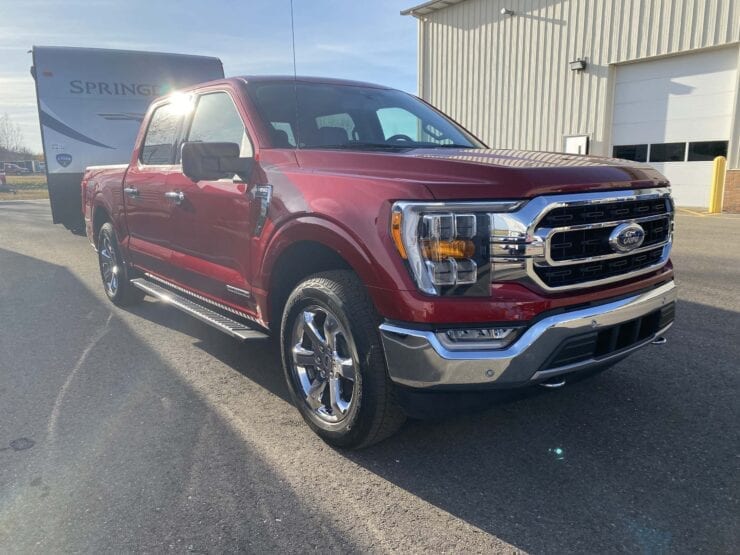
The PowerBoost V6 is often considered the EcoBoost High-Output’s hybrid sibling. Its 430-horsepower output falls between the two D35 variants, and its hybrid-electric architecture is often praised for combining efficiency and strength.
Recalls for the PowerBoost V6 are limited, though the cup plugs issue with the EcoBoost also affected this engine in early models. A similar recall investigation, but no recall, was conducted for early production 3.5L engines for connecting rod misalignment.
Common problems for owners, some of which are addressed by service bulletins, are usually software-related. A 12-volt accessory battery drain problem is often cited and has been addressed by more than one TSB to update “sleep” software for various engine modules. Similarly, hybrid inverter glitches or coolant temperature sensor anomalies can cause partial motive power shutdowns. Finally, turbo plumbing leaks and carbon buildup are common to all of Ford’s turbocharged engines like the PowerBoost.
3.0L Power Stroke V6

Only offered for one year (2021) in this generation, the Power Stroke V6 diesel offered 250 horsepower in a limited number of F-150 truck configurations. Although well-built, the Power Stroke was nevertheless plagued by emissions issues.
The 3.0L became well-known for soot buildup in the exhaust gas recirculation (EGR) system and for manifold absolute pressure (MAP) sensor clogging caused by the same buildup. A recall in early versions of the engine, pre-2021, was for a detaching EGR valve that may have been related to these inherent issues.
Another common problem was with the oil filter housing, which was often reinstalled incorrectly after an oil change, damaging the internal anti-siphon mechanism.
5.2L Carnivore and Carnivore High-Output V8

The Carnivore was introduced in 2023 for the F-150 Raptor R model. The 2023 version had 700 horsepower of output and 640 pound-feet of torque. The Carnivore High-Output came out a year later as a replacement, outputting 720 HP.
Outside of common complaints of high fuel consumption and fast brake pad and tire wear, inherent to performance vehicles, there aren’t a lot of complaints for the new Carnivore engine. Relatively low sales figures and the newness of the engine mean it hasn’t had a lot of field time in comparison to others in the F-150’s lineup.
What Engine Is Most Reliable?
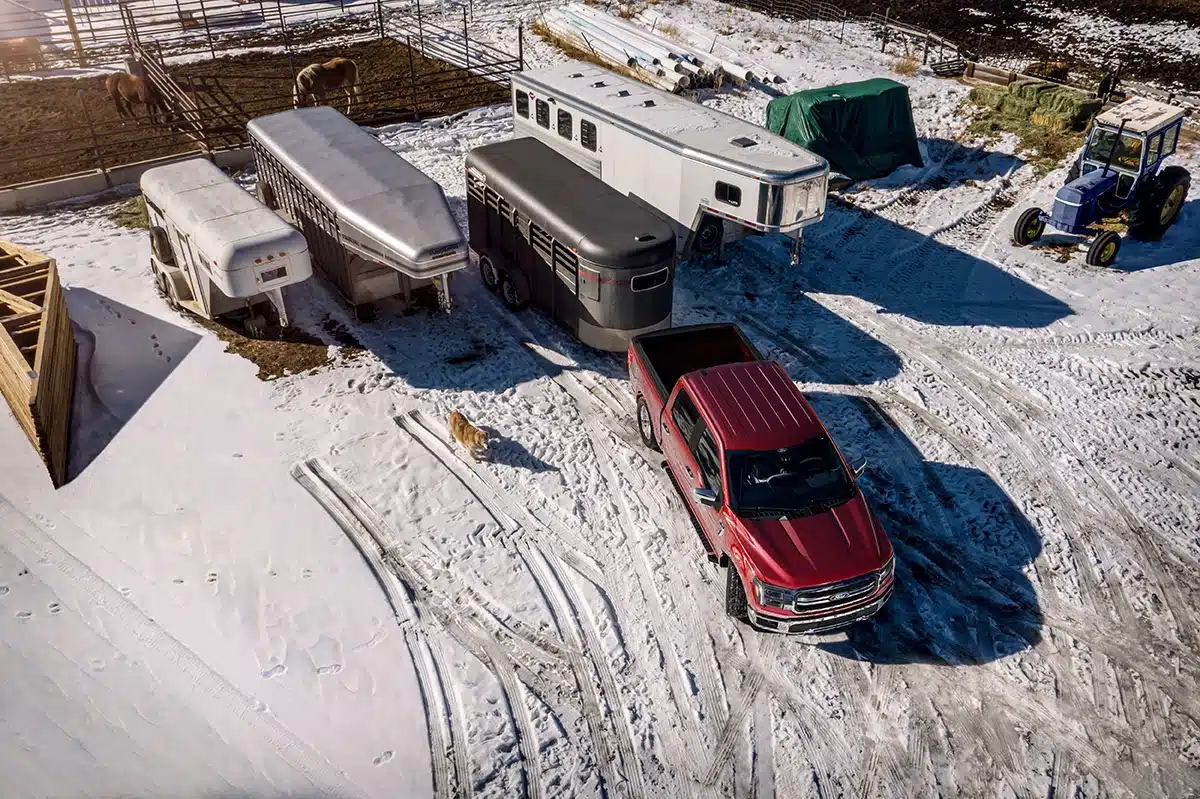
On paper, the most reliable engine on our list here is the Cyclone V6, but its most useful feature is of limited value to many buyers because high-ethanol fuel blends are not commonly available in many parts of the country. This engine also saw limited use in this generation of the F-150 compared to others on the list, so the known problems data is limited.
Our pick for most reliable engine in the F-150’s lineup is the 2.7L Nano. Most of this engine’s problems were in early production and have been resolved. Any 2023-present F-150 with this engine is likely largely trouble-free in terms of its powerplant.
The Nano has limits, of course, due to its overall size and output. If towing over 6,000 pounds is something you do regularly, the 2.7L probably is not a good fit for you. In that case, we’d recommend the PowerBoost found in the F-150 Hybrid model. Most of its listed problems are software-related and have been largely vetted. The overall convenience and usefulness of this truck are hard to ignore. From efficient daily driver to jobsite generator, it’s got a lot of upsides.
Should You Buy One?

The F-150 is our highest-rated truck for overall reliability right now. So, we definitely recommend it. Our choice would be either the 2.7L Nano or 3.5L PowerBoost hybrid. Either of these engines is an excellent, largely trouble-free choice for this truck.
You can find out more of what to expect overall from the F-150 on its Known Problems breakdown here. If you’re considering a new model, you can find the changes made for the 2027 model year here.