Are turbocharged truck engines less reliable than traditional V8s? It’s one of the most common questions truck buyers ask as automakers replace larger naturally aspirated engines with smaller turbocharged powerplants. Many owners still remember turbocharged engines from decades ago that developed reputations for lag, heat and durability concerns.
To find out whether those concerns still apply, we combed through several interviews over the years to give you a complete picture on what engineers responsible for developing engines at Ram, Jeep and Chevrolet had to say. While each company builds its engines differently, all three engineers delivered the same message: today’s turbocharged truck engines are engineered around boost from the very beginning, not adapted to it later.
Ram Engineer: Modern Turbo Engines Are Purpose-Built

Alan Falkowski, Stellantis Director of Propulsion Systems, said many concerns surrounding turbocharged engines stem from older designs that simply added a turbocharger to an existing naturally aspirated engine.
Today’s engines, he explained, are developed much differently.
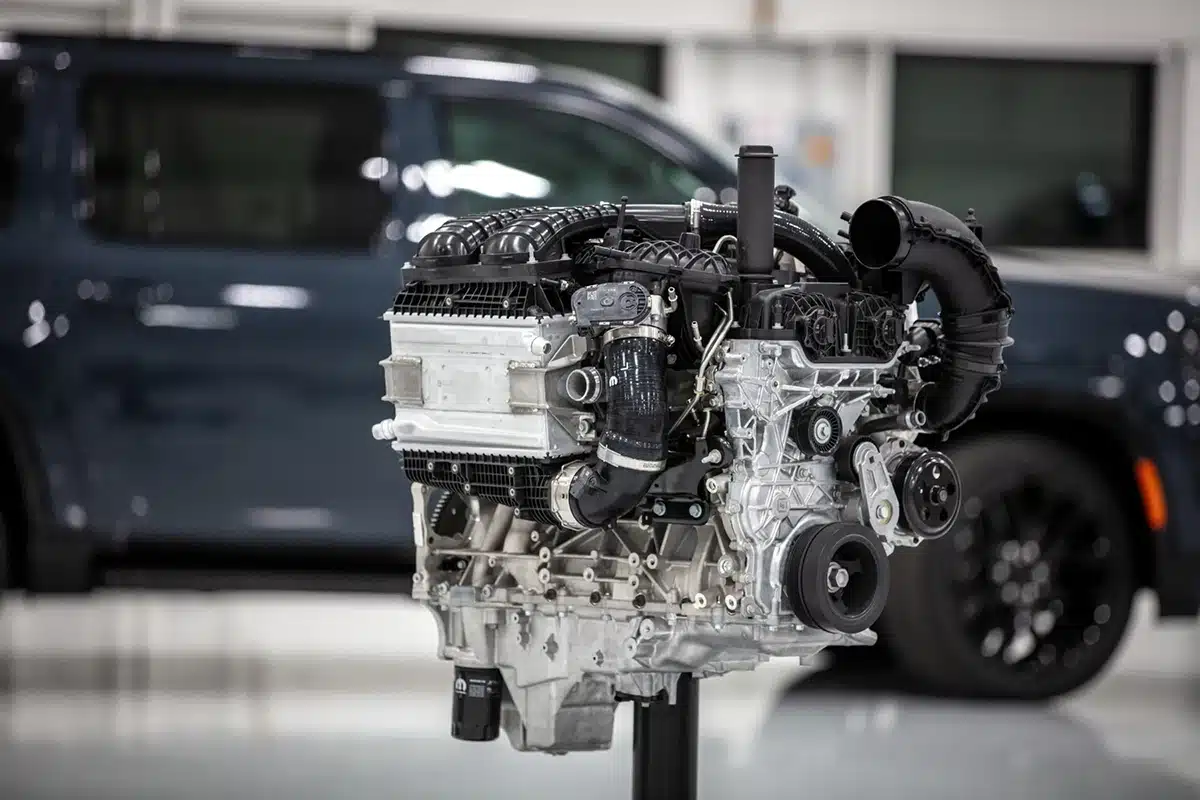
Instead of designing an engine first and adding a turbo later, engineers establish the desired horsepower, torque and durability targets before calculating cylinder pressures, temperatures and cooling requirements. Every major component is then engineered specifically to withstand those loads throughout the engine’s life.
Falkowski also noted that this philosophy isn’t new.
Diesel engines have operated under high cylinder pressures for decades, and many of the same engineering principles used to make turbocharged diesel engines durable have been applied to modern gasoline turbo engines.
The result, according to Falkowski, is an engine designed around boost from day one rather than one asked to tolerate boost after the fact.
Jeep Engineer Shows What “Designed for Boost” Actually Looks Like
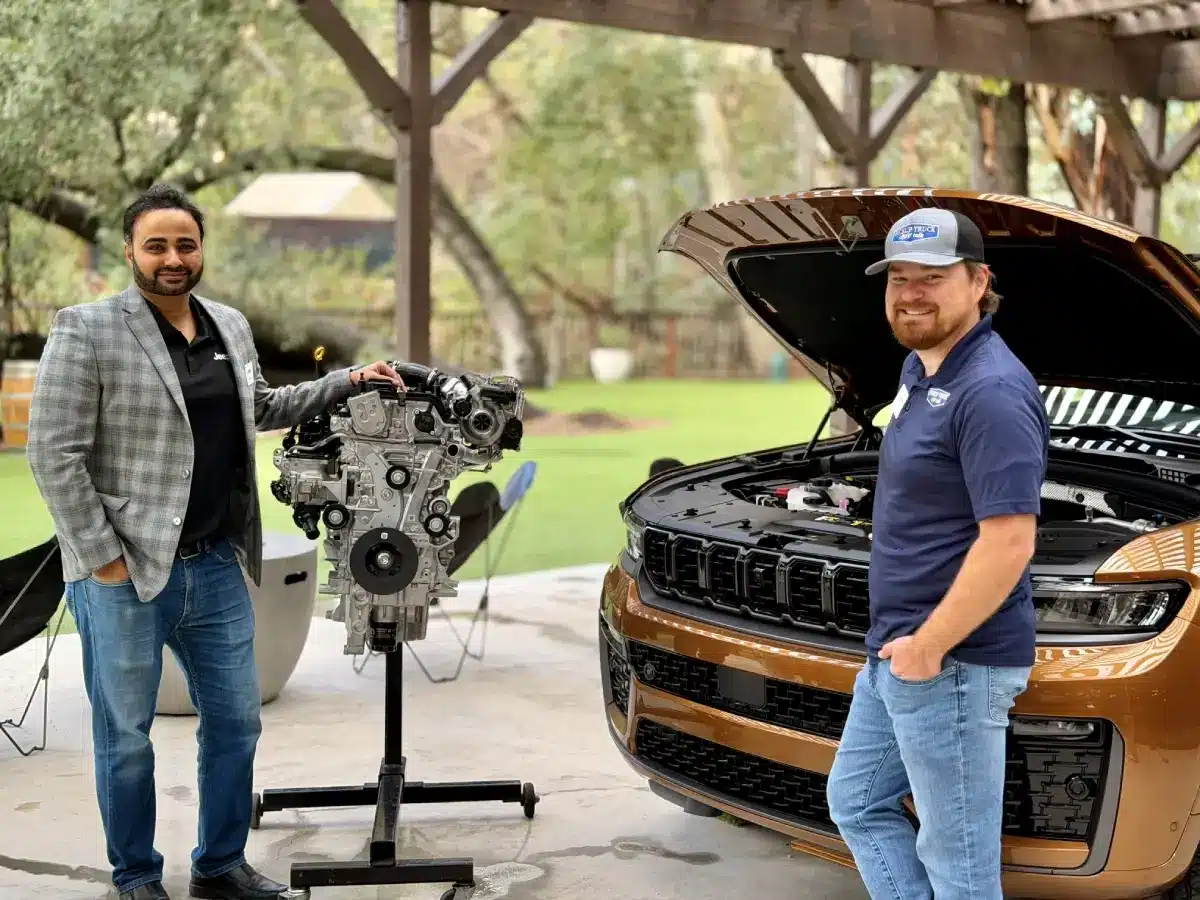
Ashish Dubey, chief engineer for Jeep’s all-new Hurricane 4 engine, offered a behind-the-scenes look at what purpose-built engineering actually means.
According to Dubey, the Hurricane 4 was developed on an entirely new architecture because engineers didn’t want customers choosing between power, fuel economy and durability.
Nearly every major component is new.
Among the upgrades are:
- Spray bore cylinder coating instead of traditional iron liners
- Cylinder walls that are 24 percent thicker
- A larger crankshaft
- Larger main bearings
- A structural windage tray
- A structural oil pan
- A single-piece die-cast engine block
- A variable geometry turbocharger
- An electronically controlled water pump for improved thermal management
Dubey said every structural component was analyzed and validated to survive higher cylinder pressures and temperatures over what he described as “tens of years” of customer use.
He also addressed one of the biggest misconceptions surrounding turbocharged engines.
“If you’re an engine guy” and add a large aftermarket turbocharger to an engine that wasn’t designed for it, that’s a very different situation, Dubey explained. Factory engineers understand peak cylinder pressures, temperatures and long-term fatigue before the first production engine is ever built.
Chevrolet Engineer: Durability Is Proven Before Trucks Reach Customers

General Motors Assistant Chief Engineer Mike Kosiba said Chevrolet follows the same philosophy, although customers rarely see the extensive validation work taking place behind the scenes.
“We have very aggressive durability cycles,” Kosiba said. “We have accelerated life tests where we pound these engines way harder than any customer could possibly do.”
Kosiba said the goal isn’t simply building an engine that survives its warranty period.
“As a powertrain engineer, my goal is to make sure that when this vehicle is done with it, that engine is still bona fide good,” he explained.
Kosiba also noted that turbochargers allow engineers to use smaller engines that still provide the torque truck owners expect while improving fuel economy and packaging. Rather than sacrificing durability, he said years of engineering advances in materials, validation testing and system integration have made today’s engines more reliable than many buyers realize.
Real-World Testing Has Backed Up the Engineering
Engineering explanations are one thing. Real-world proof is another.
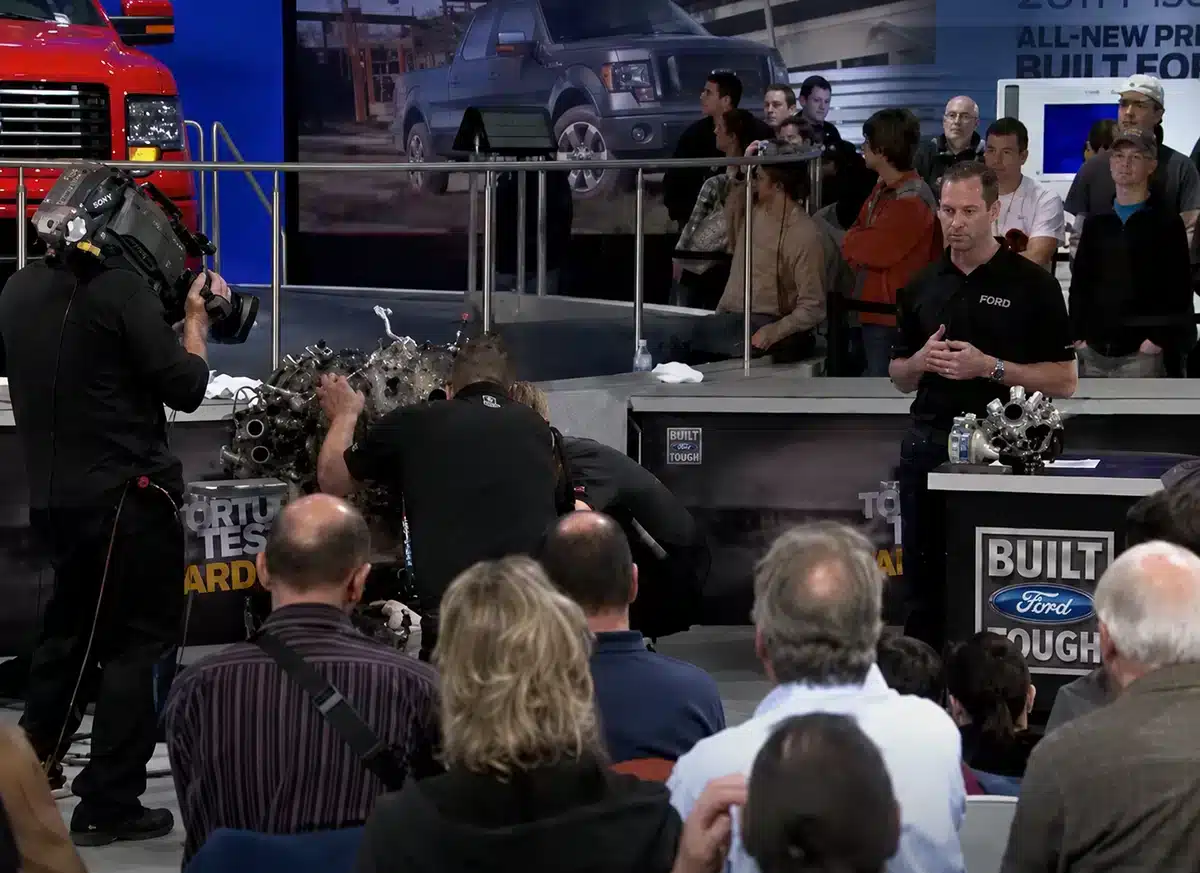
One of the best-known examples came from Ford’s EcoBoost development program. Long before turbocharged engines became commonplace in pickup trucks, Ford subjected its EcoBoost V6 to an extensive durability program that included dyno testing, towing, racing and eventually a public engine teardown.
When engineers disassembled the engine after the equivalent of more than 165,000 miles of severe use, wear remained within factory specifications, helping demonstrate that a turbocharged truck engine designed from the ground up for boost could deliver long-term durability.
You can read our full breakdown here: The Famous Ford EcoBoost Teardown Test 15 Years Later: It Proved Durability, But the Debate Over Oil, Carbon Buildup and Turbo Life Continues.
What This Means for Truck Buyers
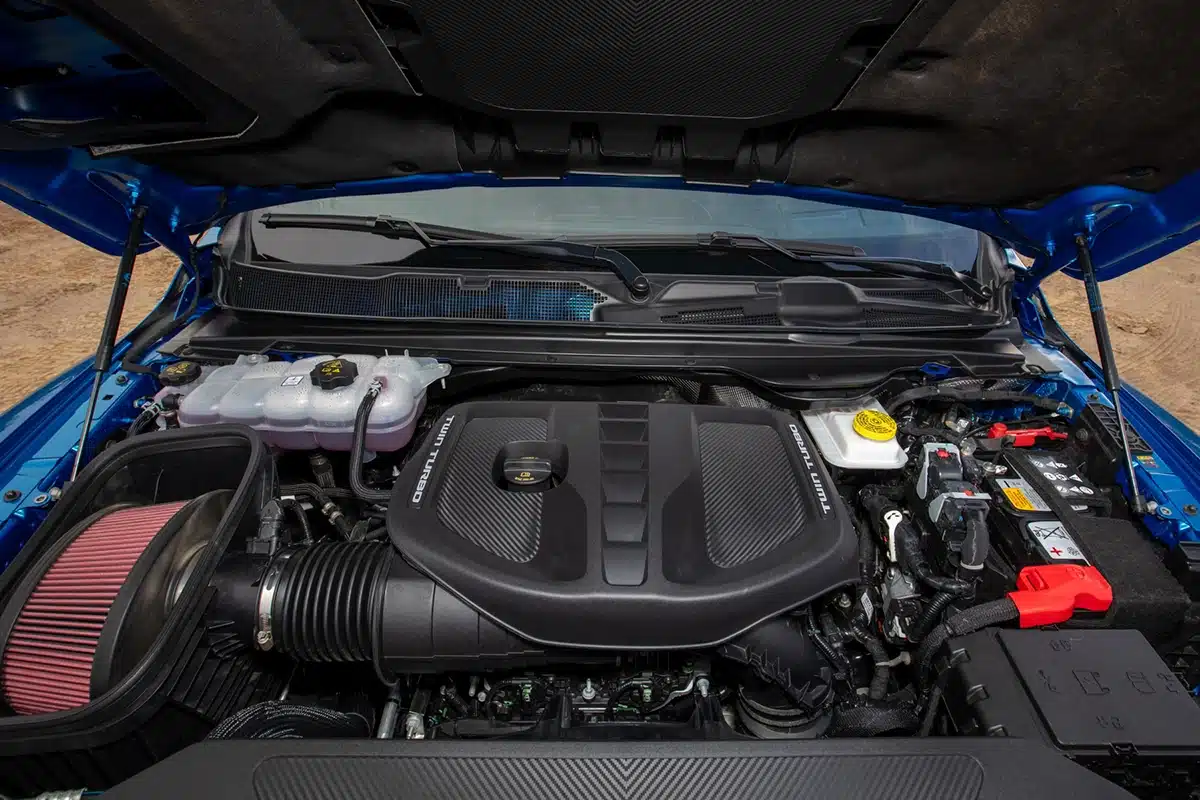
Turbocharged engines continue to spark debate among truck owners, especially as traditional V8s become less common. While skepticism remains understandable, the engineers behind Ford, Ram, Jeep and Chevrolet’s latest powertrains all described the same development philosophy.
Modern turbocharged truck engines aren’t naturally aspirated engines with turbochargers bolted on later. They are designed around higher cylinder pressures from the beginning, with stronger engine structures, advanced cooling systems, extensive durability testing and years of engineering validation before customers ever take delivery.
Whether that completely changes public opinion remains to be seen.
But after speaking with engineers over the years from competing manufacturers, one thing becomes clear: despite different engine designs and different engineering solutions, they all agree on one point. Modern turbocharged truck engines are built from the ground up to deliver both performance and long-term durability.
Plus, if you look at the look at the most recent widely reported failures like the 3.4-liter Tundra engine or the various issues from GM or Ford, it isn’t the turbocharger itself that has failed. And naturally aspirated V8 engines have also had issues as well. You can’t just say turbocharged engines by themselves are less reliable. The facts don’t add up.