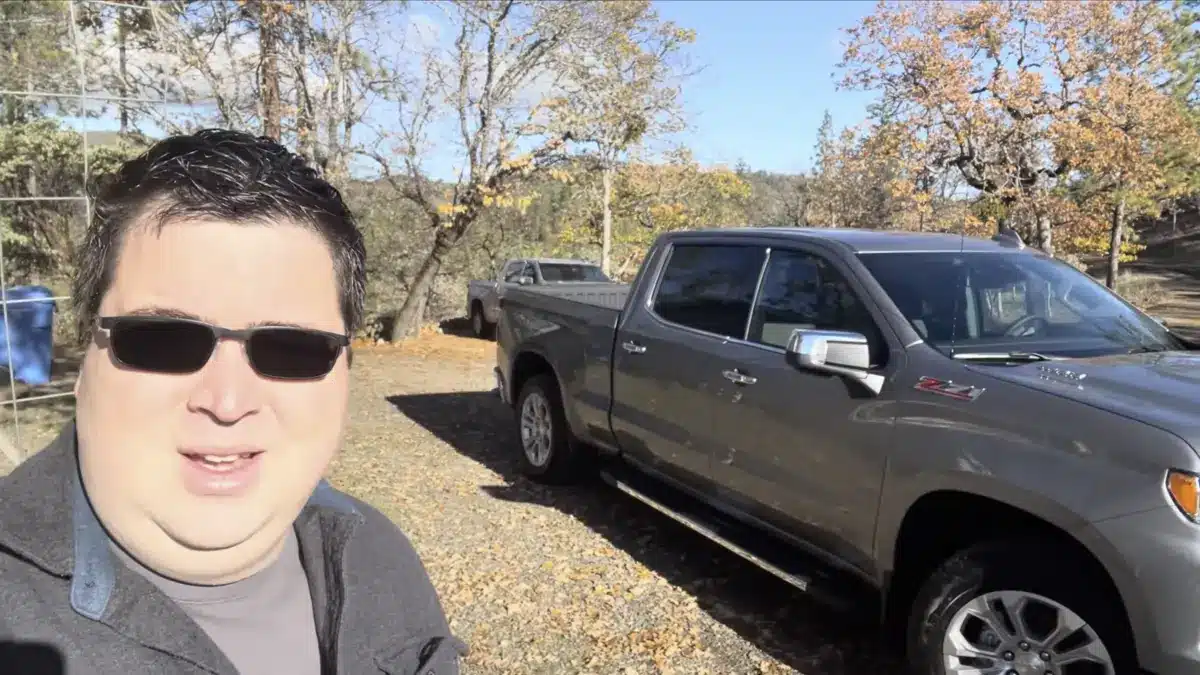
A Chevy Silverado 3.0L Duramax owner review gets much more useful when the odometer has rolled past the honeymoon period. The owner of this 2020 Silverado 1500 LTZ Z71 says his truck was approaching 120,000 miles when he recorded an eight-minute rundown of the good, the bad and the one “ugly” habit he watches closely.
His experience is not trouble-free. The truck needed a radiator, a water pump, what he recalls was an EGR cooler and several glow plugs. Even so, his answer to the most important long-term ownership question is decisive: He liked the truck enough to replace it with another one.
Why this Silverado 3.0L Duramax owner still loves the truck
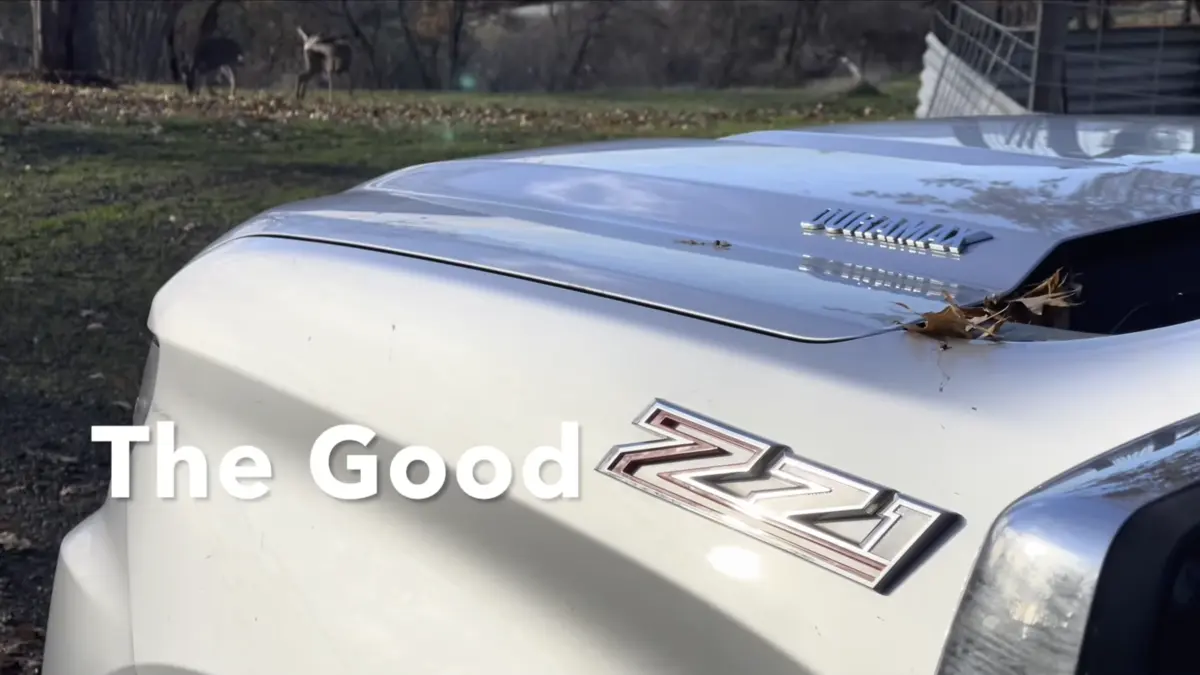
Fuel economy leads the owner’s list of positives. He says the full-size, four-wheel-drive truck generally returns 26 to 28 mpg. His best result was 33 mpg on a trip of more than 400 miles. His driving includes plenty of highway travel, some city use and substantial idling during roadside meetings, so the number is a real-world average rather than a single carefully managed economy run.
He also calls the Z71-equipped truck capable enough for hunting and moderate off-road use. The Silverado’s length limits its approach and departure angles compared with a shorter dedicated off-roader, but it has handled the woods and trails he asks it to travel.
The quieter diesel character is another standout. He says people have occasionally warned him that he was parked at a diesel pump because they assumed the nearly silent truck was gasoline-powered. At 6 feet, 3 inches tall, he also finds the Silverado comfortable for long drives.
Most important, he says the engine is stock. There are no performance modifications or emissions-system changes muddying the ownership record. This is one owner’s experience with a factory truck that accumulated miles through ordinary work and travel.
What broke before 120,000 miles
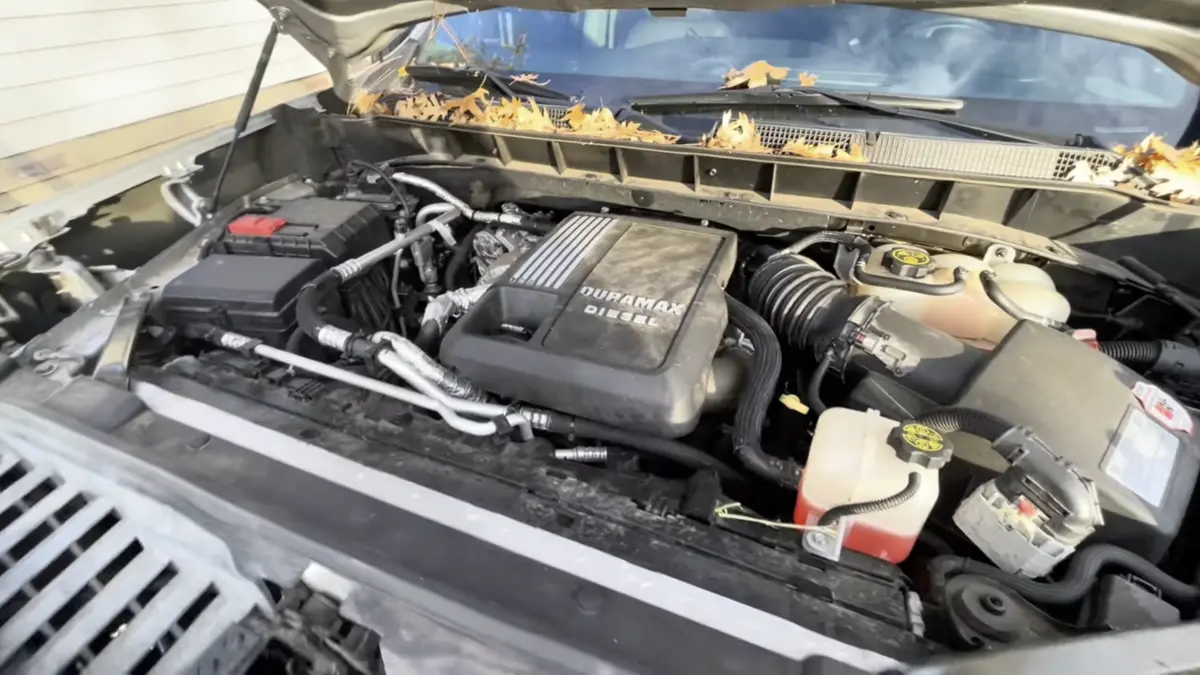
The cost story changes at about 50,000 miles. The owner says he had noticed a faint coolant smell for some time before a dealer pressure-tested the cooling system and found a leaking radiator. Because the radiator was not covered as a powertrain component, he paid for the replacement himself. He does not state the repair bill in the video, but calls it his only notable out-of-pocket repair beyond oil, transmission, differential and other fluid services.
A second coolant leak appeared shortly before 100,000 miles. This time the water pump was beginning to weep. The repair was completed under the truck’s powertrain warranty. He says the dealer also replaced what he believes was the EGR cooler during the same visit, again under warranty.
He also recalls replacing three or four glow plugs after fault codes appeared. Those repairs were covered as engine components. The warranty coverage matters to his verdict: The truck experienced several component failures, but most did not become direct repair bills.
There were smaller annoyances, too. A rear headrest rattled badly enough that he removed it, and he describes a slight high-speed shimmy on imperfect pavement. Neither issue changed his overall opinion of the truck.
The “ugly” part is oil consumption
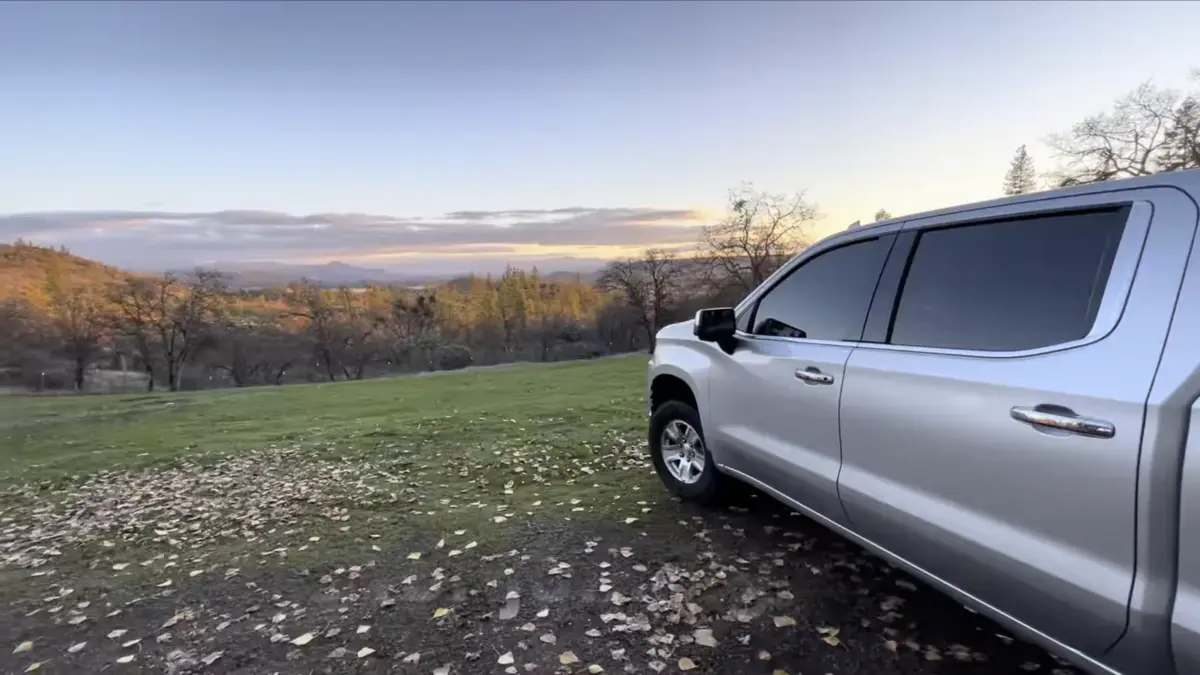
The owner’s biggest concern is oil use between changes. He does not describe clouds of smoke or a dramatic failure. Instead, he says the level drops enough that owners should monitor the dipstick and top off the oil when necessary.
He had been using Mobil 1 synthetic oil marketed for intervals of up to 15,000 miles, but says he would rethink that approach if starting over. His lesson after 120,000 miles is simple: Do not assume an extended-mileage oil means the level can be ignored for an extended period.
This owner’s experience lines up with a documented concern. GM technical service bulletin 21-NA-272 addresses oil consumption in vehicles equipped with the LM2 3.0L Duramax, the engine used in this 2020 Silverado. The bulletin says the accepted rate for a personal-use vehicle driven non-aggressively, maintained on schedule and operated unloaded at legal speeds is 1 quart per 2,000 miles. Under aggressive, high-RPM, high-speed or loaded operation, the bulletin says the accepted rate is 1 quart per 1,000 miles.
That threshold does not make oil use inconsequential. Losing a quart between checks can become a real concern, particularly when an owner stretches the drain interval or regularly tows and hauls. We previously reported on GM’s accepted 3.0L Duramax oil-consumption rate and bulletin 21-NA-272. The practical takeaway from both stories is the same: Check the level regularly, document how quickly it drops and involve a dealer if the consumption appears excessive.
Owners considering the diesel should also understand the maintenance that is normal for a modern emissions-equipped engine. Our guide to 3.0L Duramax DEF, regeneration and maintenance explains the operating habits that can help buyers avoid surprises.
Would he buy another 3.0L Duramax Silverado?

Yes, without hesitation. When his employer purchased a new vehicle for him, he ordered what he describes as the exact same truck, only four years newer. “One hundred percent, absolutely” is his answer to whether he would buy the 3.0L Duramax Silverado again.
That conclusion gives this owner review its value. A 120,000-mile truck can have a leaking radiator, a water pump repair, glow-plug replacements, a rattle and oil use, yet still earn a repeat purchase. The owner believes the fuel economy, quiet operation, comfort and overall capability outweigh the repairs he encountered.
It is also a useful counterpoint to discussions that focus only on failure reports. Buyers should not ignore documented concerns, but they should compare them with high-mileage ownership outcomes and the maintenance history of the specific truck they are considering. For more background on the engine’s design and service questions, see our interview with a GM Duramax lead engineer.