
I had owned gas trucks my entire life before buying a 2023 Chevrolet Silverado 1500 High Country with the 3.0L LZ0 Duramax diesel.
Like many first-time diesel buyers, I had questions about oil changes, DEF, regen, short trips, fuel additives and the infamous oil pump belt.
After thousands of miles, several long towing trips and conversations with GM engineers, here’s what I learned about owning the 3.0L Duramax.
First, This Isn’t Your Grandpa’s Diesel
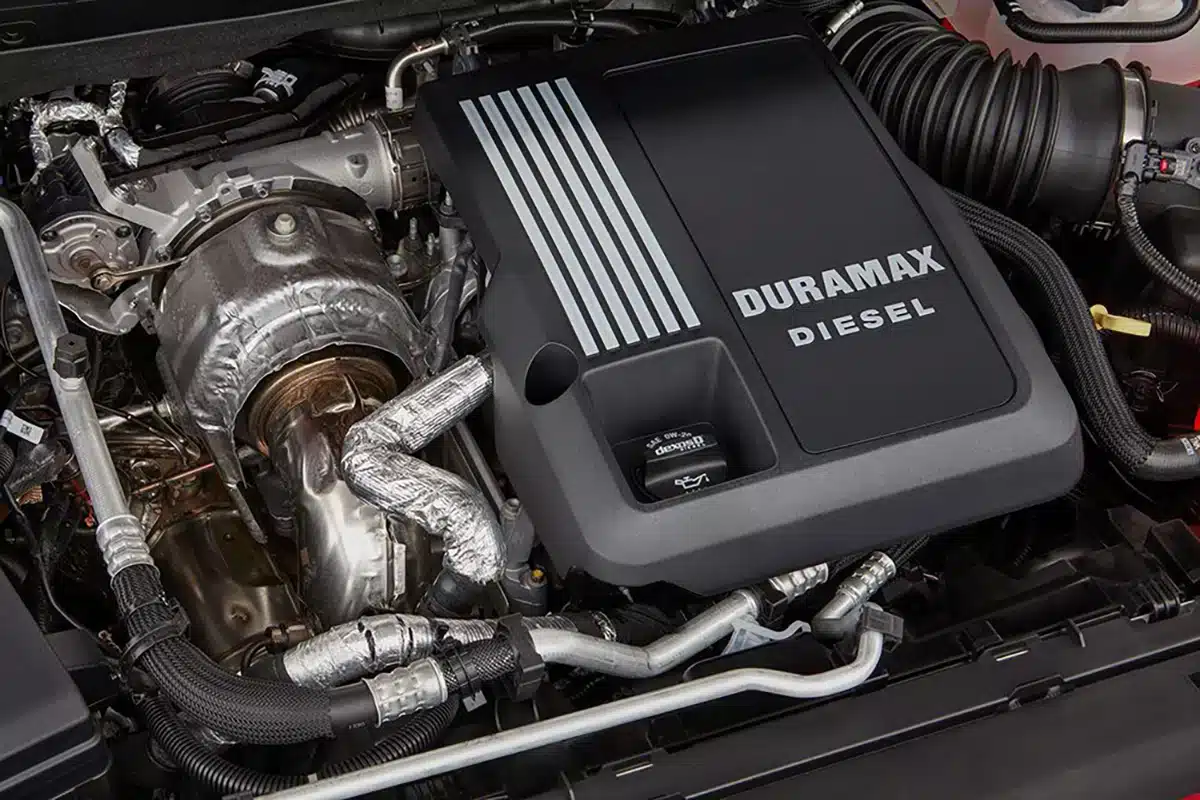
One mistake I see people make is assuming every diesel behaves like the loud, smoky pickups from 20 years ago.
The 3.0L Duramax is completely different.
It’s a turbocharged inline-six designed primarily for efficiency. Yes, it will tow. In Silverado 1500 applications, it’s rated for more than 13,000 pounds when properly equipped. In SUVs like the Chevrolet Tahoe, it’s capable of towing around 8,000 pounds.
But this engine wasn’t built to win towing contests.
It was built to deliver excellent fuel economy while providing effortless low-end torque and quiet operation.
That’s why GM continues expanding the engine into more vehicles, including the 2027 Silverado Work Truck.
The Fuel Economy Is What Sold Me
Everybody talks about towing.
Owners talk about fuel stops.
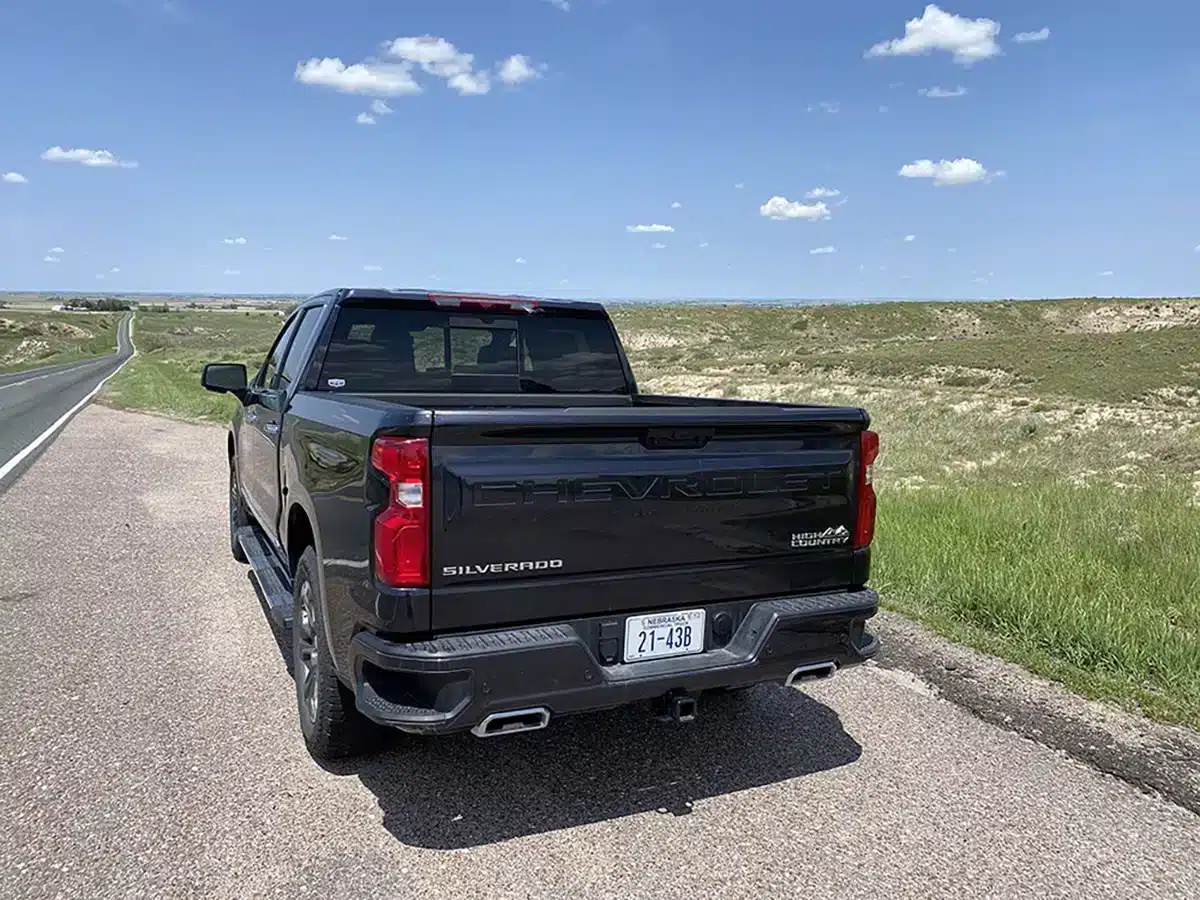
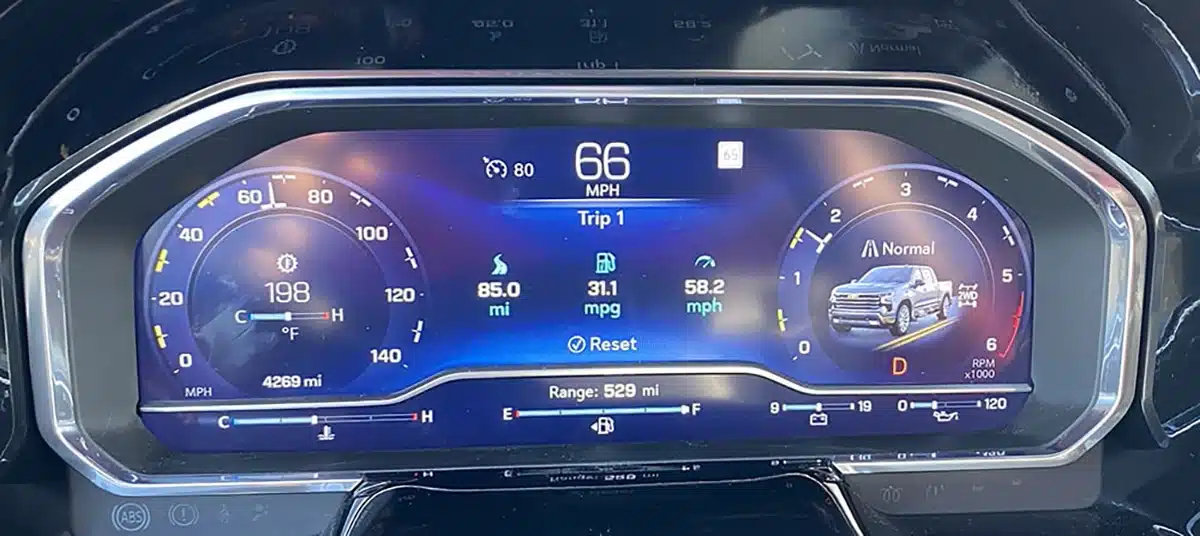
During my ownership, seeing fuel economy in the mid-20 mpg range during everyday driving became normal. On highway trips, I regularly saw around 30 mpg.
Think about that for a moment.
This is a full-size 4WD pickup truck capable of towing more than 13,000 pounds while returning fuel economy many midsize SUVs would be happy to achieve.
Yes, diesel fuel usually costs more than gasoline.
But I also stopped buying fuel nearly as often. That means fewer chances of buying that soda, the protein bar, the bags of chips, etc… That adds up.
On road trips, I’d usually need a bathroom break before I needed diesel.
That changes the ownership experience more than most people realize.
Regen Isn’t Nearly As Scary As The Internet Says
If you spend any time reading forums, you’ll think regen is something you need to constantly monitor.
A regen is when the truck’s engine heats up to burn out the soot buildup in the Diesel Particulate Filter (DPF).
This component of the diesel emissions system reduces NOx gases from the exhaust system and is part of the EPA’s Tier 4 requirement for reducing air pollution.
Many people have lots of concerns over this part of the truck because the DPF can get plugged up if the regen process doesn’t fully complete. They also say regen stinks. So be prepared for that, right?
That wasn’t my experience.
Before buying the truck, I even installed a Banks iDash so I could monitor exactly when regeneration occurred.
After a year of ownership, I rarely looked at it.
Here’s why.
If you happen to shut the truck off during a regeneration cycle, it simply lets you know to continue driving or resumes the process the next time you start the truck.
It never became something I worried about.
In fact, it became such a non-issue that I eventually stopped checking the iDash altogether. I also never smelled it and I might have noticed it once or twice, maybe. Such a non-issue.
DEF Was Another Surprise

People have such strong opinions about diesel exhaust fluid.
You’ll hear all sorts of things about it and theories about it. I know, I have read every single one of them throughout the years of running a media outlet with a public comment section on YouTube, our forum, and social media channels.
I was ready for DEF to be a HUGE issue. The problem is, it really wasn’t a big deal.
For normal driving, I forgot about it.
Every several thousand miles I’d buy a jug for $10 or so, pour it into the DEF tank and move on with life. Sometimes diesel pumps had it right there at the pump.
The only time I really noticed DEF consumption was while towing.
During a 2,000-mile towing trip, I used several jugs of DEF.
That’s simply part of towing with this diesel.
If you’re buying this engine primarily as a commuter or family road-trip vehicle, DEF usage isn’t likely to become something you think about very often.
Oil Changes Cost Less Than I Expected
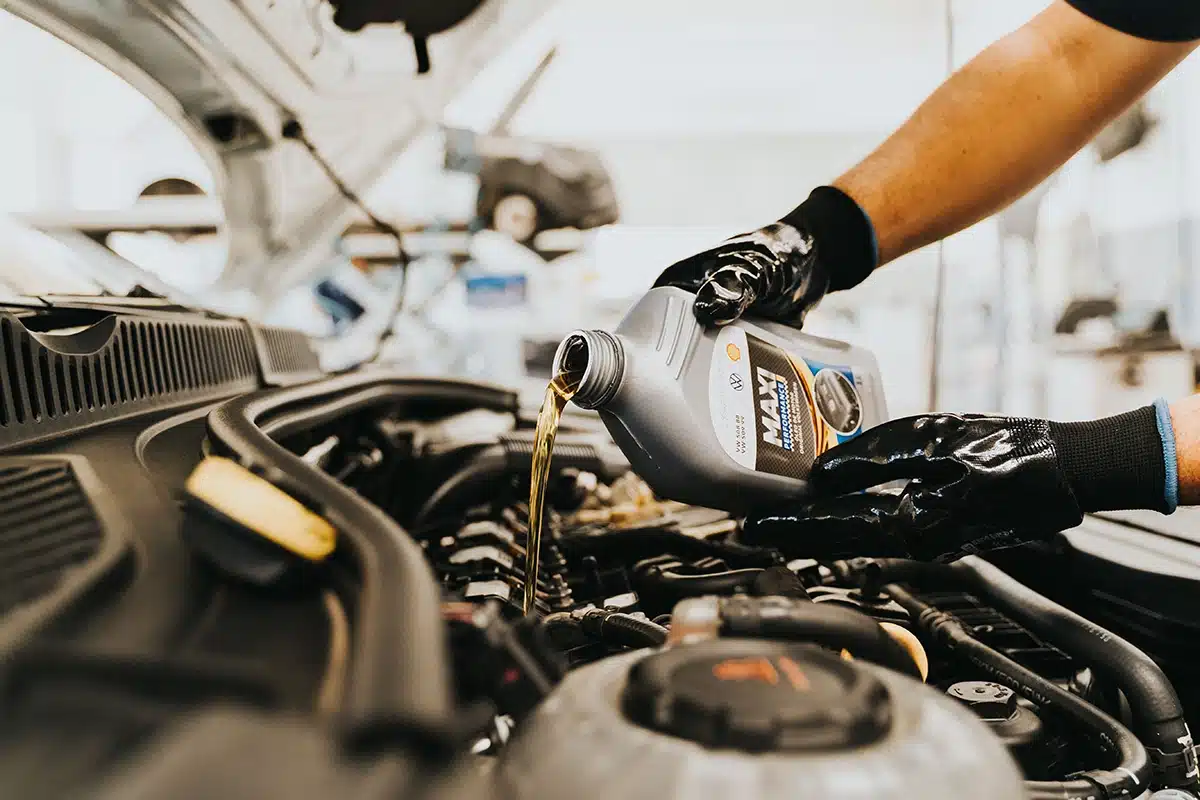
Another myth I heard before buying the truck was that diesel maintenance would be dramatically more expensive.
It wasn’t.
My dealership oil changes were roughly $20 to $30 more than comparable gasoline trucks.
Considering how much fuel I was saving and the savings from skipping the gas station grab-and-go foods, that additional maintenance cost hardly registered.
Stop Idling It

This may be the biggest mistake modern diesel owners still make.
Older diesel engines were commonly left idling for extended periods.
Modern emissions-equipped diesels are different.
Multiple engineers and mechanics have told me the same thing: excessive idling creates more problems than it solves.
When a diesel spends long periods idling, it can’t generate enough heat to properly complete regeneration cycles.
If you’re parked, shut it off.
Your engine will thank you.
You Probably Don’t Need Fuel Additives, But They Can Help

Another question I frequently receive is whether diesel owners should use a fuel additive at every fill-up.
I didn’t, but now I wish I had tried one.
If you buy diesel from busy, reputable stations, the fuel should already contain detergents and other additives. I followed that approach and never experienced a fuel-related problem with my Duramax.
Still, even careful owners can occasionally end up with questionable fuel. After selling my truck, which is part of my normal business model, I visited Power Service Products in Weatherford, Texas. I saw firsthand how the company develops and tests its products using repeatable laboratory procedures.
The results from its diesel injector and DPF treatment caught my attention. Power Service Products Chemist Jessica Crabtree said the product can help keep injectors and the DPF cleaner, reduce the frequency of regens and potentially improve fuel economy up to 10%. Even more interesting to me, its test vehicle uses the GM 3.0L Duramax diesel.
My advice remains to buy fuel from reputable, high-volume stations. However, I’m now open to trying an additive and tracking the results myself. At about $16 to treat up to 40 gallons, and with one treatment advertised to last a month, I think it’s worth a shot.
For those wondering, here is some hypothetical math based on 1,000 miles driven in a month with diesel at $4 a gallon:
Without the additive
- 1,000 miles ÷ 25 mpg = 40 gallons
- 40 gallons × $4 = $160 per month
With a 10% fuel-economy improvement
- 25 mpg × 1.10 = 27.5 mpg
- 1,000 miles ÷ 27.5 mpg = 36.36 gallons
- 36.36 gallons × $4 = $145.45
- Add $16 for the additive = $161.45 per month
If one bottle covers a full month of driving, the more miles you travel, the more the math could favor the additive. Actual savings will vary based on driving habits, fuel prices, weather, the size of the fuel-economy improvement and how long the treatment remains effective.
Cold Weather Really Isn’t A Problem

Living in western Nebraska means cold weather isn’t hypothetical; it’s a fact. Many people remember the old days of diesel engines in the winter.
What does that mean? I’ve had more than one farmer stop me with a new diesel truck to ask, “Do you still have to plug them in during the Winter?”
Plugging them in to a household outlet to activate the block heater was the only way to hope the diesel would start in the morning.
What about the GM 3.0L Duramax diesel?
I’ve started the truck in temperatures below zero.
GM recommends plugging the engine in during extremely cold weather, and doing so certainly helps.
However, I also accidentally forgot to plug it in during one particularly cold morning.
The truck still started.
It idled a little rough initially but quickly smoothed out once everything reached operating temperature.
Yes, The Oil Pump Belt Exists

Let’s address the elephant in the room.
The oil pump belt.
This is a belt that is mounted on the rear of the engine, sits in oil (the “wet” part of it) and must be inspected at either 150,000 miles for 2020-2022 models (LM2) or 200,000 miles for 2023+ (LZ0) models. This inspection requires significant labor because the transmission must be removed.
No, that isn’t ideal.
When I interviewed GM Assistant Chief Engineer of Diesel Engines John Barta, he explained the belt wasn’t chosen because engineers preferred it over a chain.
It was chosen to meet strict interior noise targets.
He also pointed out modern belt materials are dramatically more durable than older designs.
Will some owners eventually pay a sizeable repair bill? Yes, as we reported, this repair bill can be $1,500-3k depending on the repair shop.
This issue depends on how you look at it. If you drive 15,000 miles a year, that’s once every 10 years for the LM2 or once every 13.5 years.
My Biggest Surprise

The biggest surprise wasn’t fuel economy.
It wasn’t towing. It wasn’t even how quiet the engine is. The biggest surprise was how normal the truck felt.
I drove it to the grocery store. I drove to the golf course. I towed campers. I took long road trips. I drove it through winter.
In other words, I treated it exactly like every gasoline truck I’ve ever owned.
That’s probably the biggest takeaway from my experience.
The bottom line
Modern diesel ownership simply isn’t as complicated as many people believe.
But if you value outstanding fuel economy, effortless towing, long highway range and one of the smoothest powertrains available in a half-ton truck, the 3.0L Duramax deserves a serious look.
After a year of ownership, I spent far less time worrying about regen, DEF and oil changes than I did enjoying the benefits of driving one. That’s probably the strongest endorsement I can give.