Shopping for a used pickup this winter? It’s a good time to start looking, but a low price won’t make up for a rusty frame or the wrong tow package. Before you put money down, here are four things worth checking on the truck itself.
The timing comes from iSeeCars, a car-shopping search site that publishes market research. It analyzed more than 42 million used-vehicle sales from 2025 through October 2026. December had 46.2% more deals than average, using a listing price at least 10% below estimated market value as its cutoff. That measures how often deals turned up, not the size of the discount. The published study doesn’t break out pickups, so don’t assume your local Tacoma or F-150 market follows the same pattern.
Compare trucks with the same equipment
A crew cab 4×4 with the engine you want and a short bed can cost more than a similar-looking truck with a smaller cab or two-wheel drive. Start with the same model year, cab, bed length, engine and drivetrain. Then compare mileage, trim, options and condition. At a dealer, ask for a written out-the-door price before you compare offers.
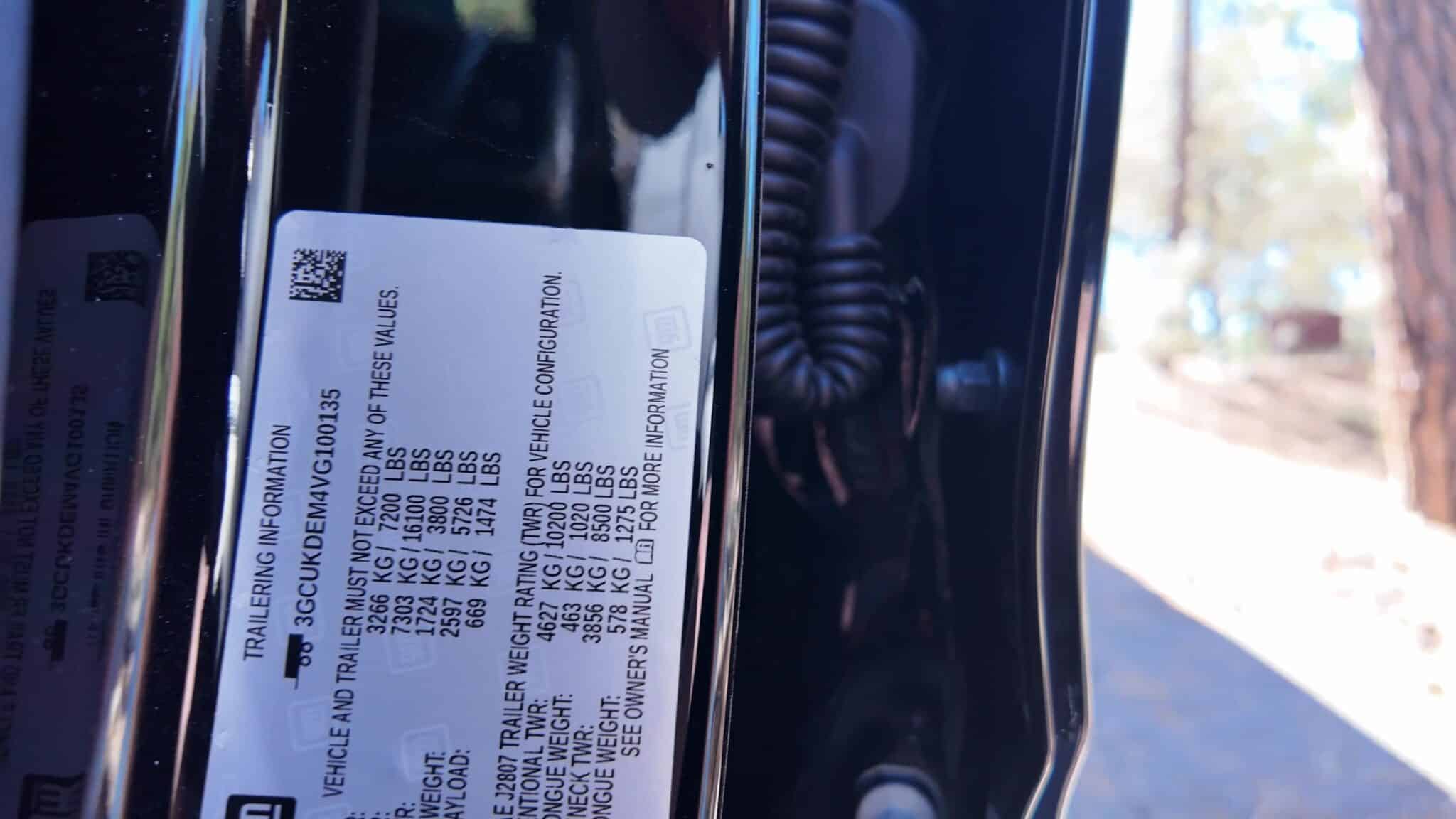
If you tow, ask for a photo of the labels in the driver’s door opening and check the truck’s actual equipment. The brochure’s maximum tow rating doesn’t tell you what that particular truck can carry. Passengers, cargo and trailer tongue weight all count against payload.
Get a look at the frame

A clean body doesn’t tell you what road salt did underneath. Ask a mechanic to put the truck on a lift, especially if it spent winters where roads are salted. Have them check the frame rails, crossmembers, suspension mounts and brake lines. Light surface rust can be cosmetic; heavy scaling, holes or corrosion around a mount need a closer look before you buy.
Fresh undercoating isn’t proof of a cover-up, but it’s worth asking when it went on and whether there are photos from before the work. If the truck is packed with snow or road slush, come back when the underside is clean enough to see.
Look for towing or plow wear
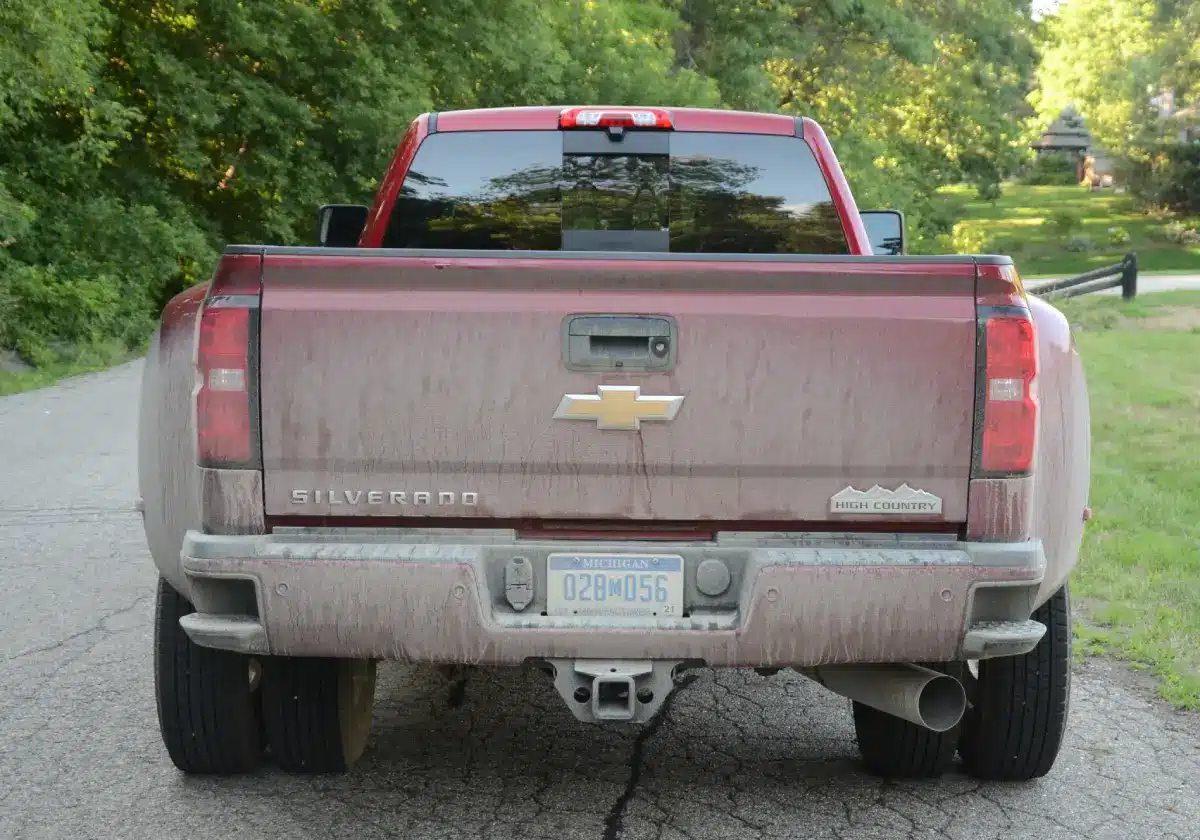
A used truck with a hitch isn’t a red flag by itself. Look for a worn receiver, a bed set up for a fifth-wheel or gooseneck, or a plow mount and extra wiring up front. Ask what the truck pulled, whether it plowed commercially, and what maintenance the owner did for that kind of use. Receipts for transmission, axle and transfer-case service are more useful than a seller saying it was “well maintained.”
Start it cold and take a proper test drive. Bring up any harsh shifts, brake vibration or driveline clunks with the mechanic doing your pre-purchase inspection. If the truck has four-wheel drive, verify it works on a suitable surface and according to the owner’s manual.
Check the VIN for open recalls
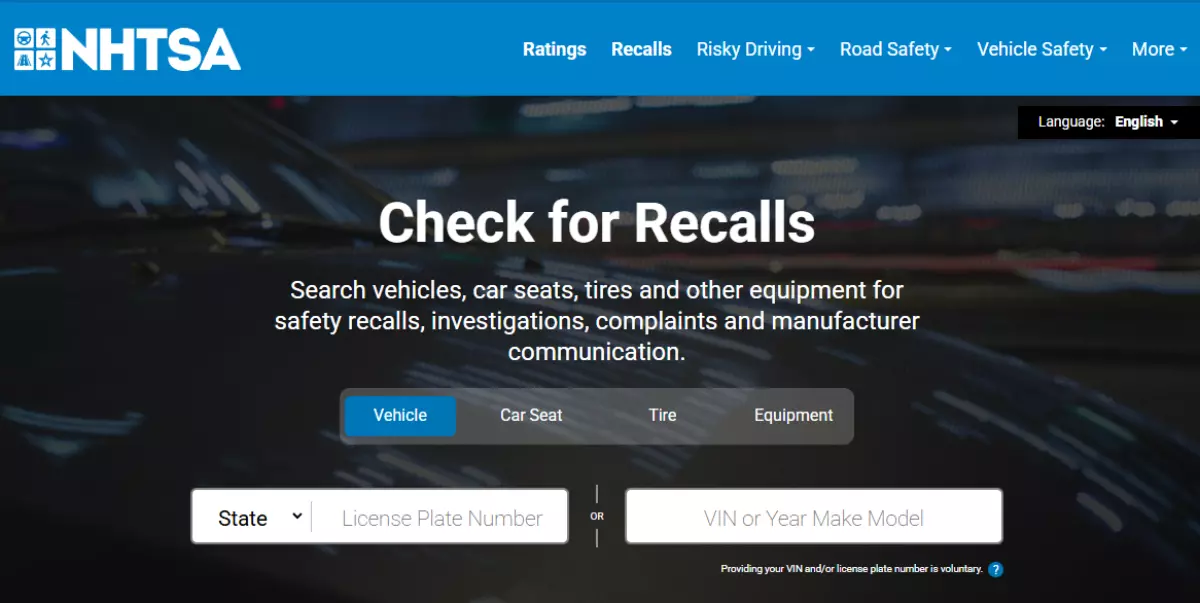
Run the truck’s VIN through NHTSA’s recall lookup before you commit. For an open recall, ask the manufacturer’s dealer whether a remedy is available and whether the work can be done before you take delivery. If the seller says it was fixed, ask for the repair order. Newly announced recalls may take time to appear for a particular VIN, so check the manufacturer’s lookup as well.
Once you’ve narrowed the list, use our Truck Reliability Center to look up the model years you’re considering. Then pay for an independent inspection of the actual truck. If the seller won’t allow one, keep looking.