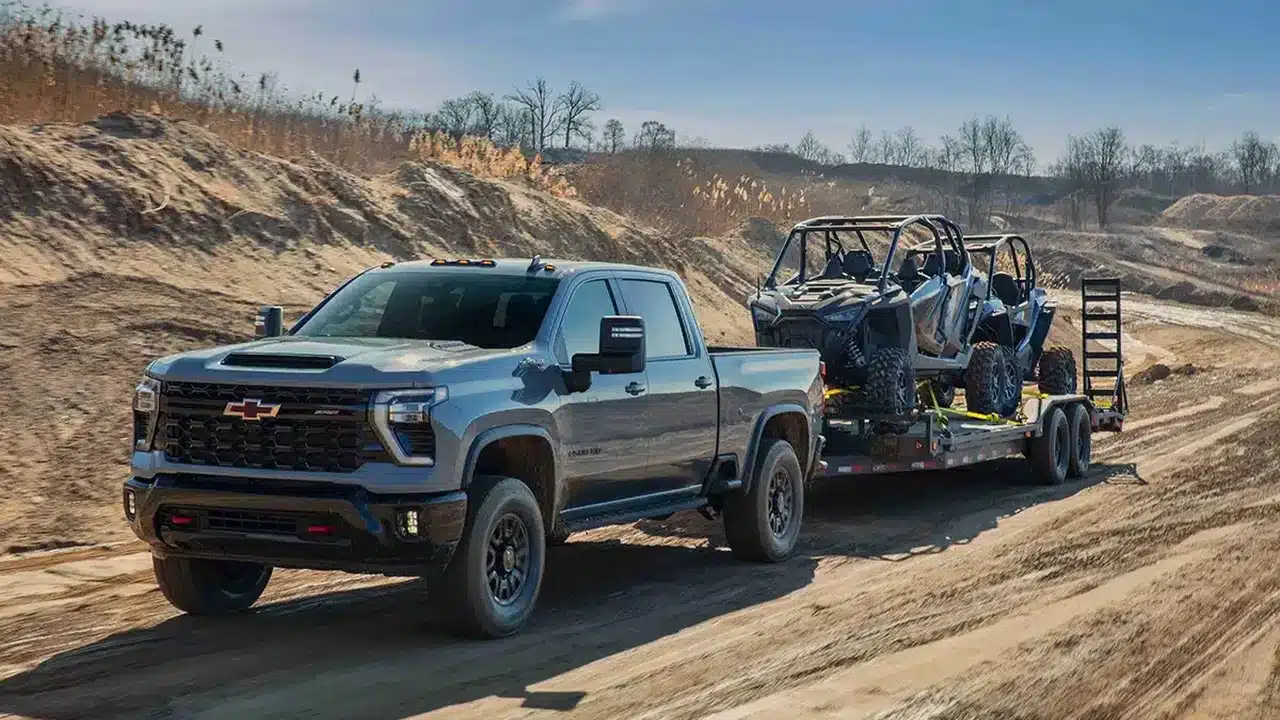
Could saving money on red-dyed diesel cost you a diesel truck warranty repair? A reader asked whether putting red fuel in his Chevy pickup would void its factory warranty. That sounds like a simple yes-or-no question. After comparing the manufacturers’ manuals, I wouldn’t give him either answer without explaining the conditions.
Ford explicitly warns against agricultural and nonhighway fuel. GM and Ram emphasize fuel specifications and damage exclusions, but the fuel sections reviewed do not explicitly approve dyed diesel. This comparison uses verified 2026 U.S. owner’s manuals and warranty booklets, including manuals shared with Canada. We have not retrieved the 2027 manuals. Tax permission also does not rewrite an automaker’s fuel rules: the Oct. 5 executive order directs temporary relief through Dec. 31, subject to Treasury and IRS conditions. See our earlier red-dyed diesel coverage for the tax issue. Here, the question is who pays if the fuel causes a problem.
GM HD 6.6L Duramax: Fuel compliance drives the warranty warning
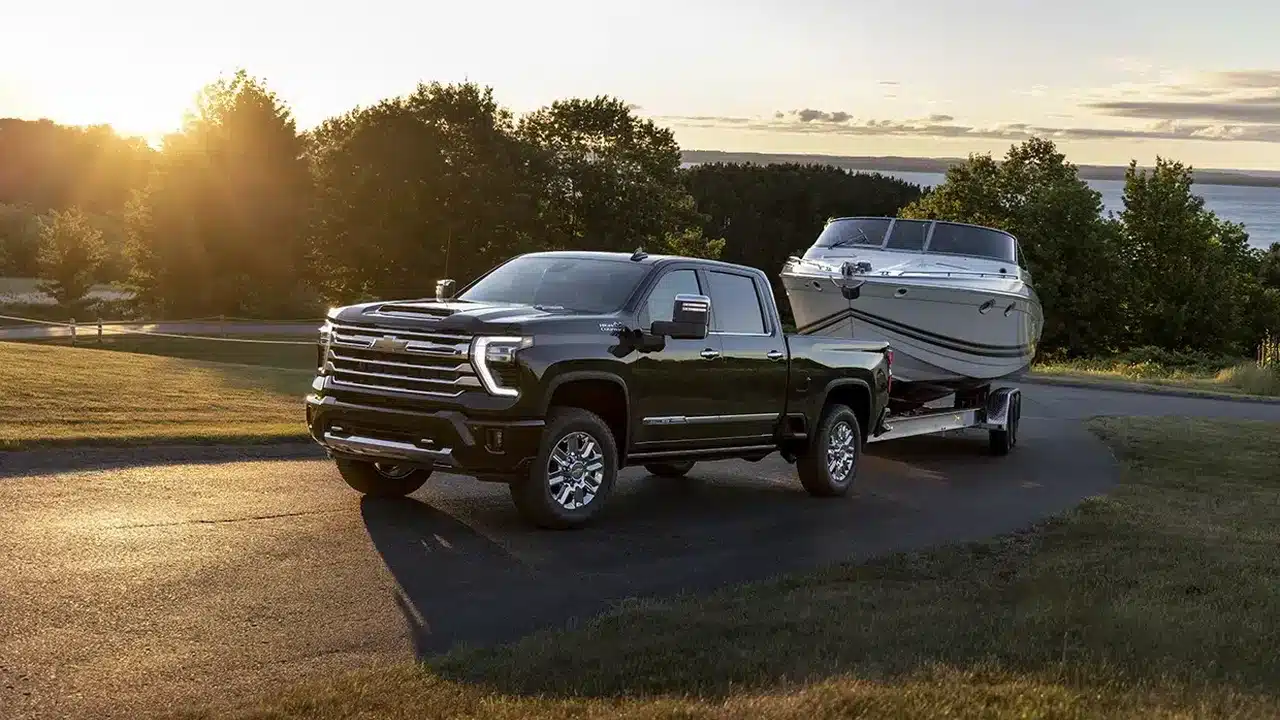
For Chevrolet Silverado HD and GMC Sierra HD owners, the 2026 6.6L Duramax supplement, printed pages 20–22, requires fuel that meets current local standards. It describes ultra-low-sulfur diesel as containing less than 15 parts per million sulfur and permits biodiesel blends up to B20, or 20% biodiesel.
GM warns that noncompliant fuel “may void your warranty.” It also excludes engine, fuel-system and exhaust-aftertreatment damage caused by blends above B20. The reviewed fuel section does not specifically mention red dye or off-road fuel. That silence is not permission to use whatever comes out of a red-diesel pump.
The Chevrolet warranty booklet, printed page 11, and GMC booklet, printed page 10, exclude damage associated with poor fuel quality or water contamination. Those are repair-coverage exclusions tied to damage. They do not establish that red color alone automatically cancels every part of the truck’s warranty. This section covers the 2026 6.6L, not the new 2027 8.3L Duramax.
Ford 6.7L Power Stroke: The clearest red-dyed diesel warning
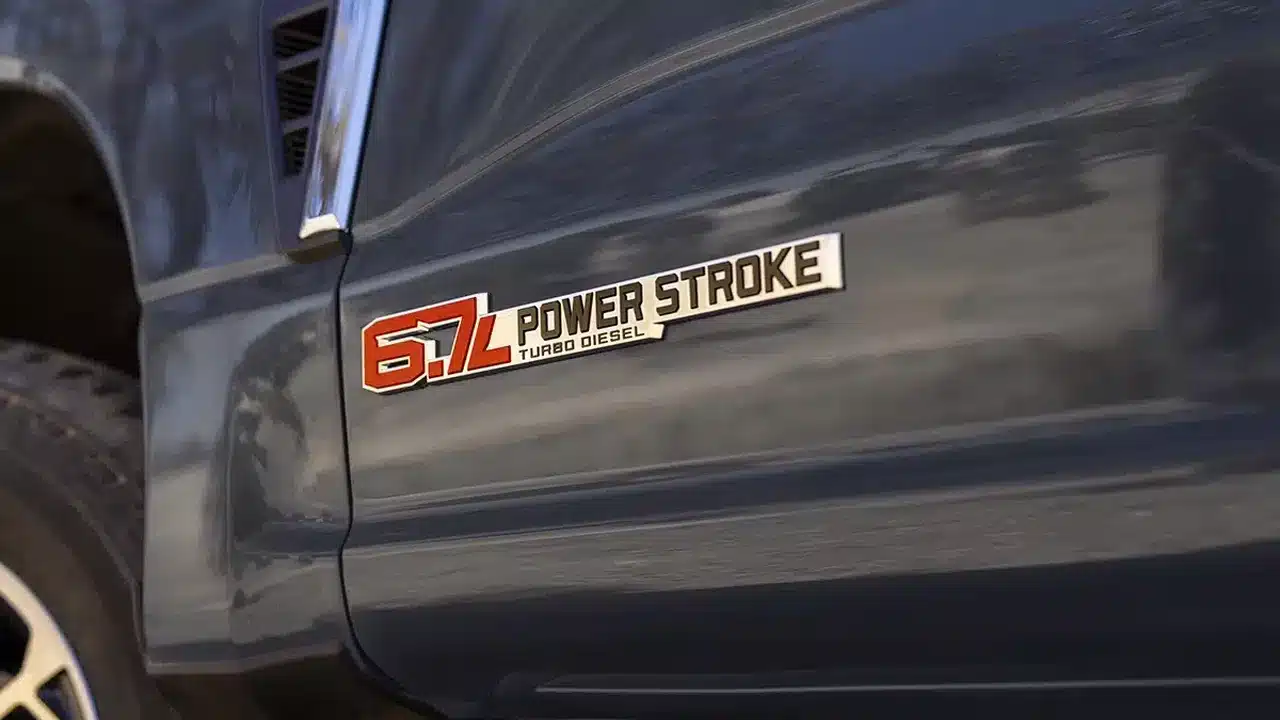
The 2026 Ford Super Duty manual, printed pages 211–212, is more direct. It tells owners not to use agricultural fuel or diesel intended for nonhighway use and identifies red dye as the marker for those fuels. Ford warns that improper fuel can damage the injection system, engine and emissions equipment.
Ford requires ultra-low-sulfur diesel with no more than 15 ppm sulfur. It specifies ASTM D975 diesel or ASTM D7467 for B6–B20 biodiesel blends and caps biodiesel at B20. The fuel instructions do not provide different red-diesel rules for the standard-output and high-output 6.7L Power Stroke engines.
The 2026 Ford warranty guide, printed page 16, excludes damage caused by contaminated or improper fuel. That supports concern about a fuel-related repair being denied, not a claim that every unrelated warranty item automatically disappears. Until Ford provides a specific written exception, I would not read temporary tax relief as overriding its explicit nonhighway-fuel warning.
Ram 6.7L Cummins: Fuel standards and maintenance both matter
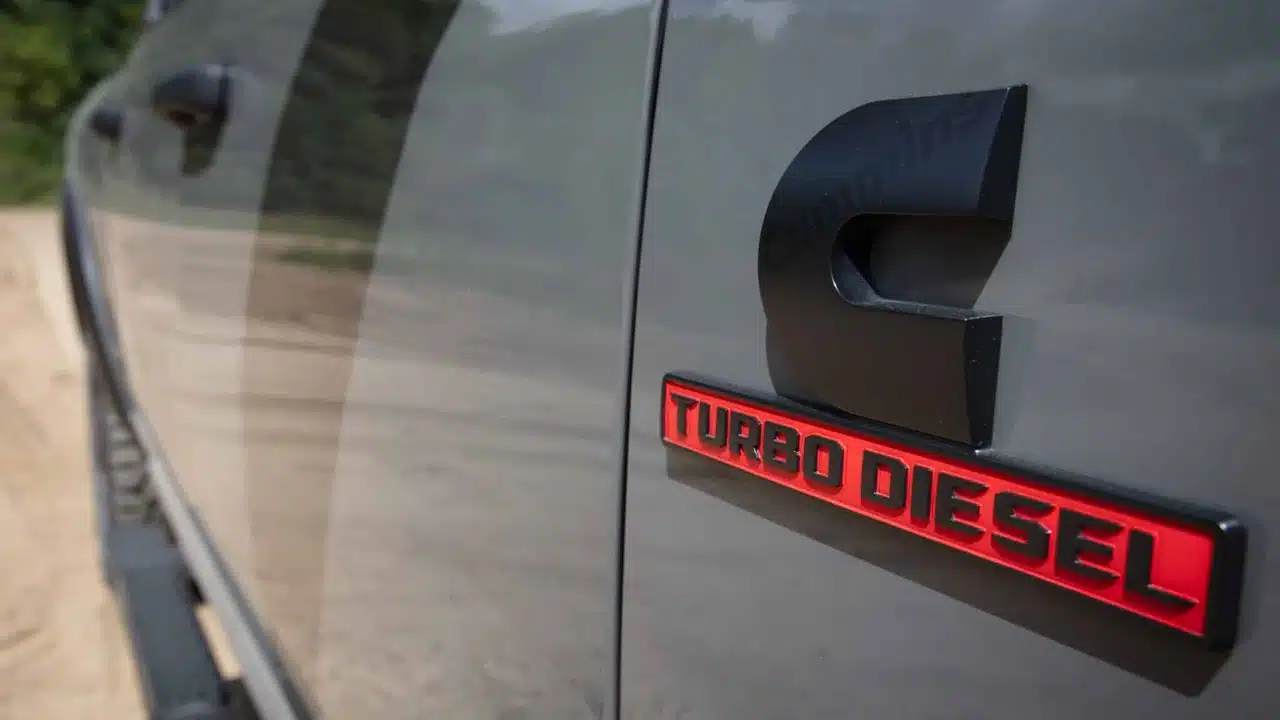
The 2026 Ram 2500/3500 owner’s manual, printed pages 347–348, calls for highway ultra-low-sulfur diesel with a 15 ppm sulfur maximum. For normal year-round use, it specifies No. 2 diesel meeting ASTM D975 Grade S15. Pickup models can use B20 meeting ASTM D7467, subject to the manual’s maintenance requirements.
Ram excludes engine damage from blends above B20. It also warns that premature wear resulting from failure to follow its B6–B20 oil-change conditions is not covered. The manual review did not find a separate fuel prohibition specifically naming red dye, dyed diesel or off-road fuel. Again, that does not amount to Ram approving dyed fuel for highway use.
The 2026 Ram warranty booklet, section 3.3 on printed page 21, excludes damage caused by contaminated or nonrecommended fuel. Section 3.6, on pages 21–22, addresses damage from noncompliant fluids. The practical concern is a disputed fuel-related repair. The documents do not give owners a blanket guarantee that dyed fuel preserves coverage, or say its color alone erases the entire warranty.
GM 1500 3.0L Duramax: A separate engine, a similar fuel warning
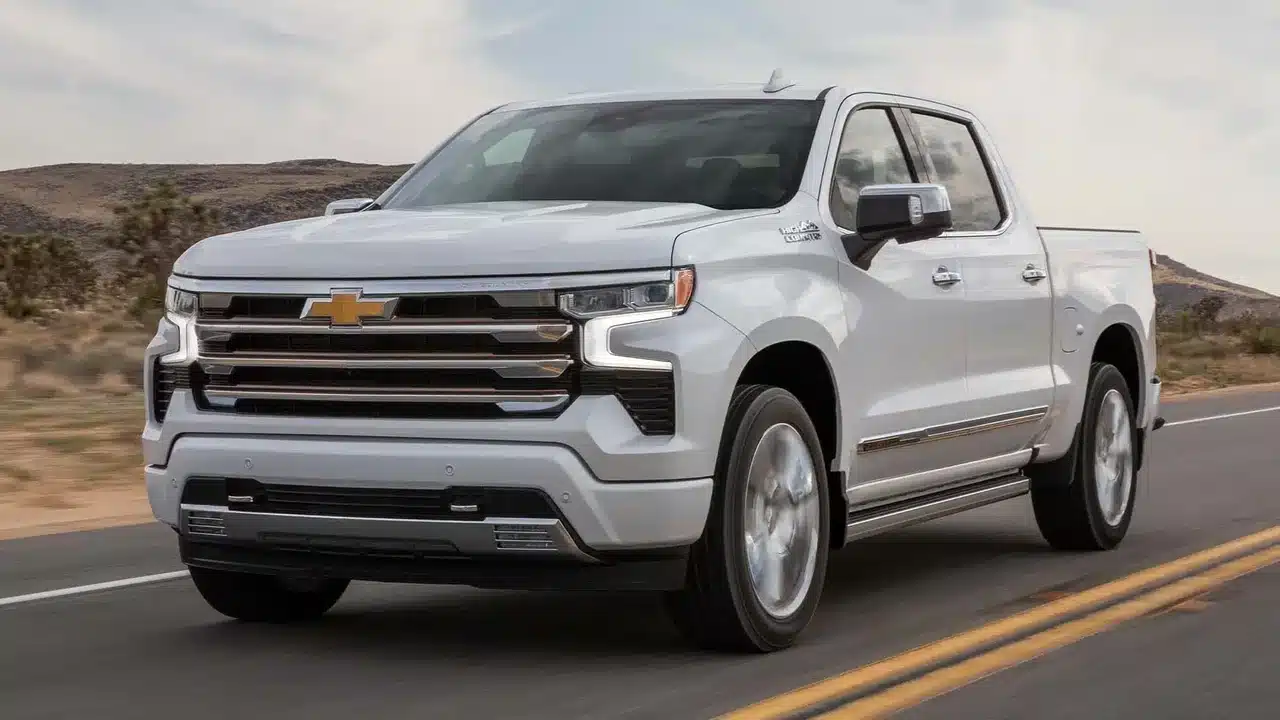
The half-ton Chevrolet Silverado 1500 and GMC Sierra 1500 use a different diesel from the HD trucks, so I checked their 2026 3.0L Duramax supplement, printed pages 15–18, separately. It requires fuel meeting current local standards, describes ultra-low-sulfur diesel as less than 15 ppm sulfur and limits biodiesel to B20.
Its noncompliant-fuel warning and exclusions for damage from blends above B20 follow the same general approach as the HD supplement. The reviewed fuel section does not explicitly mention red dye or off-road fuel. The Chevrolet and GMC warranty exclusions for fuel-quality and water-related damage still matter. Neither GM supplement reviewed names ASTM D975, so I would not insert that standard into GM’s instructions simply because Ford and Ram cite it.
For the original Chevy owner’s question, the red-dyed diesel warranty answer is therefore conditional. We have not obtained an OEM-specific written approval saying dyed fuel is acceptable under this temporary tax relief. The manuals establish fuel requirements and exclusions, not a universal yes or no based on color. Ask the manufacturer for a written answer for your truck and keep the supplier’s fuel specifications and receipts.
One more distinction matters: red color is not a sulfur specification. The EPA’s temporary Texas 500 ppm waiver excludes vehicles equipped with diesel particulate filters or catalytic converters. It is not permission to put high-sulfur fuel in a modern pickup. State tax obligations also differ, as South Dakota’s Oct. 8 guidance illustrates. Federal implementation conditions have not been fully verified here. A possible tax saving and a manufacturer’s repair decision are two separate questions, and I would settle both before filling the tank.