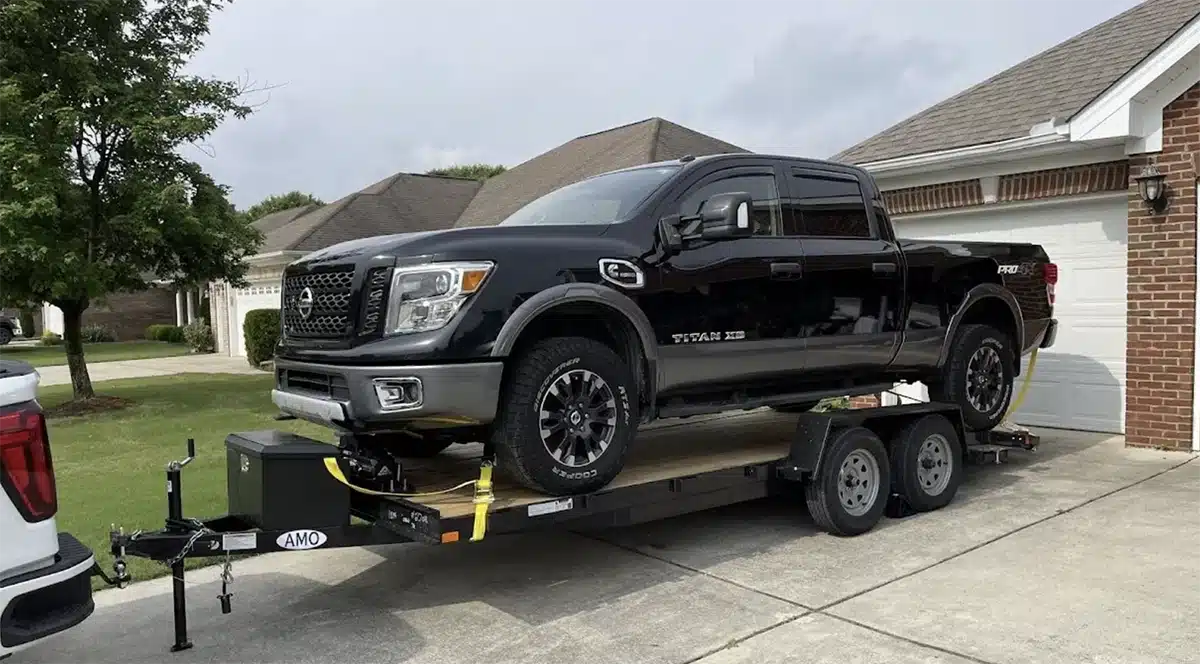
In 2016 when Nissan partnered with Cummins to add diesel power to their full-size Titan pickup, truck buyers took notice. Especially since until that time Cummins engines in pickup trucks were pretty much Ram territory only. While the 32-valve turbo 5.0L Cummins was a welcome power addition to the Titan XD, an ominous cloud soon followed in the form of sudden engine failure reports.
Trouble Brewing

As Cummins-powered 2016-2019 Titan XD owners hit the road, rumors of engine failures began to surface. Eventually several report complaints were filed with the NHTSA, enough for an investigation to be opened on November 15, 2023. The Cummins engine option had been dropped after the 2019 model year and the engine wasn’t even on the market at that point, but owners were still reporting incidents of total engine failure.
Finding The Root Cause
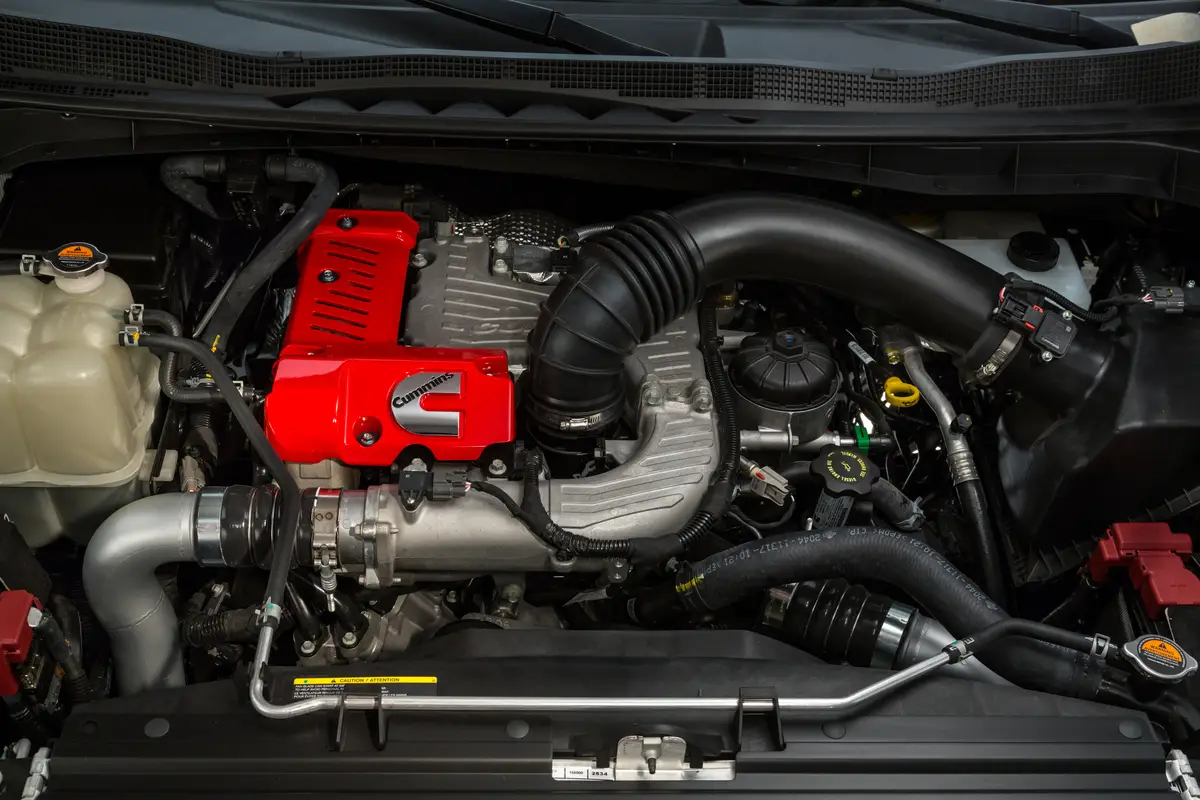
Over at the TitanXD forums users were doing their own investigation into the engine failures. Like an episode of CSI, people began tearing into the failed Cummins engines trying to understand just what happened. In most cases the crankshaft was found to be broken along with damaged crankshaft bearings. But why? Some theorized that oil pressure issues were the root problem. Reports of metal shavings in the oil pan were a common thread in the damaged engines. When the NHTSA investigation was opened there was already a class-action lawsuit filed regarding engine failure caused by the Bosch CP4 fuel pump used in the Titan XD Cummins diesel engine. As of now the fuel pump issue has not been definitively linked to all engine failures and is considered a separate issue.
Repairs Only, Not A Recall
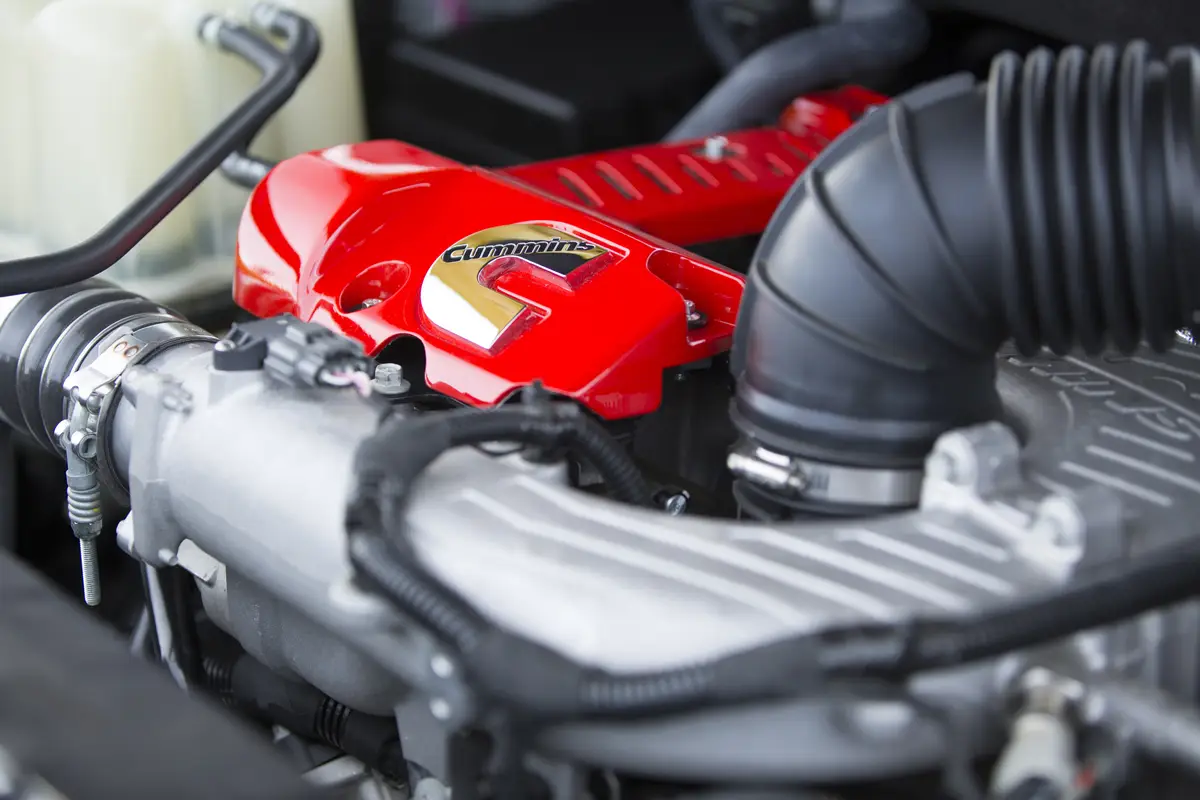
Nissan did replace several engine long blocks and crankshafts, but managed to avoid an actual engine recall. In several cases Nissan replaced or reimbursed owners for their repairs, but did so without a formal recall. Some repairs consisted of only replacing the crankshaft and crankshaft bearings. This is odd because any metal shavings that could have caused damage to the crankshaft could have also damaged other bearing and metal contact surfaces in the engine.
Nissan’s own investigation found that owners had prior warning before total engine failure occurred. Those warnings included the check engine light coming on, vibrations, shuddering, knocking noises, and reduced engine performance. It is possible that these warnings may have been ignored by the owners, thus causing further engine damage.
Case Closed
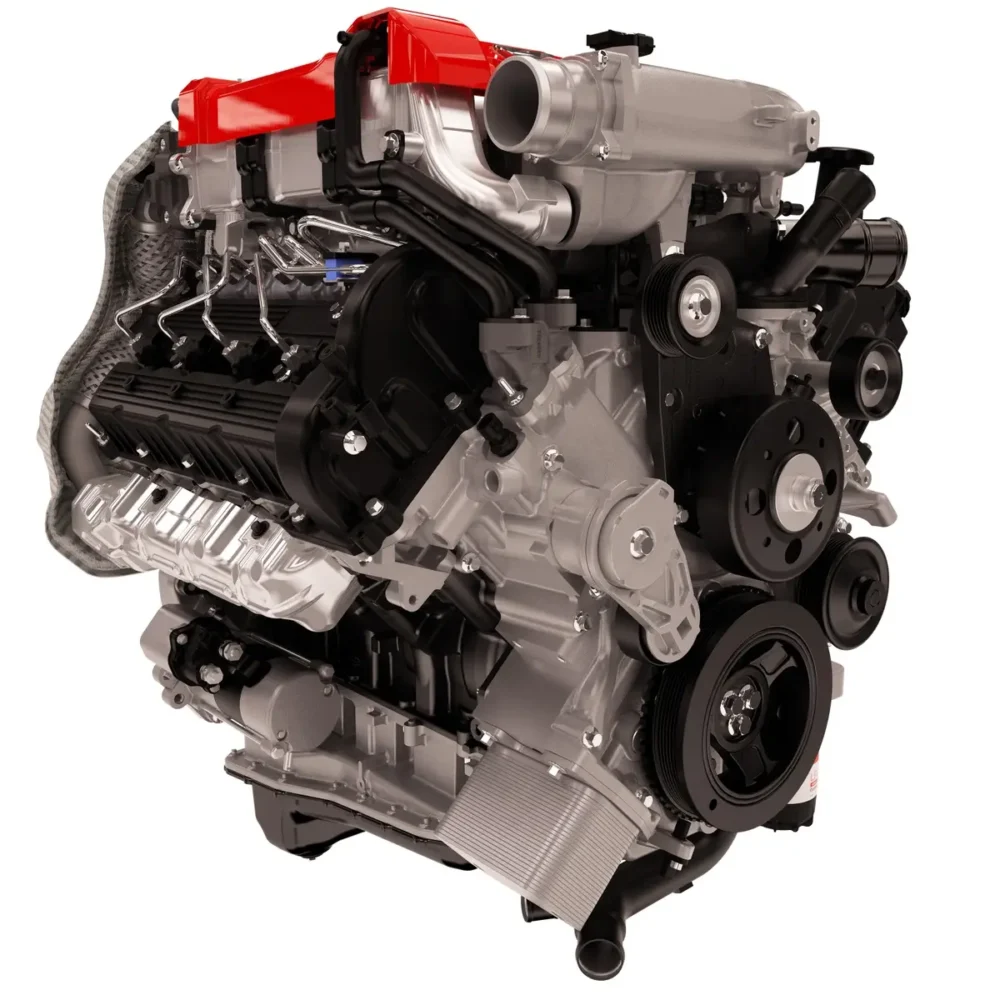
In the end Nissan’s own investigation did not name any one factor as the root cause of the engine failures. It seems that Nissan has taken the stand that if the engine hasn’t failed now, then the problem is over. The NHTSA agreed and as of June 27, 2025 the matter is considered closed. Since the last Cummins powered Titan XD rolled off the line in 2019, the idea is that the engines that were going to fail would have done so by now. Per the report half the failures happened before the truck hit 60,000 miles. Once the truck crossed over 80,000 miles the failure rate fell quickly. Unfortunately, the cold comfort of data trends isn’t likely to appease owners who suffers engine failures under 100k miles. While the investigation may be closed, the NHTSA was clear that it did not rule out that a problem may exist and it can reopen the matter if necessary.
Truck owners buy heavy-duty diesel trucks based on an assumption of a long-term service life. It is true that there are plenty of 5.0L Cummins diesel powered Titan XDs still roaming the road, but each may still harbor an unknown defect that could wreck the owner’s wallet.
The summary of the NHTSA investigation PE23020 can be found below:
“On November 15, 2023, the Office of Defects Investigation (ODI) opened Preliminary Evaluation PE23020 to investigate allegations of loss of motive power in model year (MY) 2016 through 2019 Nissan Titan XD trucks equipped with 5.0L Cummins diesel engines. The complaints allege the condition was due to a failure of the engine crankshaft. The purpose of the investigation was to understand the scope, frequency, and safety related consequences of the alleged defect.
During the investigation, it was found that the subject vehicles can experience a loss of motive power due to a failure of the crankshaft main bearings which can lead to a fractured crankshaft. This resulted in a loss of motive power and an inability to restart. An analysis of all complaint sources shows many vehicles exhibit knocking, vibration, malfunction indicator lamp (MIL) warnings, and/or poor engine performance prior to a total failure. Some consumers report driving their truck in for repairs only to be diagnosed with a failed crankshaft. ODI has not identified any injuries or fires attributable to this failure. ODI is aware of one complaint alleging a non-injury\crash involving a curb strike. ODI is also aware of complaints of overheating starter motors and melted starter motor wiring occurring after prolonged attempts to start engines that have suffered a broken crankshaft.
In its response to ODI’s January 26, 2024 information request letter, Nissan provided information detailing several material and process changes involved in the production of the subject vehicle’s engine. These changes appear to coincide with incremental improvements in failure rates but there is no indication that a single factor was the primary cause of the failures.
Analysis of ODI consumer complaints and manufacturer provided data found that failure rates decreased progressively for each model year. Review of failure mileage found that 50% of the failures occurred by 60,000 miles with a significant decrease in failures after 80,000 miles. Assuming average yearly mileage driven, the newest model year trucks (2019) would be near or past peak failure mileage.
Given the low failure rate, the observable warnings available to the driver, and much of the fleet being past peak failure mileage, ODI is closing this Preliminary Evaluation with no further action. The closing of the investigation does not constitute a finding by NHTSA that a defect does not exist, and NHTSA will take further action if warranted by future circumstances. To review the ODI reports cited in the Closing Resume ODI Report Identification Number document, go to NHTSA.gov.”