Daimler has spent nearly a decade developing its next-generation Detroit diesel engine. The Gen 6 DD series is scheduled to launch in January 2027, with updated emissions-control hardware designed to meet the next round of federal requirements. There’s just one complication: As the launch approaches, some of the rules governing those requirements remain unsettled.
During a visit to Daimler Truck North America’s proving grounds in Oregon, we got a firsthand look at the new engines, drove the trucks they’re designed to power, and spoke with Dan Potter, DTNA’s head of emissions compliance. His explanation revealed an uncomfortable reality for the trucking industry: Developing an engine can take years, but the regulatory framework governing it can change much closer to launch.
Daimler’s response hasn’t been to start over. Instead, the company has built on an existing engine family, added emissions-control capability, and worked to preserve the packaging, serviceability, and operating characteristics commercial customers already depend on.
Meeting Emissions Requirements Without Major Engine Design Upheaval Amid Regulatory Uncertainty
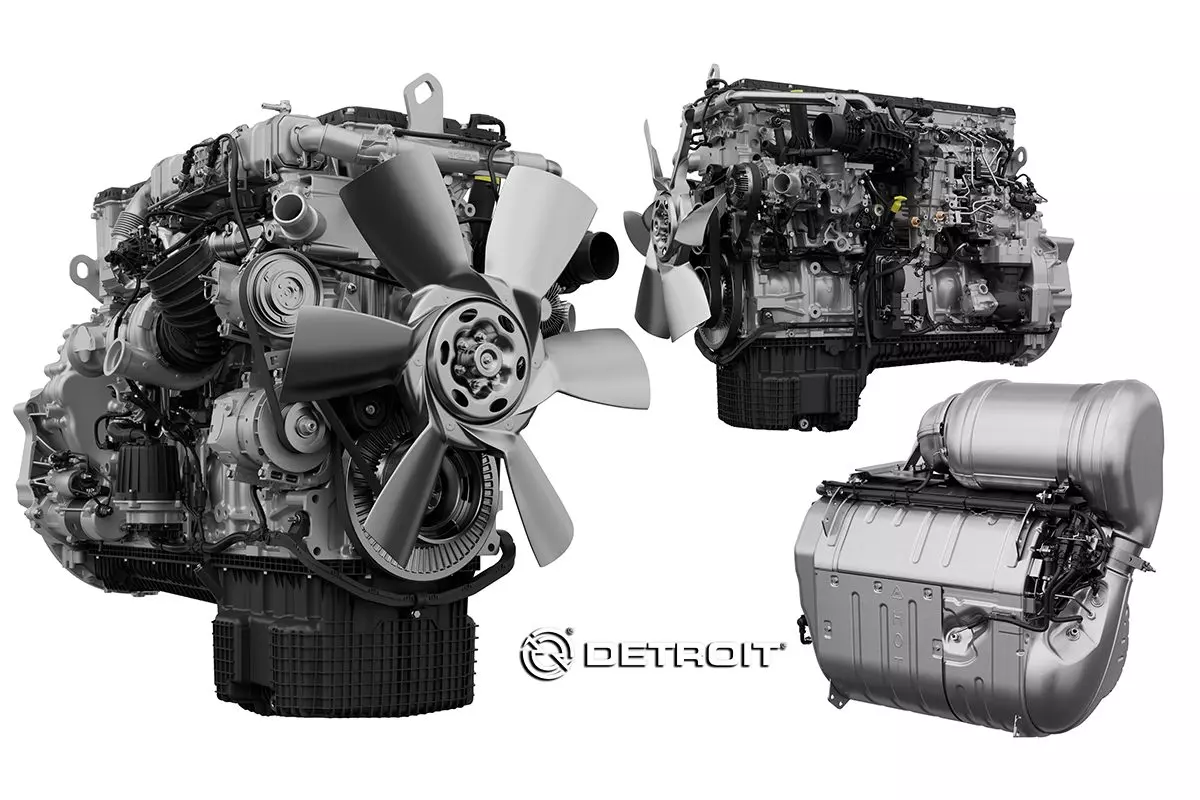
Before the sudden backtracking at the EPA, Daimler was already on track to be 2027 compliant with the new Gen6 engines. During an interview with Pickup Truck + SUV Talk, Potter explained “We’ve been working on [the Gen6 engine] for nearly 10 years at this point.”
That timeline is important because it provides some perspective whenever somebody suggests that engine makers can simply wait until regulators make up their minds and then bolt some new emissions equipment onto an engine.
An engine program takes years. Decisions about architecture, packaging, cooling, exhaust aftertreatment, manufacturing and serviceability have to be made long before the finished product rolls into a dealership. By the time the customer is ordering the truck, engineers have already spent years arguing over where things should go and how much they’re allowed to cost.
Never mind durability testing and certifications.
The Gen 6 DD series is scheduled to launch in January 2027, but Daimler didn’t throw away everything it knows about the current generation and start from scratch.
“This is not a clean sheet design,” Potter explained. That’s good news for fleets and owner-operators. A clean-sheet engine sounds exciting in a press release. In the real world, however, customers generally prefer engines that have accumulated years of engineering experience, field data and lessons learned.
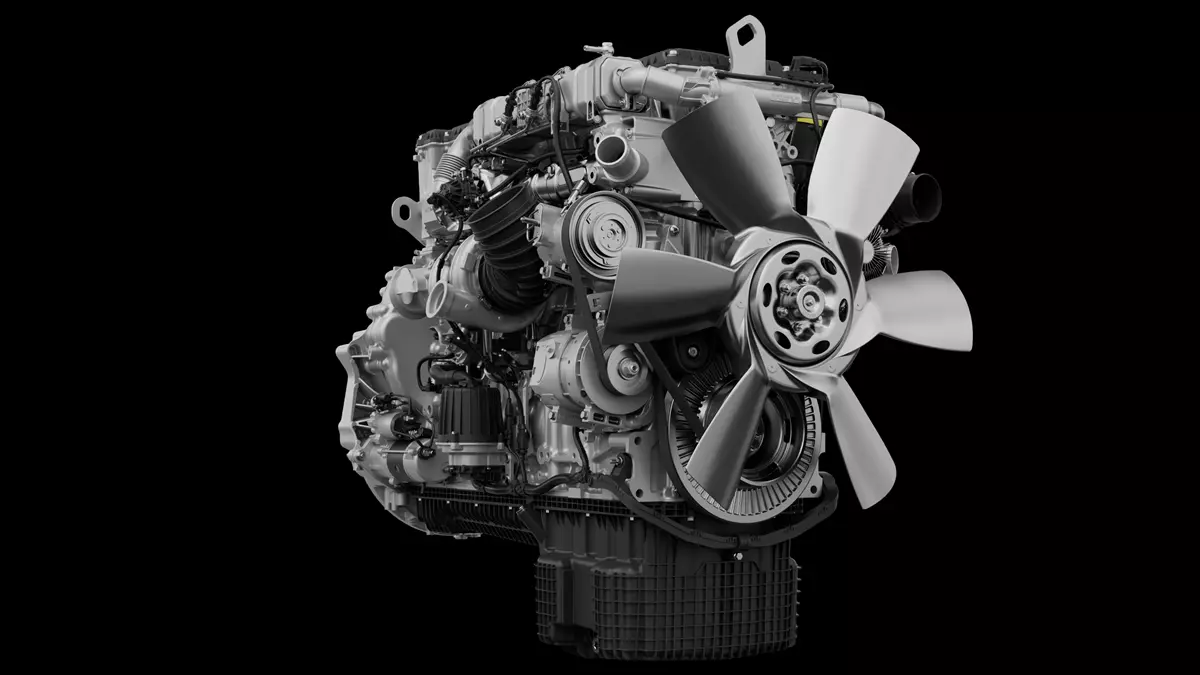
The Gen 6 DDs build on the existing engine family while adding the hardware necessary to meet the coming emissions requirements. Only two major changes were made to the engine’s design.
The first is a slight change to the angle of fuel injection, making it more asymmetrical, and a simplified fuel rail that removes amplified injections, creating a better, more concentrated mist into the cylinder. Piston heads were also redesigned to accompany this, creating a smaller combustion bowl to better concentrate combustion forces for higher efficiency. Cam timing was changed to a Miller cycle, keeping intake valves open slightly longer in compression to reduce compression work. This results in a fuel economy improvement that contributes to the overall three percent MPG increase over the Gen5 design.
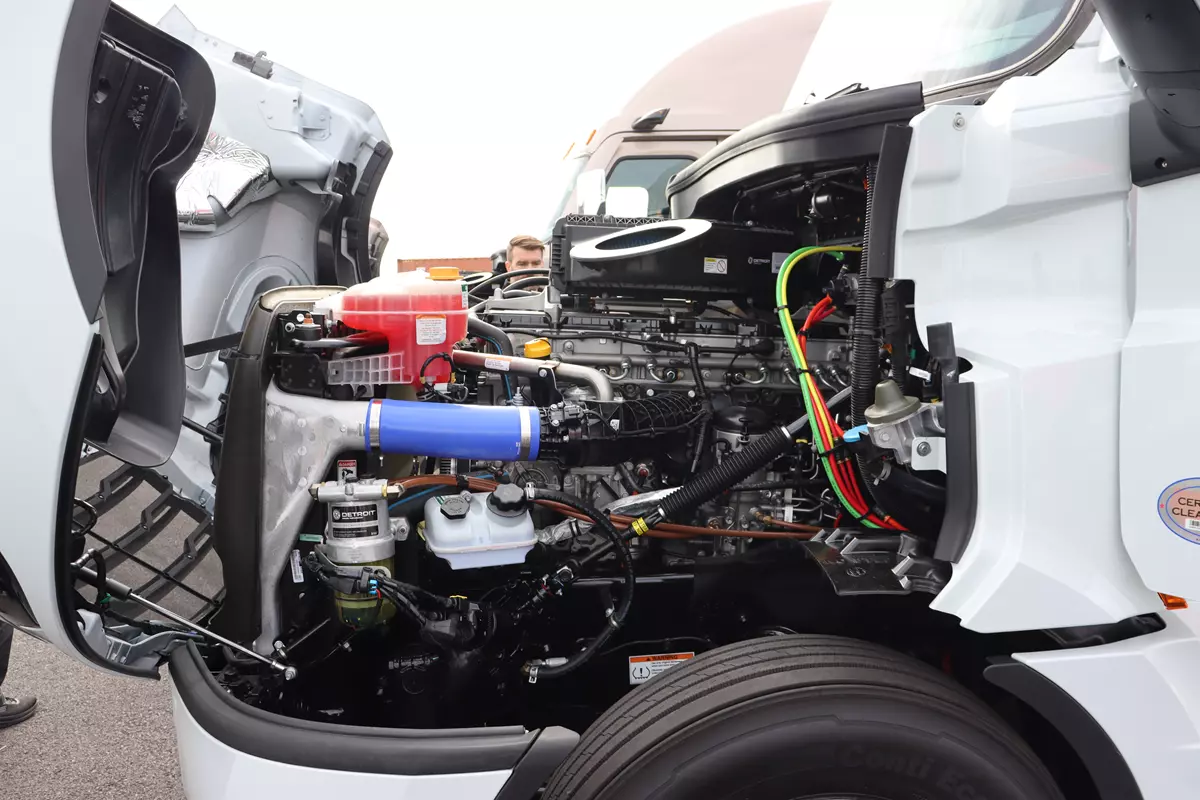
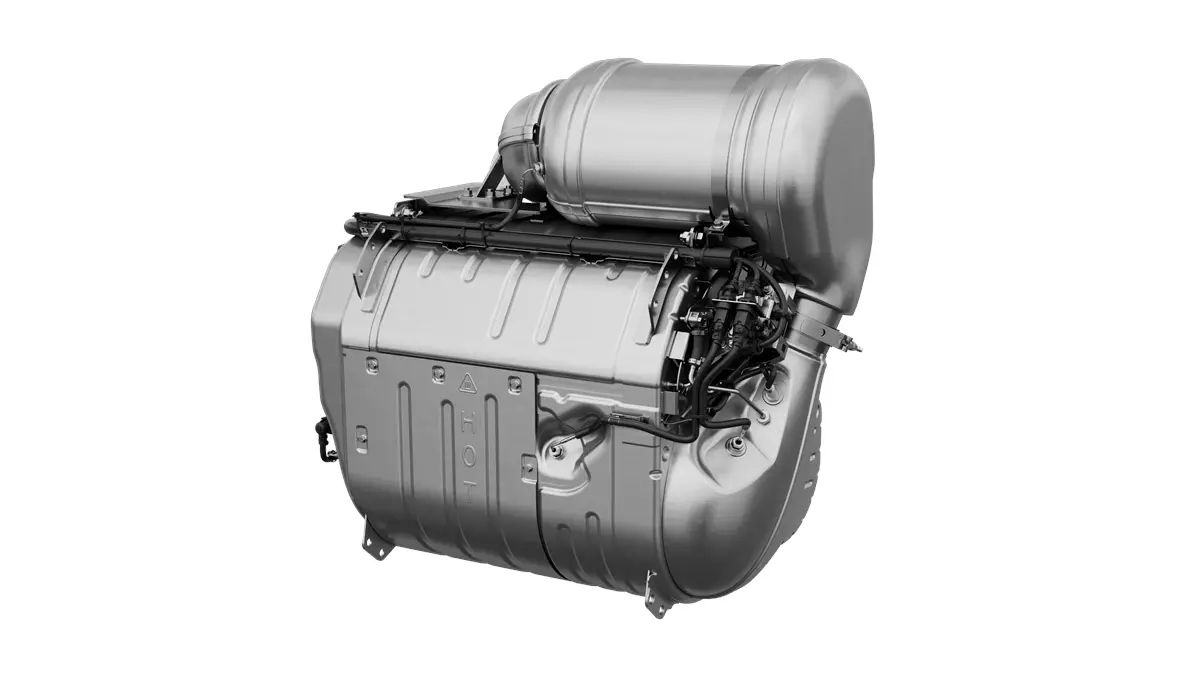
The other significant change is an additional selective catalytic reduction stage positioned ahead of the existing exhaust-treatment system. The added stage builds on familiar SCR technology. The extent of any additional technician training and parts changes will depend on the final production system.
The new catalytic stage doesn’t require electric heaters, but instead works as a pre-SCR catalyst upstream of the main aftertreatment system. Placing the pre-SCR system near the exhaust manifold had both packaging and heat-capturing benefits. The placement allows that system to heat quickly from the exhaust heat during startup and early running to bring the catalyst to operating temperature sooner so NOx conversion begins well before the primary SCR system would reach operating temperature.
The primary SCR then continues to inject DEF further downstream to process remaining exhaust gases.
Thermal control for the system is managed through a now-standard thermal control valve (TCV) to restrict exhaust flow to increase engine temperature quickly. This also reduces the need for parked diesel particulate filter regenerations, keeping the truck on the road longer. It does, however, mean more DEF consumption overall. The net operating-cost effect will depend on actual fuel and DEF use and prices.
Overall, though, this is all good news and sounds relatively straightforward until you remember that commercial trucks don’t have unlimited room underneath the hood and behind the cab. Everything has to fit and be accessible. Ideally, a technician shouldn’t need to remove half the truck to replace a component. And existing add-on equipment shouldn’t need to be reconfigured. Daimler thought of that too.
Packaging Is Part of the Job
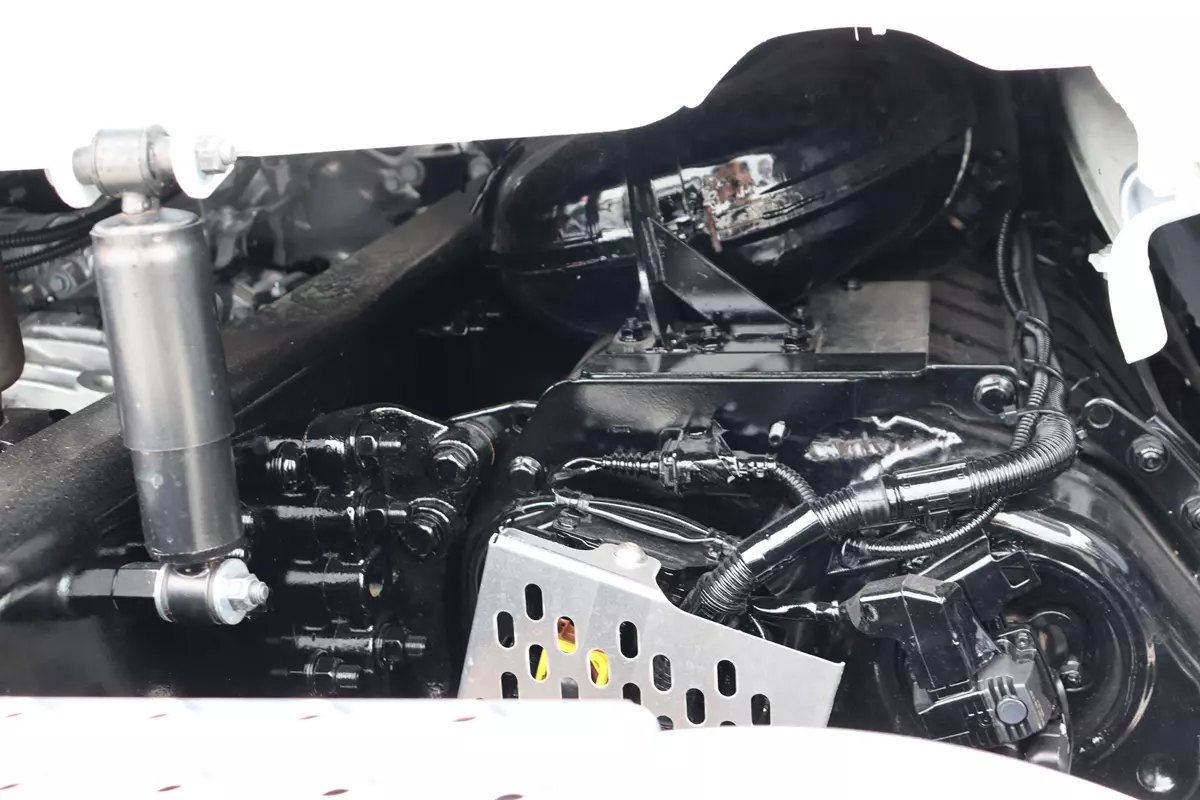
One of the more interesting parts of Daimler’s approach is that emissions compliance isn’t being treated as an isolated engineering exercise. For a commercial truck, the space behind the cab can be just as important as what’s happening inside the engine.
Equipment mounted behind the cab might include hydraulic systems, compressors, auxiliary power equipment, fuel systems or other hardware needed for a particular vocation.
Changing the size or location of the exhaust system can therefore affect how the entire truck is configured. Potter said Daimler wanted to avoid that problem:
“We didn’t want it to look like a different truck. We didn’t want it to feel like a different engine. We wanted it to do the job it does today,” he said.
That’s a deceptively important statement. The truck doesn’t exist to satisfy an emissions laboratory. It exists to haul freight, pull trailers, carry equipment and make money. If meeting emissions regulations makes the truck significantly harder to maintain or less useful, customers are going to notice. And commercial truck buyers tend to be pretty good at noticing things that cost them money.
The new updates for emissions compliance in Daimler’s Detroit Gen6 engine do not change configurability. Existing equipment will almost all still fit as-is. The added emissions components were placed under the rear of the cab near the rest of the exhaust, where heat and access normally mean nothing else gets put there. Outside of a couple of extended side boxes, that space was generally empty on most Daimler customers’ rigs.
Serviceability Matters More Than a Brochure Number
Daimler says the Gen 6 DD15 is being developed with fuel economy, reliability and serviceability in mind. “We are always aiming to improve the product to increase fuel economy, increase reliability, increase serviceability,” Potter said.
At the proving grounds, we witnessed the kind of durability testing that is undertaken with every Daimler design. During our day there, a truck configured for log hauling circled the punishment track continually, its driver putting it through repeated rough road, cobble, and vibration track. Data from these kinds of tests give Daimler’s engineers a lot of information about what effects hard punishment can bring to a truck and its engine. Over-the-road tests in varying configurations and loads in the real world will add hundreds of thousands of miles to a fleet of test trucks for the same purpose.
Harder to evaluate and put a figure to is the reality of the world at large. While OTR testing goes a long way, so does feedback from customers, technicians, and drivers.
Reliability is measured after the truck has spent several hundred thousand miles bouncing down the highway.
Serviceability is measured when a technician has to fix something during a snowstorm in North Dakota.
And operating cost is measured by the fleet manager who has to look at fuel consumption, maintenance bills and downtime over several years.
And it’s why Daimler’s proving grounds include multiple garage bays where these trucks are taken apart and put back together again during the testing process. A guy with a wrench and grease on his hands can provide as much information as can an array of sensors and a computer. Both are integral to the process.
All of these are the reasons for Daimler not making huge generational changes to an engine without a lot of feedback and testing both in its own facilities and by customer fleets around the nation. Changes are more incremental than revolutionary.
The EPA 27 standards and the proposed changes are different
EPA 27, shorthand for EPA 2027 emissions requirements, sets the context for this development program. The underlying heavy-duty engine standards are final. EPA’s July 2026 amendments remain proposed as of Oct. 15. They address emissions warranties, regulatory useful life, DEF inducements and nonconformance penalties for certain engines; they do not erase the existing standards.
For the rules, vehicle classes and ownership questions, start with our EPA 27 explainer. The distinction matters here: Daimler has spent years developing hardware while EPA considers changes to how parts of the program will operate.
Potter said the timing creates uncertainty for manufacturers. EPA’s proposal would make nonconformance penalties available to medium heavy-duty and heavy heavy-duty engine manufacturers beginning in model year 2027. Potter questioned the basis for that proposed approach. His concern is an industry participant’s assessment, not a finding that the proposal is unlawful or that a legal challenge will succeed.
Don’t Automatically Apply This to Pickup Diesels
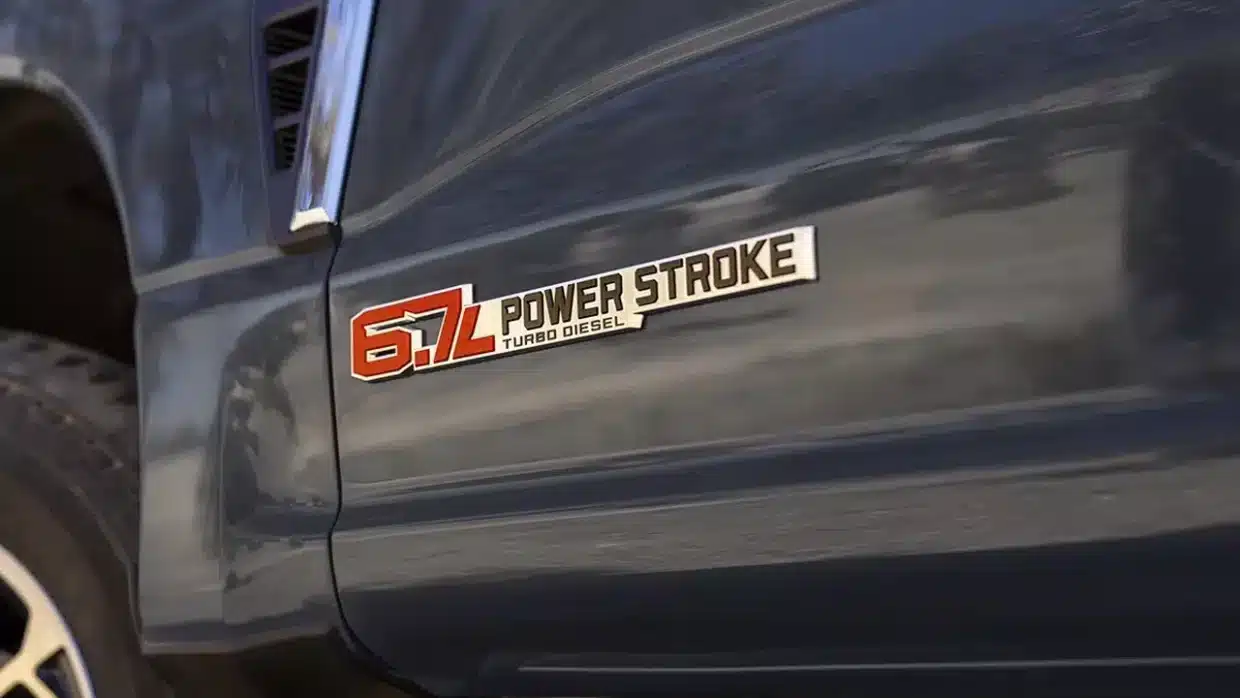
There’s an important distinction here. The Detroit DD15 is a commercial truck engine. It isn’t the same thing as the diesel engines found in heavy-duty pickup trucks. So the details of Daimler’s Gen 6 engine shouldn’t automatically be interpreted as a preview of exactly what Ford, GM or Ram will do with their pickup diesels. Different applications have different requirements. And different regulations.
A Class 8 tractor spends its life doing a very different job than a Ram 2500 pulling a fifth-wheel trailer. But the development process provides a useful look at the larger issue surrounding EPA 2027.
EPA 2027 Is More Than an Emissions Story
That’s probably the biggest takeaway from Daimler’s Gen6 DD program.
Whenever new emissions regulations arrive, the conversation tends to focus on the hardware.
What new catalyst is being added? How many sensors will there be? Will there be another DEF system? How complicated is the exhaust going to become? Those are legitimate questions, but they’re only part of the story.
The bigger question for truck owners is what all that hardware means after the truck leaves the dealership. Does it improve fuel economy? Does it remain reliable after hundreds of thousands of miles? Can technicians service it without turning a routine repair into an all-day event? Does the emissions equipment survive in the real world?
And perhaps most importantly, does the truck continue doing the job it was purchased to do?
Those answers won’t come from a press release. They’ll come from owners, technicians and fleet operators after these trucks accumulate serious mileage.
Daimler’s Gen 6 DD series represents the kind of engineering compromise that commercial truck operators often prefer: evolve the technology, improve emissions performance, and avoid making the truck unnecessarily difficult to own or maintain.
Whether the new engines deliver on that promise will take time to establish. Fuel economy, reliability, service costs, and real-world emissions performance matter far more to fleet operators than the contents of a launch presentation.
The first Gen 6 DD15-powered trucks are scheduled to arrive in January 2027. By then, the regulatory picture should be clearer. The longer test will come over the hundreds of thousands of miles that follow, when fleets discover whether Daimler’s nearly decade-long development effort has delivered an engine that meets the new requirements without making the business of running a truck any harder than it already is.
Watch Aaron’s full Daimler interview: