EPA 27 is shorthand for EPA 2027 emissions requirements, particularly the tougher federal standards for new heavy-duty highway engines beginning with model year 2027. The goal is cleaner exhaust across more of a truck’s working day. For buyers, the practical questions are what changes under the hood, what it costs and how well it works years after the sale.
The name sounds like one rule for every truck. It is not. A commercial tractor, a diesel pickup and a family SUV can follow different certification programs. Some important changes are also still proposals. This guide separates the rules from the product announcements and the predictions. Find the related reporting in our EPA 27 hub.
Regulatory status checked Oct. 15, 2026. This explainer draws on Aaron Turpen’s Daimler reporting and Tim Esterdahl’s engine and lubrication coverage, with regulatory details checked against EPA and European Union sources.
What EPA 27 changes
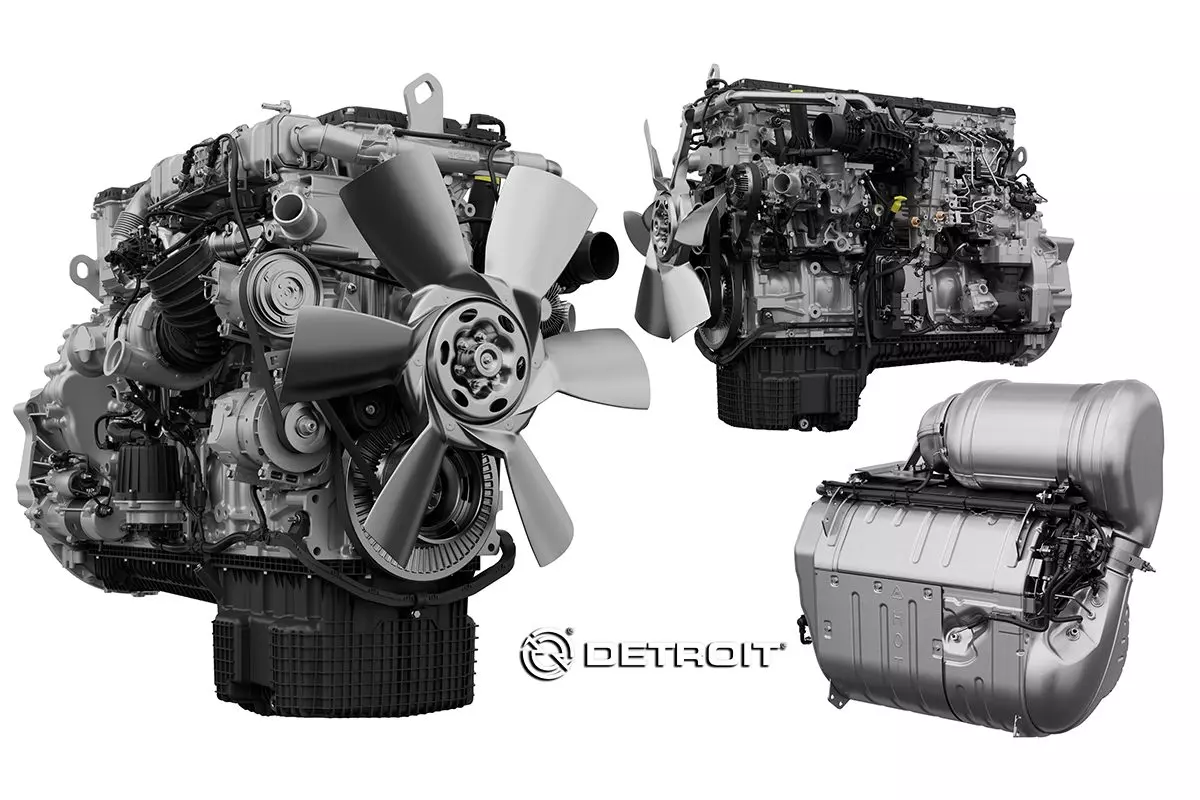
EPA’s heavy-duty engine rule, adopted in December 2022 and published in January 2023, tightens pollution limits starting with model year 2027. It also broadens the operating conditions covered by testing and extends how long emissions performance must be maintained.
A central target is nitrogen oxides, commonly written as NOx. These pollutants contribute to smog. NOx is not the same thing as carbon dioxide, and it should not be called nitrous oxide, which is a different compound. Particulate matter, hydrocarbons and carbon monoxide also belong in the air-pollution discussion.
The engineering challenge is not simply passing a test with a warm engine. Exhaust treatment has to work effectively when the truck is starting, idling or doing lighter work, too. Those conditions can provide less exhaust heat for the catalysts. Manufacturers decide how to meet the standards through engine design, exhaust treatment and controls; EPA does not order every truck maker to install one identical system.
Which trucks are affected?
Start with the truck’s certification category, not the “heavy duty” badge. The commercial-engine program covers engines used in heavy-duty highway applications, including the large diesel engines powering tractor-trailers. It is not interchangeable with the whole-vehicle program used for complete pickups.
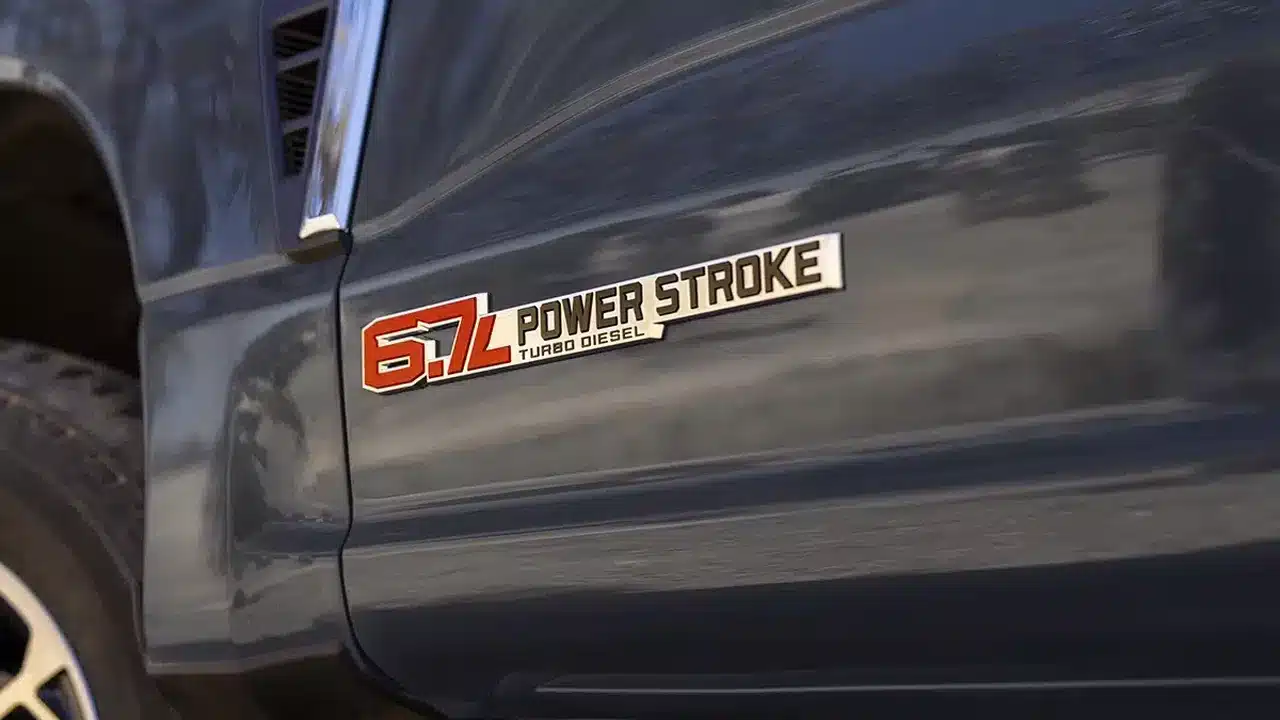
Complete Class 2b and Class 3 pickups generally follow EPA’s Part 86 whole-vehicle standards. These classes span 8,501 through 14,000 pounds of gross vehicle weight rating, or GVWR, the manufacturer’s maximum loaded vehicle rating. Incomplete chassis-cab vehicles can follow a different certification path. Check the particular vehicle and engine family rather than assuming every F-Series or Silverado uses the same rules.
EPA’s light- and medium-duty proposal distinguishes these categories and their phase-in options. A commercial DD15 warranty figure or test limit should not be applied to a Ram 2500 simply because both use diesel.
What is final, and what is still proposed?
The underlying heavy-duty engine rule is final. EPA’s current July 2026 amendments are still labeled proposed. They address emissions warranties, regulatory useful life, test and compliance provisions, nonconformance penalties and DEF-related operating restrictions. A proposal does not itself replace the existing rule. Nonconformance penalties would let qualifying manufacturers temporarily sell certain engines that do not fully meet the new standards while paying a penalty. That is a manufacturer compliance mechanism, not a fee owners can pay to bypass emissions equipment.
In a separate action, EPA proposed changing the light- and medium-duty Tier 4 timeline from a phase-in beginning in model year 2027 to one beginning in 2029. The detailed schedules vary by class and compliance option. That is not a confirmed two-year delay for every truck, nor a requirement that every pickup receive a new engine in 2029.
These pollution requirements also differ from Corporate Average Fuel Economy, or CAFE, administered by NHTSA. EPA reports that its February 2026 action repealed federal vehicle greenhouse-gas standards. That does not mean the traditional air-pollutant rules disappeared.
Why DEF, filters and heat keep coming up
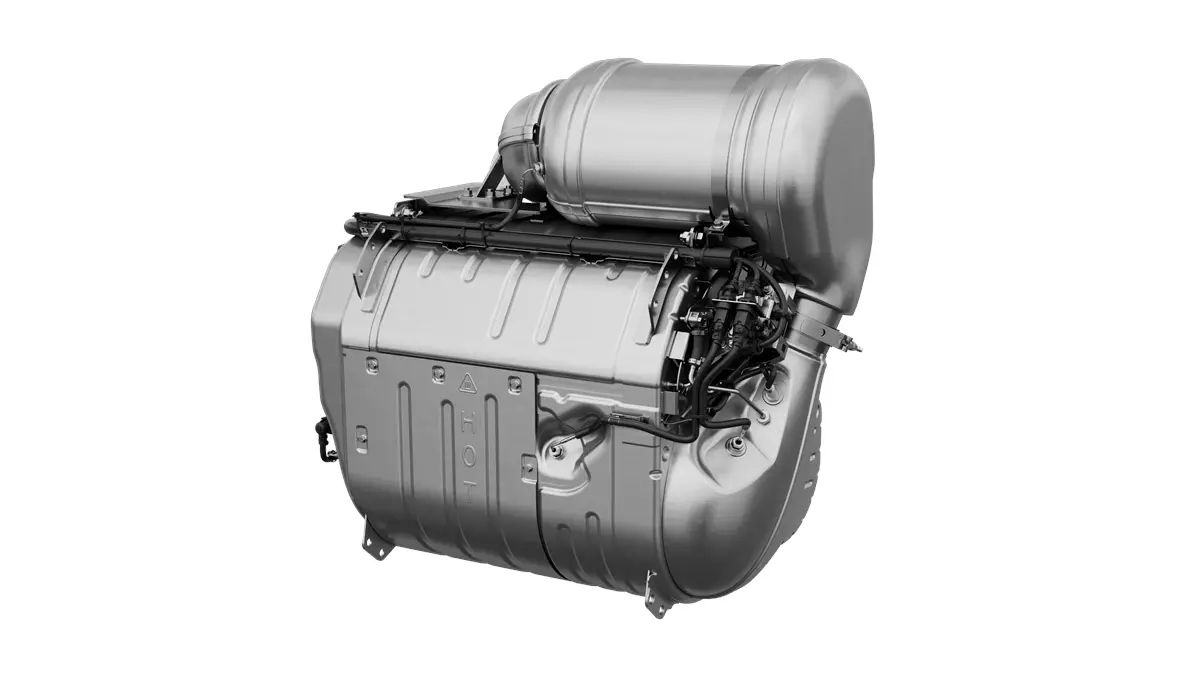
Diesel exhaust fluid, or DEF, supplies the urea solution used by selective catalytic reduction, or SCR. Ammonia derived from DEF helps the catalyst convert NOx into nitrogen and water. A diesel particulate filter, or DPF, does a different job: it traps soot. Regeneration burns off that accumulated soot.
A diesel oxidation catalyst helps control carbon monoxide and unburned hydrocarbons. Exhaust gas recirculation, or EGR, works on the engine side by helping reduce NOx formation. These components work together, but replacing a sensor, filling the DEF tank and completing a filter regeneration are not the same maintenance task.
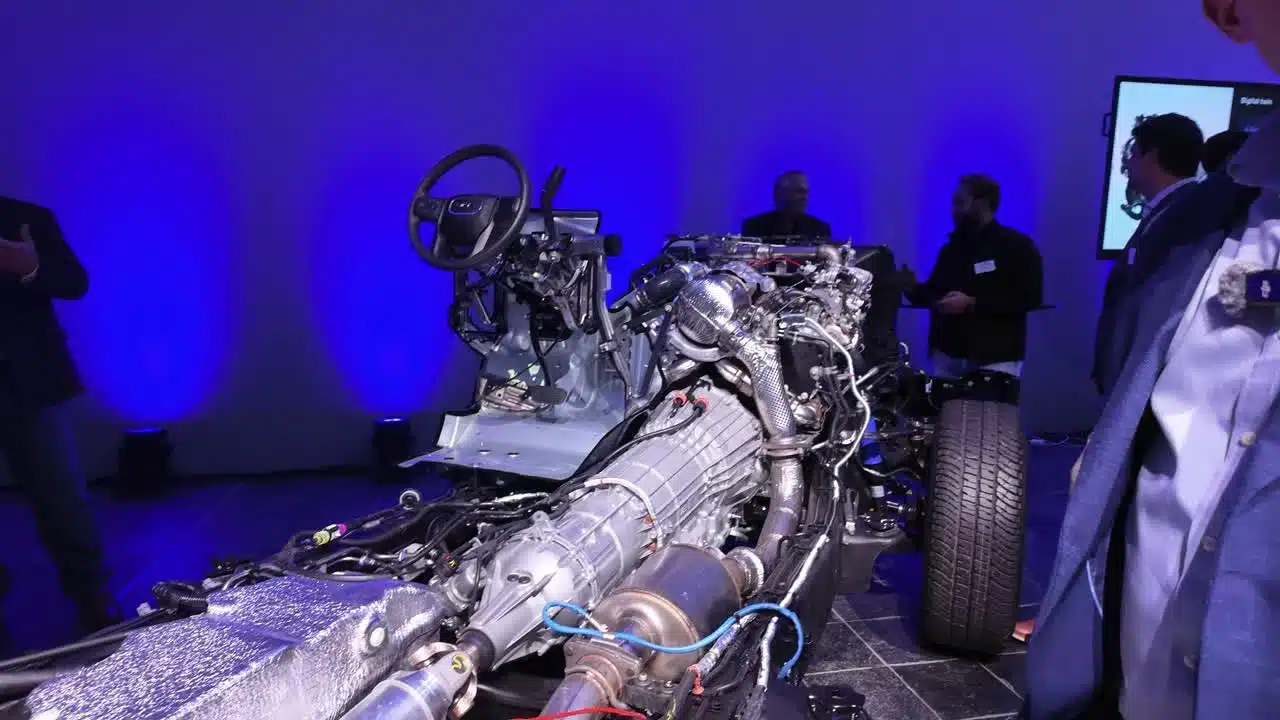
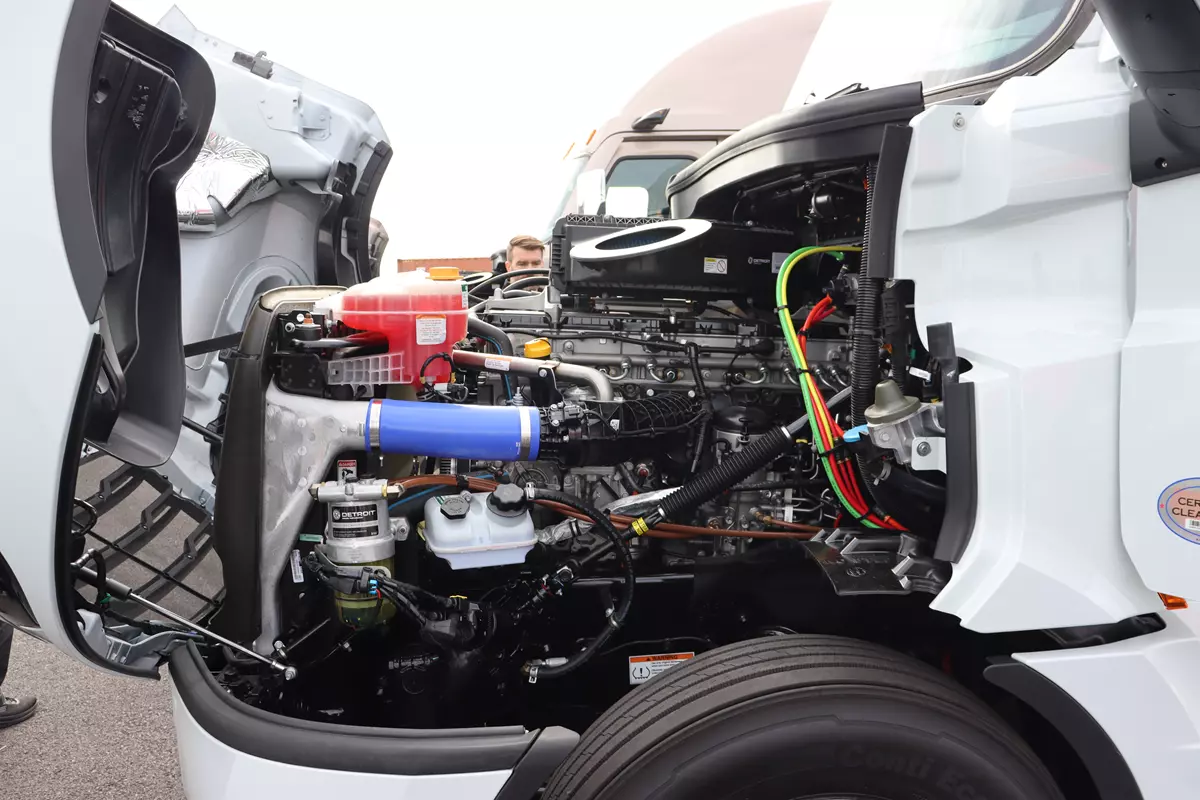
Aaron Turpen’s Daimler interview describes an added SCR stage positioned to use exhaust heat sooner while retaining familiar commercial-engine packaging. Our GM 8.3L Duramax breakdown explains its two-DEF-injector arrangement. Neither design proves that every manufacturer must use the same hardware.
What owners should watch on cost and reliability
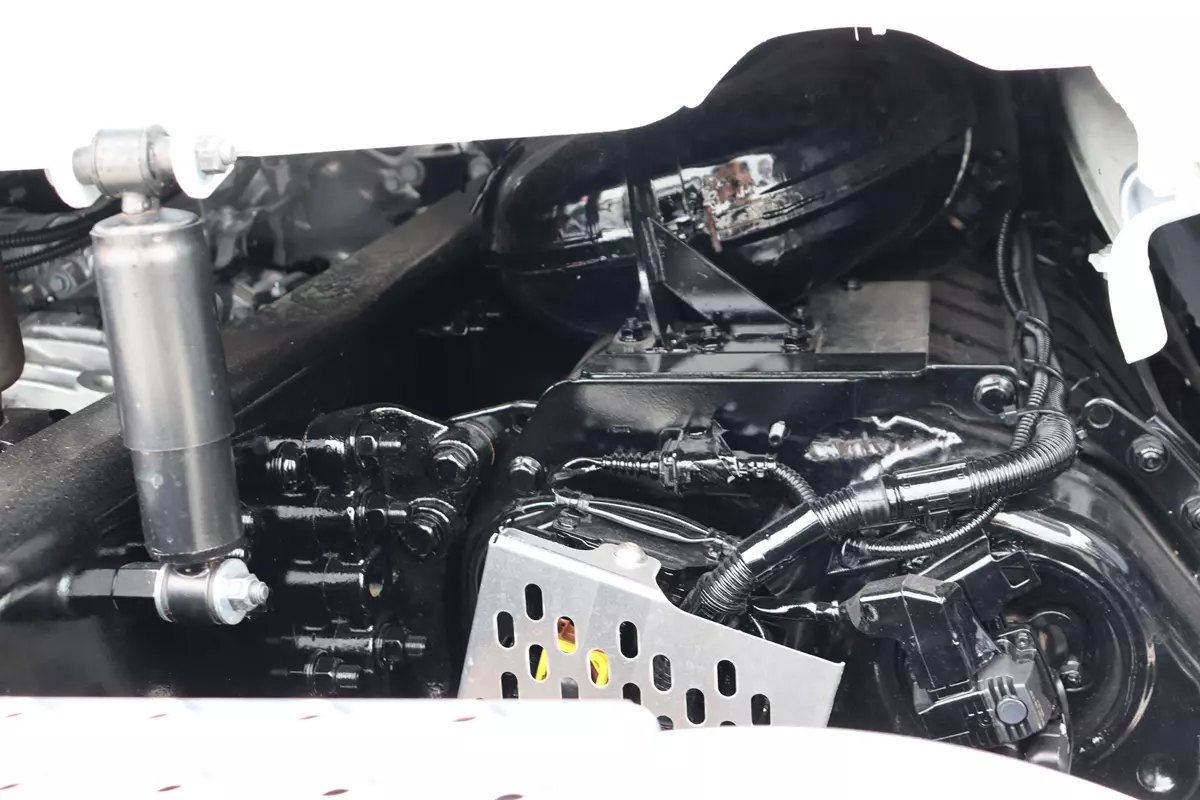
New hardware, calibration and validation can add cost. But there is no verified universal EPA 27 price increase for every pickup. Compare actual prices and equipment, then ask about emissions-warranty coverage, service access, replacement parts and downtime. Fuel use and DEF consumption belong in the same ownership calculation.
An emissions warranty is the period during which covered emissions repairs are the manufacturer’s responsibility under its terms. Regulatory useful life is the period over which the engine must meet applicable emissions requirements. They are related but different; neither means every mechanical part is covered.
EPA’s July fact sheet proposes retaining model-year 2026 emissions-warranty periods and delaying longer useful-life requirements until model year 2030. Those are separate changes. It is misleading to say a universal 10-year truck warranty has already been pushed back to 2030.
Reliability remains an open question for new hardware. Development tests and manufacturer projections are useful evidence, but they cannot substitute for years of owner and fleet experience. Aaron’s reporting highlights why technicians’ access, familiar parts and room for vocational equipment matter as much as a launch-day specification.
Does EPA 27 change the truck you already own?
The new-vehicle standards do not require owners to retrofit an existing truck to the 2027 design. Keep following the maintenance and fluid requirements for your particular engine. A new oil category does not automatically authorize a different viscosity or a longer drain interval.
The July proposal would replace specified DEF inducements, meaning power or speed restrictions intended to prompt correction of an emissions-system problem, with audible or visible notifications for covered new products. EPA is also considering a process for manufacturer changes to in-use products. That is not proof that every existing truck can already receive a warning-only update.
Ask the manufacturer or dealer about VIN-specific software eligibility and repair instructions. Do not interpret a proposal as permission to remove emissions equipment or stop using DEF.
Is EPA 27 the same as Euro 6?
No. Euro 6 applies to cars and vans; Euro VI applies to heavy-duty vehicles such as trucks and buses. The Roman numeral matters. Neither is simply another name for EPA 27.
The EU has also adopted Euro 7, bringing the categories into one regulation with different implementation schedules. Its scope includes exhaust pollution, brake particles and battery durability. Different test procedures, limits, units and useful-life requirements mean two engines cannot be declared equivalent just because a marketing slide puts the labels side by side.
How the engine and oil stories fit together
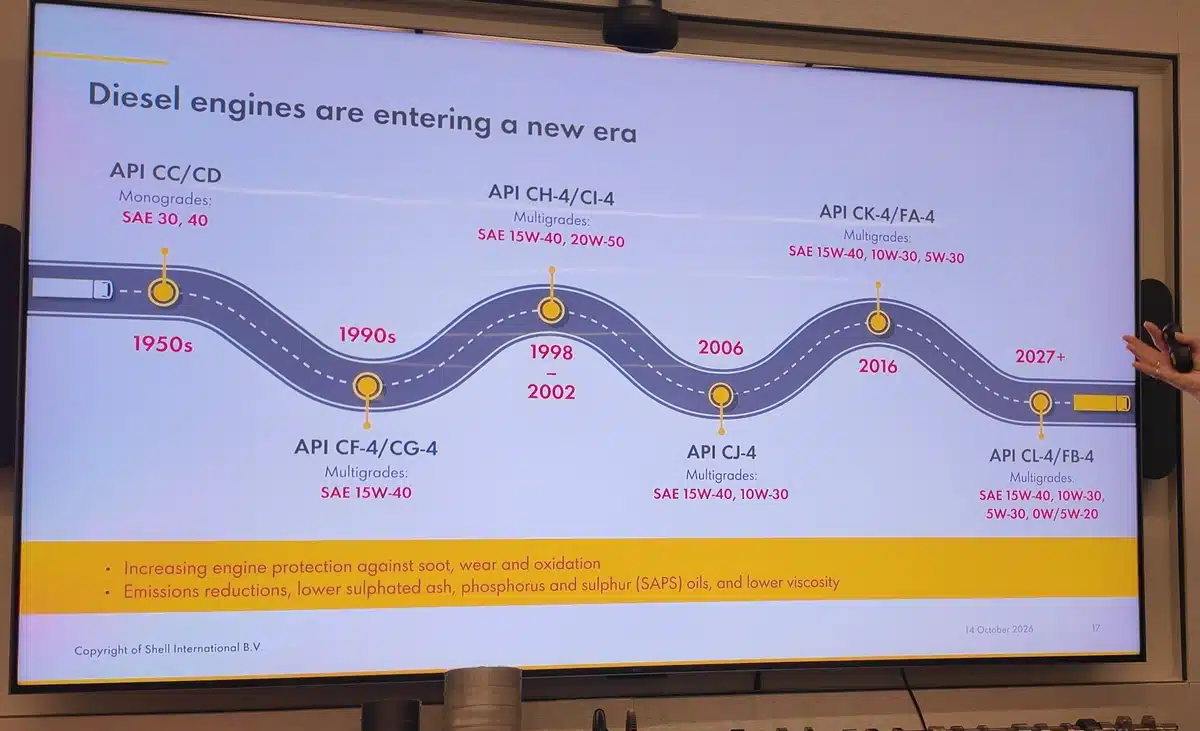
Our 8.3L Duramax reporting covers an announced GM engine. Aaron’s Daimler coverage examines commercial-engine development. Tim’s reporting from Shell’s Rotella technical event follows the oil testing intended to balance wear protection with emissions-system durability. These are connected engineering stories, not evidence that every truck maker has confirmed a larger engine.
Manufacturer announcements and predictions need to remain separate. A test engine or proposed oil specification is not confirmation of a new production pickup engine, its displacement or its launch date.
For owners, the useful questions stay concrete: Which rules apply to this truck? What has the manufacturer actually announced? What does its manual require? What will repairs cost, and what does the warranty cover? Those answers are more useful than treating EPA 27 as a reason to panic-buy or assume the next truck will fail.