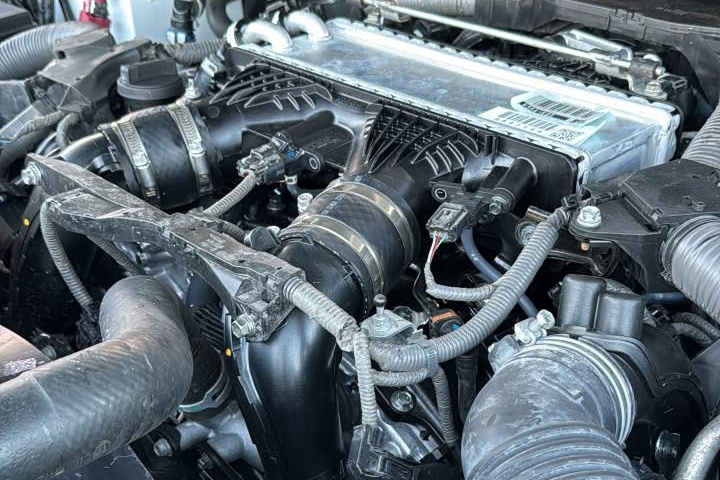
The Toyota Tundra hammer test is facing a new question after an owner reported that his 2023 truck’s engine failed roughly a month after passing the inspection.
The account raises a straightforward concern for owners: What does a passing result mean if the engine later fails? We need more information about this truck before drawing conclusions about the test.
We contacted Toyota for comment but had not received a response at the time of writing.
1. The owner reports a failure one month after inspection
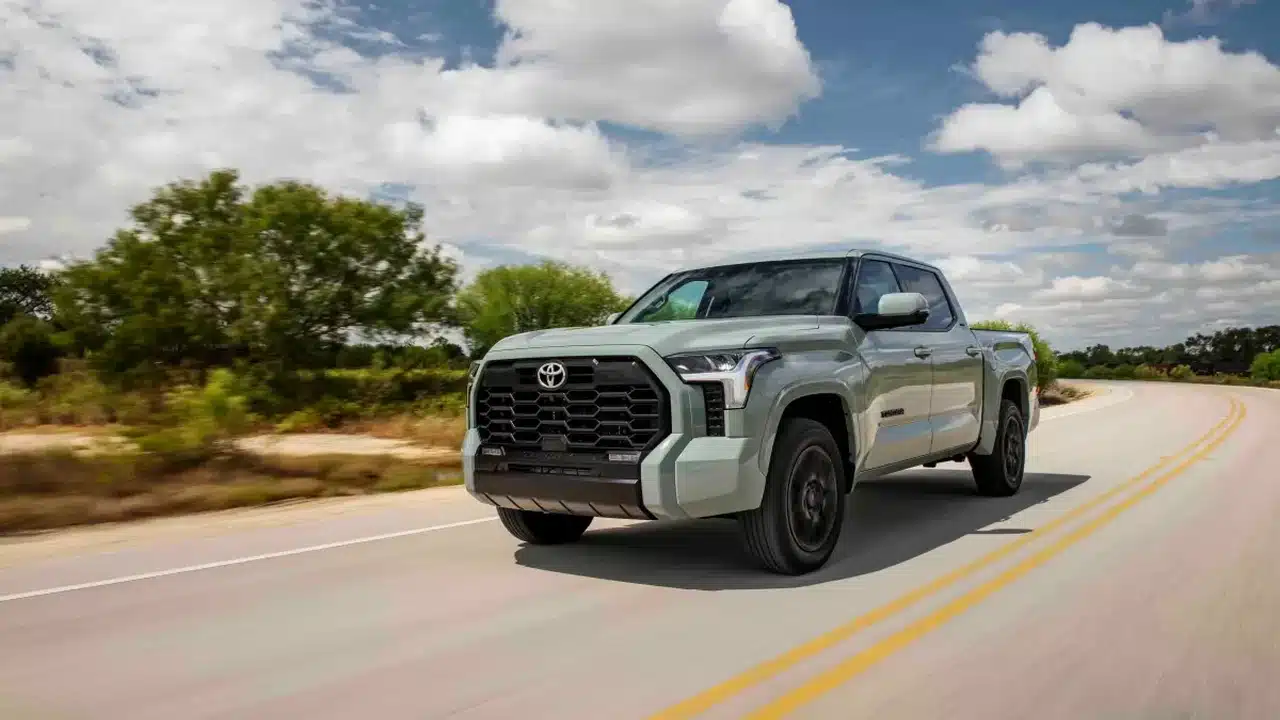
In an Oct. 30 Torque News report by Armen Hareyan, Gabriel Ctracho said his 2023 Tundra passed the inspection commonly called the hammer test, then suffered an engine failure about a month later at 63,780 miles.
Ctracho also said Toyota replaced the engine and did not allow the dealership to work on the failed engine because the company wanted to understand why it had passed. Torque News attributed his account to a Facebook owners-group post.
We have not independently reviewed his repair order, inspection results or Toyota’s findings. The report does not give exact calendar dates for the inspection and failure.
2. What the Toyota Tundra hammer test actually checks
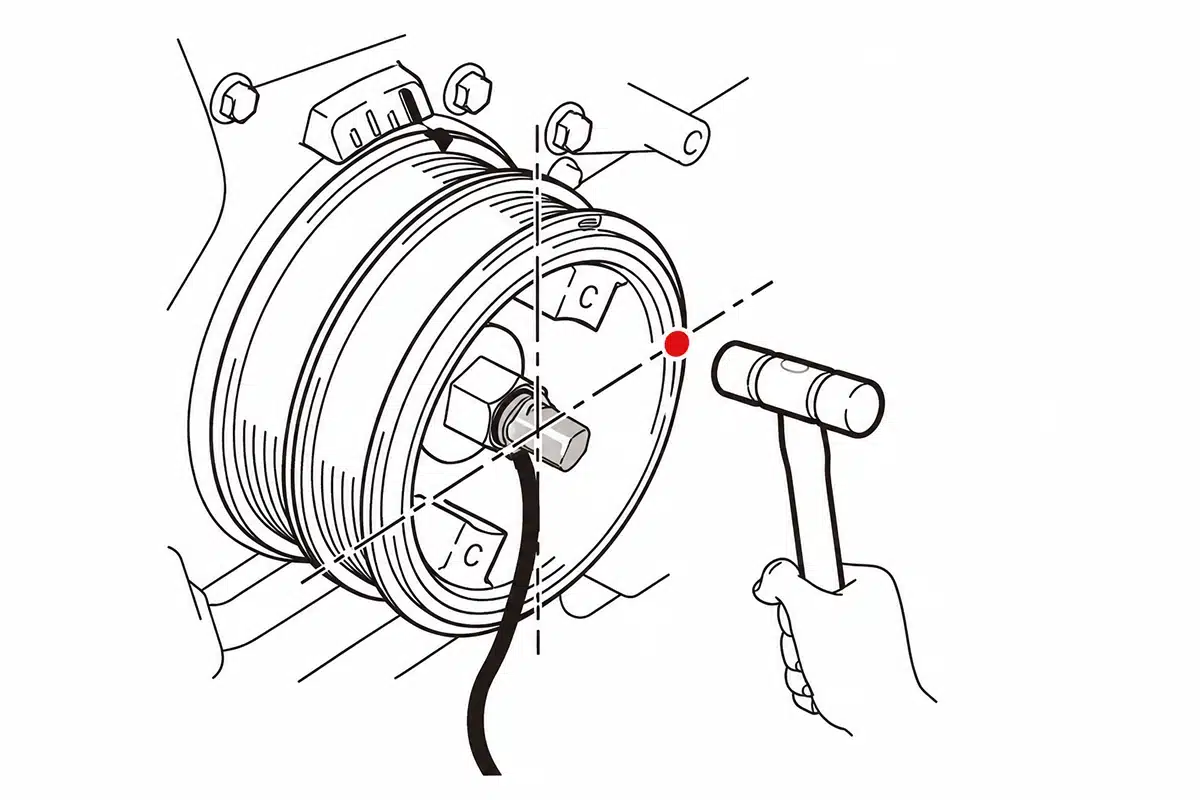
As we explained in our original hammer-test coverage, this is a measured inspection, not a mechanic listening for a bad sound.
Toyota’s V35A Crank Bearing Inspection uses a plastic hammer, an accelerometer and inspection software. Technicians prepare the engine, attach the sensor and strike the crankshaft pulley. The system checks the impacts and requires three acceptable measurements before returning its engine-replacement decision.
Toyota’s published dealer instructions say the remedy evaluates the No. 1 main bearing using inspection software and available vehicle drive data. If the system cannot confirm that the bearing will be free of abnormal wear from the recall condition, Toyota calls for engine replacement. A pass should not be read as a guarantee against every possible future engine problem.
3. A failure after the test leaves important questions
Other owners have reported passing the inspection. The opening post of the Tundras.com hammer-test results survey listed 20 passes and three failures in its quick-reference tally when we checked Oct. 30. That is 20 of 23 reported test results, or about 87%, passing. The tally was marked as last edited Oct. 28.
Those are self-selected owner reports in a forum, not Toyota’s complete inspection results or a representative sample. They show that other trucks have passed, but do not establish how often a passed engine later fails.
For Ctracho’s truck, the question is what failed, and whether that failure involved the condition the inspection was designed to identify. A diagnosis and the inspection record would matter more than the sequence of events alone.
One owner’s experience cannot establish a failure rate, prove the inspection is ineffective or show that the test caused damage. It also deserves a clear explanation from Toyota, particularly for owners who have already completed the procedure.
Toyota’s November 2025 recall announcement identifies machining debris left during production as a potential cause of knocking, rough running, a no-start condition or loss of motive power in affected vehicles. That documented recall concern does not establish the cause of this particular failure.
4. Keep the inspection record and check your truck’s status
Owners can use Toyota’s VIN lookup and ask their dealer which campaign and remedy apply. Keep the repair order showing when the inspection was completed, the mileage and the recorded result.
We recently covered additional Tundra remedy phases listed as available. A model-year range alone does not establish that a particular truck qualifies for an appointment or a replacement engine.
In its May recall update, Toyota advised owners experiencing symptoms to contact their dealer. A previous inspection result is useful service history, but new knocking, rough running or a no-start condition still needs attention.