Toyota has a new way to determine whether certain Tundra engines need to be replaced, and it involves a plastic hammer.
No, really.
New Toyota technical instructions show dealership technicians striking the crankshaft pulley with a plastic hammer while an accelerometer and computer software measure the response. After several controlled hits, Toyota’s system determines whether the engine passes inspection or needs replacement.
Pickup Truck + SUV Talk obtained Toyota technical instructions for campaign 25TA14, which detail the inspection procedure.
Toyota officially calls the procedure the V35A Crank Bearing Inspection, and it applies to certain 2022-2024 Toyota Tundra trucks.
Why the Toyota Tundra Engine Recall Now Includes This Test
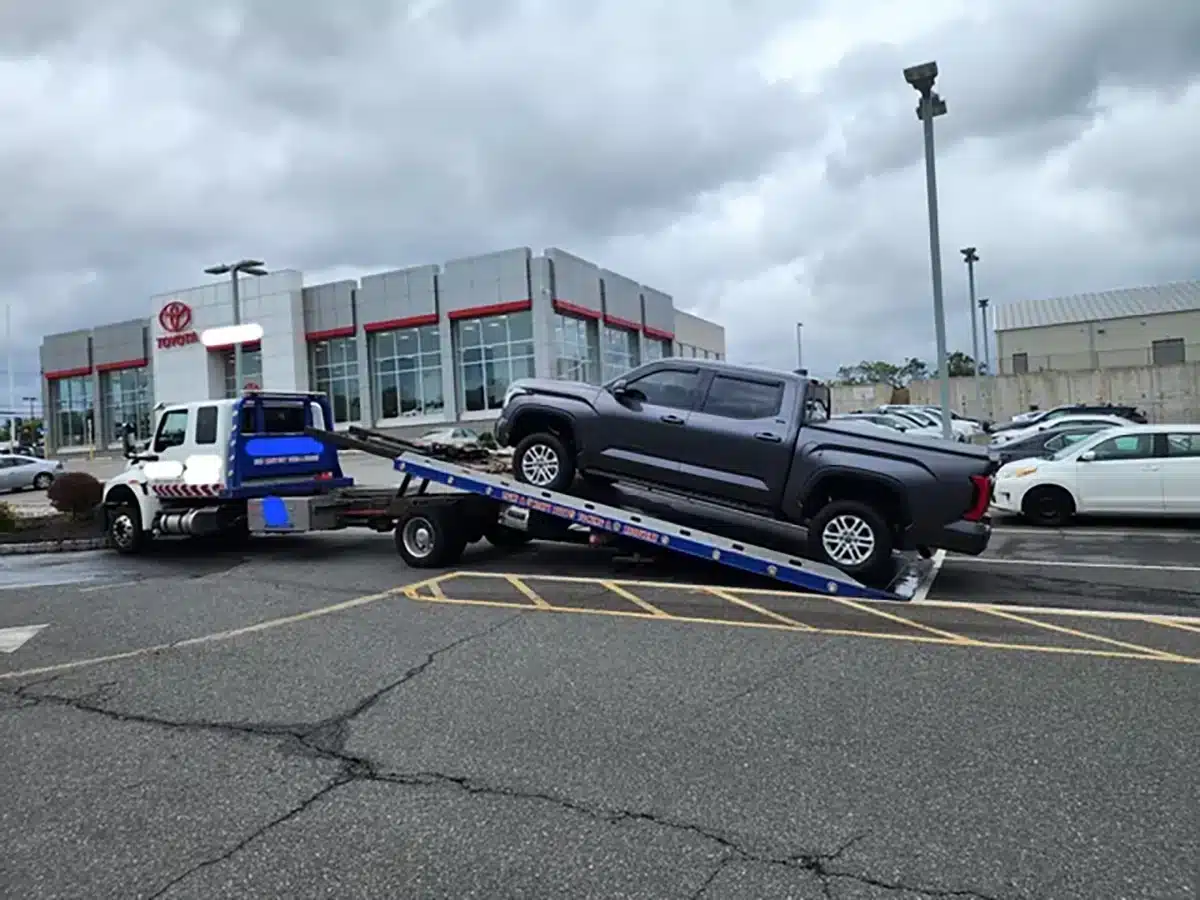
This latest procedure is tied to Toyota’s ongoing problems with certain V35A twin-turbo V6 engines.
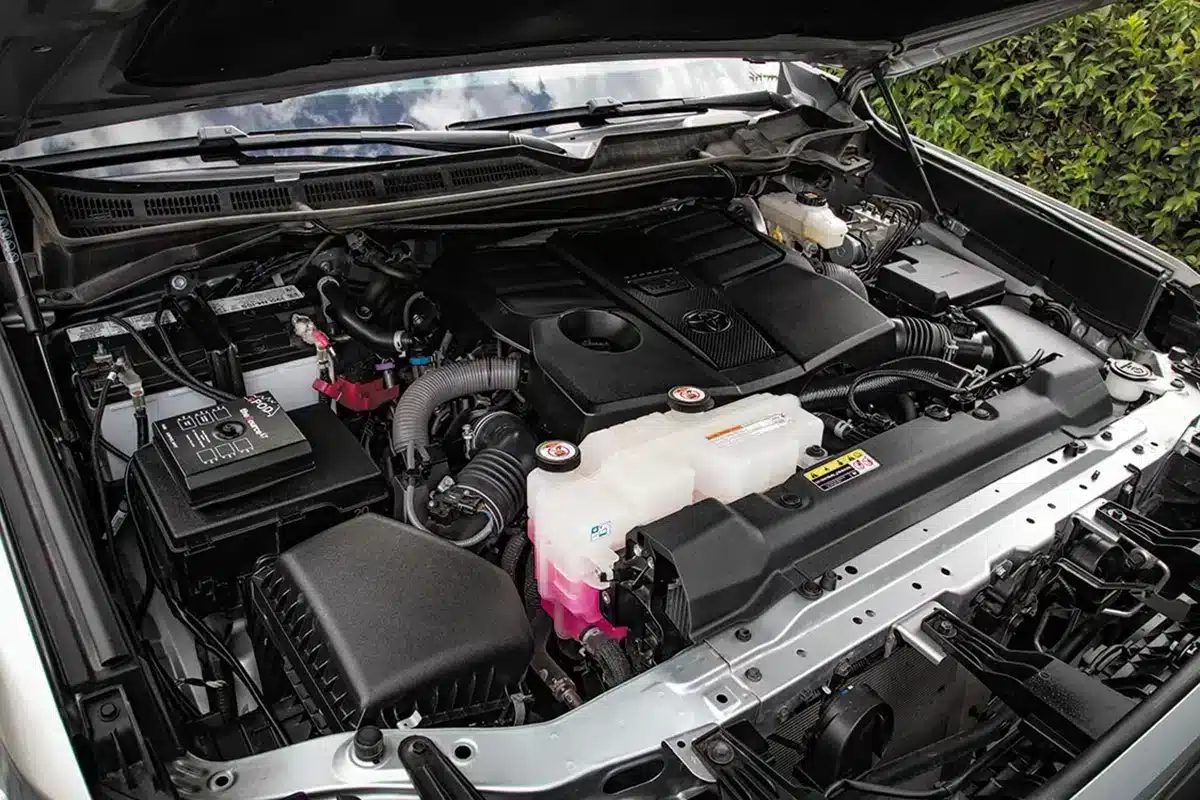
Toyota has previously recalled Tundra and other models because certain machining debris may not have been cleared from the engine during manufacturing. Toyota says debris may lead to engine knocking, rough running, a no-start condition or a loss of motive power.
In May 2026, Toyota announced another recall involving certain 2024 Tundras. Toyota said engines produced afterward received an improved No. 1 main bearing designed to better resist certain debris that might remain in the engine.
That brings us to the hammer.
Instead of automatically replacing every engine covered by this particular campaign, Toyota has developed an inspection procedure to determine which engines require replacement.
Yes, There Really Is a Hammer Test
Toyota’s instructions are much more scientific than the headline makes them sound.
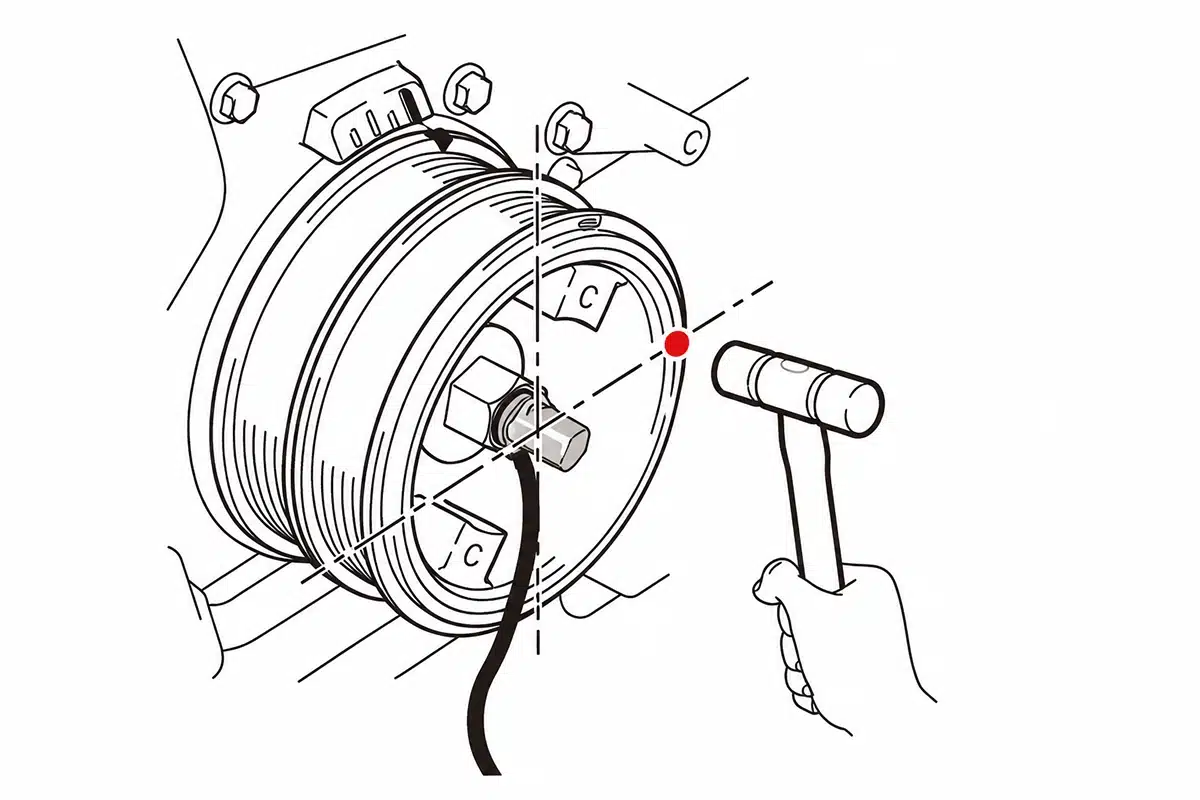
Before the inspection, technicians change the engine oil, bring the engine to specified temperatures, remove the accessory belts and position the crankshaft at a prescribed position. An accelerometer is then mounted directly to the crankshaft bolt and connected to Toyota’s inspection software.
The technician then uses a plastic hammer to strike the crankshaft pulley at a specified location.
Toyota’s software even judges the quality of the hit. It can tell the technician the strike was “Good,” “Too weak,” “Too strong” or that the technician accidentally hit it twice.
For the actual inspection, the crankshaft pulley is struck at the 3 o’clock position. Toyota requires three acceptable measurements and limits how hard the technician can strike the pulley.
So this isn’t a technician tapping on an engine and listening for a bad sound.
The hammer creates the impact. The accelerometer and Toyota’s software do the measuring.
Toyota’s Software Makes the Call
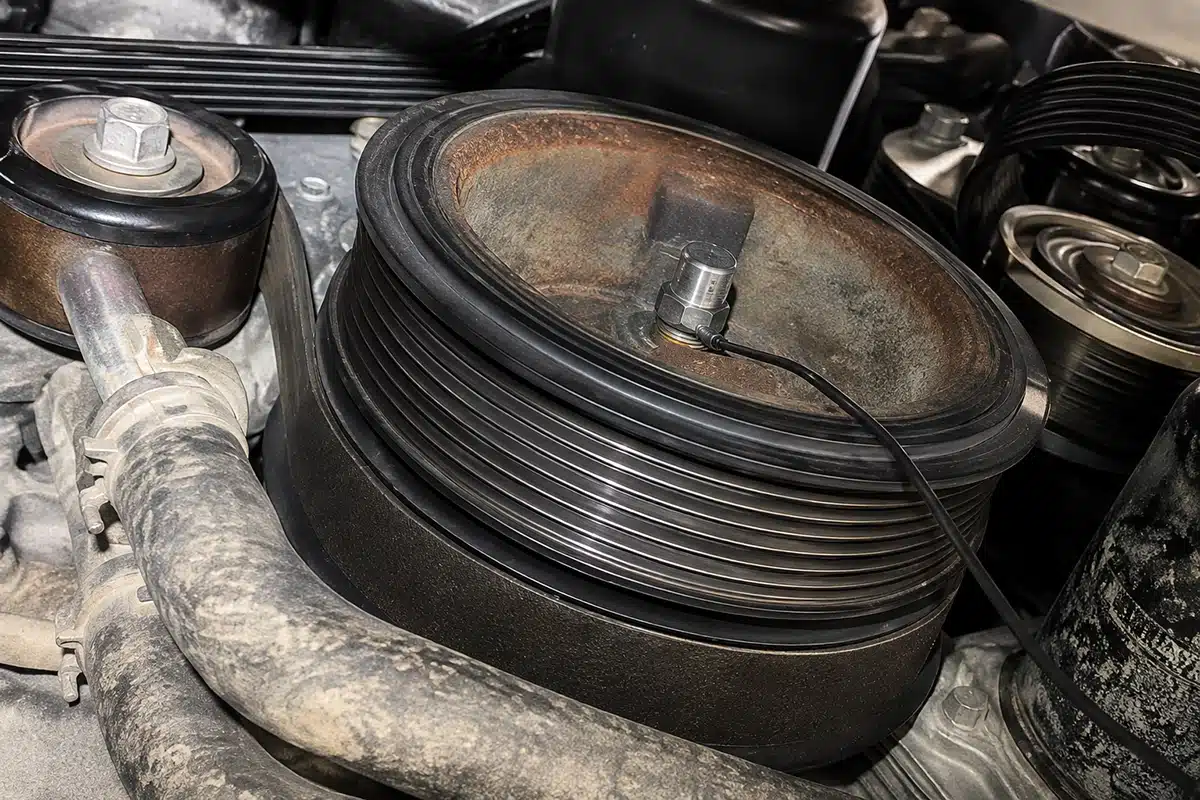
Once three acceptable measurements have been recorded, Toyota says the vehicle data and inspection diagnosis are automatically sent to the cloud.
The system then returns one of two answers.
OK: Engine assembly replacement is not required.
Replace: Engine assembly replacement is required.
Toyota’s technical instructions do not explain exactly what characteristics in the measured data cause an engine to pass or fail, so we’re not going to guess.
What they do make clear is Toyota has developed a repeatable inspection process using a controlled impact, an accelerometer and computer analysis to help determine the condition of these engines without first tearing them apart.
The Engineering Behind the Hammer Test
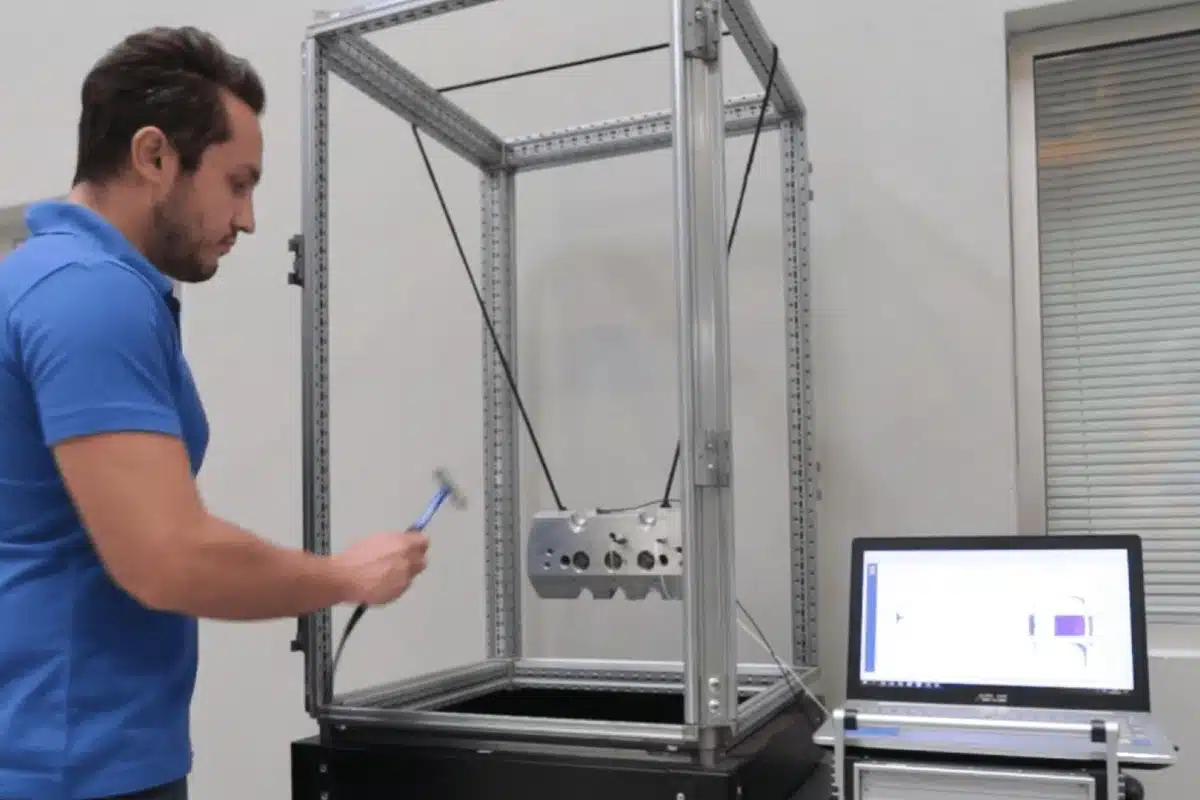
As strange as Toyota’s procedure looks, engineers hitting mechanical components with hammers and measuring the resulting vibration is nothing new.
The broader technique is generally known as impact testing or experimental modal analysis. Engineers apply a short, controlled force to a structure and use sensors such as accelerometers to measure how it responds. From that response, they can study things like natural frequencies, resonance and damping. The National Institute of Standards and Technology describes an impact hammer as a handheld force sensor used to apply a pulse force to a system for dynamic measurements.
The technique has been used for decades on everything from buildings and machinery to automotive components. It is particularly useful when engineers want to understand how a component vibrates without continuously shaking it with specialized laboratory equipment. Modern modal-testing systems can even automatically identify and reject a double strike from the hammer, much like Toyota’s Tundra inspection software does.
Crankshafts aren’t new to this kind of testing either. Published engineering studies have used an impact hammer and accelerometer to excite crankshafts and measure their vibration response, then analyze the data to identify their dynamic characteristics.
What makes Toyota’s procedure interesting isn’t the engineering principle. That’s established practice. What’s unusual is seeing it turned into a dealership inspection that can help determine whether a customer’s engine needs to be replaced.
It Sounds Crazy, But It Makes Sense
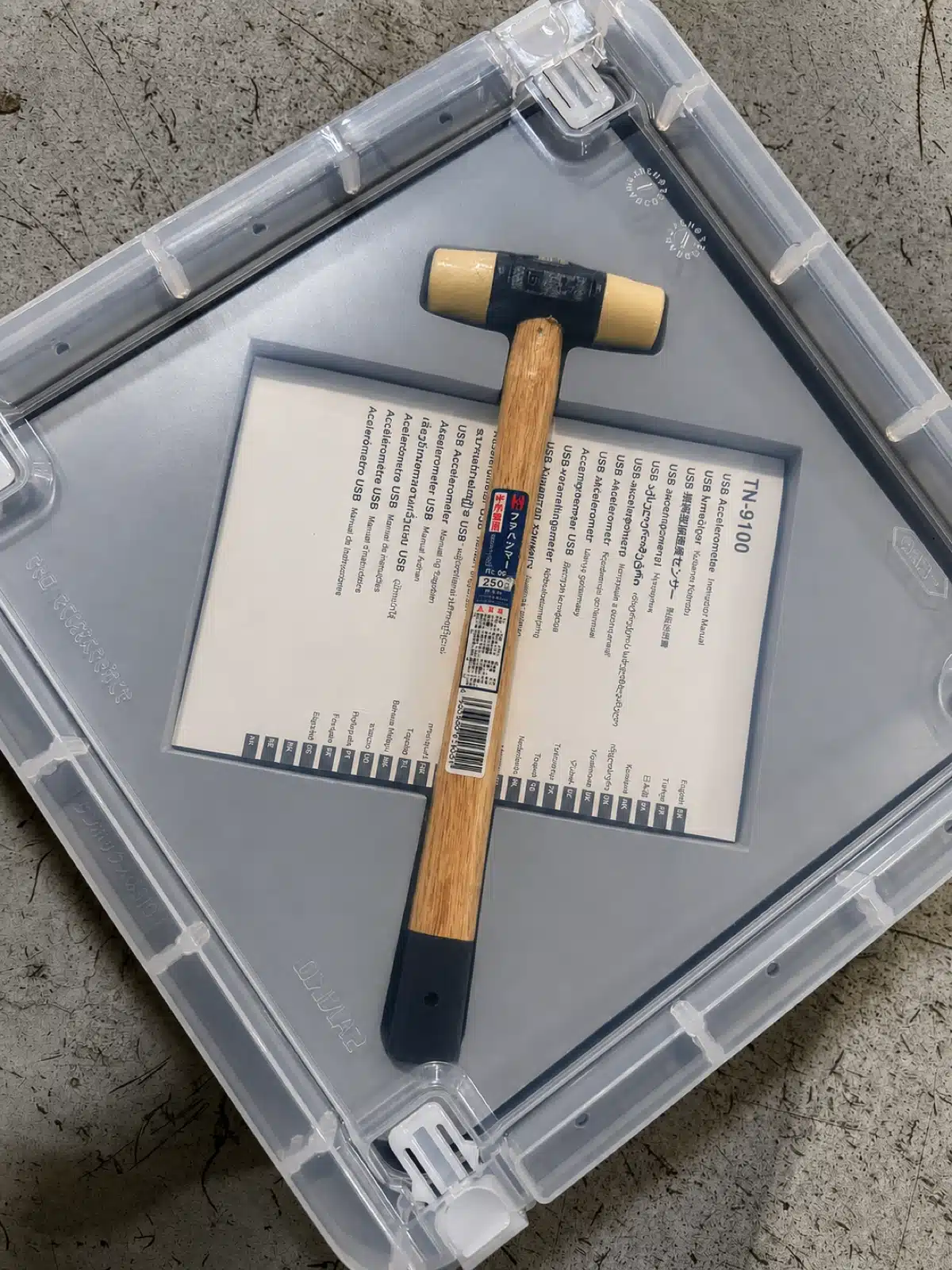
Calling it the “hammer test” makes the whole thing sound a little ridiculous, but I’d suspect that’s what it is going to be called.
Toyota controls the oil, temperatures, crankshaft position, accessory belts, hammer location and even the strength of the strike. The technician isn’t listening for a bad engine. The technician is creating a controlled impact so Toyota’s inspection system can measure the response.
Still, imagine bringing your Tundra into the dealership because of an engine campaign and looking through the service bay window to see a Toyota technician standing there with a hammer.
There are probably going to be some interesting conversations at service counters.