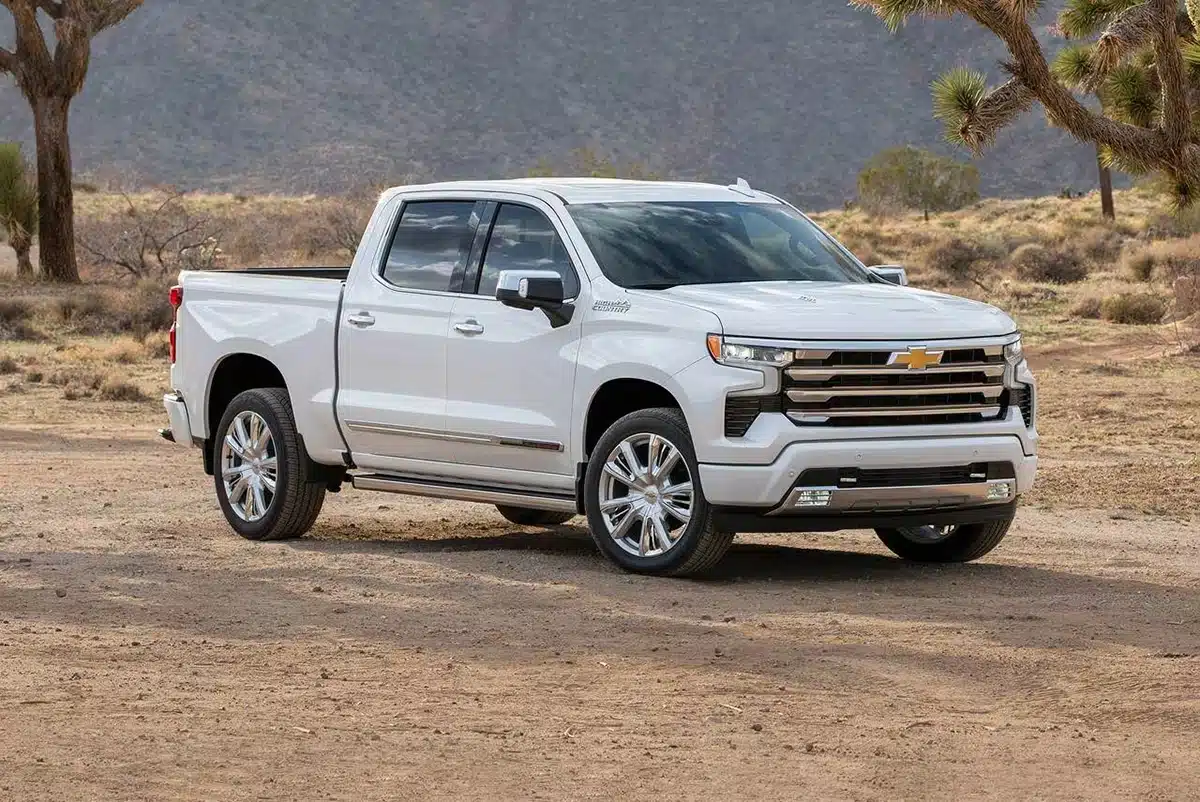
The Chevrolet Silverado is one of the newest names in pickup trucks, but stems from one of the oldest builds in American history. The Silverado took over from the C/K models in 1999 with the 2019 model year marking the Silverado’s fourth generation. There are four powertrain options for the Silverado 1500, each of which has its own known engine problems.
The fifth-gen Silverado will come in 2027 and will feature the same basic engine lineup: a turbo-4, two V8s, and a diesel. All three gasoline engines will undergo significant changes or complete swapouts for the new generation truck.
2.7L TurboMax problems
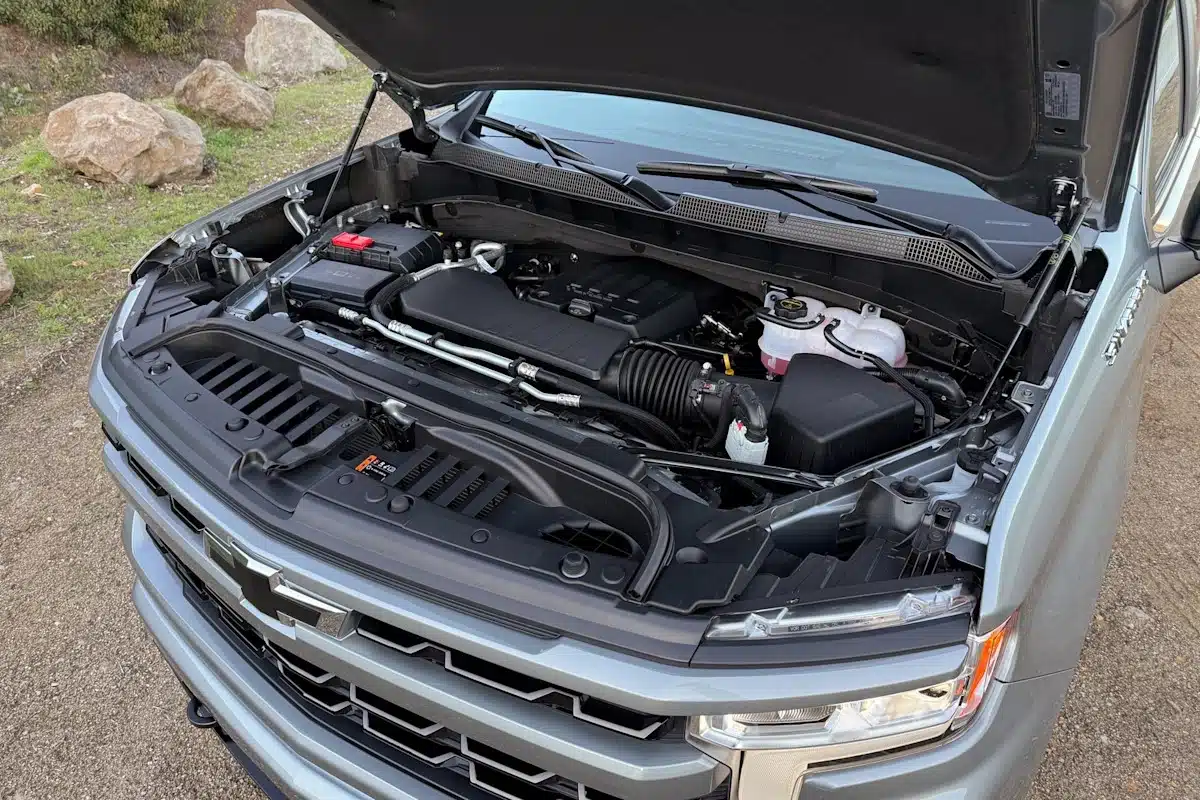
The TurboMax is the small, V6 replacement that appeared in the Silverado in this generation. Outputting high torque and horsepower compared to the 4.3L V6, it’s a popular entry-level choice for the truck. There have been no major recalls for the 2.7L turbo. There have, however, been some service bulletins and known issues.
Fuel injector problems in the early models of the Silverado’s fourth generation (2019-2022) were addressed with a software update to the engine control module (ECM). Similarly, bulletins for camshaft sliding lobe binding and a wiring harness chafing risk were also addressed with early technical service bulletins.
New 2025-2026 models have also been subjected to a known issue release regarding top-end ticking noises due to manufacturing debris in the hydraulic lash adjuster. This affected only a few models with the 2.7L.
The current 2.7 TurboMax will be replaced with an updated version for the all-new 2027 Silverado.
5.3L V8 problems
The stoic 5.3 is the bedrock of engines for the Silverado. The current 5.3L V8 has not been subject to a major engine recall, although owners and technicians continue to report lifter-related problems involving its cylinder-deactivation system.
Like other direct-injected engines, carbon deposits can accumulate on the intake valves because fuel does not wash over them. If deposits cause rough idle, hesitation or misfires, mechanical intake-valve cleaning may be required. Chevrolet does not include this procedure in its scheduled maintenance.
Water pump failures are also often cited by Silverado owners with this engine, with leaking or failed water pumps causing coolant loss and overheating. Technicians recommend proper inspections during maintenance to catch this early and avoid catastrophe.
The 5.3L will be leaving in 2027 in favor of a new 5.7L V8 in the new-generation Silverado.
6.2L V8 problems

Of the four engines available in the Silverado, the 6.2L is the large-displacement option providing strong power output and a beautiful exhaust note. It’s also the one with the most serious engine recall associated with it. The 6.2 will be leaving in 2027 in favor of a new 6.6L V8 replacement.
NHTSA opened an investigation into L87 engine failures in January 2025 after receiving reports of bearing failures, engine seizures and breached engine blocks. GM subsequently recalled certain 2021-2024 Silverados under NHTSA campaign 25V-274 because manufacturing defects in the crankshaft or connecting rods could cause engine damage, failure and a sudden loss of propulsion. Depending on the VIN and inspection results, the remedy includes higher-viscosity oil or engine replacement.
Hydraulic lifters used by the Dynamic Fuel Management system can stick, collapse or fail completely, potentially causing misfires and bent pushrods. It can happen suddenly, followed by a tell-tale loud ticking in the engine.
Like other direct-injected engines, carbon deposits can accumulate on the intake valves because fuel does not wash over them. If deposits cause rough idle, hesitation or misfires, mechanical intake-valve cleaning may be required. Chevrolet does not include this procedure in its scheduled maintenance.
3.0L Duramax problems
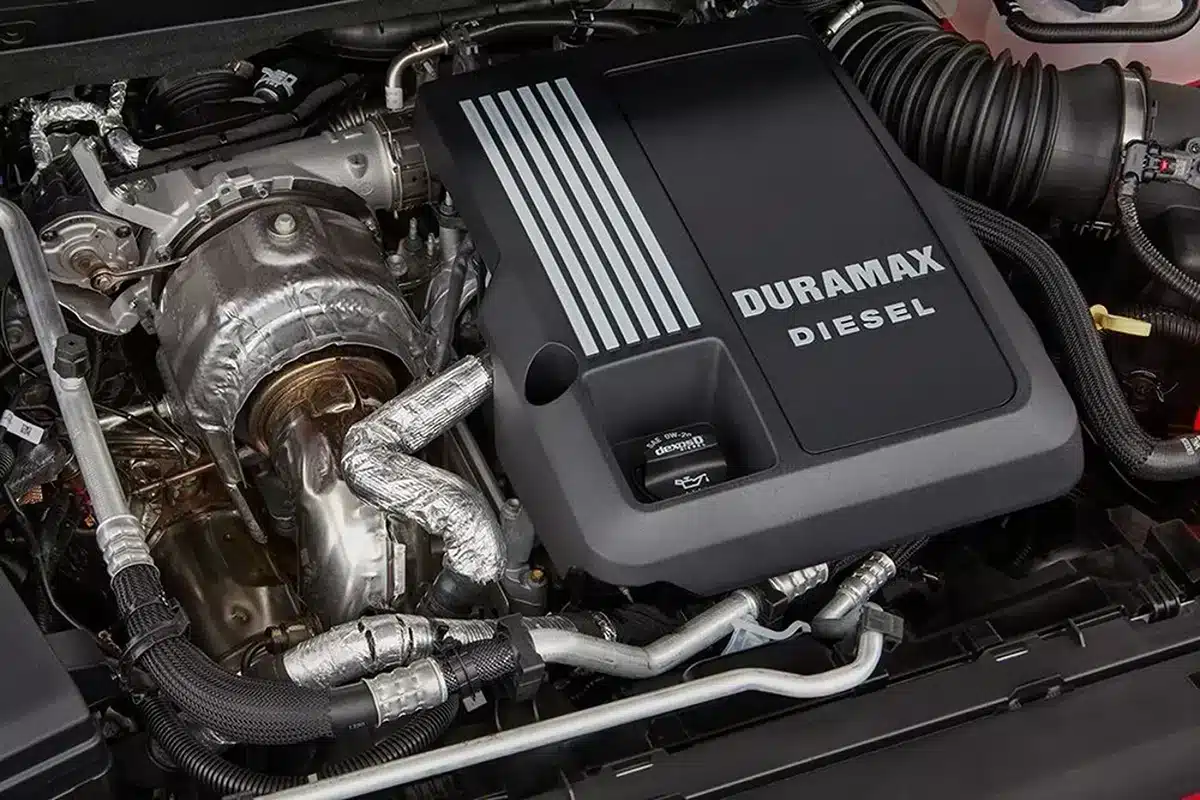
The “Baby Max” is the small-displacement turbodiesel found in a long list of General Motors’ vehicles, including the Silverado. Known for its quiet presence and strong towing, the Duramax 3.0 is a smooth operator, but is still the subject of known problems.
The 3.0L Duramax was included in NHTSA recall 24V-797, which covers certain 2020-2022 diesel Silverados. Excessive wear in a transmission control valve can cause harsh downshifting and momentary rear-wheel lockup. Dealers address the problem with transmission-control-module software designed to detect wear before the wheels lock. Its most significant powertrain recall is addressed through a software update and concerns the transmission rather than the engine itself.
Not subject to recall as of yet is a relatively rare thrust bearing issue. This problem has resulted in several engine replacements under warranty and does have a service bulletin (TSB 25-NA-307) for service technicians to explain how to check for it. This problem seems to have been isolated to a series of Duramax engines that were assembled incorrectly in the 2025-2026 model years. A temporary fix was given: change the oil. This resulted in a lot of false, negative commentary about how thinner oil was to blame.
Possibly associated with the above issue are oil leaks at the rear main seal, the rear engine plate, or the oil pan. This can lead to expensive repairs or, in the case of oil pan leaks, silicon sealant entering the engine oil.
Finally, it’s not uncommon for Duramax owners to complain of long crank times before start. This is usually due to the camshaft position exciter wheel shifting or making contact with other timing components, throwing off sensor synchronization. This can be an expensive fix if not covered under warranty.
One more point of concern, though not often cited as a known problem for owners, is the rearward positioning of the oil pump and accessories on the Duramax 3.0L engine. The wet belt driving the oil pump is meant for long service life and so far seems to have lived up to that claim, but mechanics often voice concern over the cost of replacement, which requires transmission separation to access.
Which engine is most reliable?
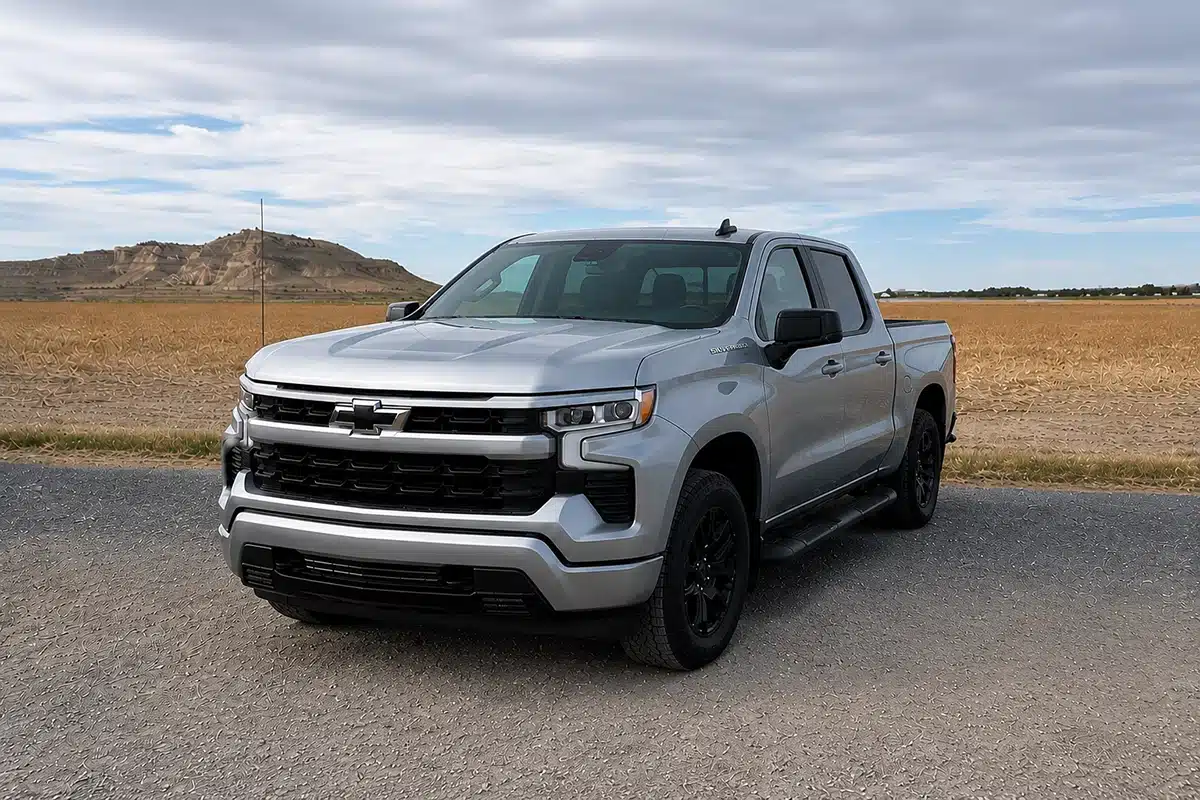
The only engine not up for replacement in the upcoming 2027 Chevrolet Silverado is also the most reliable of the four options: the Duramax diesel. Most of the Duramax’s known mechanical problems are relatively rare and have not resulted in a Silverado engine-replacement recall. Its only recall is addressed through a software update.
The 3.0L Duramax (LZ0) was also a favorite for PUTT’s founder, Tim Esterdahl, who owned one and reported on it here over the long term. Given our history with the engine, the overall lack of serious problems it has shown, and its general praise amongst owners and the press, we think the Baby Max is the best engine of the current-generation Silverado’s lineup.
Should you buy one?
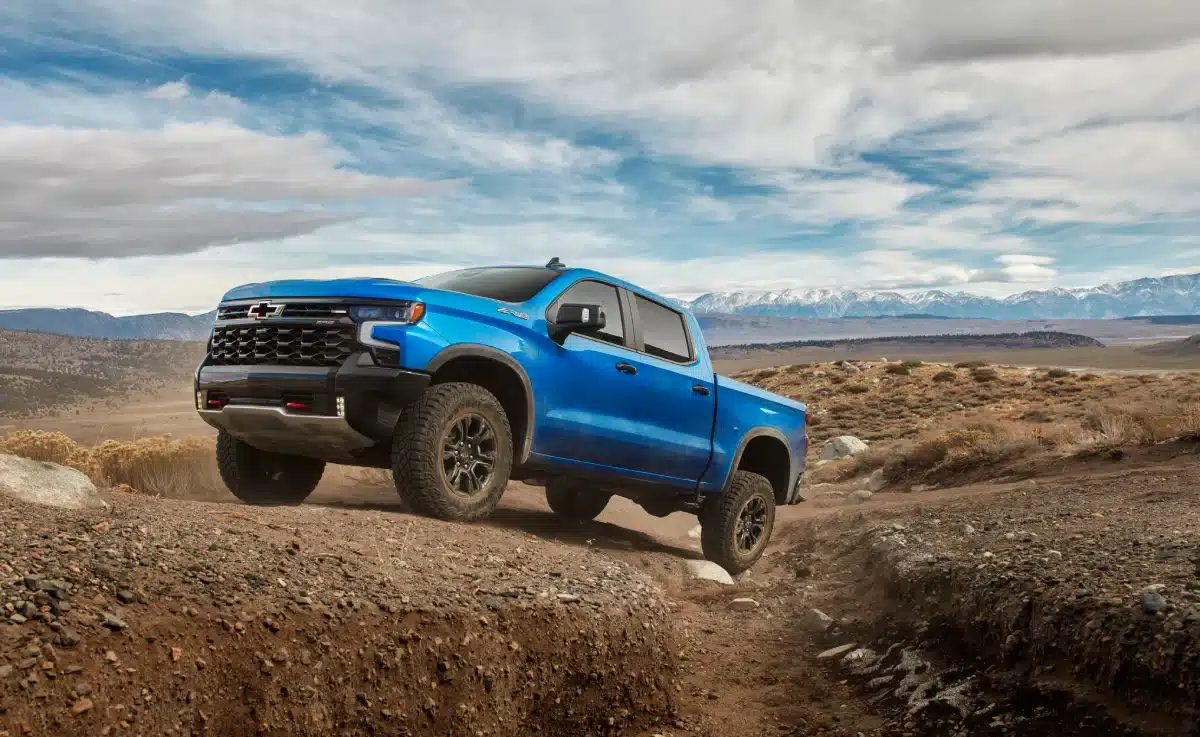
The Silverado ranked number three on our most reliable full-sized truck list, beating out Toyota, but coming in after Ford and Ram. Overall, the Silverado (and its GMC Sierra twin) had too many issues compared with the higher-ranked trucks.
The 6.2L engine recalls and controversies, lifter failures in the 5.3L, and overall number of recalls for the truck in general just make the Silverado too suspect to own. Perhaps the new generation of the truck, especially the replacement for that problematic 6.2L gasser, will remedy this and push it up next year’s Most Reliable list.
We do think that if you are looking at a fourth-generation Silverado, though, the Duramax is clearly your best bet for overall powertrain reliability.