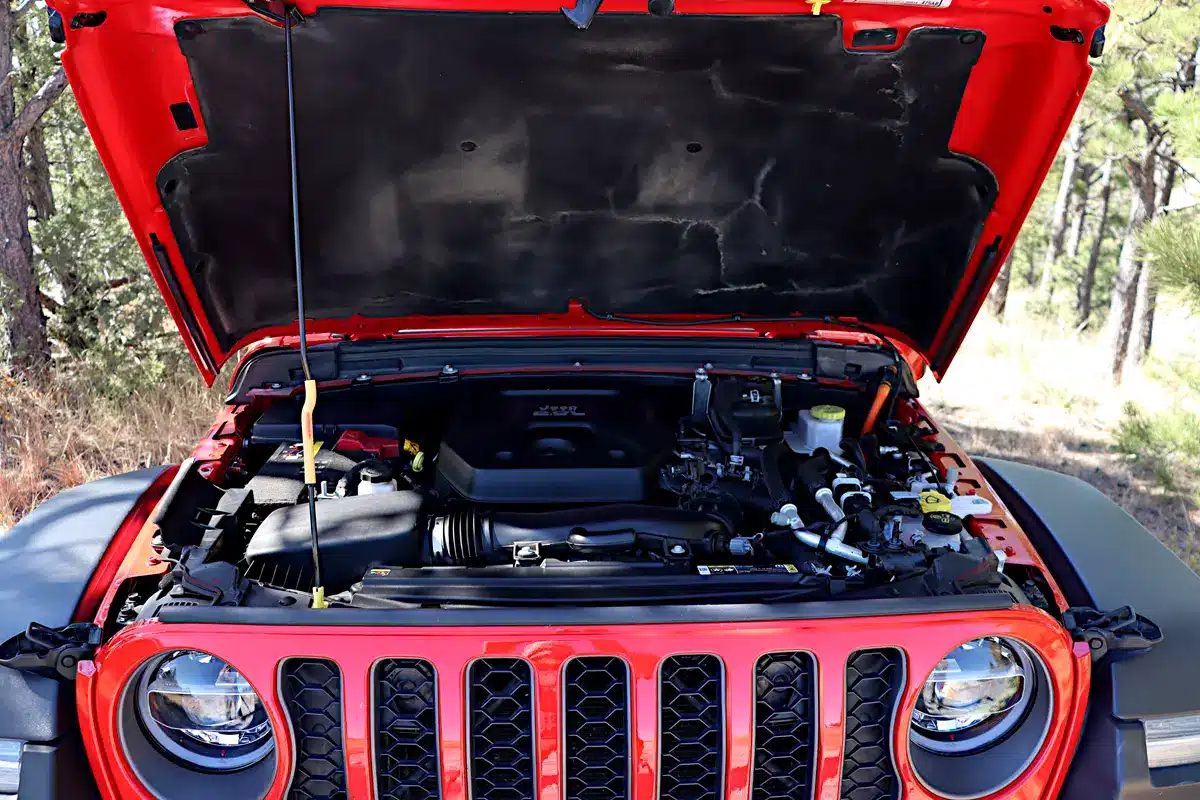
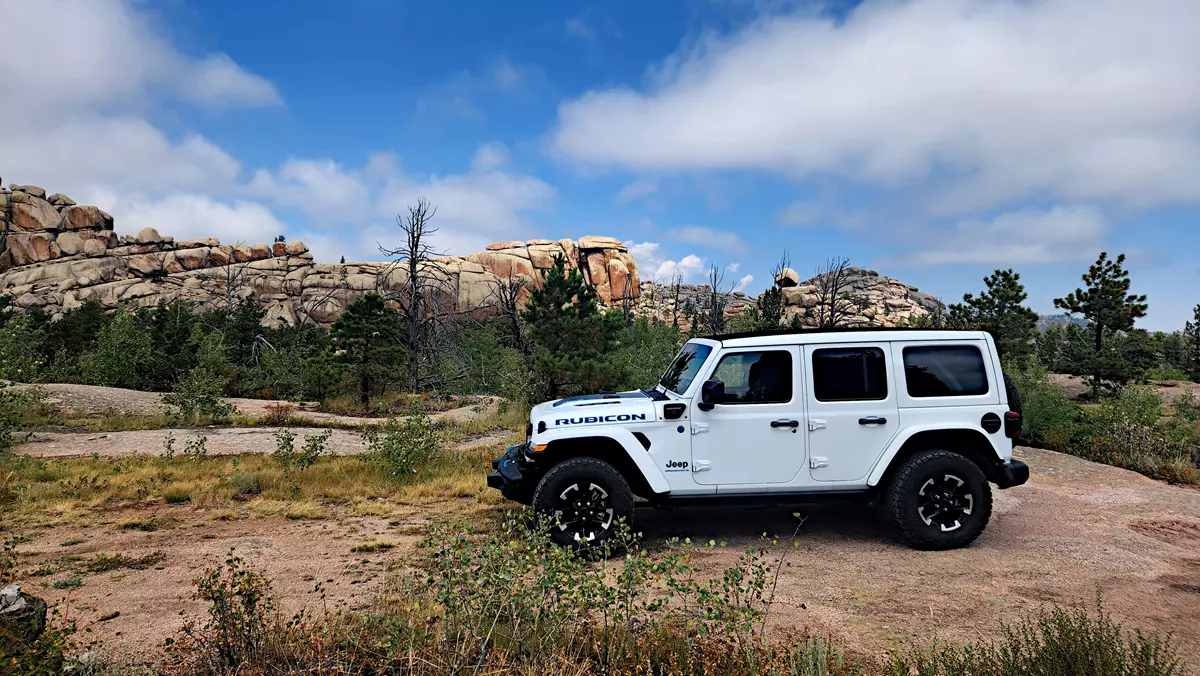
Jeep unveiled the fourth-generation Wrangler, known as the JL, for the 2018 model year. The company refreshed the Wrangler’s exterior styling and interior for 2024, and the current generation has become the model’s best-selling version. It is not, however, without its own set of known problems.
The information presented here comes from the National Highway Traffic Safety Administration (NHTSA), public relations materials and press releases from Jeep and parent company Stellantis, as well as online owners’ forums and social media.
Engine and Transmission Issues
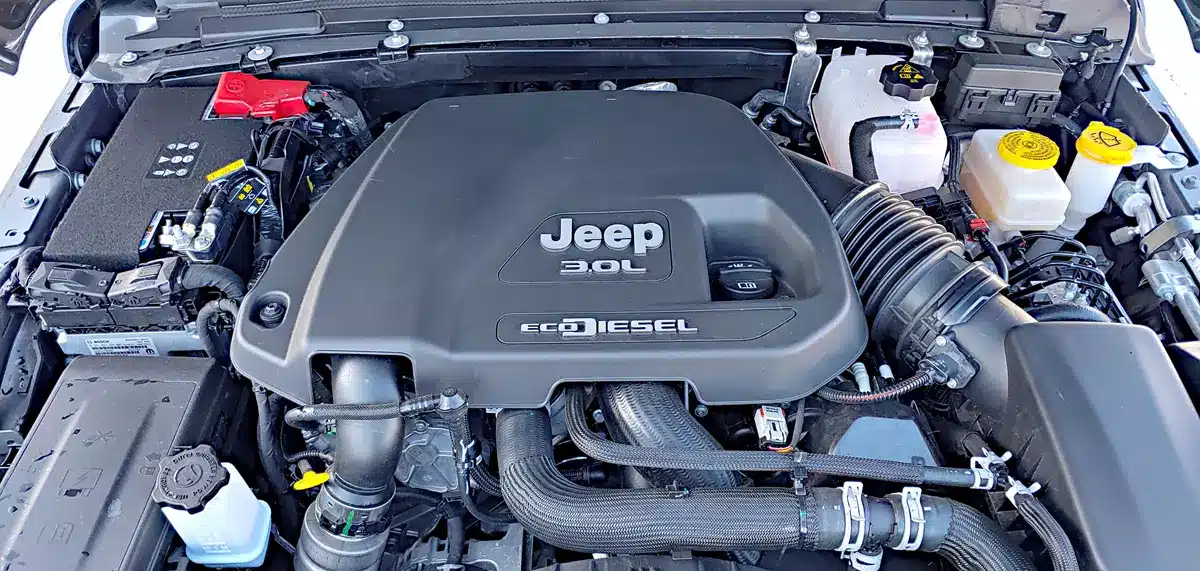
The fourth-generation Wrangler has offered six engines and four transmissions across its lineup, including a plug-in hybrid system for the 4xe model. The base engine is the long-lived 3.6-liter Pentastar V6. Despite the large number of powertrains available for it, the Wrangler has relatively few major engine or transmission recalls to report. We’ve also included powertrain-related technical service bulletins in this list.
High-Pressure Fuel Pump Failure (23V-263): Some 2021-2023 Wrangler EcoDiesel models may experience a high-pressure fuel pump failure. The failure can send debris into the fuel system and cause the engine to stall or fuel to leak.
Cracked Fuel Supply Line Connector (21V-665): Some 2020 Wranglers with the turbocharged 2.0-liter engine may have a cracked connector near the high-pressure fuel pump, potentially allowing gasoline to leak into the engine bay.
Clutch Overheating, Loss of Power (21V-028): Some 2018-2021 Jeep Wrangler models equipped with a manual transmission may experience clutch overheating that can fracture the pressure plate and result in a loss of power.
Incorrect Transmission Park Lock (18V-280): Early-production 2018 Wrangler models may have an incorrect park-lock rod in the eight-speed automatic transmission. The shifter may display “Park” even though the transmission is not mechanically locked, creating a rollaway risk.
Turbocharger Coolant Leaks (TSB): This bulletin addresses leaking turbocharger coolant return lines in the turbocharged 2.0-liter engine and outlines identification and repair procedures.
Service Shifter Warning (TSB): Several TSBs cover instances in which the vehicle fails to shift out of park or displays warnings such as “Service Shifter.” Most of the fixes involve software updates.
Major Recalls for the Jeep Wrangler
NHTSA oversees the federal safety-recall process, and manufacturers must follow its protocols when conducting a recall. The following recalls apply to this generation of the Jeep Wrangler, listed from newest to oldest, excluding those covered in the Engine and Transmission Issues section above.
Steel Wheels Structural Cracking (26V-456): Thin steel wheel walls on some 2026 models may crack or detach, increasing the risk of a loss of control.
Electric Hydraulic Power Steering Pump Fire Risk (26V-363): Some 2021-2025 vehicles were recalled because wiring may overheat and cause a fire, even while the vehicle is parked. This is an “Urgent, Park Outside” warning and recall.
PHEV Battery Pack Fire Risk (25V-741 & 24V-720): High-voltage batteries in certain Wrangler 4xe models may fail and create a fire risk. The recall expands or replaces previous software remedies.
Remote Start Antenna / TPMS Wiring (25V-527): Some 2024-2025 Wranglers may have a pinched remote-start antenna wire, which could prevent the tire-pressure monitoring system (TPMS) warning light from illuminating properly.
Disabled Rear Camera & Brake Light (24V-676): Faulty or improperly installed wiring on some Wranglers may prevent the rearview camera image from appearing on the screen and the center high-mounted brake light from illuminating.
Instrument Panel Cluster Short Circuit (24V-652): An internal short circuit in some 2018-2024 Wranglers can cause the instrument-cluster display to go blank and conceal critical information, including vehicle speed and warnings.
Cruise Control Doesn’t Stop (18V-332): Some early-production 2018 Wranglers may have a software defect that prevents the cruise-control system from disengaging. This can lead to loss of control and a crash.
Technical Service Bulletins for the Wrangler
A technical service bulletin (TSB) is a set of instructions for dealerships and technicians outlining a specific known issue with a vehicle. Some TSBs address recall-related problems, while others cover common issues or warranty claims. The following are the TSBs affecting the largest number of Wrangler JL models.
Flickering/Blank Backup Camera Display: This bulletin provides instructions for updating the Uconnect infotainment software when the backup-camera image fails to display. This is a first step before replacing hardware or wiring.
False Fault Codes DTCM Software: This TSB outlines steps to reprogram the drivetrain control module (DTCM) to prevent false fault codes, such as C1463-94, from triggering dashboard warning lights.
Steering Gearbox Play: Early 2018-2020 JL models may experience wandering or sloppy steering. This TSB details replacing the aluminum steering box with a steel unit.
Intermittent Warm Air: Software logic errors can cause sudden warm air blasts or humidity swings in the cabin when the A/C is running. This TSB outlines a climate system software update.
Jeep Wrangler Known Problems
These are the most commonly reported Wrangler problems that are not addressed by a specific TSB or recall. Most are reported in Jeep owners’ forums and by technicians.
Oil Cooler Housing Leaks: The Pentastar V6 is known for cracks in its oil-filter housing and cooler adapter. These can lead to oil and/or coolant leaks into the valley atop the engine block.
Death Wobble: Common among many truck-based vehicles, especially four-wheel-drive models, “death wobble” is a sudden shaking or oscillation of the front end at highway speeds, usually after the vehicle hits a bump or road imperfection. The Wrangler is not immune. The problem often points to premature wear in the track-bar bushings, steering damper or ball joints.
Auxiliary Battery System Failures: Like many Stellantis vehicles, the Wrangler JL uses both a starting and an accessory/auxiliary battery. The auxiliary battery can degrade prematurely, causing erratic electronic behavior such as flickering instrument-panel lights and random warning messages.
Plug-in Hybrid (4xe) Fails to Charge: Customers often complain about the PHEV model Wrangler 4xe failing to charge when plugged into an outlet. This is usually caused by a software or connection fault, an overheating control module or a similar problem.
How to Check for Recalls on Your Jeep
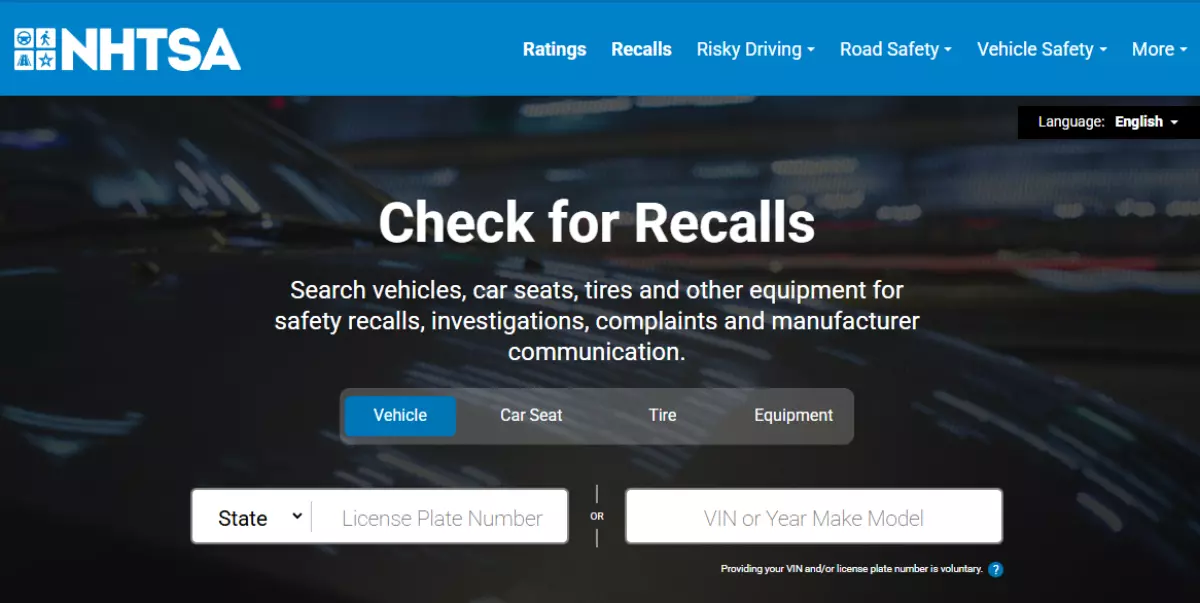
The easiest way to check for current recalls that may affect your Wrangler is to visit the National Highway Traffic Safety Administration (NHTSA) Recalls page and enter your license plate or 17-digit vehicle identification number (VIN) to run a search. You can also do this at the Jeep Aftersales recalls page.