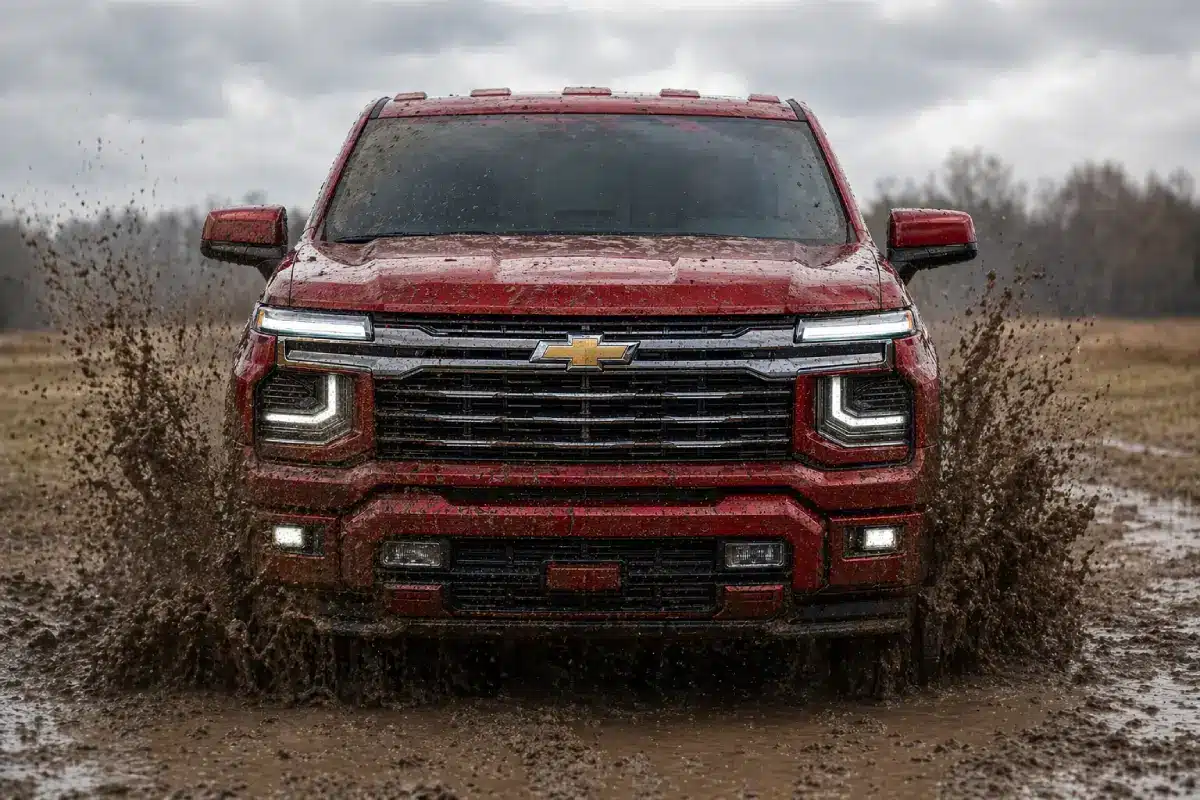
The 2027 Chevy Silverado 1500 is a pivotal vehicle in the GM portfolio. Bringing in the first new 1500-series Silverado since 2019, the new platform sports a choice of two new gas V8s and a diesel. Yet, at the bottom end of the lineup, Chevy is taking a massive gamble on the next generation of its TurboMax four-cylinder engine where other brands use six-pots. Is it up to the task of competing with Ford and Ram? Today, we’re breaking down the facts to see where they lie.
2027 Silverado 1500: A Base 2.7 Turbo Four-Banger With the Works
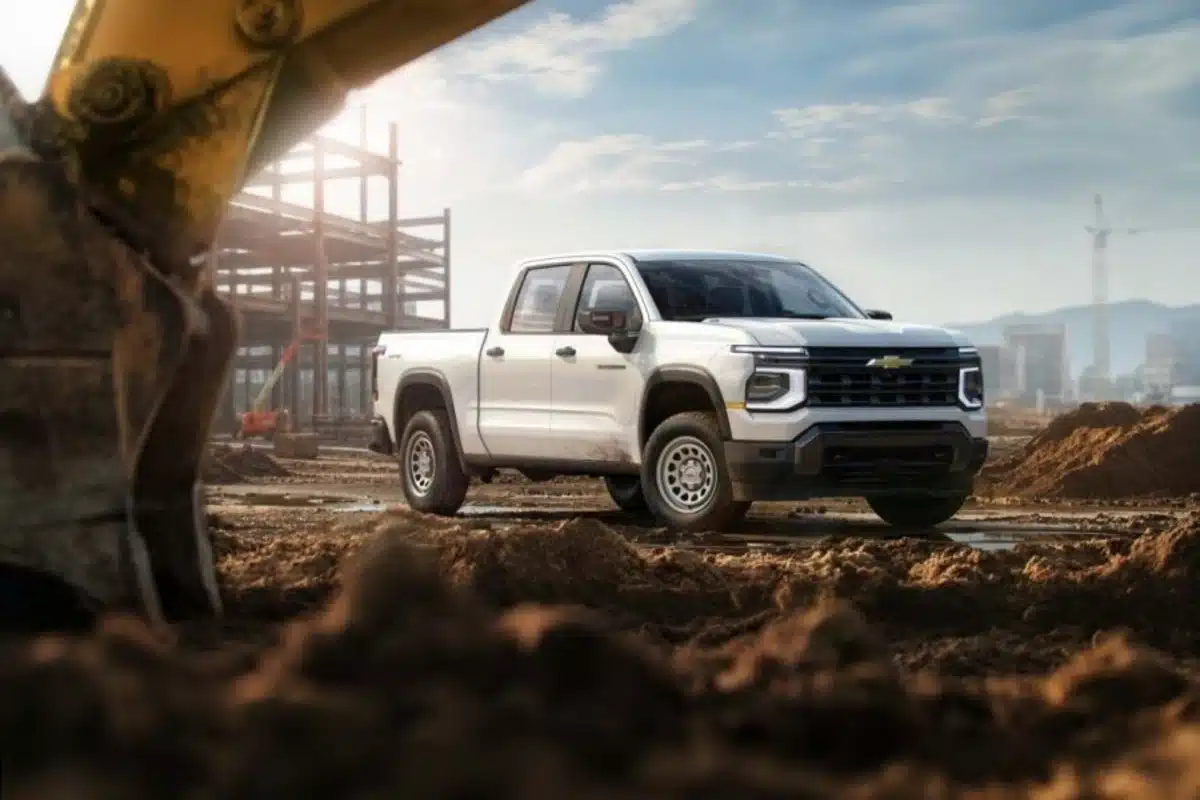
Of course, the 2.7 TurboMax is nothing new. The engine traces its roots back to the debut of the previous-generation Silverado back in 2019. Originally packing 310 horsepower and 348 lb-ft of torque, the 2022 update kept horsepower the same but bumped the torque up to 430 lb-ft. Well, it’s about to be 2027, and the revamped 2.7 TurboMax keeps the re-engineered, reinforced block and enlarged main caps from the 2022 refresh, plus a bump in power up to 350 horsepower and 455 lb-ft of torque.
That considerable bump comes thanks to a new turbocharger and upgraded direct-injection hardware. Even more importantly, the previous eight-speed automatic gearbox is now replaced with a ten-speed unit across every trim and engine configuration. Equipped with 2WD, a regular cab and a long bed, the new TurboMax motor helps a 2027 Silverado tow 9,400 lbs behind it, and haul up to 2,340 lbs of payload in the bed.
In effect, this tiny four-cylinder packs as much performance as a V8 once did, and you get four-cylinder levels of fuel economy to boot. While official numbers for the TurboMax in 2027 aren’t available yet, the model year before managed up to 18 mpg in the city, 21 on the highway, and 20 mpg combined in two-wheel-drive form (17 city / 21 highway / 19 combined with four-wheel drive). Even with the extra power, we expect fuel economy to be downright competitive against the rest of the American half-ton truck lineup with larger engines and higher displacements. Meanwhile, a base 2WD regular cab Silverado WT will set you back $38,600 before taxes and fees.
2027 F-150: Two More Cylinders Than a Base Chevy, But What About Performance?
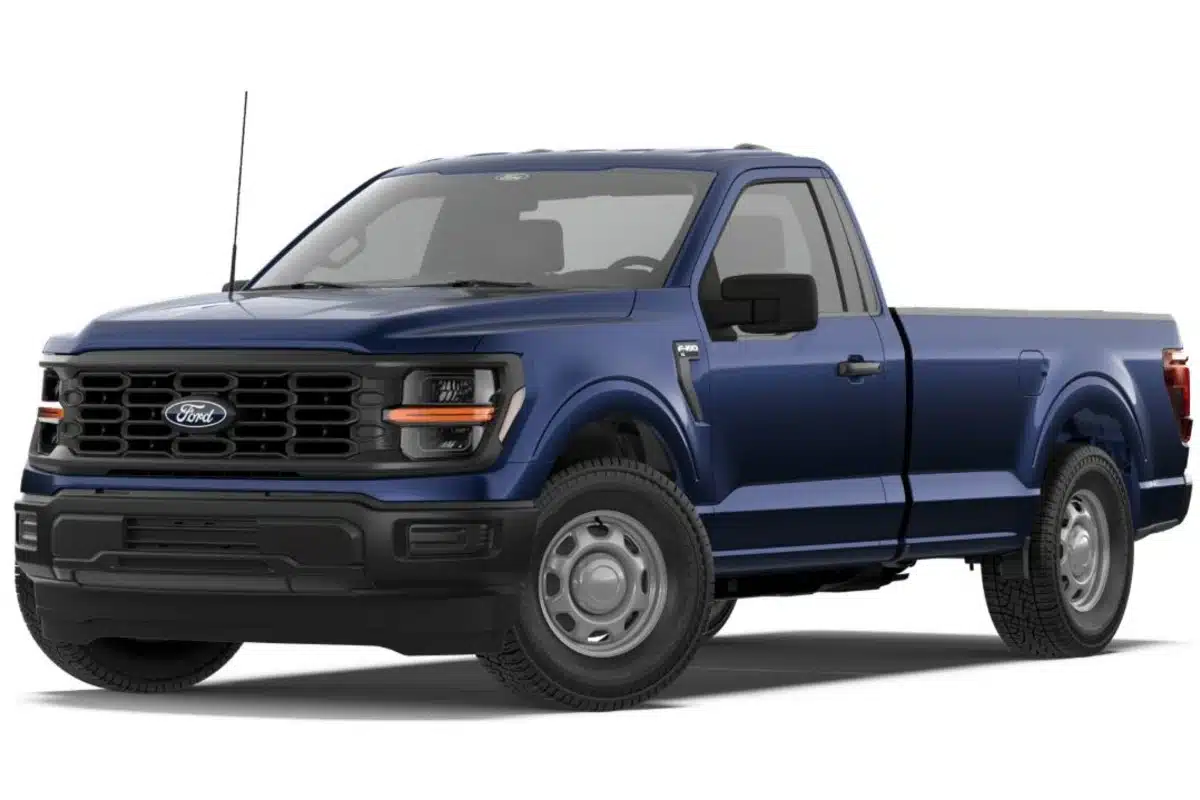
Over at the Blue Oval, Ford shook up its own entry-level formula for 2027 by retiring the long-running 2.7-liter EcoBoost V6 in favor of a brand-new 3.0-liter EcoBoost twin-turbo V6 across the XL, STX, XLT, and base Lariat trims. Like the Silverado, every 2027 F-150 rocks a ten-speed automatic transmission, effectively the industry standard these days. At least officially, power figures for the 3.0 go unchanged from the year prior, 325 horsepower and 400 lb-ft of torque. Happily, peak torque is nice and low in the rev range, as low as 2,250 rpm.
Even with two extra cylinders and 300 CCs more displacement, the 3.0-liter EcoBoost F-150 finds itself down 25 horsepower and 55 lb-ft of torque from the TurboMax Silverado 1500, a testament to the amount of boost that little four-pot can handle. As for towing and payload, the 3.0-liter EcoBoost tops out at 8,400 pounds of max towing (or 7,500 to 8,000 pounds in a SuperCrew 4×4, depending on axle ratio) and 1,755 pounds of bed payload when equipped in a 2WD Regular Cab.
Fuel economy should be acceptable for a turbo six-cylinder in a pickup truck, but official EPA figures have yet to be formally released as of late November 2026. Citing numbers from the previous model year’s 2.7-liter motor, we expect numbers to match or marginally improve from the 19 mpg city, 25 highway, and 21 combined commonly cited. Coming up to price, a regular cab rear-drive XL base trim will run you $38,110 before destination fees and taxes. That’s a $490 edge over the base Silverado 1500 WT, though stepping up to a SuperCab or SuperCrew pushes the price right past Chevy’s equivalents for each.
2027 Ram 1500: The Most Intriguing Powertrain of the Bunch
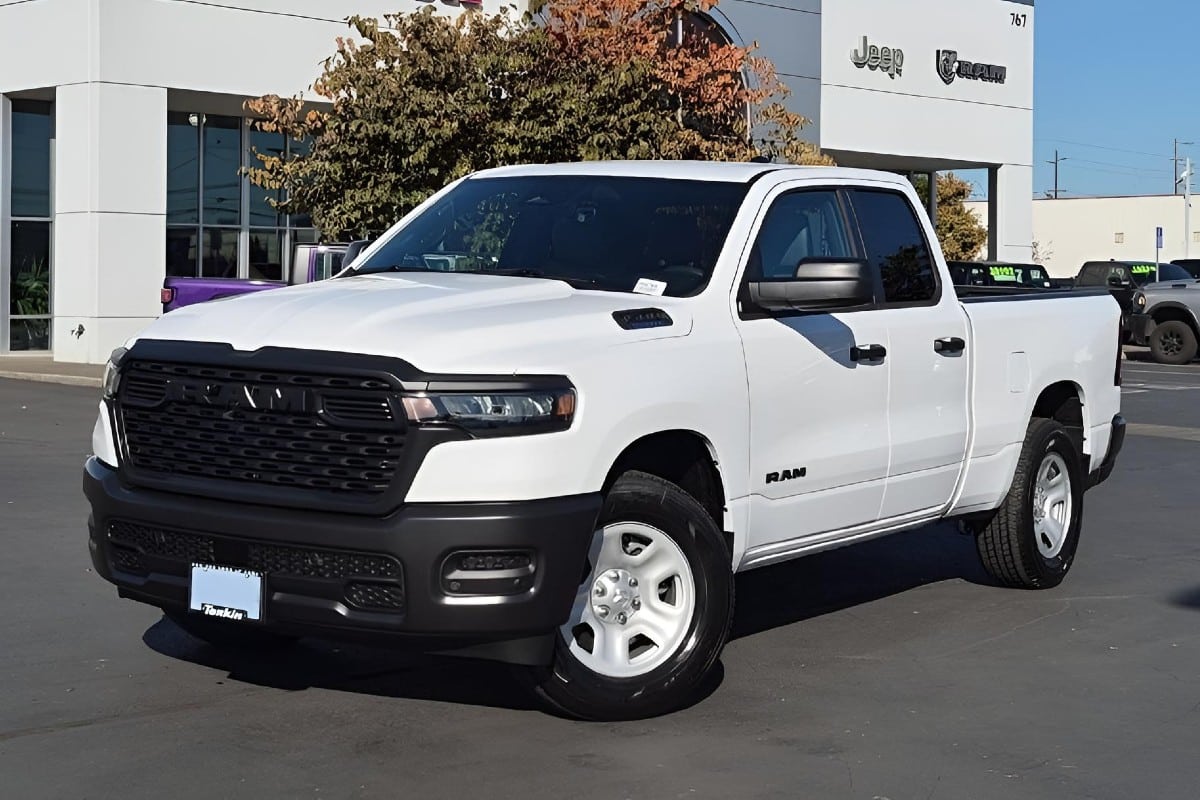
For a brand that sometimes typecasts itself as synonymous with cheap, dumb torque, the 2027 Ram 1500 has a technological advantage Ford and GM lack in the form of a base hybrid drivetrain. Granted, it’s a mild-hybrid, part of Stellantis’ eTorque line that pairs the tried and true 3.6-liter Pentastar V6 with a 48-volt belt-starter generator that feeds brief bursts of low-end torque off the line. Of course, the 3.6 Pentastar is a positively ancient engine that traces its roots way back to the early 2010s, and it shows when comparing performance metrics against its entry-level rivals.
Bolted to an eight-speed TorqueFlite automatic, the 3.6-liter Pentastar V6 makes 305 horsepower and 269 lb-ft of torque. That puts it 45 horsepower and a massive 186 lb-ft down from Chevy’s turbocharged four-cylinder. Amazingly the lightweight V6 still pulls a neat trick by matching the Silverado’s class-leading 2,340-pound maximum payload, with a max towing capacity of up to 8,100 lbs with the six-foot-four-inch bed and a 3.55 axle ratio. Obviously, that dips to roughly 4,800–5,000 lbs with standard 3.21 highway gears, but we suspect the 3.55 gearing will be far more desirable. The Ram’s eTorque might not do much to help towing capacity at speed, but it does squeeze an EPA-estimated 20 mpg city, 25 mpg highway, and 22 mpg combined out of a rear-drive Quad Cab, a very competitive figure in the segment.
Starting at $42,575 before fees for the cheapest quad cab Tradesman trim with a six-foot-four-inch bed, Ram demands $3,975 more right out of the gate than a base Silverado 1500 WT. Compared to the Ford side of things, the entry-level Ram 1500 is $4,465 more than an entry-level F-150. Stepping up to a rear-drive Crew Cab with the five-foot-seven-inch bed pushes the Tradesman to $45,325 before destination.
The Verdict: All Three Have Advantages, But One Outperforms Them All
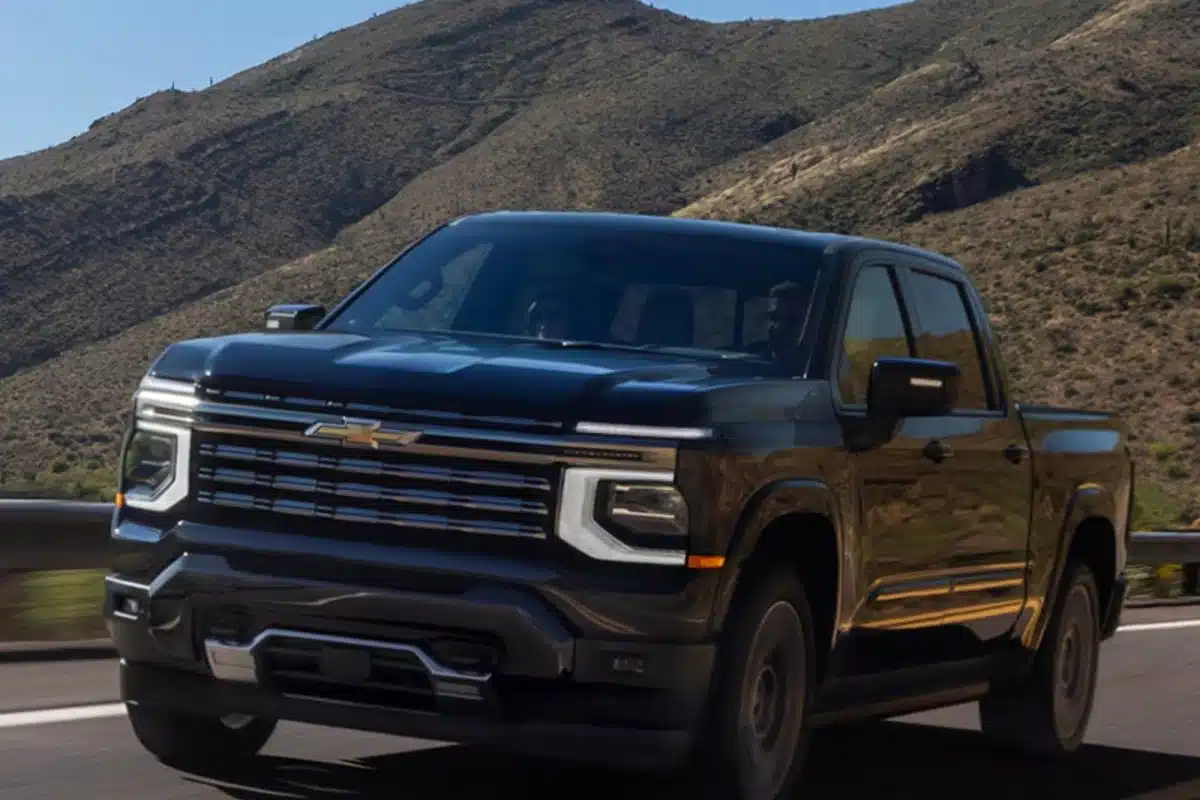
Each of these entry-level powertrains brings a unique advantage to the table. Ford’s new 3.0-liter EcoBoost V6 delivers impressive low-end torque for the lowest entry sticker of the three. Meanwhile, the Ram’s Pentastar V6 is one of the most reliable American engines on the road today, complete with automotive techs the country over that’ve worked on them for over a decade, plus spare parts galore.
Yet when you stack horsepower, torque, maximum towing, and payload side by side, Chevrolet’s revamped 2.7-liter TurboMax wins across every work-truck metric that matters.
It beats both six-cylinder rivals by 25 to 45 horsepower, 55 to 186 lb-ft of torque, and at least 1,000 pounds of max towing while tying Ram’s 2,340-pound payload ceiling. Without dropping a house downpayment extra for the new 5.7 and 6.6-liter V8s, or a Duramax diesel, the TurboMax engine is the best performer on paper. Assuming it can stay reliable, and that’s a big ask for a truck this big and an engine this small, the Silverado might just win the day for this particular truck generation. Still, only time will tell.