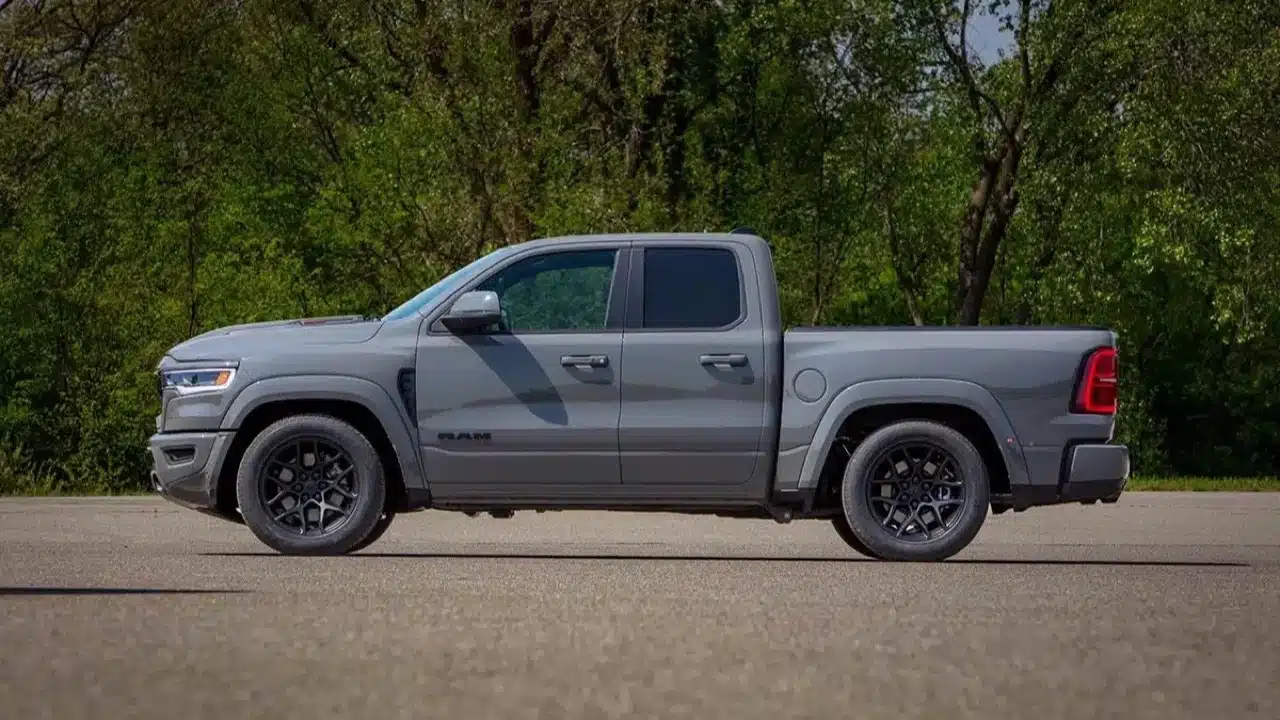
Ram CEO Matt VanDyke doesn’t want to take the attitude out of Ram trucks. He wants more of it. When I asked him about his first months leading the brand, he pointed to the 2027 Ram 1500 Rumble Bee lineup as an example of where he wants to go.
“There’s no need to change that,” VanDyke told me. “I think we just need to lean in and do more.”
We talked about the opportunity in front of Ram, the people developing its trucks and how the brand intends to stand out in a competitive market. The common thread was giving truck enthusiasts a reason to pay attention.
2027 Ram 1500 Rumble Bee gives Ram a different direction
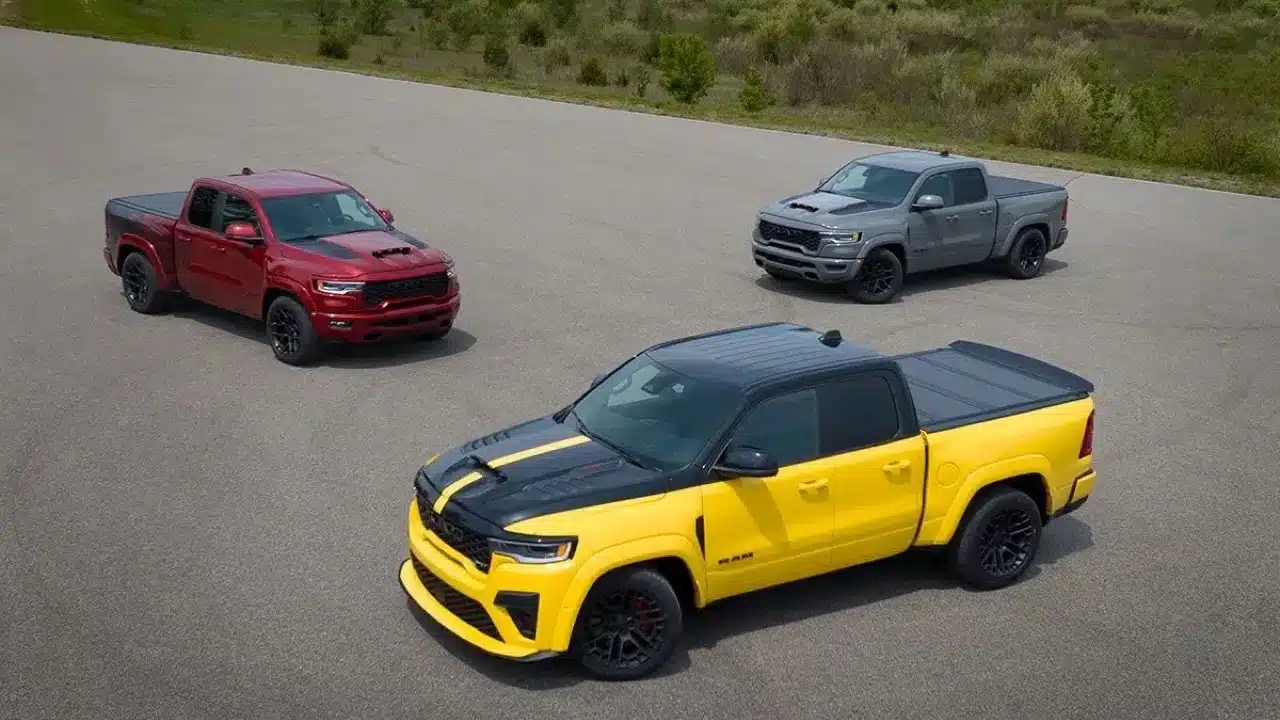
VanDyke kept coming back to the Rumble Bee. He described its proportions, including the Quad Cab, short bed and lowered stance, as a way to give buyers something different from the rest of the pickup market.
“What’s so hard in this business right now is to find something that’s white space,” he said.
Ram has built sport trucks before, and VanDyke acknowledged that history. His argument is that a broader lineup of performance pickups gives Ram another way to reach enthusiasts rather than simply following the same formula as its competitors.
The trucks themselves are already public. In its Rumble Bee announcement, Ram outlined a 5.7-liter HEMI V-8, a 6.4-liter HEMI V-8 and a supercharged 6.2-liter HEMI V-8. Those are three different entry points into the muscle-truck idea. VanDyke’s emphasis in our conversation was on what that lineup can do for the brand and its customers.
What surprised Ram’s new CEO

I also wanted to know what stood out after VanDyke arrived at Ram. His answer focused on the people. He described a group of designers, engineers and product specialists with deep enthusiasm for the vehicles they build.
He described the group as “a band of enthusiasts” who get to work on the products they love.
VanDyke said that enthusiasm extends into the brand team, including people with engineering and design backgrounds. He emphasized listening to customers and using that feedback to help steer product development.
That led us to quality and reliability. I told VanDyke I see quality and reliability as an opportunity for Ram to distinguish itself. He agreed the brand is in a good position and pointed to the passion of its team. That was a discussion of Ram’s competitive position, not a new reliability study or a claim that every Ram powertrain is more reliable than its rivals.
For a truck buyer, the important part will be how those conversations translate into the trucks themselves. An enthusiastic team is a good starting point. The products still have to give owners what they want.
What about a new Ram heavy-duty truck?
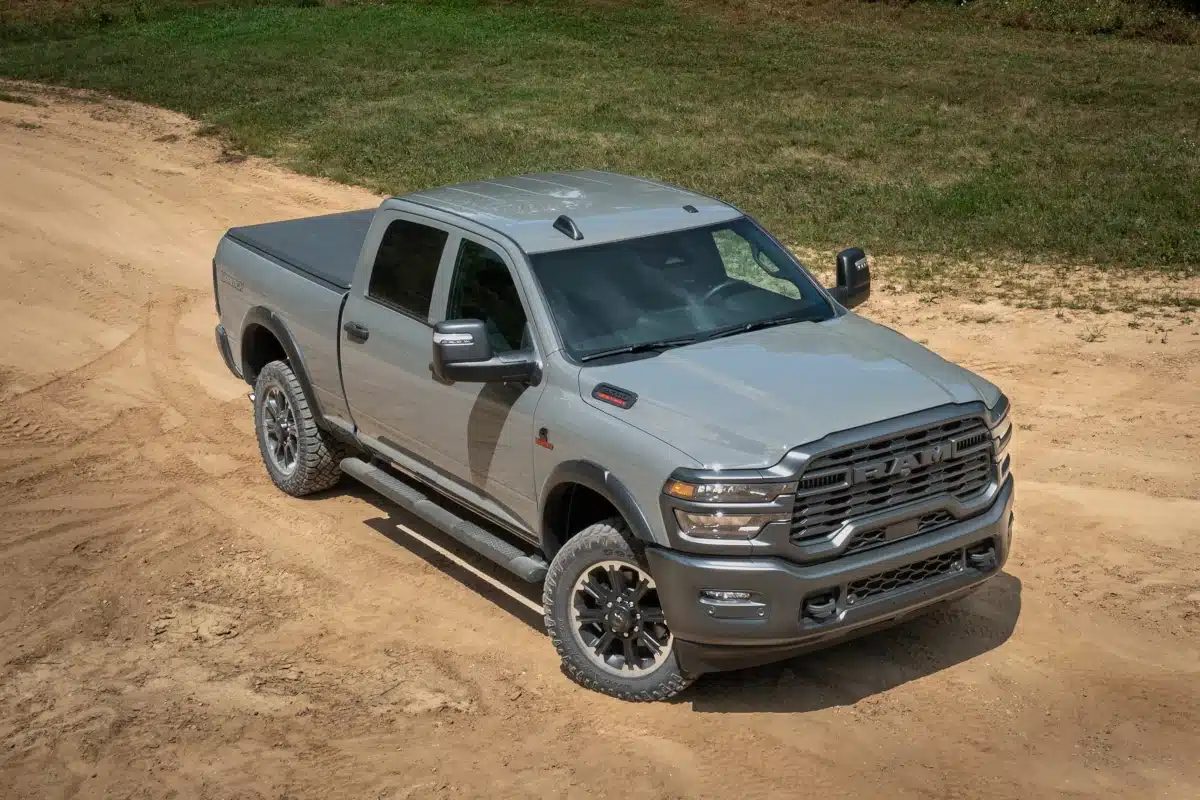
The age discussion goes back to the 2010-model-year Ram HD generation, when the brand introduced its crew-size HD cab. That puts those cab roots roughly 16 years in the past as of 2026. At the 2019 launch, Ram’s chief engineer Rod Romain and product lead Troy Davis confirmed to Jalopnik that parts of the cab and bed carried over from the outgoing truck.
That doesn’t make today’s truck an untouched 2010 model. Ram’s 2019 update brought a redesigned interior, new front-end styling and major chassis and powertrain changes. The criticism concerns the older cab’s roots, not a claim that Ram has left the entire truck or its interior unchanged.
I asked VanDyke about the criticism that Ram’s heavy-duty trucks are still using an older cab. He pointed back to the company’s Investor Day plans and its commitment to a new heavy-duty truck. Stellantis’ North America Investor Day presentation confirms an all-new heavy-duty truck is part of its plan. That is a product commitment, not a launch date for a specific model year.
At the same time, VanDyke said customers like the current truck’s interior, exterior and Cummins powertrain. My takeaway is that Ram understands some buyers want a new cab, but the company still has confidence in the truck it sells today.
Ram’s plans also fit a wider heavy-duty truck competition. In my report on Ford’s next Super Duty and the clues pointing to a possible larger Power Stroke diesel, I discussed a new Super Duty coming by 2029. The possible 8.0-liter engine and output figures in that story are my analysis, not confirmed Ford specifications. Ram has confirmed a future heavy-duty truck through its Investor Day plan, but it has not supplied the same specific timing in the material referenced here.
2027 Ram ProMaster City has a family angle, too
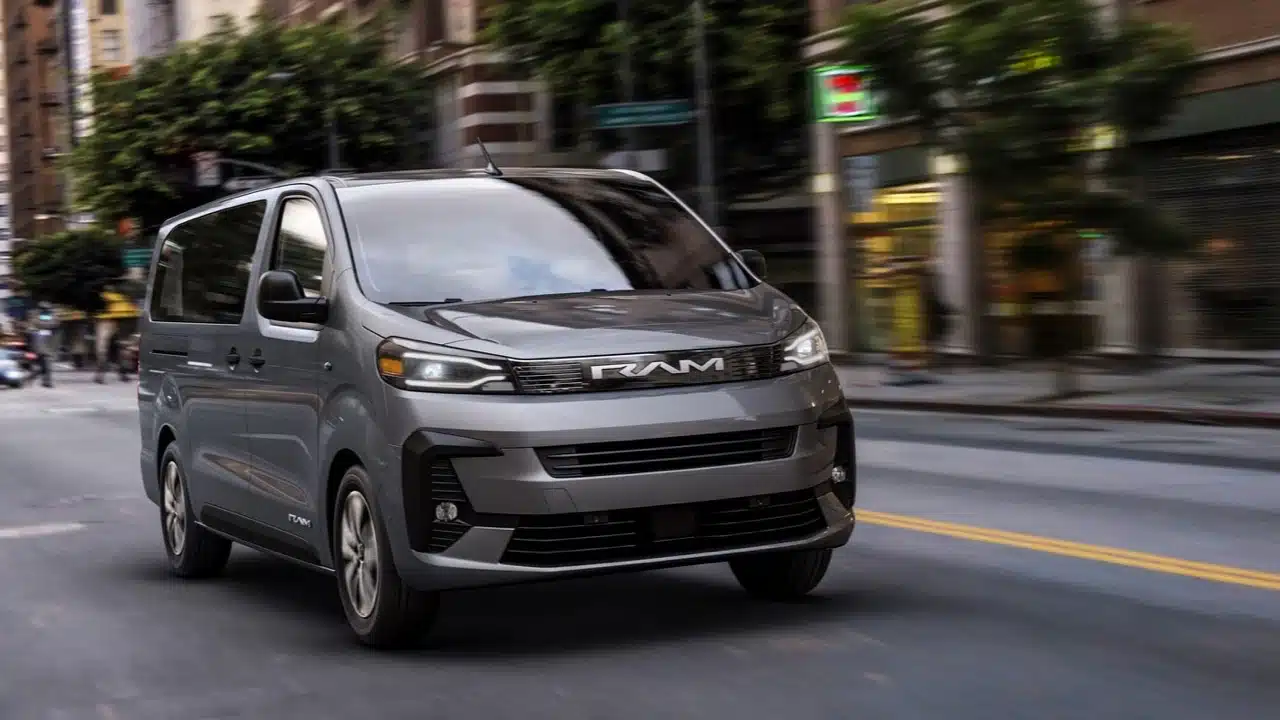
Our conversation also turned to the 2027 Ram ProMaster City. Ram’s official announcement lists cargo and passenger versions, with seating for five or eight in the passenger wagon, and a planned first-quarter 2027 arrival.
VanDyke told me he had taken one home. With four children of his own and a neighbor with five, he saw the appeal of the passenger version beyond its commercial role.
Someone compared it to a Chrysler Pacifica, which initially struck him as funny. After spending time with it, he appreciated the cargo room behind the third row and the technology. The Pacifica comparison was an impression of its usefulness, not an announcement that the van will replace the Pacifica. He also expects competitors to enter that space in the next two or three years. That is his outlook, not an announcement from another automaker.
VanDyke’s direction for Ram is clear: keep the brand’s personality and give enthusiasts more trucks to get excited about. The Rumble Bee is a visible part of that strategy. I’ll be watching how the rest of the lineup develops alongside it.