GM’s engine exchange program for the 2027 Chevrolet Silverado 1500 and GMC Sierra 1500 has prompted questions about the new V8s. Does it mean the engines are already failing? Are dealership technicians being kept from working on them? I went back to the bulletins to separate what GM actually documents from what people are assuming.
There is a real exchange program. There is also a separate claim circulating that four test trucks suffered engine failures. I have not verified that claim, and the bulletin does not establish it. That distinction matters when we are talking about trucks people are spending their own money to buy.
What the 2027 Silverado and Sierra engine exchange covers

GM’s October 2026 PIP6136 bulletin covers the 2027 Silverado 1500 and Sierra 1500 with the new 5.7-liter L76 and 6.6-liter L78 gasoline V8s. It identifies the cause as “New Product Monitoring” and describes a launch program intended to provide information for engineering improvements.
GM’s Product Quality Center administers exchanges. Internal-engine repairs, or repairs requiring cylinder-head removal, require an exchange under the bulletin. Certain noise and oil-consumption concerns may also require one. The document sets out a repair process; it does not provide a failure count or a failure rate.
Dealership mechanics still have a job to do
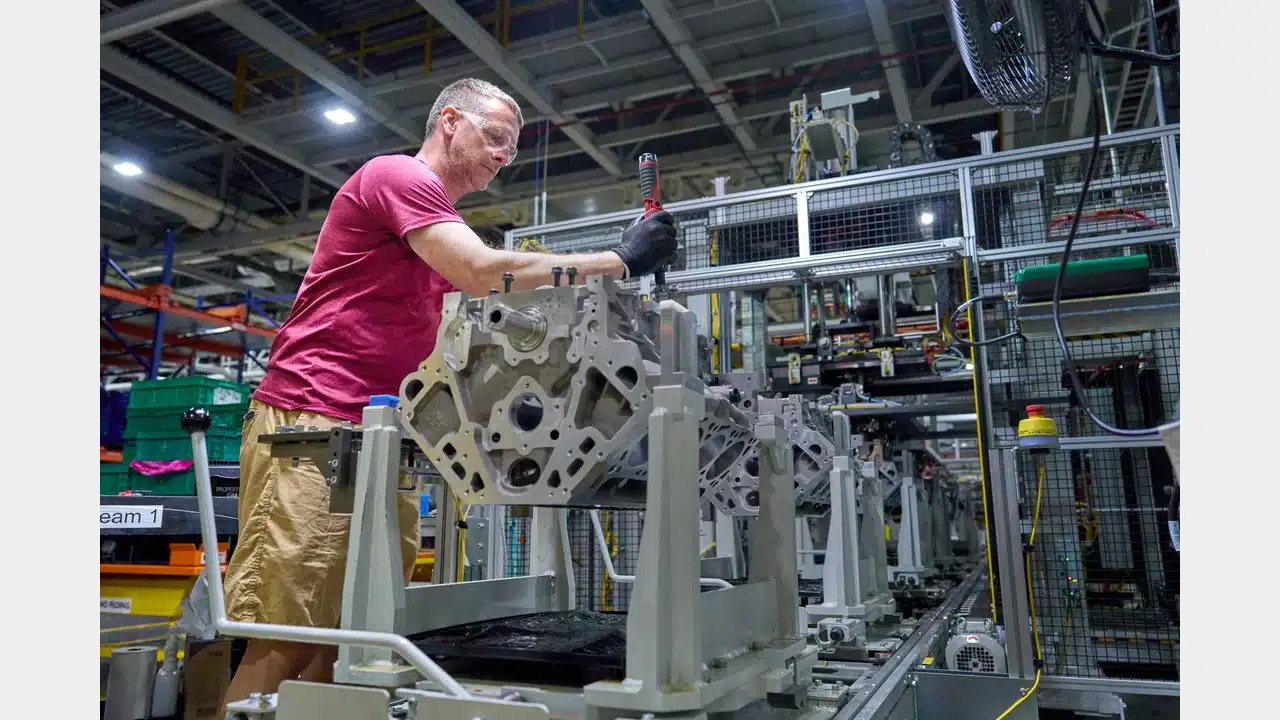
The bulletin requires a thorough diagnosis before replacement. It also lists components technicians can service without exchanging the engine, including sensors, ignition components, injectors and the water pump. GM restricts teardown of returned assemblies to preserve them for engineering analysis, rather than telling technicians to skip diagnosis.
That is an important difference from saying mechanics cannot look at the engines. There are limits on the repair path, but there is still a diagnostic process and a substantial list of permitted service work.
GM used launch exchange programs in 2013 and 2018
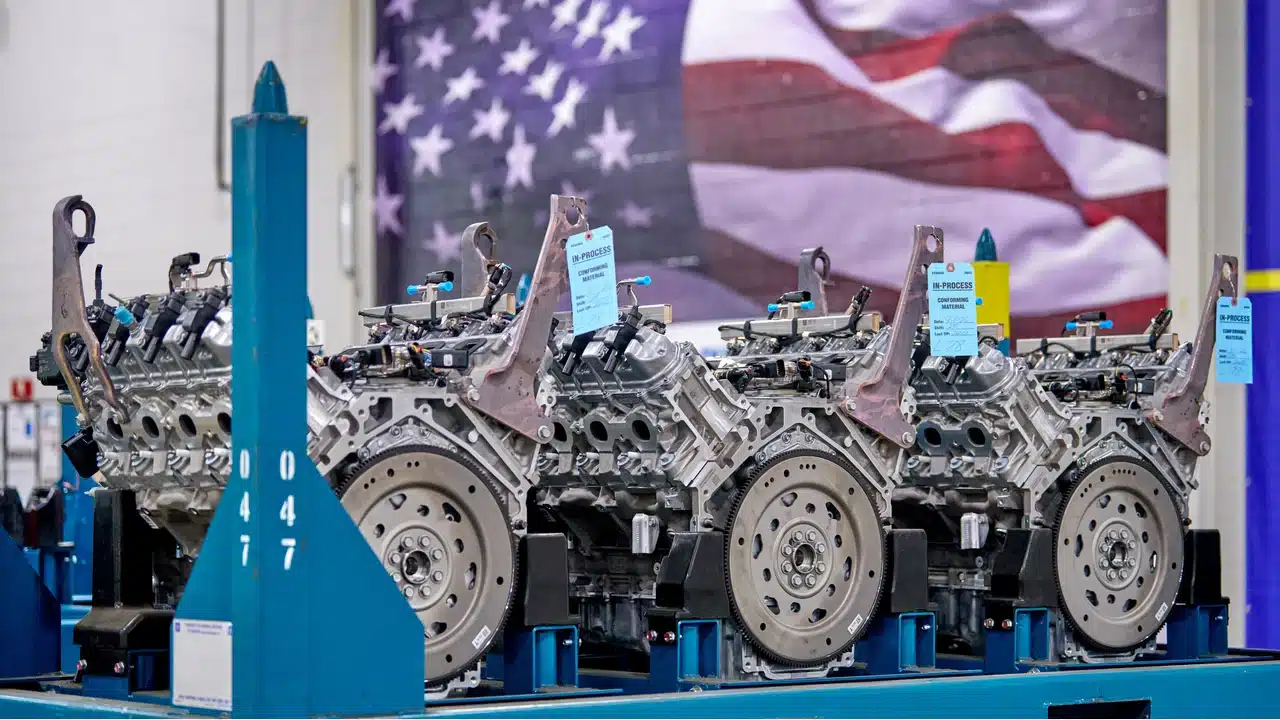
The April 2013 PIP5114 bulletin covered the 2014 Chevrolet Silverado 1500 and GMC Sierra 1500 with the 4.3-liter LV3 V6 and 5.3-liter L83 V8. It described an exchange program for the first full production year and tied it to engineering improvements.
The July 10, 2018, PIP5567 bulletin did the same type of launch monitoring for the 2019 Silverado and Sierra with the 5.3-liter L84 and 6.2-liter L87. It required diagnosis and identified serviceable components, too.
Those documents establish a history of GM using this process. It is nothing new.
What I would take away as a truck buyer
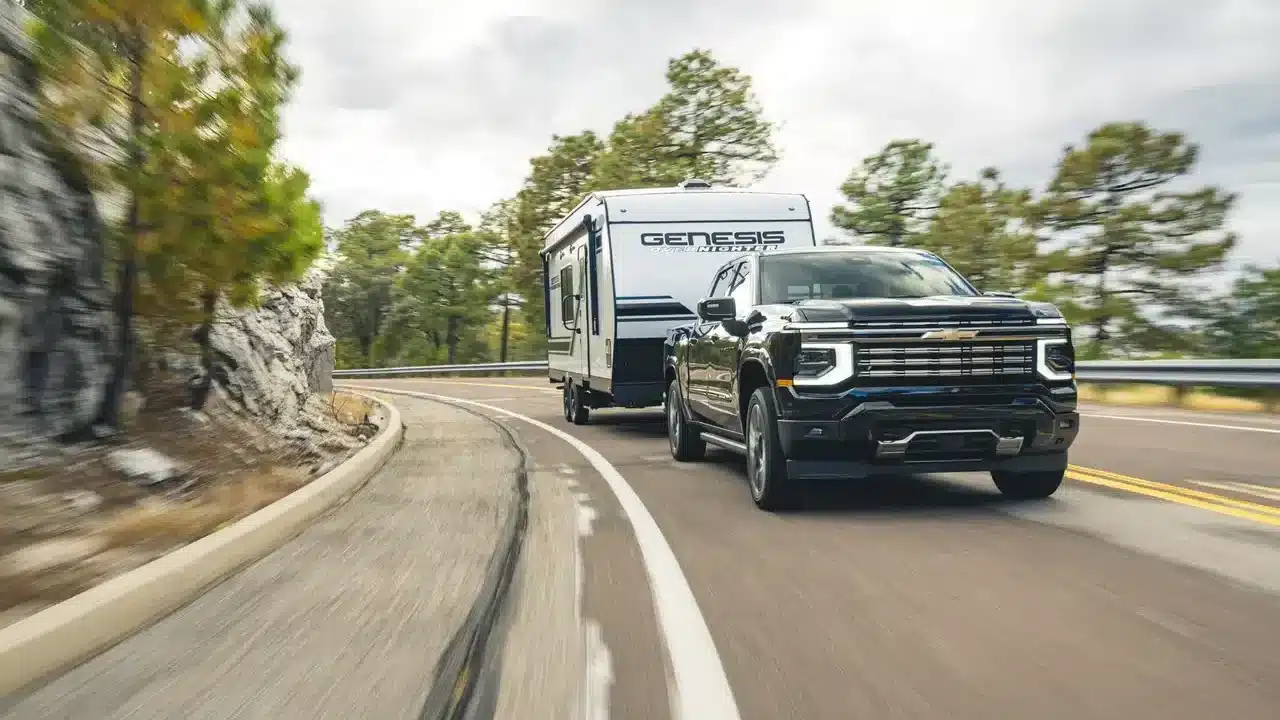
I understand why GM V8 buyers are skeptical. We have covered the older 6.2-liter V8 investigation, and those concerns deserve scrutiny. But that older L87 engine and the new L76/L78 engines need to be identified correctly rather than lumped together.
The same standard applies to GM’s durability testing. Learning about the tests is worthwhile. It still cannot replace years of customer use.
For the four-truck allegation, I would want repair records, identifiable vehicles or a documented explanation of what failed before reporting it as established fact. Not having that evidence does not prove no failure happened. It means I cannot verify the claim.
My bottom line: PIP6136 is worth explaining because it affects how certain engine repairs are handled. On its own, it does not establish widespread failures, and it does not clear the new engines of every concern. Buyers deserve the documented facts, with the unanswered questions left clearly identified.