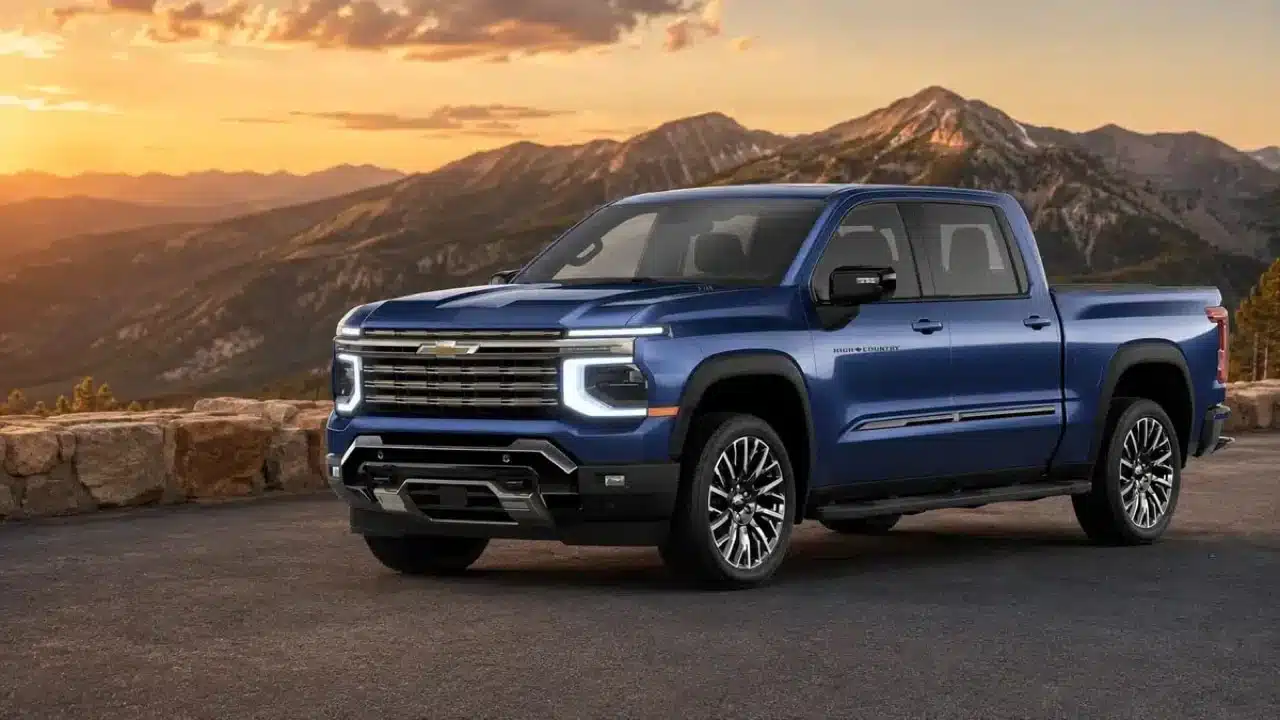
The 2027 Chevrolet Silverado 1500 EPA ratings are live, and most of the V8 and diesel configurations compared below lose ground against their 2026 counterparts. Even the Duramax drops: the 2WD diesel falls from 25 to 24 mpg combined, and the regular 4WD entry slips from 23 to 22.
We already covered the 2027 Silverado V8 ratings on November 4, using the GM-supplied figures reported by GM-Trucks. Those V8 numbers have not changed. The update here is the public EPA listings, the diesel breakdown and the differences between configurations.
The figures below are for the light-duty Silverado 1500, not Silverado HD or Silverado EV. We checked the listings on November 11, 2026.
The 3.0L Duramax leads the published Silverado mpg ratings
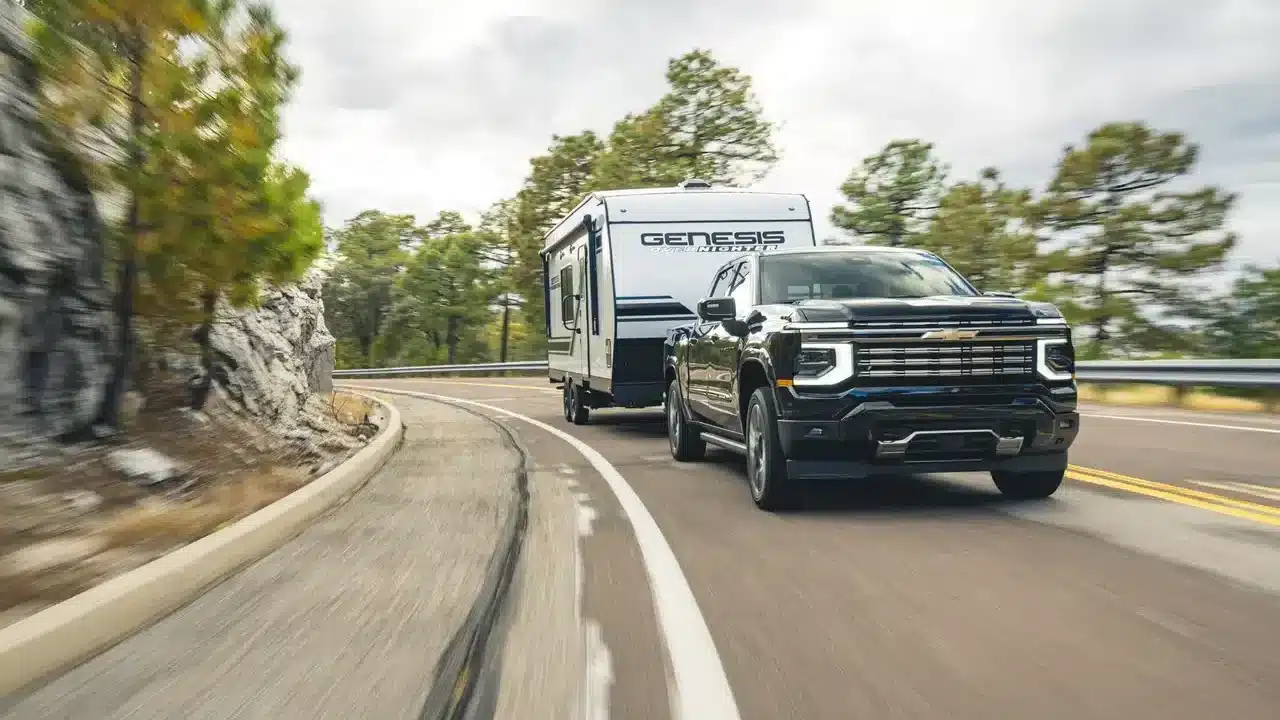
The 2WD Duramax listing shows 22 mpg city, 27 highway and 24 combined. Choose four-wheel drive and the standard EPA listing drops to 21 city, 23 highway and 22 combined. Mud-terrain tires and the ZR2 have their own entries.
| 2027 configuration | City mpg | Highway mpg | Combined mpg |
|---|---|---|---|
| 3.0L diesel, 2WD | 22 | 27 | 24 |
| 3.0L diesel, 4WD | 21 | 23 | 22 |
| 3.0L diesel, 4WD with mud-terrain tires | 21 | 22 | 21 |
| 3.0L diesel, ZR2 4WD | 20 | 22 | 21 |
Sources: FuelEconomy.gov listings for the 2WD, 4WD, mud-terrain 4WD and ZR2. All four use a 10-speed automatic.
That is why a 27-mpg headline needs a qualifier. The diesel ZR2 is rated at 22 mpg highway, five below the 2WD diesel. Both use a 3.0-liter engine, but the EPA numbers describe complete vehicle configurations. They do not isolate the effect of one tire or suspension change.
The new V8s remain at 14 to 17 mpg combined
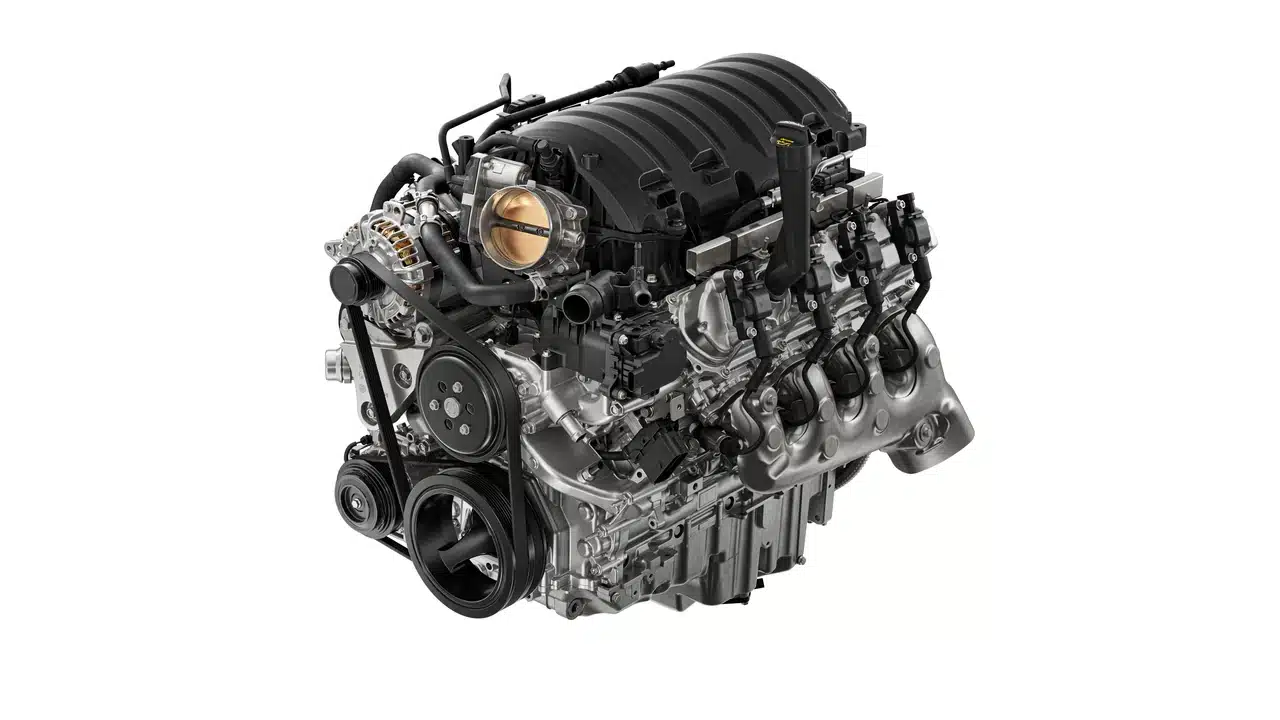
The EPA database confirms the V8 figures we previously reported. The 5.7-liter reaches 17 mpg combined in 2WD form, while the regular 4WD entry is 16. The 6.6-liter 4WD entry is 15 combined, with the ZR2 at 14.
| 2027 configuration | City mpg | Highway mpg | Combined mpg |
|---|---|---|---|
| 5.7L V8, 2WD | 15 | 19 | 17 |
| 5.7L V8, 4WD | 15 | 18 | 16 |
| 5.7L V8, 4WD with mud-terrain tires | 14 | 16 | 14 |
| 6.6L V8, 4WD | 14 | 18 | 15 |
| 6.6L V8, ZR2 4WD | 13 | 15 | 14 |
Sources: FuelEconomy.gov’s 5.7L 2WD listing and 2027 4WD pickup listings. All five use a 10-speed automatic. The EPA lists regular gasoline for the 5.7L and premium gasoline for the 6.6L.
Fuel grade belongs in the shopping discussion alongside mpg. A gallon of premium does not necessarily cost the same as regular or diesel, so the combined rating alone will not tell you which engine has the lowest fuel bill. Use local prices and your annual mileage before treating the diesel’s mpg advantage as a dollar savings estimate.
Seven of nine comparisons lose mpg
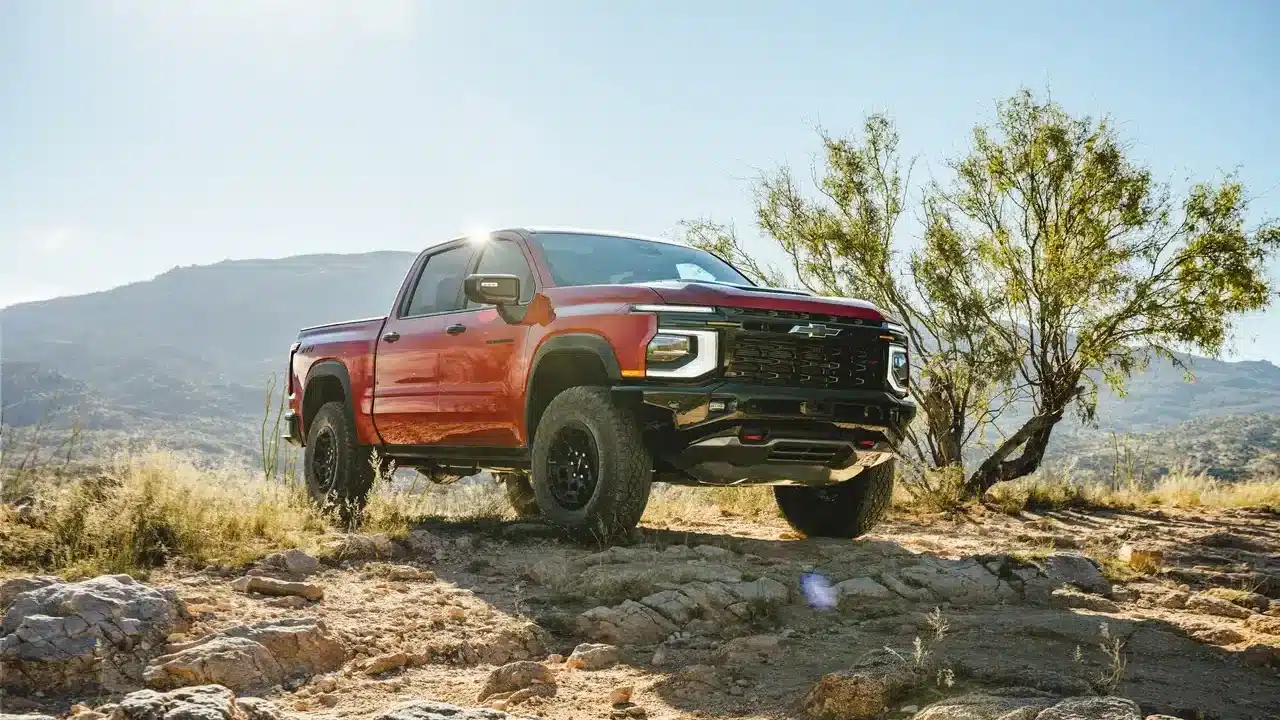
The model-year comparison is where the numbers sting. Garage Talk highlighted the declines in its November 11 report. We checked the 2026 EPA entries directly against the current 2027 listings. Here are the combined ratings for the selected configurations:
| Configuration | 2026 combined mpg | 2027 combined mpg | Change |
|---|---|---|---|
| 2WD V8: 5.3L to 5.7L | 17 | 17 | No change |
| 4WD V8: 5.3L to 5.7L | 17 | 16 | Down 1 |
| Mud-terrain 4WD V8: 5.3L to 5.7L | 16 | 14 | Down 2 |
| 4WD V8: 6.2L to 6.6L | 17 | 15 | Down 2 |
| ZR2 V8: 6.2L to 6.6L | 15 | 14 | Down 1 |
| 3.0L diesel, 2WD | 25 | 24 | Down 1 |
| 3.0L diesel, 4WD | 23 | 22 | Down 1 |
| 3.0L diesel, mud-terrain 4WD | 23 | 21 | Down 2 |
| 3.0L diesel, ZR2 | 21 | 21 | No change |
Sources: FuelEconomy.gov’s 2026 2WD and 2026 4WD listings, compared with the 2027 entries linked above. The 2026 V8 column uses the regular gasoline 5.3L and premium gasoline 6.2L entries. It excludes separately listed flex-fuel and Sport Mode V8 variants. The diesel ZR2’s 2026 entry is labeled “Sport/Off Road.”
Seven of these nine comparisons lose one or two mpg combined. The exceptions are the 2WD V8 and diesel ZR2. The mud-terrain V8 falls from 16 to 14 combined, a 12.5% decline and the largest percentage drop in this selected comparison. That does not establish that tires alone caused the change; the redesigned trucks have other differences, too.
For perspective, driving 15,000 miles at 14 mpg would use about 134 more gallons than covering those miles at 16 mpg. That is an illustration using the published estimates, not a prediction of anyone’s actual fuel bill. Nor does the EPA’s mud-terrain category mean every Trail Boss receives that rating. Match the actual equipment and window sticker.
TurboMax is still the missing piece

We did not find a published 2027 Silverado 2.7-liter TurboMax rating in the EPA listings checked for this story. That leaves an important gap for buyers comparing the four-cylinder with the V8s and diesel. Do not substitute a 2026 Silverado rating or a 2027 Colorado rating just because an engine shares a name or displacement.
It also pays to check Chevrolet and GMC separately. The EPA lists the 2027 Sierra 3.0L diesel 4WD at 21 mpg combined, versus 22 for the corresponding Silverado entry. The two brands do not have identical diesel figures across every configuration.
For a purchase decision, start with our Silverado engine availability guide, then compare the EPA entry and window sticker for the truck you actually want. These are standardized estimates, not a promise of towing mpg or your next fill-up. The database now makes that comparison easier, but the engine badge alone still does not tell the whole story.