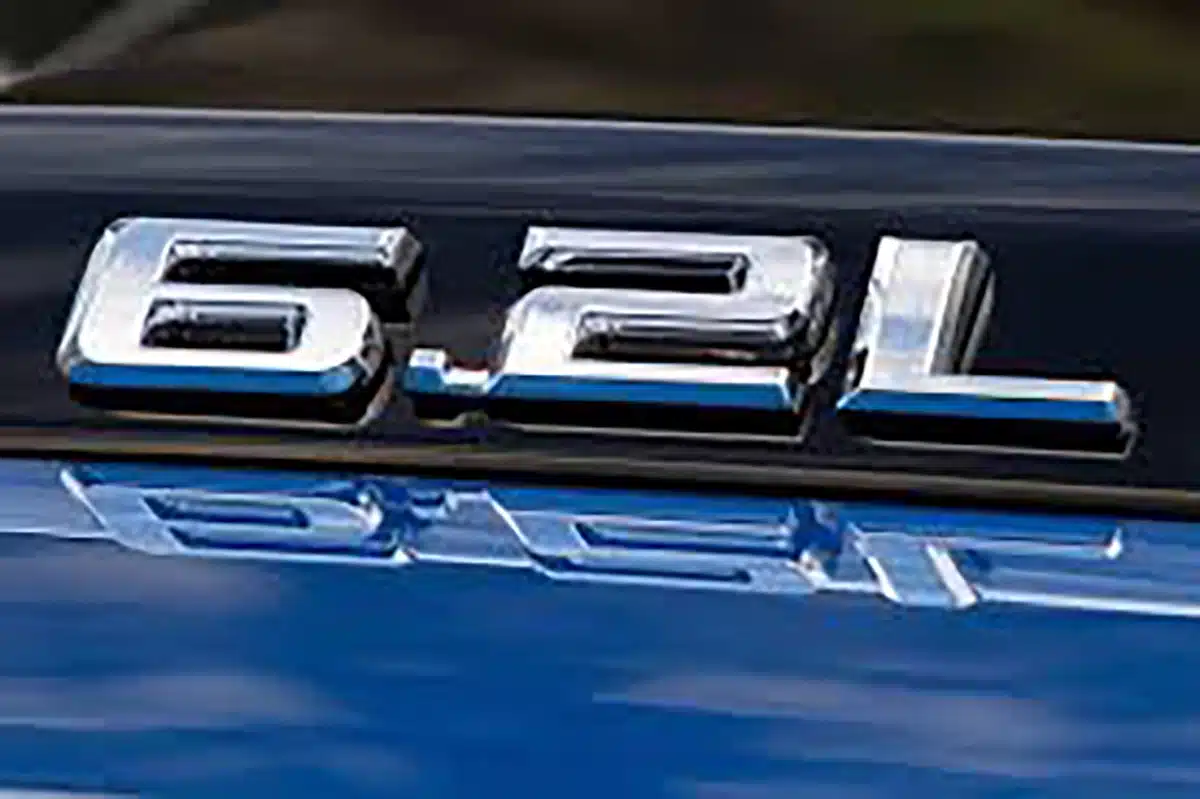
The GM 6.2L V8 investigation has a new paperwork deadline. Federal safety investigators have given General Motors until Nov. 13, 2026, to answer most of a detailed request for engine-failure records, warranty claims and the company’s assessment of what is going wrong.
An Oct. 25 deadline-extension memo makes an important distinction: The extension applies to requests 2 through 6. Request 1, covering vehicle-production information, remained due Oct. 30. Nov. 13 is GM’s response deadline, not an owner repair deadline or a promised date for a recall decision.
What NHTSA wants from GM by Nov. 13

The National Highway Traffic Safety Administration’s Sept. 15 information request seeks complaints, field reports, warranty and goodwill claims, lawsuits and incident records related to alleged engine seizure from internal component failure. It also asks for reports involving crashes, injuries, deaths, fires or property damage.
Investigators want individual records tied to details such as VIN, mileage, incident date, recall completion and remedy. GM must also provide supporting documents, explain its searches and address causes, failure mechanisms, safety risks and potential warnings.
GM sought the extension Oct. 23. The memo says the company was still analyzing field data and cites a broader interpretation of the alleged defect as the investigation moved from a recall query to an engineering analysis. This is a structured request for evidence within a defined investigation, not a demand covering every GM 6.2-liter engine ever built.
The 946 reports need context
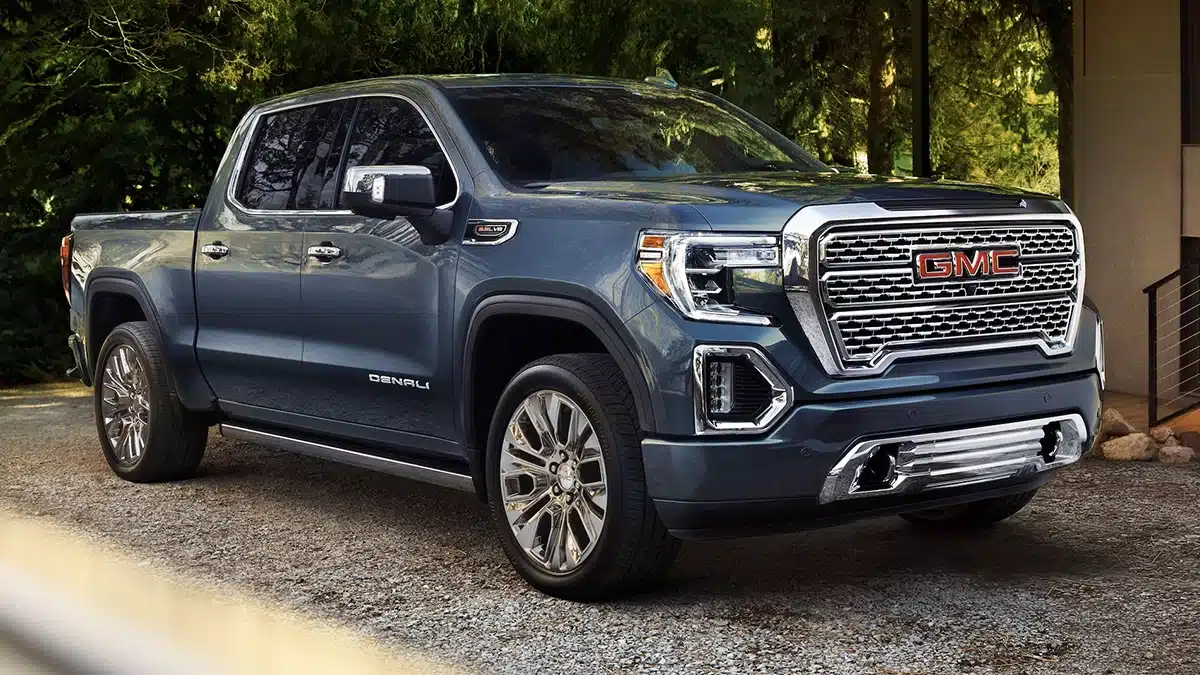
The September letter cites 946 engine-failure reports involving vehicles subject to the recall or vehicles built after its engine-production cutoff. It does not say all 946 failures occurred after a recall repair, and it does not break that tally down by remedy.
That distinction matters to owners trying to judge whether the repair works. A complaint involving a recalled vehicle is not automatically a complaint about an engine that failed after receiving the remedy. Nor can a raw report count, without the relevant vehicle population and exposure, establish an individual owner’s odds of failure.
NHTSA’s engineering analysis opened Aug. 20 to examine the recall remedy and failures in later-production engines. As we reported when the recall-fix investigation expanded, those are separate questions with practical consequences for owners. In its August opening document, NHTSA wrote: “ODI continues to receive reports of engine failures after the completion of the recall remedy.”
Which trucks and SUVs are under review?
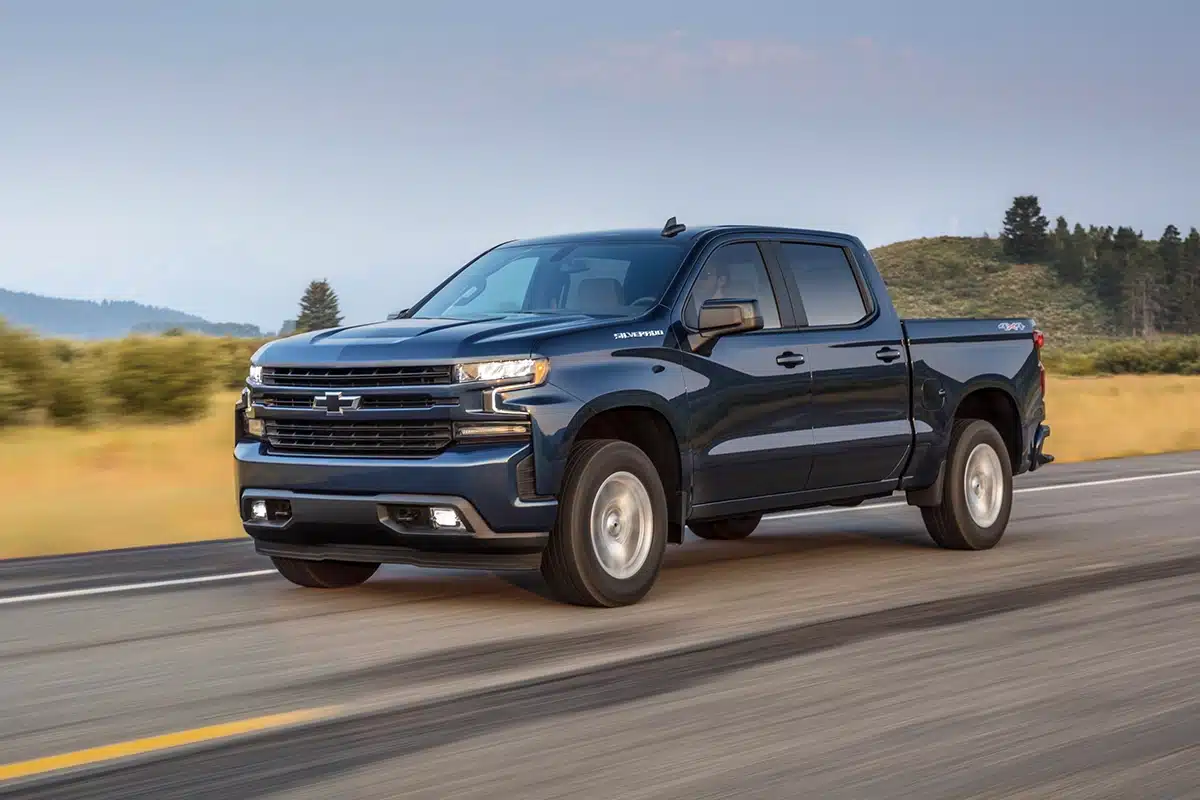
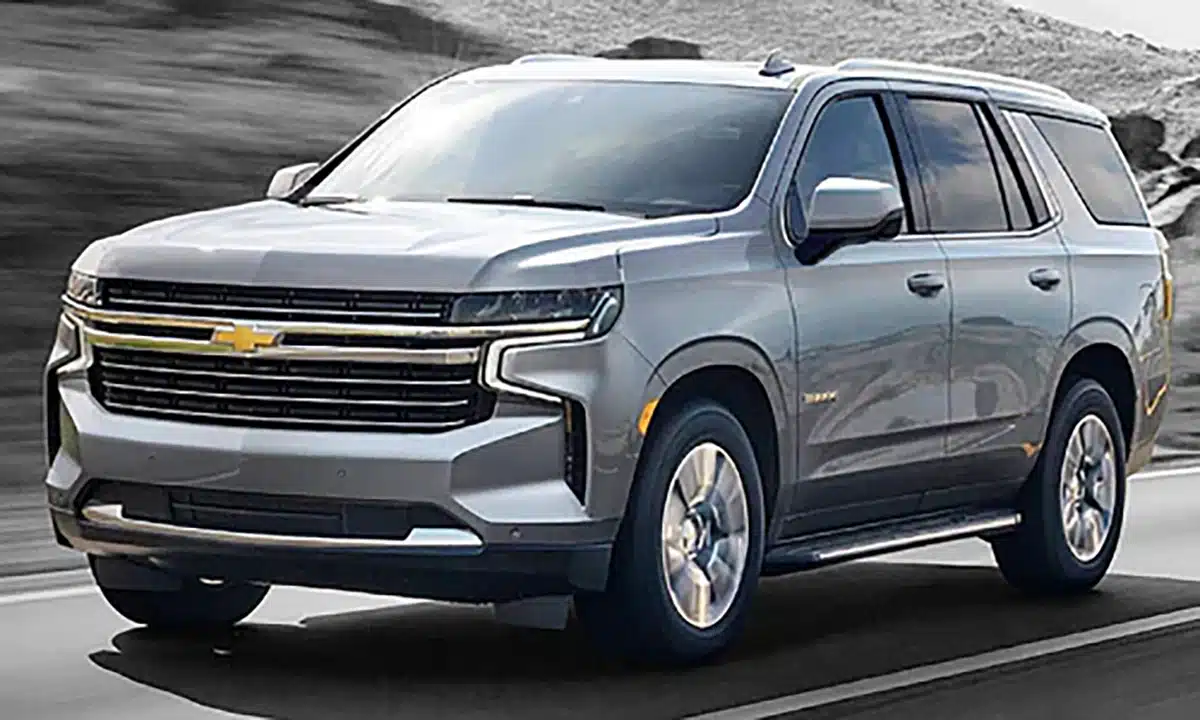
Engineering analysis EA26005 lists an estimated 997,743 model-year 2021-2026 vehicles equipped with the L87 6.2-liter V8. The models include Chevrolet Silverado 1500, Tahoe and Suburban; GMC Sierra 1500, Yukon and Yukon XL; and Cadillac Escalade and Escalade ESV.
The existing recall, 25V-274, covers 597,571 vehicles from model years 2021-2024. GM attributed that defect to manufacturing problems involving connecting rods and crankshafts that could damage the engine and lead to loss of propulsion.
The recall remedy calls for inspection and repair or engine replacement as necessary. Engines that pass receive higher-viscosity oil, a new oil cap and filter, and an owner’s manual insert. The larger investigation population does not, by itself, expand recall eligibility or establish that every engine under review has the same defect.
What owners should do now
Check your VIN through NHTSA’s recall lookup and ask your dealer about any open recall. Keep the inspection results, repair orders, maintenance receipts and engine-replacement paperwork together. If an engine fails, document the mileage and whether it happened before or after the recall work, and report the safety problem to NHTSA.
For used-truck shoppers, the paperwork matters as much as the words “recall completed.” Our GM 6.2L V8 used-truck checklist explains the records to request before buying.
The bottom line: NHTSA is pressing GM for the evidence needed to evaluate the failures and the existing remedy. The Nov. 13 deadline is the next documented step in that process. It does not establish a new cause, announce another recall or tell owners when the investigation will end.