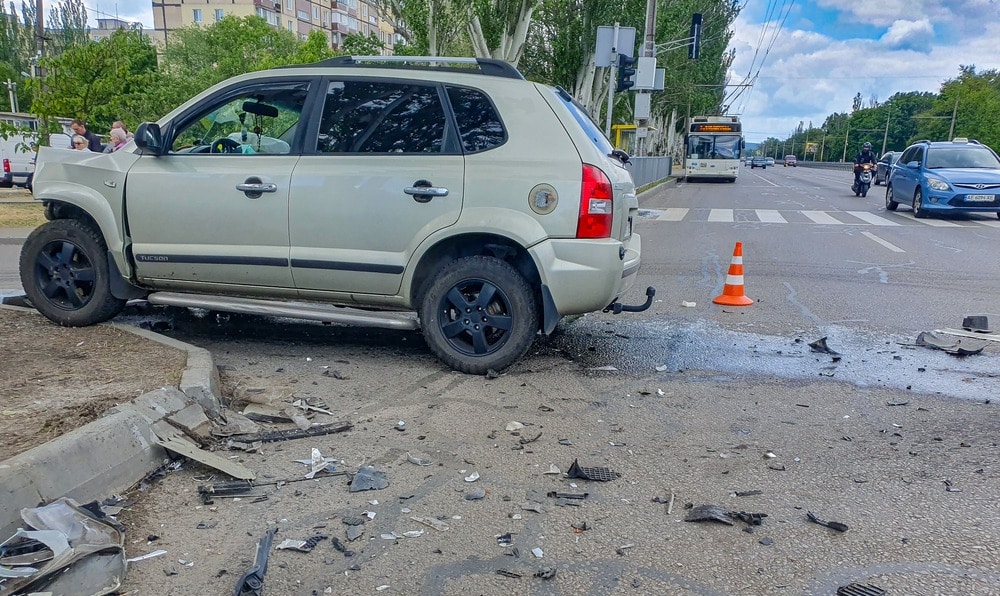
A center line is meant to separate traffic, but crossing it can turn an ordinary road into a dangerous place. A car accident caused by crossing the center line may leave an injured person facing medical bills, missed work, vehicle damage, and difficult questions about responsibility.
A driver who enters oncoming traffic may appear responsible, but a legal claim still depends on the facts and evidence surrounding the crash. Police reports, photographs, witness accounts, medical records, and insurance information can all matter. The answer depends on more than where the vehicles ended up. It also depends on why the driver crossed the line and what the evidence shows clearly. Here is what injured drivers should know about responsibility, compensation, evidence, insurance, and deadlines.
Does Crossing the Center Line Prove Fault?
Crossing the center line can be strong evidence that a driver failed to stay in the proper lane. However, the reason the vehicle crossed the line may also need to be examined. A driver may have been distracted, impaired, tired, speeding, or dealing with another problem.
The accident investigation can help establish what happened before the collision. A police report may record statements from drivers and witnesses, road conditions, vehicle positions, and other details. These facts can help show whether the other driver caused the crash.
What Evidence Can Show How the Crash Happened?
Evidence can help explain where the vehicles were, how they moved, and what happened before impact. Photos of the vehicles and roadway may show damage, lane positions, traffic signs, or other conditions.
Other useful information may include:
- Police accident reports
- Witness statements and contact information
- Traffic or security camera footage
- Vehicle damage and repair records
- Roadway photographs
- Medical records related to the crash
Keeping these records organized can make it easier to review the circumstances of the collision.
Can You Recover Compensation for Your Injuries?
A person injured by a driver who crossed the center line may be able to seek compensation for losses connected to the crash. The types of losses that may be considered depend on applicable law and the facts of the claim.
Medical treatment, hospital bills, prescription costs, lost wages, vehicle repairs, and certain other expenses may be part of the financial picture. Records can help show the costs connected to the accident and the effect of the injuries on work or daily activities.
A claim should be based on documented losses rather than assumptions about what an injured person may receive.
What If the Other Driver Says You Were Also Responsible?
Responsibility may become disputed after a serious collision. The other driver or an insurance company may argue that another action contributed to the accident. This can make evidence especially important.
The evidence may be reviewed to determine how each vehicle was moving and whether another factor contributed to the crash. Rules about shared responsibility differ among states, so the effect of any claim that an injured person contributed to the accident depends on the law that applies.
What If the Driver Has No Insurance?
An uninsured driver can create another problem for an injured person. However, the absence of insurance does not always mean there is no possible source of coverage.
An injured person’s own automobile policy may include uninsured motorist coverage. Such coverage can provide protection in certain situations, depending on the policy and applicable law. Policy limits and specific terms can affect what may be available.
Insurance information should therefore be reviewed carefully rather than assuming that an uninsured driver ends every possible option.
Are There Deadlines for Filing a Claim?
Legal claims are generally subject to deadlines, often called statutes of limitations. The deadline can depend on the state, the type of claim, and the circumstances surrounding the accident.
Insurance policies may also contain requirements about reporting a crash or making a claim within a certain period. Waiting too long can create problems, even if the evidence appears strong.
Keeping copies of accident reports, medical records, insurance documents, and other important information can help with a timely review of the available options.
Understanding Your Options After a Center Line Crash
A driver who crosses the center line may be responsible for a crash, but responsibility must be supported by the facts. A car accident caused by crossing the center line can involve questions about how the collision happened, the injuries suffered, available insurance, financial losses, and any shared responsibility.
Strong documentation can help create a clearer record of the accident. Police reports, photographs, witness information, medical records, and insurance documents can all provide useful details. Reviewing these materials with a qualified legal professional can help an injured person understand whether the available evidence supports a claim and what legal options may apply.