Evidence plays an important role in explaining how poor visibility contributed to a truck accident. Fog, heavy rain, darkness, and blocked road views can make it difficult for truck drivers to notice nearby vehicles or hazards. However, poor weather alone does not explain what happened or why the collision occurred.
Investigators examine weather reports, traffic camera footage, truck records, and witness statements to understand the conditions and the driver’s actions. In cases involving truck accidents caused by poor visibility, these details help build a clearer picture of the events. Each piece of evidence can reveal something that other records might miss.
Start With the Conditions on the Road
Weather Reports and Camera Images
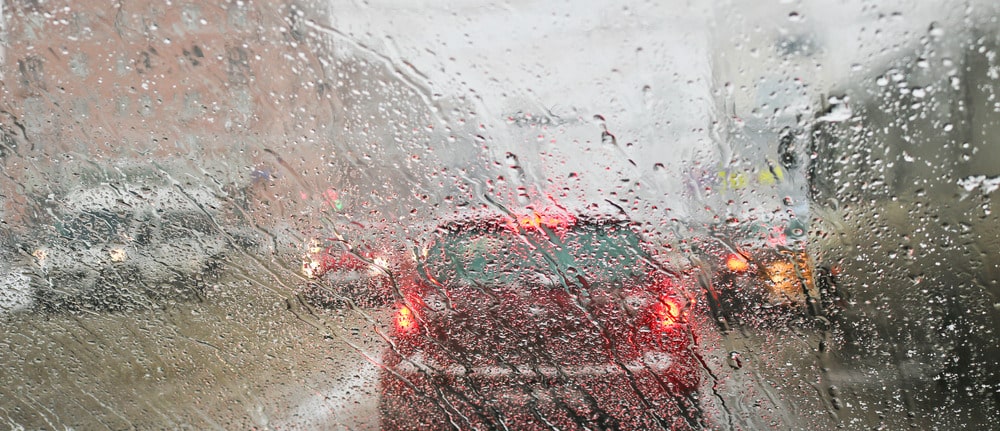
A weather report helps establish whether fog, rain, snow, or strong winds affected the area. But conditions can change across a short stretch of highway. Nearby traffic cameras may give a closer view of what drivers faced at the crash site. Pictures taken soon afterward can also show standing water, mist, or road spray from passing vehicles.
Lighting and Hidden Hazards
Poor visibility is not always caused by weather. A dark road, broken streetlights, an unmarked work zone, or a curve with blocked sightlines may also affect what a driver sees. Photos of road signs, lane markings, and nearby lighting help put those problems into context. Investigators may compare daylight and nighttime views to understand how easily a hazard could be spotted. Even the direction of sunlight matters if sudden glare affected a driver’s view ahead.
Look at What Happened Before Impact
Dashcams and Nearby Surveillance
Video can answer questions that memories cannot. A dashcam might show how far ahead traffic was visible, whether brake lights appeared, or whether another vehicle entered the truck’s path. Cameras on nearby buildings or other vehicles may capture different angles. The recording still needs careful review because a camera does not always see the road exactly as a driver does.
Truck Data and Driving Records
Some trucks store information about speed, braking, and engine activity. Depending on the equipment, these records may help establish what the truck was doing before the crash. GPS information and driver logs can add a timeline, while dispatch messages may show reports about difficult road conditions. Each record offers only part of the picture, so comparing them matters more than treating one number as proof.
What Witnesses Noticed
Other motorists may remember how far they could see or whether the truck slowed down. Their accounts may also describe traffic movement, headlights, and warning signs. Witnesses do not always agree, especially during confusing events. Still, matching details across several accounts can support what cameras and records reveal.
Examine the Evidence Left Behind
Vehicle Damage and Road Marks
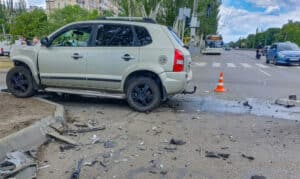
Damage to the vehicles may help explain the direction and nature of the impact. Debris locations and visible tire marks can provide more clues about movement and braking. Rain or passing traffic may quickly change these marks, making clear scene photographs especially useful. None of these clues should be judged alone, because the same pattern may have more than one explanation.
Lights, Wipers, and Maintenance Records
Working safety equipment matters even more in bad weather. Investigators may inspect headlights, rear lights, mirrors, and windshield wipers for problems that affected visibility. Maintenance and inspection records can show whether an issue was reported before the crash. A broken light, however, does not automatically explain a collision; its possible role must match the other evidence.
Connect the Conditions With Driver Actions
A foggy road does not tell investigators whether a collision could have been avoided. They also need to examine vehicle speed, following distance, lane position, and the driver’s response to traffic ahead. For example, a speed reading may seem ordinary on a clear day but tell a different story beside footage of dense fog.
Accident reconstruction specialists may bring road measurements, video, vehicle data, and physical evidence together to test possible sequences of events. Their work can help distinguish a visibility problem from other factors, such as equipment trouble or sudden traffic changes. It is rarely as simple as blaming the weather or one person based on a single clue.
Bringing the Evidence Together
Explaining truck accidents caused by poor visibility requires a careful review of the evidence rather than simply blaming fog, rain, or darkness. Weather reports, camera footage, truck data, witness statements, and physical evidence can help establish the road conditions and the driver’s actions before the collision.
Examining these details together can provide a clearer picture of how the truck accident occurred, what factors contributed to it, and whether the driver took reasonable precautions under the conditions.