With the price of car insurance reaching record highs this year, it’s more important than ever before to stay informed as to which vehicles will take you to the cleaners. According to a recent report by Compare.com, new cars sold today are 34% more expensive to insure than the national average of all insured cars. In the face of sky-high premiums, knowing where to shop and what to avoid could make a difference of hundreds or even thousands of dollars in your pocket.
The insurance dataset includes a wide array of compacts, subcompacts, midsize and large SUVs. It also takes EVs, hybrids and non-hybrids into account, with the full range of foreign and domestic manufacturers. As we found, some of the findings defy conventions, while others seem pretty par for the course.
Why SUV Insurance Premiums Are Skyrocketing

It easy to assume corporate greed is the biggest factor in car insurance prices reaching such astronomical heights, but the reality is more complex. Cars are far more complex, with more computerized components than even just a few short years ago. All those extra screens, computerized internals, and endless sensor arrays not only drive up the MSRP, but also your monthly insurance bill. You can also add the fact that the price of medical care is steadily rising, and this is factored directly into the agreement you make with your insurance servicer.
Post-pandemic driving habits are another major factor, as a worrying rise in the number of high-impact traffic accidents post-COVID has been reported by the AAA Foundation for Traffic Safety back in 2024. Maddeningly, cases of outright insurance fraud, such as staged accidents, are driving up costs nationwide. In places like New York, the State Department of Financial Services reports incidents of automotive insurance fraud reached a staggering 43,811 suspected cases in 2025. That’s a full 80% more reported cases than in 2020. All these factors and more put a relentless strain on America’s drivers, making your choice of SUV matter more than ever before.
Size Doesn’t Seem to Matter Much
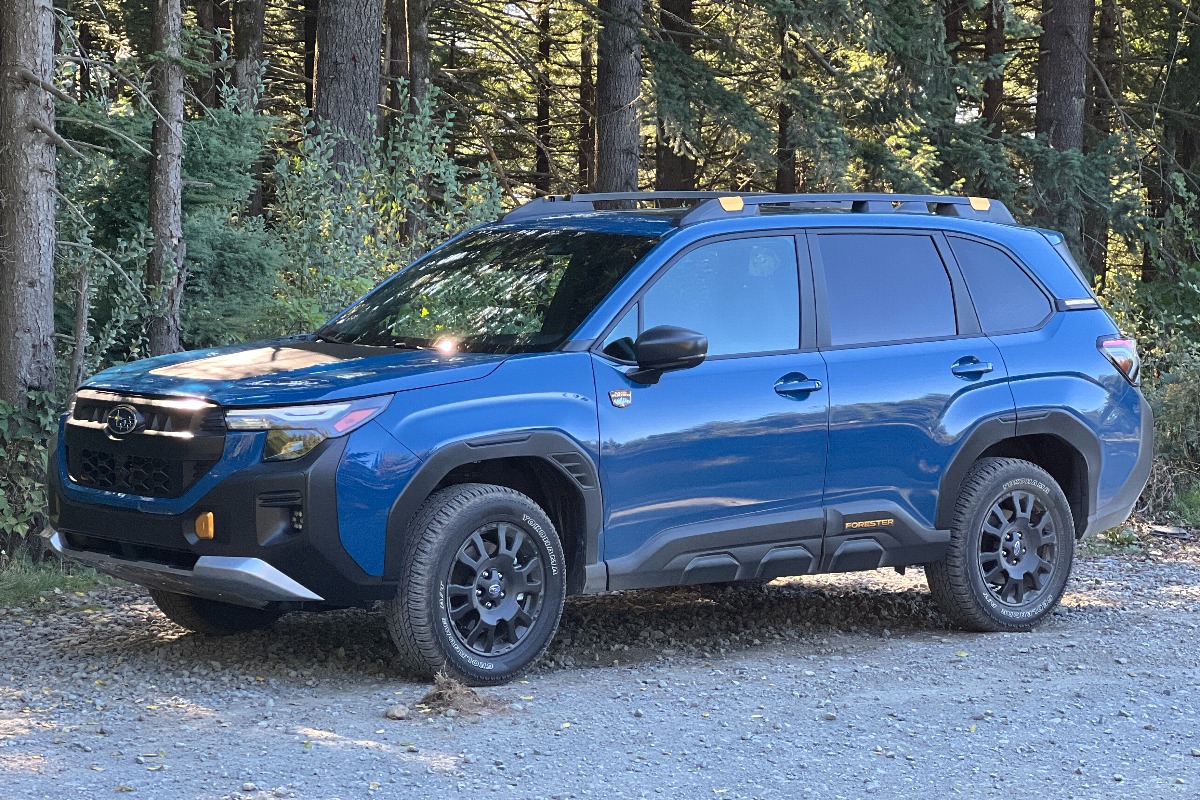
Historically, the biggest factor in the cost of car insurance, the dimensions of the vehicle, appears to not matter nearly as much as it once did. According to Shannon Martin, an Economic Analyst at Compare.com, the difference in cost between different classes of SUV is actually pretty small. “Surprisingly, annual insurance premiums across SUV sizes are relatively comparable with only a $103 spread in cost between the most expensive (Compact) and least expensive (Subcompact) categories,” Martin said. “For example, The BMW X4 and Subaru Forester are both classified as compact SUVs, yet the X4 averages $3,111 a year to insure compared with $1,801 for the Forester, a 73% difference.”
The point? It turns out that differences between individual models, and even the trim packages of said models, matter more now than ever before. It’s just another consideration when searching for your next SUV. On the more obvious side, hybrid and full-EV SUVs are more expensive to insure than straight-ICE vehicles, owing to expensive battery packs, electric motors, and associated hardware.
A Handful of Standouts, For Better or Worse
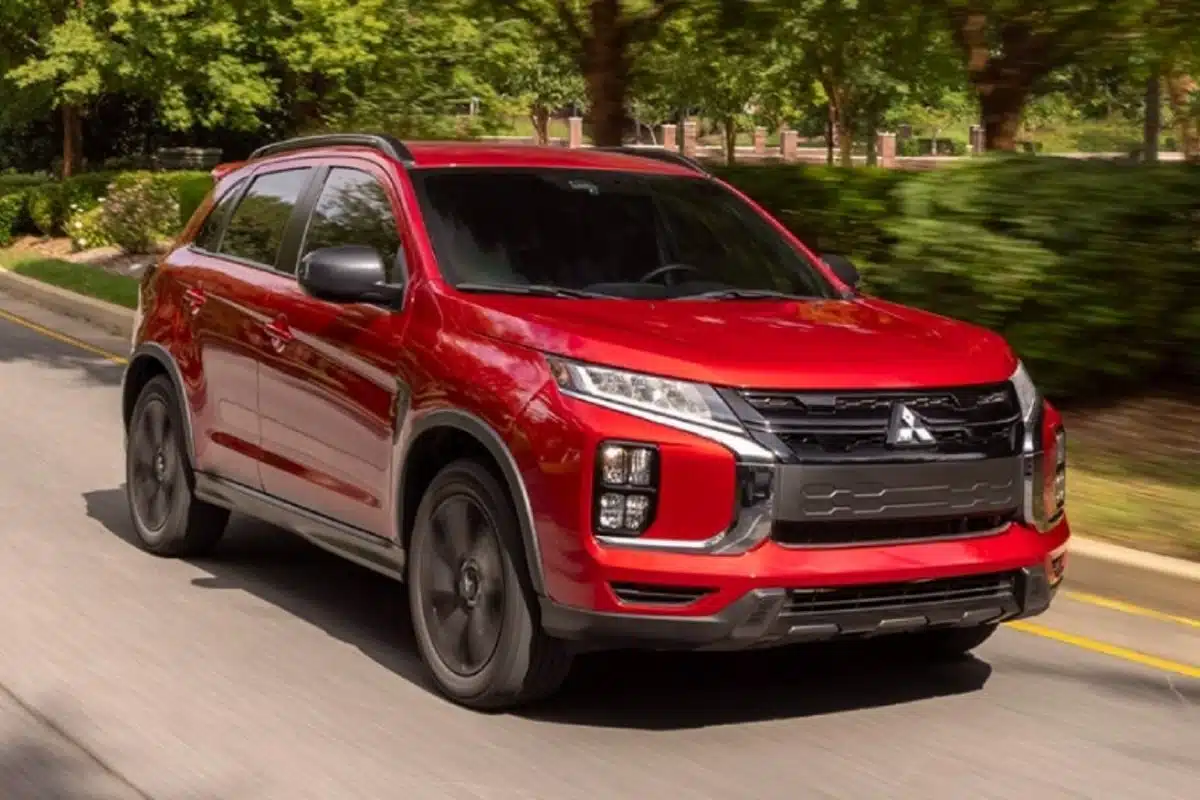
The days when you could pack luxury OEMs and economy brands into neat little piles for insurance paperwork are well and truly over. Thanks to varying levels of parts availability and the level of claims per vehicle, premiums can be unpredictable. Take the Mitsubishi Outlander Sport, an ostensibly reasonably-priced subcompact from a bargain brand desperate to move inventory. Thanks to limited parts availability and an abnormally high number of claims, you’ll pay an annual average of $3,276 to insure it — for context, that’s more than the BMW X1 ($3,232) , the Lexus UX ($3,040), Audi Q3 ($2,855), and the Mercedes-Benz GLA ($3,036) and GLB ($3,179).
Other budget subcompacts like the Kia Seltos, Toyota Corolla Cross, and the Chevy Trax are more reasonable to insure, all falling within the margins of the mid-to-high $2,000s per year. On the EV side of things, mainstays like the Mustang Mach-E ($3,241), VW ID.4 ($3,204), and Honda Prologue ($3,030) are pricey to insure, with the Tesla Model Y commanding an eye-watering $4,021 sum per year on average. Surprisingly, the Tesla isn’t the most expensive, as that title goes to the Audi Q4 E-Tron at $4,111. Meanwhile, hybrid SUVs remain substantially cheaper on the insurance front, with examples like the Toyota Sequoia ($2,714) and Kia Niro ($2,624) sitting at the bottom of their respective classes with room to spare.
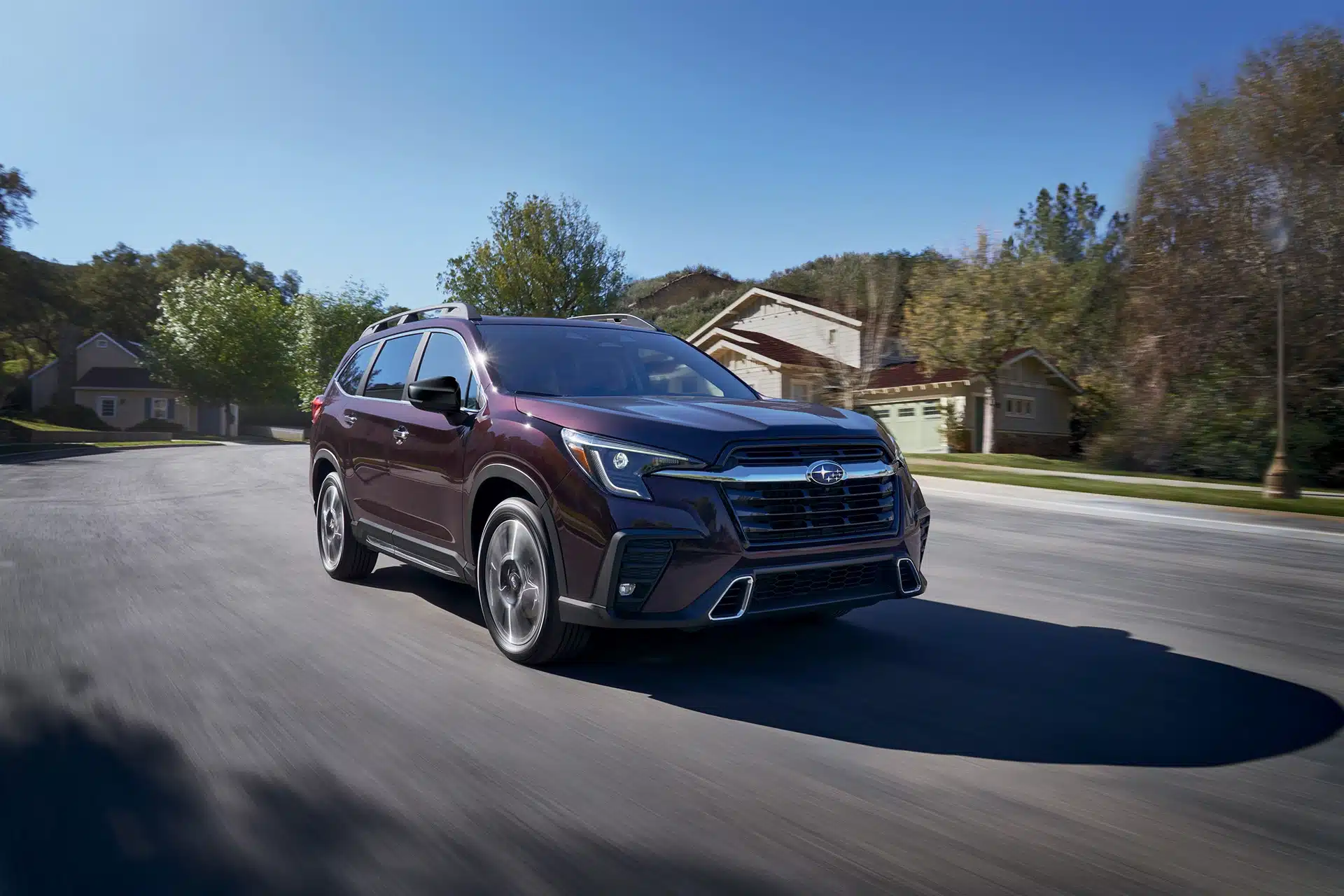
This suggests that insurance companies don’t see hybrid SUVs as having the same total writeoff risk as EVs, likely by virtue of having smaller battery packs and less associated expensive hardware. Luxury ICE SUVs somehow remain less expensive to insure than EVs a fraction their size, with the GMC Yukon XL ($2,806), Cadillac Escalade ($3,325), and Lexus TX ($2,945) commanding some of the highest annual insurance premiums in the nation. Still, it’s not all doom and gloom. On the opposite end of the spectrum, the revised Subaru Outback, now a full-blown SUV, averages just $1,969 per year to insure, the only vehicle in the survey verified at under two grand per year. Subaru wins the day in insurance premiums across the board, with the Crosstrek ($2,207), Forester ($2,135), and the Ascent ($2,222), all acting as the cheapest or second cheapest vehicles to insure in their classes.
Car Insurance: More Convoluted Than Ever

Car insurance has always been a necessary evil. You can even find yourself in the back of a police cruiser for driving without it. As it stands, it feels like navigating insurance premiums is more agonizing than ever, but there are a few things you can do to get ahead in the game. First, don’t be afraid to shop around. Long-standing beliefs about most big-chain insurance providers rewarding loyalty aren’t nearly as legitimate as they’ve been made out to be, and competitors are all too happy to cut you a deal if you’re willing to make the switch.
Elsewhere, state-sanctioned private driving schools offering defensive driver or driver improvement courses can shave as much as 10% on your monthly car insurance bill. For $300 a month comprehensive coverage, that works out to nearly $1,100 saved over the life of a three-year policy. Lastly, you can save some money by limiting the number of miles you put on your car per month. Providers like Allstate and Nationwide provide pay-per-mile programs with a low monthly rate, plus a nominal charge per mile for those who seldom drive more than a couple of times per week. Additionally, many insurers are willing to reduce premiums to update estimated mileage per year.
Depending on regulations state-to-state, updating to figures such as 5,000 miles per year can save you anywhere between 5% and 15% on your overall policy, so be sure to call your provider to see where you can save.