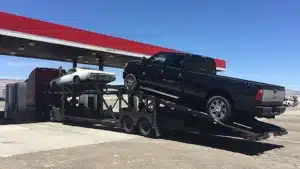
The truck you want is not always parked within fifty miles of your house. Regional pricing gaps, rust, and trim scarcity push a lot of buyers to widen the search to the whole country. That is a good instinct. It also adds a layer of work that local buyers never deal with, and most of the surprises come after the deal is done, not before.
Why the same truck costs less somewhere else
Pickup prices move with local demand. A half-ton crew cab in a ranching or oilfield market is a commodity. The same truck in a coastal metro can be a lifestyle purchase with a lifestyle price. Trim matters too. A base work truck sells slowly in a suburb and quickly near an industrial park, so where the truck sits changes what the seller expects for it.
Then there is rust. Trucks that spent their lives in salt-belt states carry frame and bed corrosion that southern and western trucks simply do not have. Buyers who care about the underside of a truck routinely shop in Texas, Arizona, and the Carolinas for that reason, and sellers in those states know it.
None of this guarantees a better deal out of state. It means the pool is bigger and the range is wider, which is exactly why it pays to look.
Inspect it before you fall in love with it
Never buy a truck from photos. A pre-purchase inspection by an independent shop near the seller runs modestly and catches the things that matter on a pickup: frame rust, bed and tailgate damage, towing wear on the transmission and rear end, aftermarket lift quality, and whether the four-wheel-drive system actually engages. Ask the shop to put the truck on a lift and photograph the frame rails and the area behind the rear wheels.
Pull the history report and check the title status. A truck that has been in a fleet, a rental pool, or a flood state should show it. If the seller says light personal use and the report shows commercial registration or mileage jumps, that gap is either a negotiating point or a reason to walk.
The paperwork side
Out-of-state purchases are titled and taxed in your home state, not where you bought the truck. Get the signed title, a bill of sale, and an odometer statement before money changes hands. Ask for a copy of the window sticker if the seller has it, because trim and package verification is harder on trucks than on cars. Your DMV will want a VIN inspection in many states, so budget time for that after the truck arrives.
Getting it home is the part people underestimate
You have two choices: fly out and drive it back, or ship it. Driving is a road trip on a truck you have never driven, with no plates in some states, and a fuel bill that grows with the size of the vehicle. For anything over a few hundred miles, most buyers ship.
Shipping a pickup truck is a different job from shipping a sedan, and the quote reflects that. A few things that catch first-time buyers:
- Size and weight set the price. Carriers price by the space and payload a vehicle takes on the trailer. A crew cab long bed uses more of both than a midsize truck. Heavy-duty models, duallys, and anything with a lift are priced above standard because they limit how the carrier can load the rest of the trailer.
- Measurements matter. Give the transport company the truck’s height, length, and any modifications up front. Lifted trucks, oversized tires, racks, toolboxes, and aftermarket bumpers all change what equipment can carry it. A carrier who arrives with the wrong trailer leaves without the truck, and you lose days.
- Empty the bed. Personal items in the bed are not covered by carrier cargo insurance and are exposed to weather and theft in transit. Most transport companies allow a modest amount of belongings inside the cab, but the bed should be empty and any tonneau or camper shell should be secured or removed.
- Open transport is fine. The vast majority of pickups ship on open carriers, the same trailers that move new trucks to dealerships. Enclosed transport makes sense for a restored or collector truck, and it costs roughly half again to two-thirds more, based on what we see across our own orders.
What a realistic timeline looks like
The number to ask about is the pickup window, not the transit time. Transit is set by distance. The wait for a carrier to be assigned and show up is where timelines stretch. Much of the industry quotes up to five business days for that window. At SAKAEM Logistics our standard is one to three business days, and about 95 percent of vehicles are picked up inside it. The rest are hard routes or oversized units, which can take an extra one to three days, and a lifted heavy-duty truck to a rural address is exactly the kind of order that lands in that group. Plan for it rather than being surprised by it.
Before you book, confirm the carrier’s cargo insurance in writing. Standard coverage on the carriers we assign runs from $250,000 up to $1,000,000, and you should not accept less than the truck is worth. Take dated photos at pickup, get a bill of lading with condition notes, and do the same walk-around at delivery before you sign. Any damage claim starts with those two documents, and a claim without them is a conversation, not a claim.
The short version
Shop the whole country, inspect before you pay, handle the title in your home state, and treat transport as part of the purchase price instead of an afterthought. A truck that costs $2,000 less three states away is still a good deal after shipping. It is a bad deal if a mismatched carrier, a loaded bed, or a five-day pickup window turns the savings into a headache. Get the shipping a pickup truck quote before you agree on the price, and the rest of the process stays simple.