Before buying an SUV, get an insurance quote alongside the payment estimate. A lower sticker price does not necessarily mean a lower premium, and the difference between models can add hundreds of dollars to annual ownership costs.
A Compare.com study puts annual full-coverage insurance for 2025–2026 vehicles at $2,879, versus $2,144 across all vehicles. That is about 34% more for newer models—not a 34% year-over-year increase. The comparison does not establish that SUV insurance has reached an all-time high.
What the insurance figures measure
The study examined 257 new models using insurance applications from January 2025 through May 2026. Although its tables label the figures as averages, the methodology describes median quoted premiums for drivers ages 20–70, using two-year rolling medians. Full coverage includes comprehensive and collision coverage with a $1,000 deductible, along with liability coverage. Your location, driving record, coverage limits and other rating factors can change your quote.
Why newer vehicles can cost more to insure

Expensive repairs can turn a seemingly minor collision into a costly claim. Cameras, sensors and other driver-assistance equipment may need replacement and calibration after damage. Compare.com identifies increasing vehicle complexity as one reason newer models cost more to insure.
That does not mean every SUV with more equipment will carry a higher premium than every simpler model. Use the figures below to build a shopping list, then compare quotes for the exact vehicles and coverage you are considering.
Compare individual models, not just vehicle size
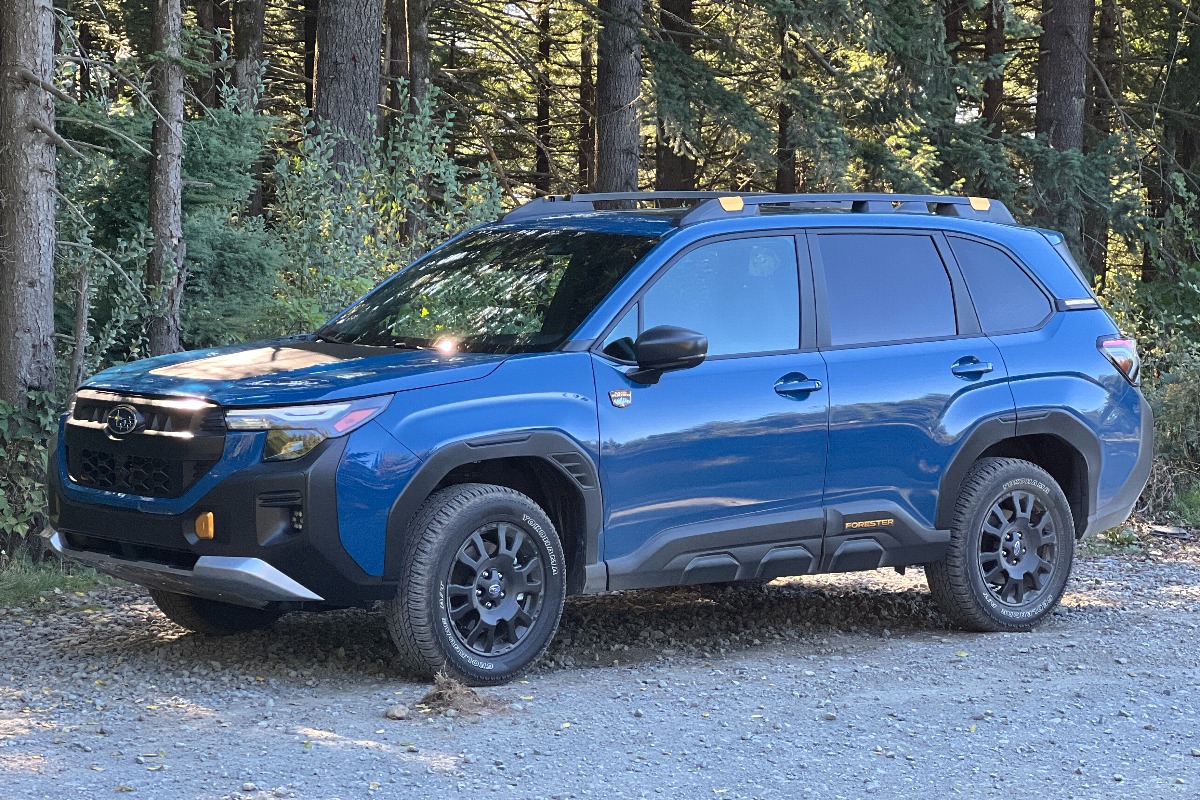
The BMW X4 and Subaru Forester illustrate why broad labels are not enough. The study’s current table lists the X4 at $2,598 and the Forester at $2,135 annually. That is a $463 difference, or approximately 22% more for the BMW.
| Vehicle | Annual full-coverage premium |
|---|---|
| Subaru Forester | $2,135 |
| BMW X4 | $2,598 |
A lower purchase price does not guarantee cheaper insurance
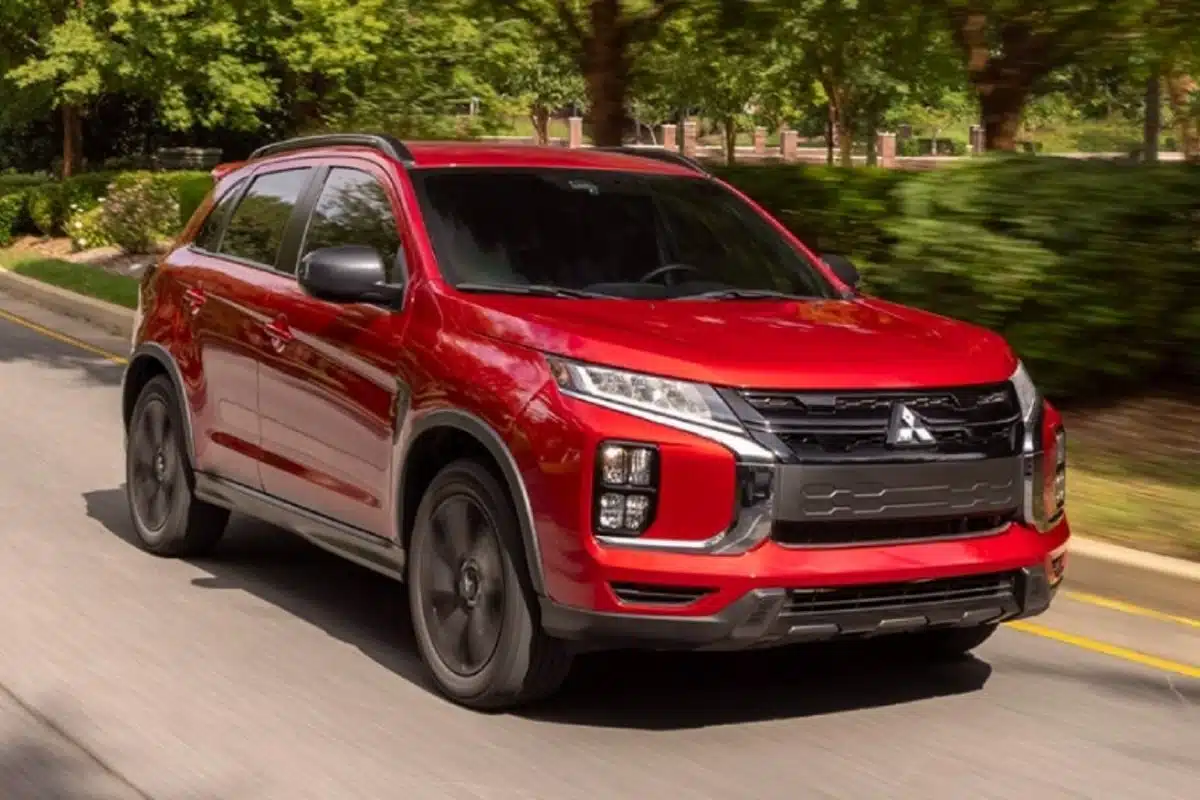
The Mitsubishi Outlander Sport is a useful reminder to check insurance costs before signing. Its listed premium exceeds those of several luxury-brand SUVs in this comparison. The prices alone do not establish why a particular model costs more to insure.
| Vehicle | Annual full-coverage premium |
|---|---|
| Kia Seltos | $2,427 |
| Chevrolet Trax | $2,531 |
| Toyota Corolla Cross | $2,747 |
| Audi Q3 | $2,855 |
| Mercedes-Benz GLA | $3,036 |
| Lexus UX | $3,040 |
| Mercedes-Benz GLB | $3,179 |
| BMW X1 | $3,232 |
| Mitsubishi Outlander Sport | $3,276 |
Electric SUVs: compare the model, not just the powertrain
Among the electric SUVs highlighted here, the Audi Q4 e-tron has the highest listed premium, followed by the Tesla Model Y. This is a selection of models, not a complete ranking of every electric SUV.
| Vehicle | Annual full-coverage premium |
|---|---|
| Honda Prologue | $3,030 |
| Volkswagen ID.4 | $3,204 |
| Ford Mustang Mach-E | $3,241 |
| Tesla Model Y | $4,021 |
| Audi Q4 e-tron | $4,111 |
Other SUVs highlighted in the original comparison appear below. These model-level figures do not isolate individual trims or prove that one powertrain carries a particular total-loss risk. Check the exact configuration with your insurer.
| Vehicle | Annual full-coverage premium |
|---|---|
| Kia Niro | $2,624 |
| Toyota Sequoia | $2,714 |
| GMC Yukon XL | $2,806 |
| Lexus TX | $2,945 |
| Cadillac Escalade | $3,325 |
Subaru models offer lower-cost examples
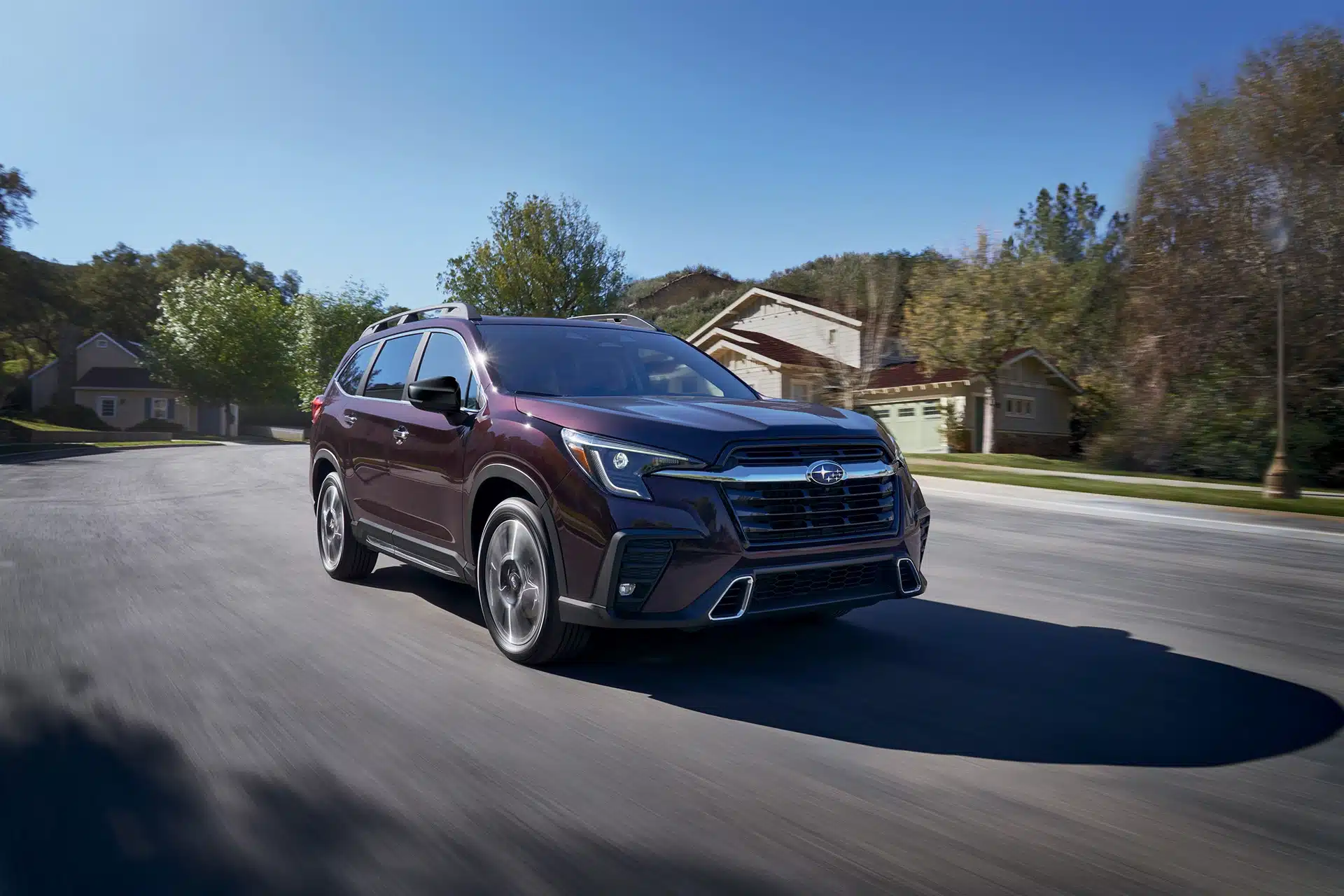
The Outback is the only model below $2,000 in the study’s published table. The other Subaru models below also offer useful starting points for shoppers comparing ownership costs.
| Vehicle | Annual full-coverage premium |
|---|---|
| Subaru Outback | $1,969 |
| Subaru Forester | $2,135 |
| Subaru Crosstrek | $2,207 |
| Subaru Ascent | $2,222 |
How to shop for SUV insurance

Request quotes before you buy, and compare the same coverage limits and deductibles. A cheaper quote is not necessarily a better deal if it leaves you with less protection or a deductible you cannot comfortably pay. Ask about available discounts rather than assuming your current insurer will always offer the best price.
Approved defensive-driving courses may qualify you for a discount, depending on the state and insurer. For example, New York’s program provides a 10% reduction for three years in the base rates of specified liability, no-fault and collision coverages. That does not automatically mean 10% off the entire bill or a three-year insurance contract. Confirm eligibility and the actual savings before paying for a course.
If your driving has decreased, give your insurer an accurate annual-mileage estimate and ask about low-mileage or pay-per-mile options. Availability and savings vary. Compare the complete cost and coverage, including any mileage charges, against a conventional policy.
Updated Sept. 18, 2026: We corrected conflicting BMW X4 and Subaru Forester figures, clarified the study’s methodology and comparison period, removed unsupported claims, and added vehicle comparison tables.