“Is this one of the GM V8s with lifter problems?” It’s one of the first questions I’d ask when shopping for a Chevy or GMC pickup or full-size SUV. There’s no way to predict whether a particular engine will fail, but GM’s own service bulletins tell us which 5.3L V8s deserve a closer look.
First, it helps to know which cylinder deactivation system you’re looking at. GM used Active Fuel Management (AFM) on older 5.3L engines, then introduced Dynamic Fuel Management (DFM) on the 5.3L L84 and 6.2L L87 for 2019. That didn’t mean AFM went away. Some newer 5.3L trucks still used it, so the engine code matters as much as the year.
Here are the model years GM documented, the build dates worth checking, and what a GM engineer says the company changed inside the lifter.
The older 5.3L AFM engines have a documented history
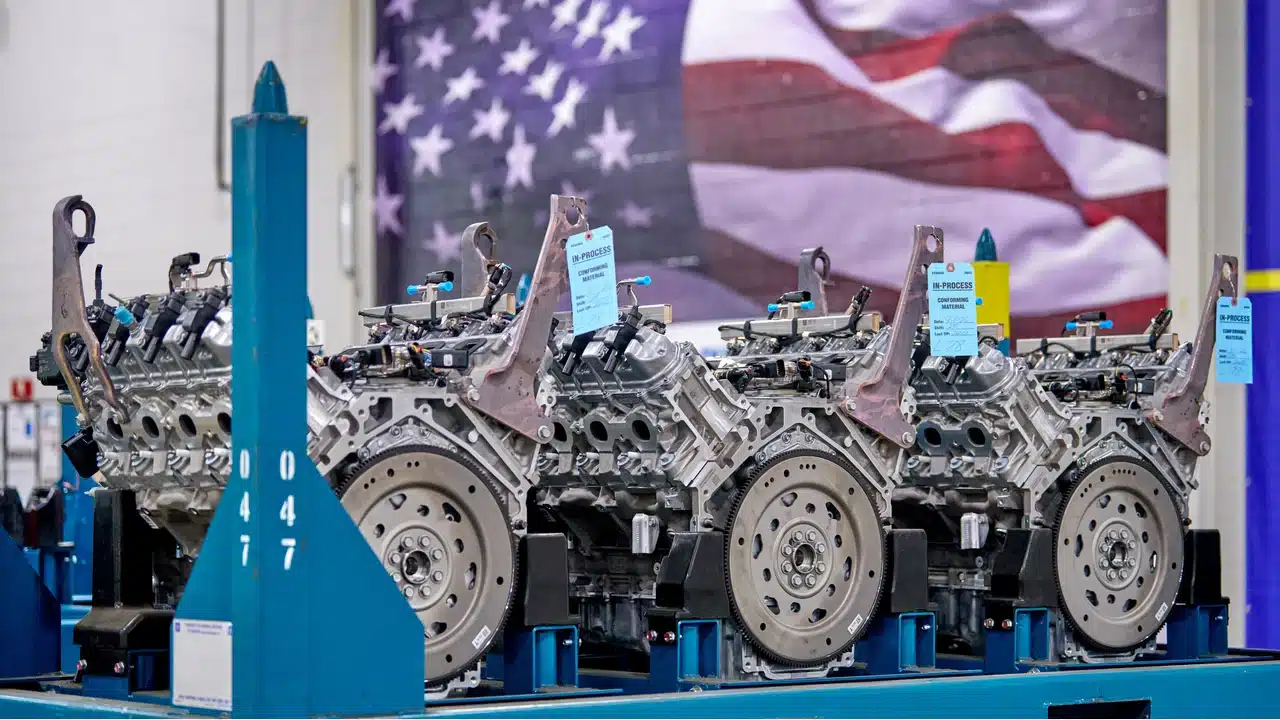
Active Fuel Management, or AFM, allows the engine to shut off selected cylinders under light loads. Dynamic Fuel Management, or DFM, uses more combinations of active cylinders. Both rely on specialized lifters, but the names should not be used interchangeably.
GM’s PIP4568S bulletin from March 2016 includes AFM-equipped 2007–2013 Silverado and Sierra trucks and 2007–2014 Tahoe, Suburban and Yukon SUVs. It discusses misfires and ticking associated with AFM lifters that collapse or remain stuck, including locking-pin concerns. Those are vehicle application ranges, not a declaration that every engine in those years has a defect.
The next generation has its own documentation. Bulletin 15-06-01-002O, revised in March 2023, includes the 5.3L L83 and L8B in listed applications: 2014–2018 Silverado and Sierra, the carryover 2019 Silverado LD and Sierra Limited, and 2015–2020 full-size SUVs. It describes collapsed or stuck AFM lifters, bent pushrods and possible locking-pin damage from oil aeration.
Do not assume every newer 5.3L is DFM, either. The L82 uses AFM, while the L84 uses DFM. Model year alone is not enough; the engine code, vehicle and build date matter.
GM identified two specific later production windows
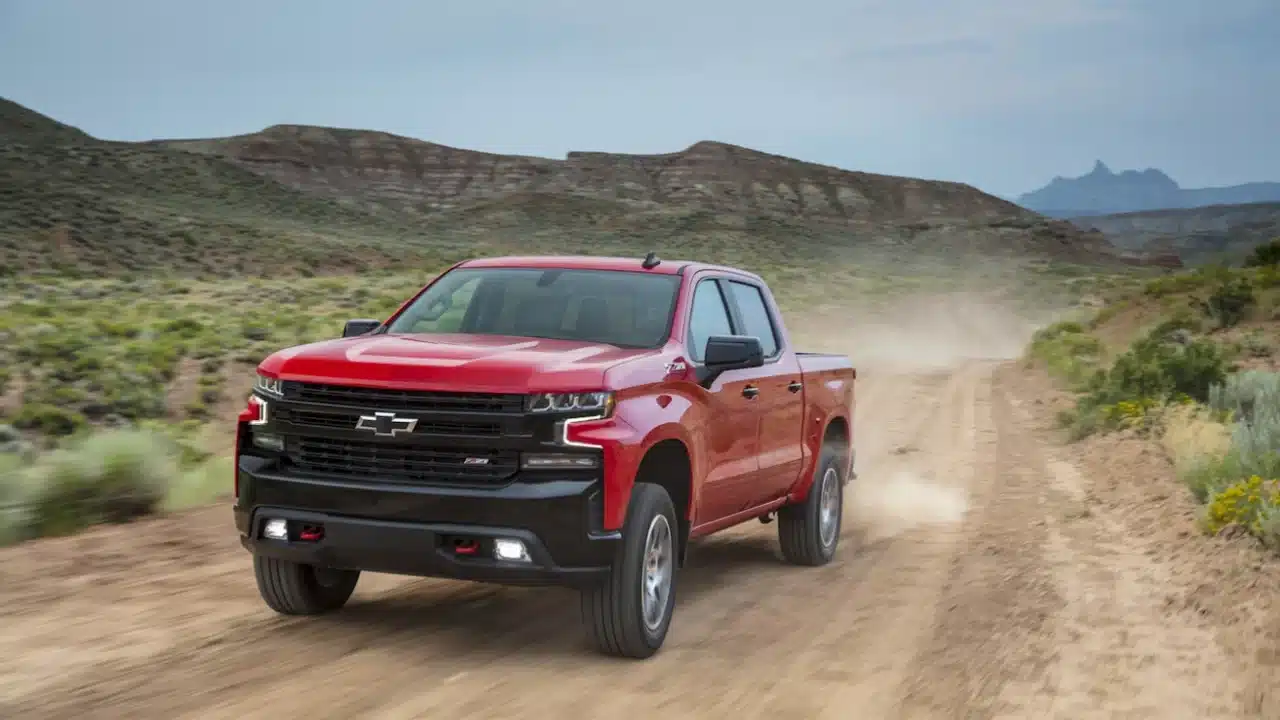
For the later 5.3L L84, there are two particularly useful windows in GM’s documents. These are build dates, which are different from model years.
Bulletin 23-NA-043, revised in March 2024, covers specified 2020–2021 Silverado and Sierra 1500 trucks and 2021 Tahoe, Suburban and Yukon SUVs built September 1, 2020, through March 31, 2021. The 5.3L engine listed is the L84. The bulletin addresses a bent pushrod or collapsed/separated lifter associated with misfires and related symptoms.
A separate document, PIP5861, dated July 21, 2022, identifies certain 2022 Silverado and Sierra 1500 trucks and Tahoe, Suburban and Yukon SUVs built October 9 through December 18, 2021. Again, the relevant 5.3L engine is the L84. It describes a possible internal lifter concern leading to a collapsed or separated lifter and/or bent pushrod.
Both documents also contain 6.2L applications. Those should not be confused with the 5.3L applications, and they should not be conflated with the separate 6.2L crankshaft/bearing recall.
The windows are not a guarantee that engines built outside them cannot have lifter problems. The documents direct technicians outside the specified breakpoints to other diagnostic guidance. GM’s June 2024 revision of 19-NA-218 includes later applications through model year 2024 and several potential causes of engine misfires, ticking or related concerns. Its broad coverage is not a failure-rate study.
PIP5861 is a historical preliminary-information document. Owners should have a dealer check the current guidance for their VIN rather than treating an older PDF as today’s repair instructions or a promise of free repairs.
What GM’s engineer said about the lifter changes
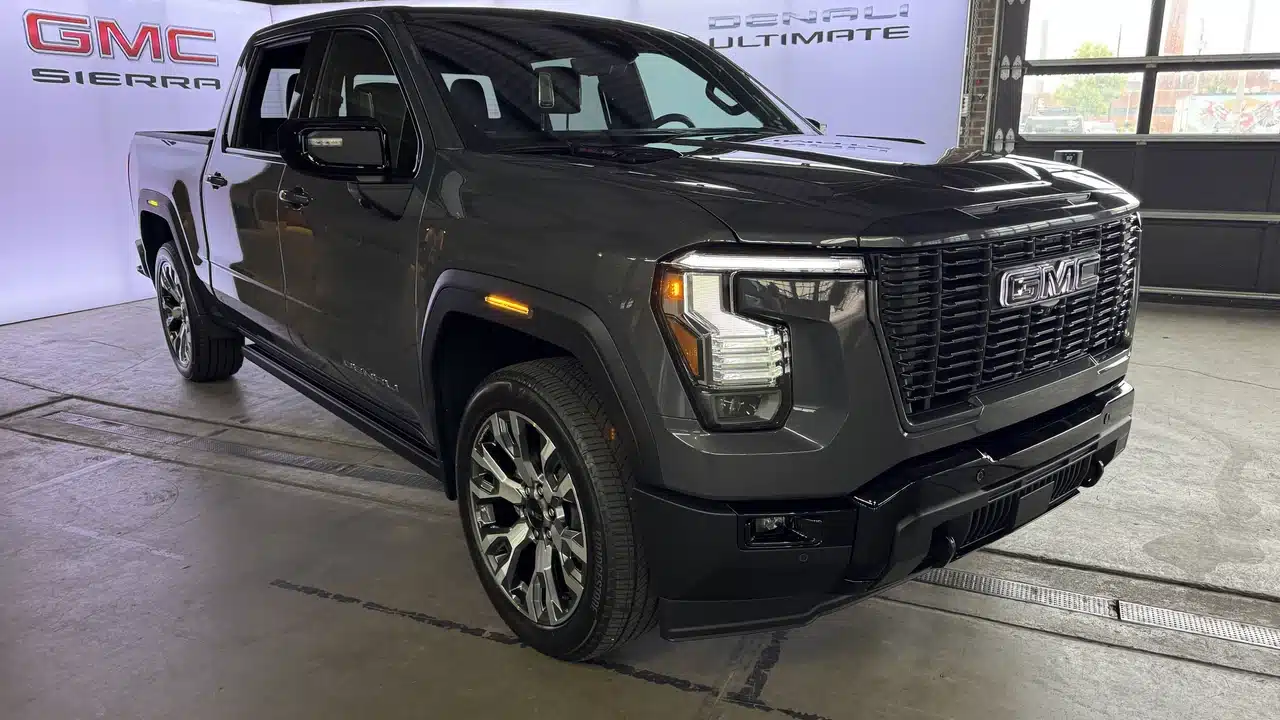
In a Getty’s Garage interview, GM assistant chief engineer Ian Stahl attributed many earlier lifter problems to supplier quality, including poorly formed wire. He described supplier changes and an improved spring inside the deactivation mechanism. We previously covered his explanation in our report on GM’s lifter changes.
Stahl placed the supplier changes at roughly four years earlier and said warranty activity had been low since then. He did not supply claim totals, failure rates or an exact production cutoff. “It’s a problem that’s behind us, I think,” he said.
That is GM’s assessment, not proof that every 5.3L built after a particular date is trouble-free. Nor should his explanation be read as saying every older failure had the same cause.
The interview discussed the new 2027 V8 generation, including the 5.7L replacing the 5.3L. Stahl described improvements made before those new trucks, with the lifter-based DFM system continuing. It would be misleading to turn that into a claim that a completely new lifter system arrives for 2027.
Yes, there are specific model years with documented 5.3L lifter problems. On newer trucks, pay particular attention to certain 2020–2022 Silverado and Sierra 1500s and 2021–2022 Tahoe, Suburban and Yukon SUVs with the L84. GM identified two build windows: September 1, 2020 through March 31, 2021, and October 9 through December 18, 2021. The older AFM paperwork covers selected 2007–2018 pickups, the carryover 2019 Silverado LD and Sierra Limited, and selected 2007–2020 full-size SUVs. That’s a list of documented applications worth checking, not a prediction that every 5.3L in those years will fail.
If you’re buying a used 5.3L, get the VIN before you go. Ask a Chevy or GMC dealer to confirm the engine code and exact build date, then check for bulletin 23-NA-043 or PIP5861 if it’s an L84. Ask the seller for the repair order if they say the lifters were replaced. It should show which parts were replaced and whether the shop worked on one bank or both. Ask to hear the engine start cold and have any persistent tick, rough idle or misfire checked before you buy.
If it’s your truck making the noise or setting a misfire code, ask the shop to diagnose it before you authorize a lifter repair. A tick or a code by itself doesn’t identify the failed part. Bring the bulletin number if your build matches, and ask what coverage applies to your VIN. A service bulletin isn’t a recall or a promise of a free repair.