A Ford F-150 PowerBoost owner review gets more interesting once the novelty of a hybrid pickup wears off. After four years and 55,000 miles with his 2022 F-150 XLT, the owner behind YouTube channel FixOrRepairDIY has a clear answer: He would choose the hybrid again.
His July 14, 2026, update covers fuel economy, a weak 12-volt battery, small annoyances and the option that proved useful when the lights went out. The truck has not been perfect, but the problems he describes have not changed his opinion of it.
Fuel economy depends on how you use the truck
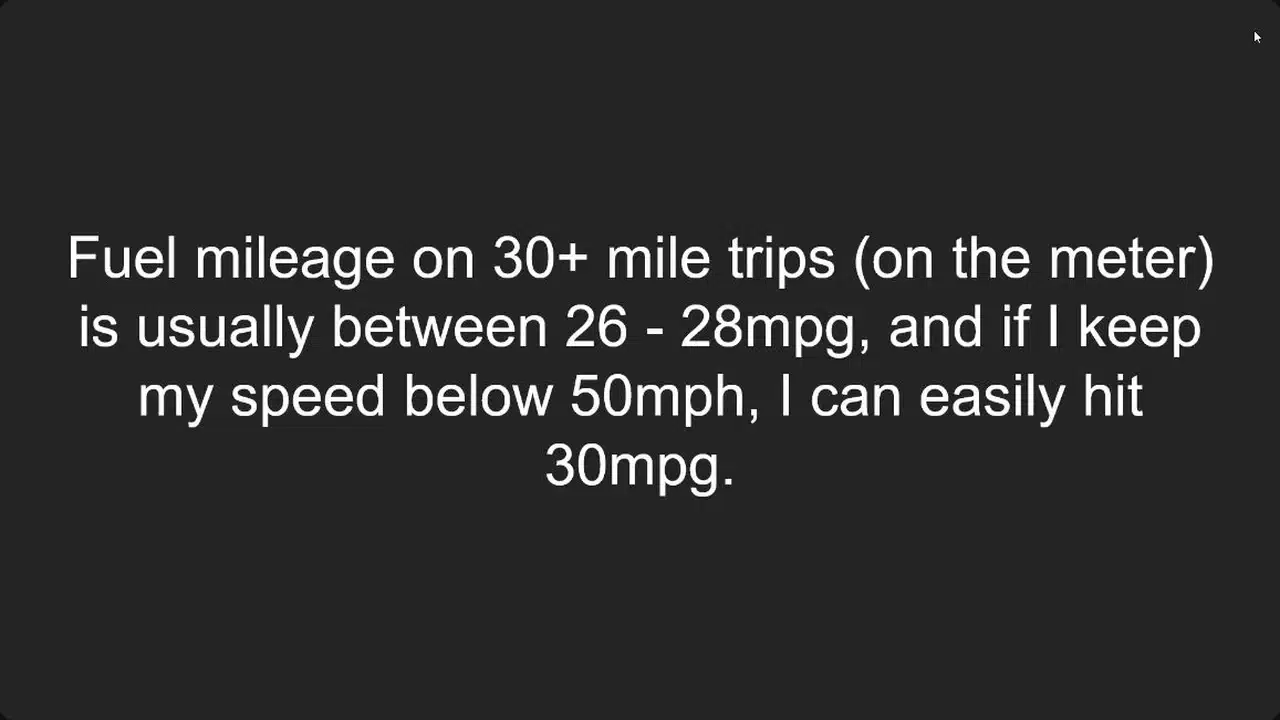
In the video’s fuel-economy section, the owner reports summer fill-up averages of about 25 to 26 mpg. He separately describes indicated mileage of 26 to 28 mpg on trips longer than 30 miles, with higher readings possible below 50 mph.
Those numbers need context. He had moved to the Blue Ridge Mountains, where much of his driving takes place on rolling, two-lane roads. He says the truck is stock, he uses regular 87-octane gasoline and he does not tow. He also reports a winter decline of roughly 5% to 10%.
For a buyer, the fill-up average is more useful than the best reading on the dashboard. His driving is also important: Someone towing regularly or commuting at interstate speeds would need a different comparison.
A weak 12-volt battery needed replacement
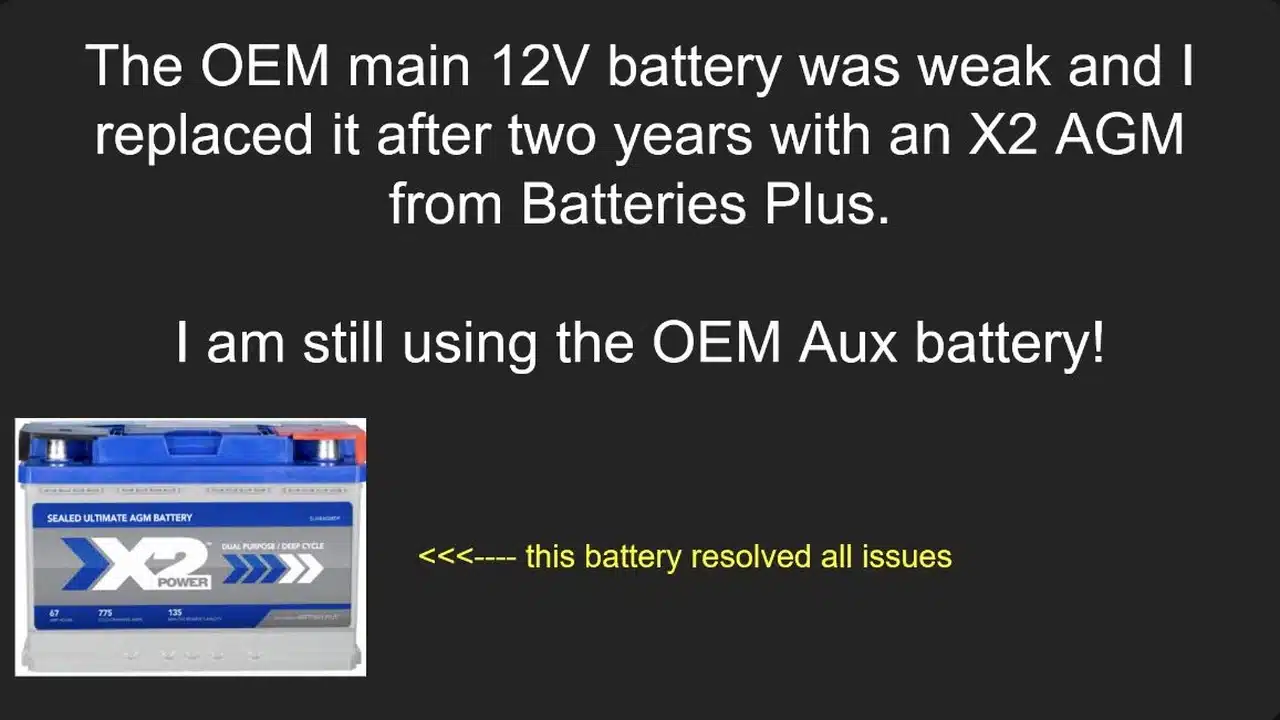
At 3:41, the discussion turns to reliability. The owner says he replaced the weak main 12-volt battery after about two years. That is a different component from the high-voltage hybrid battery. He says the original auxiliary battery behind the rear seat remains in use.
He also recalls roughly three check-engine warnings related to the truck detecting an open fuel door. He does not describe a major engine or transmission repair in this update.
Maintenance has included transmission fluid and filter service, plus differential and transfer-case fluids, at 30,000 miles. Those are his maintenance choices. Check Ford’s schedule for the truck and its operating conditions when planning your own service.
This is the detail worth asking about when shopping used: What was actually replaced, and what was routine service? A receipt for a 12-volt battery tells a different story from a transmission replacement. Our earlier 97,000-mile F-150 EcoBoost owner review is another example of why the individual truck’s history matters.
The 7.2-kW generator earned its place
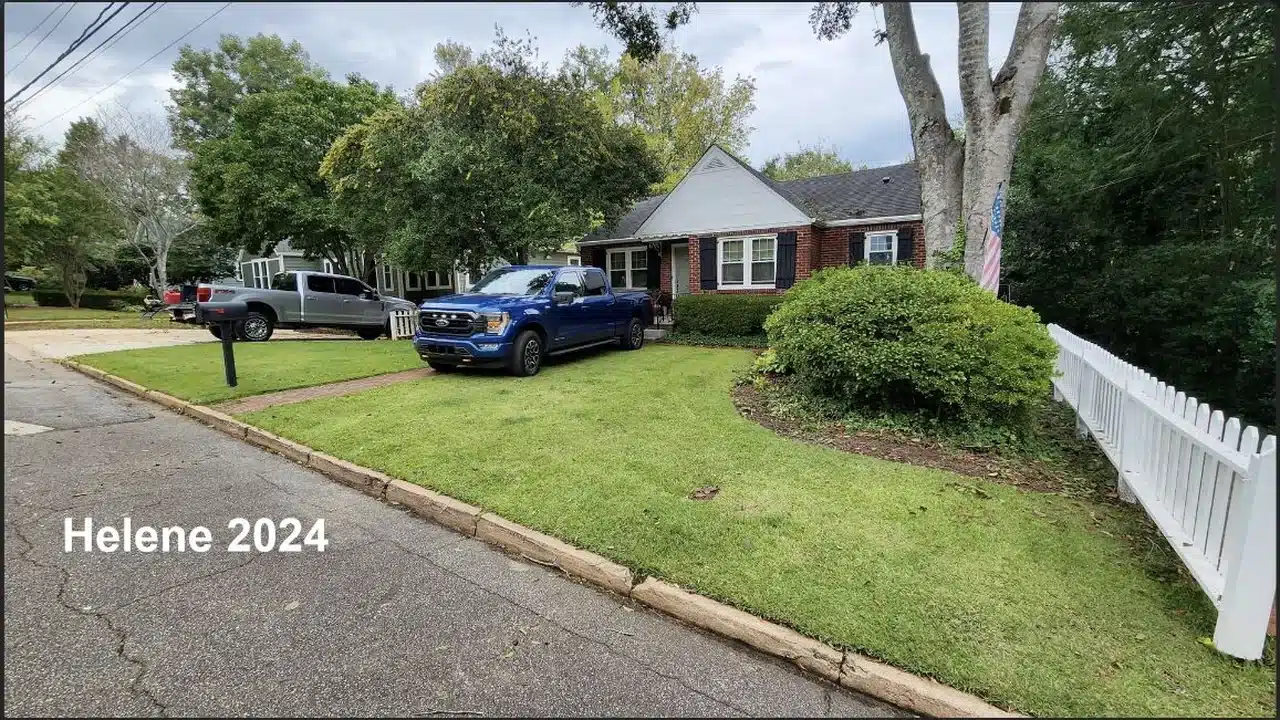
The strongest reason he would order the PowerBoost again comes in the Pro Power Onboard section. He describes using the truck during a weeklong outage after Hurricane Helene in 2024 and again during a later winter outage. He also uses its outlets for projects around his property.
That adds a practical ownership benefit beyond fuel economy. A truck that can support tools and provide backup electricity has value even when it is parked. PUTT contributor Perry Stern described a similar benefit in his own PowerBoost outage experience.
For home backup, the connection matters as much as the available power. Use properly installed transfer equipment and qualified electrical guidance. A running truck must remain outdoors away from doors, windows and enclosed spaces.
What bothers him, and what he would buy again

The complaints section is mostly about daily use. His long-wheelbase SuperCrew with a 6.5-foot bed can be awkward in parking lots. He dislikes the unloaded handling, notices wear on the cloth driver’s seat and is not impressed with the brake-pedal feel.
Even so, he would keep the PowerBoost engine, the longer bed and the 7.2-kW Pro Power Onboard system. Given another chance, he would consider spending more for the Lariat’s interior and features.
That is the useful verdict here. This owner still likes the combination he bought after years of using it, with a replacement battery and several irritations included in the account. One truck at 55,000 miles cannot establish how every PowerBoost will age. It does give used-truck shoppers specific questions to ask and a clearer picture of what the hybrid can offer beyond its window sticker.