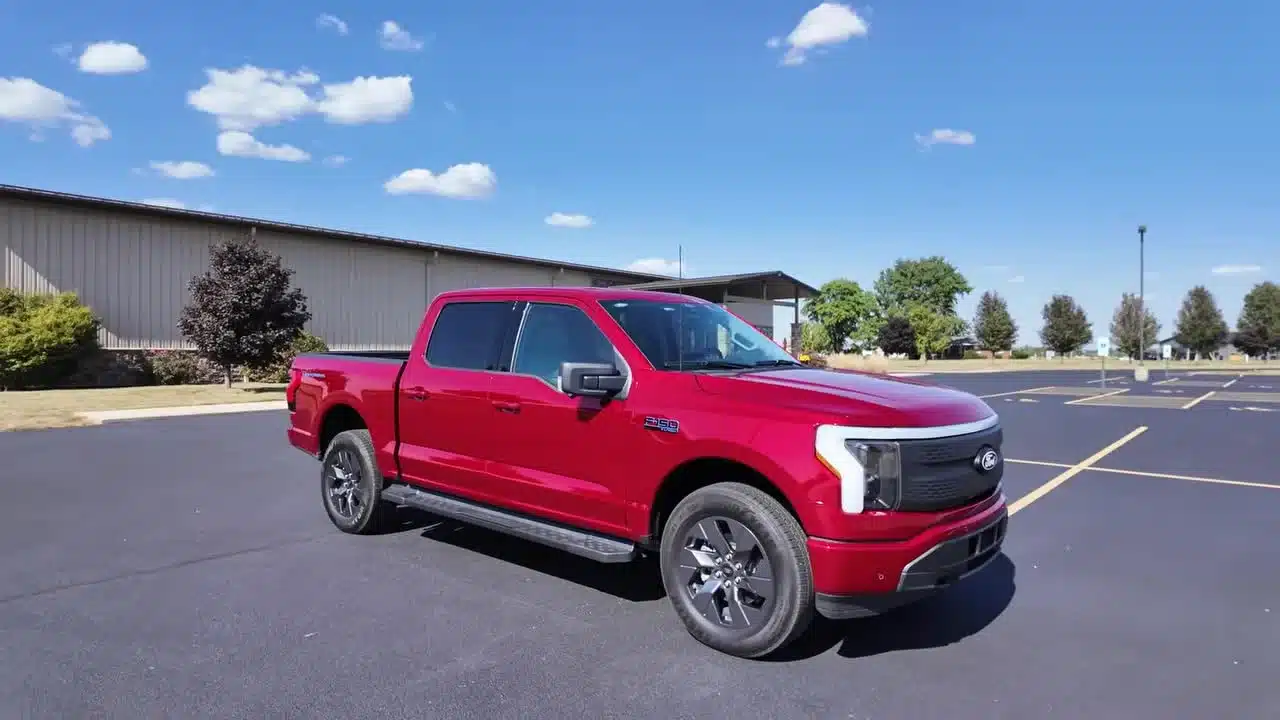
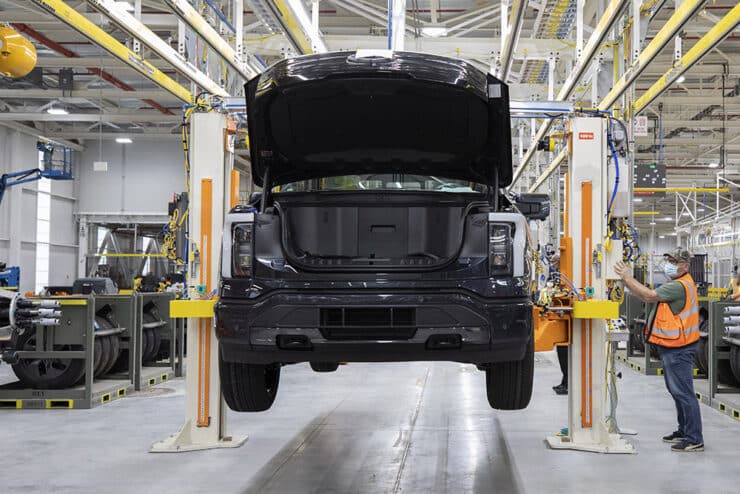
The Ford F-150 Lightning brought battery-electric propulsion to America’s best-selling pickup nameplate when it arrived for the 2022 model year. Based on the conventional F-150 architecture but heavily modified for electric propulsion, the Lightning combined familiar pickup utility with dual-motor all-wheel drive, substantial torque, and a large front trunk.
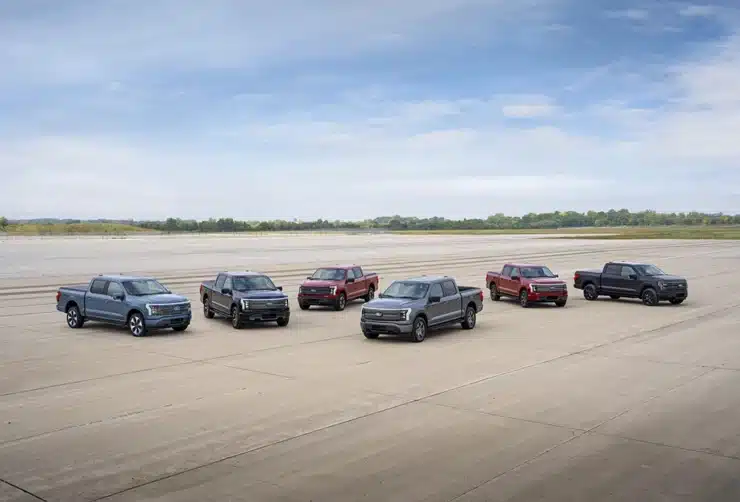
Ford offered the Lightning in several configurations, including multiple battery sizes, consumer-oriented trims, and the fleet-focused Lightning Pro. In December 2025, Ford announced that production of the original all-electric Lightning would end in 2025, with a future Lightning planned as an extended-range electric vehicle.
While the Lightning demonstrated that an electric pickup could deliver impressive acceleration, towing capability, and everyday utility, ownership hasn’t been without problems. Battery recalls, suspension concerns, electronic glitches, and real-world range limitations have all been part of the truck’s ownership experience.
Here’s what owners and prospective buyers should know about Ford F-150 Lightning recalls, technical service bulletins and documented service concerns.
F-150 Lightning Drivetrain Problems
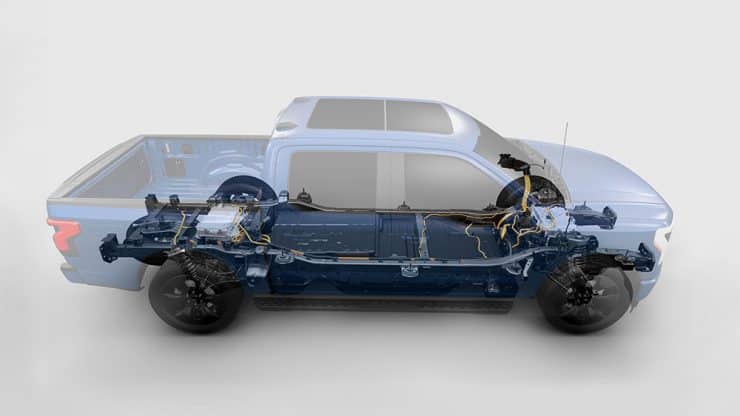
The following recalls address the Lightning’s high-voltage battery and electric propulsion systems. Each applies to specified vehicles, not necessarily every truck in a listed model year. Check your VIN for eligibility and the latest repair instructions.
High-Voltage Battery Cell Short Circuit, Fire Risk (25V-131): This campaign covers certain 2022-2024 Lightnings, with 950 vehicles originally identified. A manufacturing defect in battery cells can cause an internal short circuit and fire. Dealers inspect and replace affected battery arrays as necessary. The recall notice instructed affected owners to limit charging to 80% until repaired.
High-Voltage Battery Junction Box (24V-144 / 25V-272): Loose or missing battery junction-box fasteners on certain 2023 Lightnings can cause electrical arcing, a fire or loss of drive power. Dealers inspect and repair the fasteners and replace damaged components as needed. 25V-272 expanded the earlier campaign to three additional trucks; it should not be omitted when checking this issue.
Traction Battery Short-Circuit (23V-168): Certain 2023 Lightning trucks may have battery cells that short-circuit when the battery is near full charge, creating a fire risk. Ford’s owner notice specifies replacement of the high-voltage battery, free of charge.
Major Recalls for the Lightning
The following are selected major safety recalls for the F-150 Lightning, identified by their NHTSA campaign numbers. This is not an exhaustive VIN-specific recall list. Related repeat-repair and expanded campaigns are identified where relevant.
Park Module Rollaway Risk (25V-863): Certain 2022-2026 Lightnings may fail to engage park properly, allowing the vehicle to roll away. The campaign includes 104,113 Lightning trucks within a larger multi-model recall. The remedy is a park-module software update, delivered over the air or by a dealer.
Rear Lightbar Cracks (25V-731 / 23V-418): Moisture entering through cracks in the rear lightbar lens can cause the reverse lights to flicker or fail. 25V-731 covers 14,843 certain 2022-2023 trucks previously repaired under 23V-418. Dealers inspect and replace the rear lightbar and fasteners as necessary.
Front Brake Hose Bracket Screws (25V-438): This recall covers just five 2025 Lightnings. Loose bracket screws can allow a front brake hose to contact the tire, leak fluid and increase stopping distance. Ford directs dealers to replace both bracket screws and inspect the hose.
Front Upper Control Arm Separation (25V-341): Certain 2024-2025 Lightnings may have an improperly tightened upper control-arm ball-joint nut, allowing the control arm to separate from the steering knuckle. Dealers inspect and replace the nut and/or knuckle assembly as necessary. This campaign covers 29,501 trucks and expands 24V-949.
Tire Pressure Warning Repeat Repair (25V-340): Certain 2022 Lightnings with 20- or 22-inch all-season tires were incorrectly repaired under 22V-453. The tire-pressure warning may not illuminate when required. The remedy is a body control module software update, not replacement of the tire-pressure sensors. See Ford’s recall report.
Electronic Stability Control Repeat Repair (25V-313 / 23V-801): The system may fail to return to its default stability-control setting after a driving mode with reduced ESC operation has been selected and the truck restarted. 25V-313 covers six 2022-2023 Lightnings incorrectly repaired under 23V-801; dealers update the accessory protocol interface module software.
Loose Upper Ball-Joint Nut (24V-949): Certain 2023-2024 Lightnings were recalled for an improperly tightened front upper control-arm ball-joint nut, which could allow separation from the steering knuckle and loss of steering control. The original campaign requires replacement of the front upper ball-joint nuts, inspection of the knuckles and knuckle replacement if necessary. It was subsequently expanded by 25V-341, described above.
Cabin Coolant Heater Solder Joint (23V-688): Certain 2023 Lightnings may have a missing heater solder joint, causing loss of cabin heat and impaired windshield defrosting. The original campaign identified 931 trucks. Dealers replace the cabin coolant heater under Ford’s recall instructions.
Tire Pressure Monitoring System Warning (22V-453): Certain 2022 Lightnings equipped with 20- or 22-inch all-season tires may not warn the driver of low tire pressure as required. The remedy is a body control module software update, available through a dealer or over the air.
Technical Service Bulletins and Service Programs for the F-150 Lightning
A technical service bulletin (TSB) is manufacturer-issued guidance that provides dealerships and technicians with diagnostic information, updated repair procedures, or software fixes for specific vehicle conditions. Unlike a safety recall, a TSB does not automatically require repairs on every affected vehicle. Coverage depends on the specific bulletin, vehicle warranty status, and applicable service policies.
Powertrain Malfunction Warning, DTC P2796/P2797 (TSB 26-2010): Some 2022-2025 F-150 Lightning trucks may display a wrench warning with either or both codes stored in the secondary onboard diagnostic control module B and/or module C. Ford identifies module software as a possible cause and directs technicians to reprogram those modules, then perform the specified checks and further diagnosis if necessary. TSB 26-2010 supersedes 25-2124, which had replaced 25-2080. A warning should not be dismissed as a harmless false alarm without diagnosis.
Gear Shift Module Problems (Customer Satisfaction Program 25B09): Ford documented a shifter that could fail to stow or unstow and illuminate the wrench light on certain 2024-2025 Lightning trucks. Its July 2025 program notice specified replacement of the floor-console gear shift module on eligible vehicles. The notice listed an expiration date of July 31, 2026; it is not a safety recall or a promise of current free coverage. A dealer should check the VIN, repair history and current service guidance.
Active Air Dam System Fault Warning (TSB 25-2236): Ford documents an active-air-dam warning or DTC C0604:00 associated with powertrain control module software. TSB 25-2236 includes coordinated module programming for affected 2022-2023 F-150 Lightning trucks. The NHTSA document identifier MC-11019418 is not the bulletin number.
F-150 Lightning Known Problems
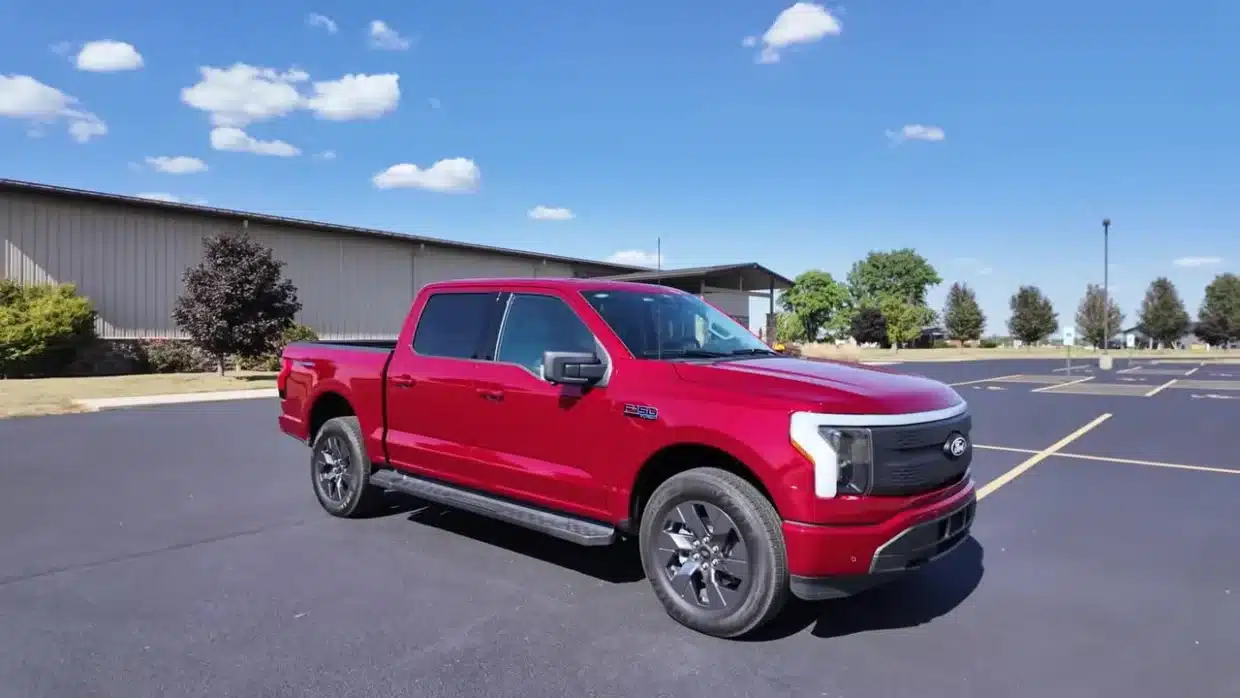
The following examples distinguish documented service concerns from normal operating limits. A service notice describes a condition on specified vehicles; it does not establish how frequently the problem occurs across the Lightning fleet.
Blank Center Display: Ford’s 2022 service message SSM 50994 documented a blank or inoperative 15.5-inch display on some 2022 Lightning trucks with DTC B108E:01. Owners experiencing a similar symptom should have the vehicle diagnosed against current service guidance rather than assume every screen blackout has the same cause.
12V Battery Drain: A Ford gateway-module software update for the 2022 Lightning addressed a condition that could drain the 12-volt battery. This documents a specific software-related issue, not a failure rate for all Lightning accessory batteries.
DC Fast-Charging Speed: Charging speed does not remain constant through a session. Ford’s charging guidance explain that charging slows as the battery approaches full capacity. Normal tapering should not be confused with a charging-system failure; a session that repeatedly stops unexpectedly needs separate diagnosis.
Range Loss In Winter: Cold weather can reduce driving range, and cabin heating also uses energy. The amount varies with temperature, driving conditions and vehicle equipment. Ford’s range guidance does not establish a single winter-loss percentage that applies to every Lightning.
Towing Range: Towing can reduce range because the truck must move additional weight and overcome the trailer’s aerodynamic drag. The effect depends on the trailer, speed, route and conditions, so an unloaded range rating is not a towing-range promise. Ford recommends accounting for towing when planning range and charging stops.
How To Check For Recalls On Your Truck
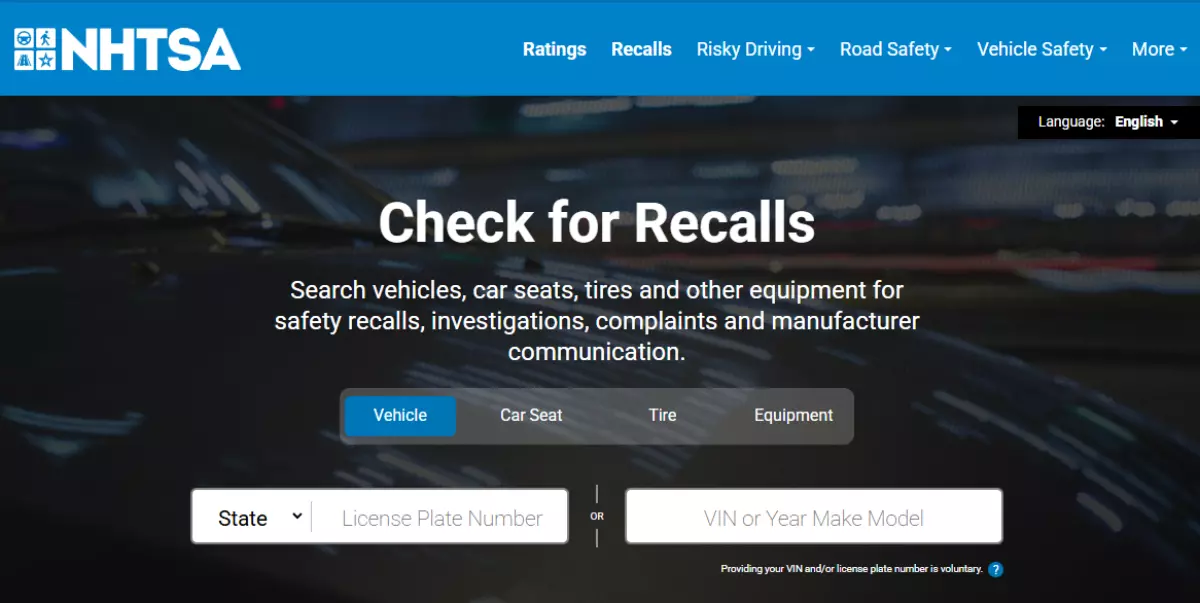
The easiest way to check for current recalls that may affect your Ford F-150 Lightning is to visit the National Highway Traffic Safety Administration’s Recalls page and enter your license plate or 17-digit vehicle identification number (VIN). A Ford dealer can also check your VIN, open campaigns and repair history. Follow the instructions for your specific vehicle; a model-year listing alone does not establish that your truck is affected.