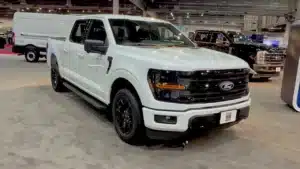
The 2019 model year brought a new fifth generation Ram 1500 to market. Known as the DT, this new body style included a full revamp of the truck’s looks, engines, and transmissions. Confusingly, however, the previous fourth-generation Ram 1500 remained in production as the “Classic” until 2024. Carrying on the powertrains from the previous fourth-generation.
Our list covers transmissions used in 2019-2026 Ram 1500 trucks, including the fifth-generation DT and the fourth-generation Classic. The TRX uses a different eight-speed than the other DT engine options, and transmission availability varies by engine and model year.
If you’re unsure whether your Ram 1500 is a fourth- or fifth-generation truck, the easiest way to tell is by lug pattern. The fourth-generation “Classic” trucks have five lugs and the new DT models have six.
8-Speed TorqueFlite 850RE
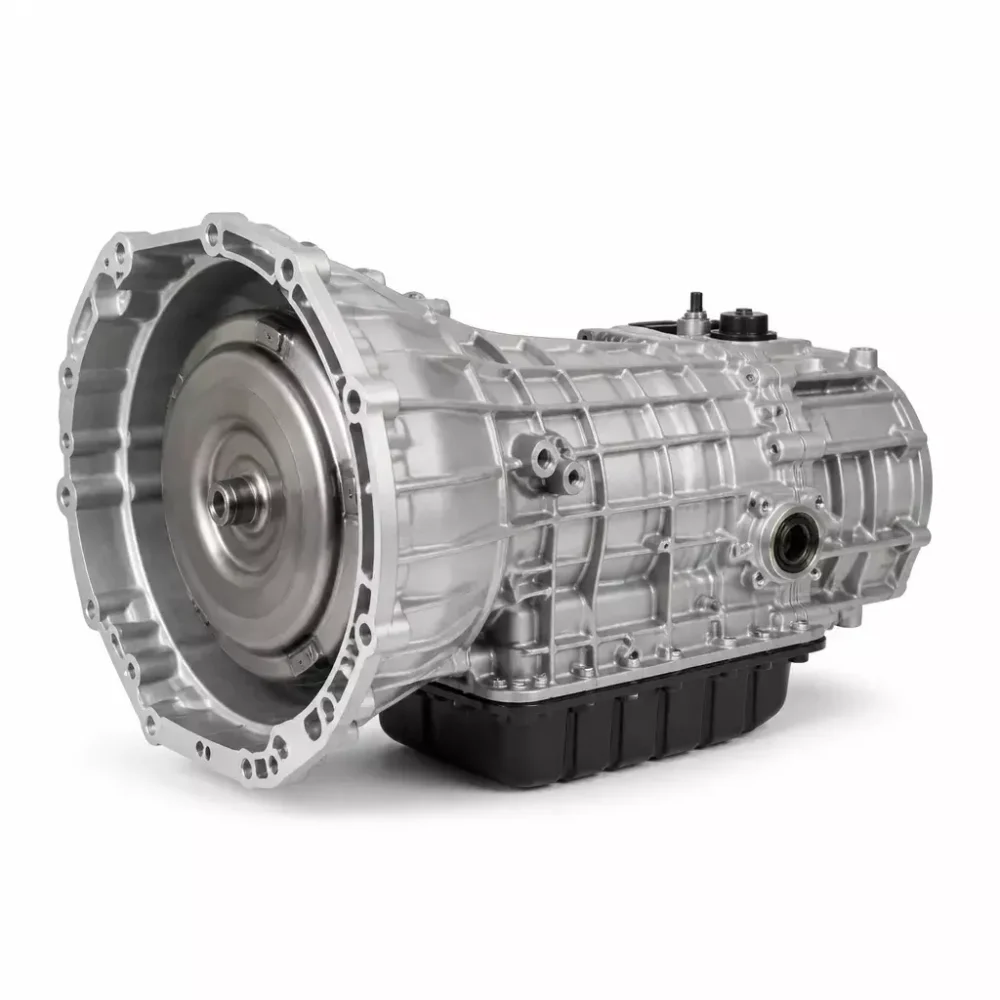
The 850RE is paired with the 3.6L Pentastar V6 in the Ram 1500 DT. It also appears in later V6-powered Classic trucks, so confirm the transmission fitted to your particular truck before applying a bulletin.
TSB 21-009-25 Rev. A: This D-clutch repair bulletin lists 2020-2025 Ram 1500 DT and 2021-2024 Ram 1500 Classic trucks equipped with the 850RE. It addresses MIL illumination with P0733-00, P1DA8-00 or P1D92-00. Symptoms can include slipping, no reverse or failure to shift above third gear. The repair involves replacing the D clutch; applicability must be checked against the truck and current service information.
Several known problems are also associated with the 850RE in the Ram:
- Slipping in lower gears and sudden RPM spikes without forward acceleration (aka “flare on launch”) is often associated with a failed main “A” clutch pack due to the back plate flexing under pressure.
- Torque converter clutch (TCC) can cause shimmy, vibration, or lurching at middle speeds (37-55 mph) under light throttle. Especially under heavy heat or towing conditions. Caused by the friction layer of the TCC glazing and slipping, shedding debris into the transmission fluid, scoring solenoid and valve bores.
- Often associated with the above, pressure relief valves in the valve body can round off, dropping pressure and resulting in erratic shifting or delayed gear engagement.
- E-Clutch drums and hubs broken or stripped due to mechanical damage from high stress. Symptoms include loss of specific gear ratios or failure to engage park or reverse properly. Extreme cases can have internal locking.
- Lifetime transmission fluid misconception due to Stellantis’ marketing. The transmission fluid in many vehicles, including the Ram 1500, was said to last past 60,000 or 100,000 miles (beyond warranty). It often does not and should be checked regularly.
8-Speed 8HP75
In the Ram 1500 DT, the 8HP75 is used with the 5.7L Hemi, the 3.0L EcoDiesel V6 and the 3.0L Hurricane Twin-Turbo I6 (standard and high output), depending on model year. The 6.2L TRX uses the 8HP95 instead. The following recall and bulletin apply only to the specified vehicles.
NHTSA 24V-413: Certain 2023 Ram 1500 trucks are included in this recall. An insufficient transmission control-unit weld can allow fluid onto electrical components, resulting in loss of drive power or park function. Dealers replace the valve body and control unit. Check the truck’s VIN to confirm whether it is affected; this is not a recall of every 8HP75-equipped Ram.
TSB 21-015-25: This bulletin applies to 2025 Ram 1500 trucks built on or before November 20, 2024, with the 8HP75 and 3.0L Hurricane SO or HO engine. Symptoms include a bump or jerk during engine stop/start, a bump during tip-in downshifts, shifting concerns below 1,500 miles, or failure to hold the appropriate gear during certain maneuvers. The repair is a TCM software update.
Other known issues for the 8HP75 in the Ram 1500 include:
- “A”-Clutch backing plate flex (flexing or “coning”) under high torque loads common during hard launches, low-speed crawling, or off-road use. This causes uneven clutch pressure, hot spots, burnt friction plates, and premature failure.
- The E-clutch hub can suffer from stripped splines or develop wear grooves from back-and-forth plate movement under heavy throttle changes, leading to slipping, grinding, or delayed engagement.
- The D-clutch drum shell can experience structural wear, stress-related breakage, or loss of friction material, resulting in erratic shifting, gear flares (such as 3-4 shift flares), and delayed reverse engagement.
- Internal babbitt-style bushings can wear down under high mileage or elevated thermal stress, contributing to internal oil pressure loss.
- The mechatronic valve body is prone to wear at pressure relief points, end plugs, and priming/shift valves. Even a few thousandths of an inch of bore wear or a degraded sealing interface alters clutch fill times, triggering harsh 1-2 shifts, delayed engagement (Park to Drive/Reverse), or ratio errors.
- Pressure-control solenoids wear out or stick, often accelerated by neglected fluid changes or circulating microscopic debris.
- The Mechatronic electrical bulkhead sealing sleeve and internal bridge seals frequently harden or leak, causing external fluid puddles (reddish-brown fluid) or internal line-pressure drops.
- The torque converter lockup clutch can suffer from shudder, vibration (often described as driving over a rumble strip at 25–45 mph under light throttle), or slipping, driven by degraded fluid, low pressure, or weak impeller hubs.
8-Speed TorqueFlite 8HP95 (TRX)

The supercharged 6.2L V8 Ram 1500 TRX uses the high-torque-capacity TorqueFlite 8HP95 eight-speed automatic, not the 8HP75. Do not apply the other transmissions’ bulletins or failure descriptions to a TRX without checking its specific service information.
8-Speed TorqueFlite 845RE
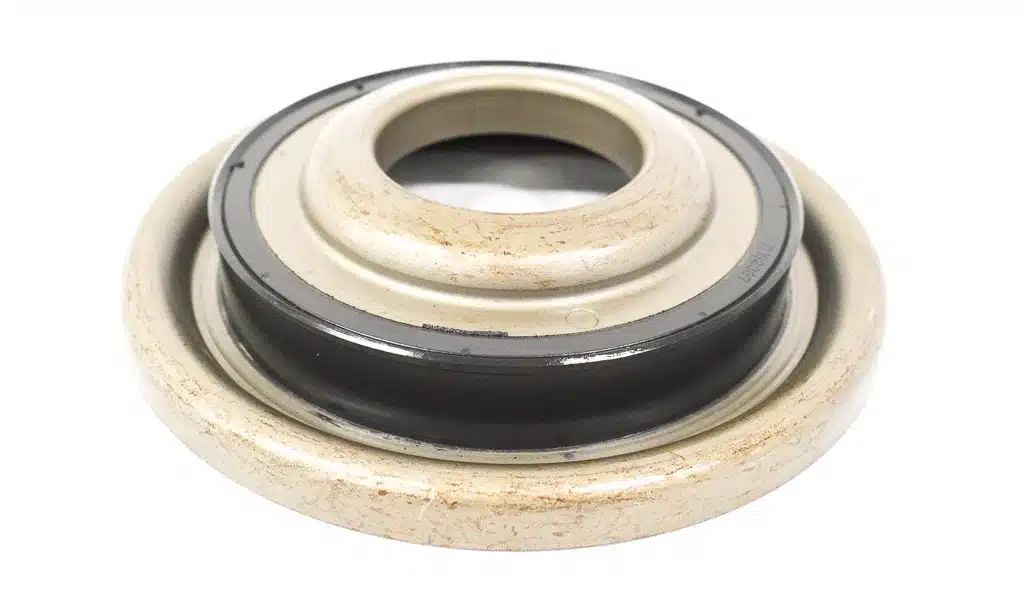
Some V6-powered Ram 1500 Classic models use the 845RE. Later Classic trucks can use the 850RE, so check the truck’s build information rather than assuming every Classic V6 has the same transmission.
The following are potential symptoms and mechanical concerns to discuss with a transmission specialist; they do not establish how frequently a particular model year fails:
- The original factory backing plate for the “A” clutch pack is prone to flexing under high pressure, causing uneven clutch wear, excessive heat buildup, and complete burn-up, frequently manifesting as harsh or severe 2-1 downshift shocks and loss of low gears.
- High-mileage units (100k+ miles) often suffer from worn “E” clutch assemblies, stripped or grooved hub splines, and damaged or broken drum shells due to being situated farther from the fluid pump.
- Under heavy loads or after initial mechanical slippage, internal planetary gear assemblies can wear, bind, or catastrophically break, shedding metal shavings and “glitter” throughout the pan and valve body.
- Premature torque converter lockup-clutch wear or total converter failure is common, often producing a heavy vibration or shudder at cruising speeds (around 40–50 mph) that feels like driving over rumble strips.
- The integrated valve body and TCM (Mechatronic unit) suffer from bore and valve wear over time. Fluid bypasses worn valves, leading to internal pressure drops or spikes.
- Solenoids can fail hydraulically (sticking or leaking internally) without throwing electrical fault codes, leading to erratic shifting, gear hunting, and delayed engagement into Drive or Reverse.
- The bonded rubber gasket material on the separator plate degrades and peels away from the metal surface, causing severe internal pressure loss across shifting circuits.
- Internal bushing wear causes cross-leaks in hydraulic circuits, resulting in delayed engagement, pressure loss, and soft or slipping shifts.
- Integrated TCM park-pawl sensors can fail to read the magnetic field signal from the linkage assembly, causing codes like P07B9-00 or P1B13-00, a blinking “P” light, cluster warnings, and failure to engage Park.
- Common generic diagnostic trouble codes (DTCs) point to failing PRNDL/transmission range sensors (P0705–P0709) or fluid temperature sensor circuit faults (P0710–P0713).
- A firm or slightly harsh 1–2 shift when the transmission fluid is cold (below 40°F) is considered normal operational behavior by the manufacturer and typically smooths out as the unit warms up.
8-Speed TorqueFlite 8HP70
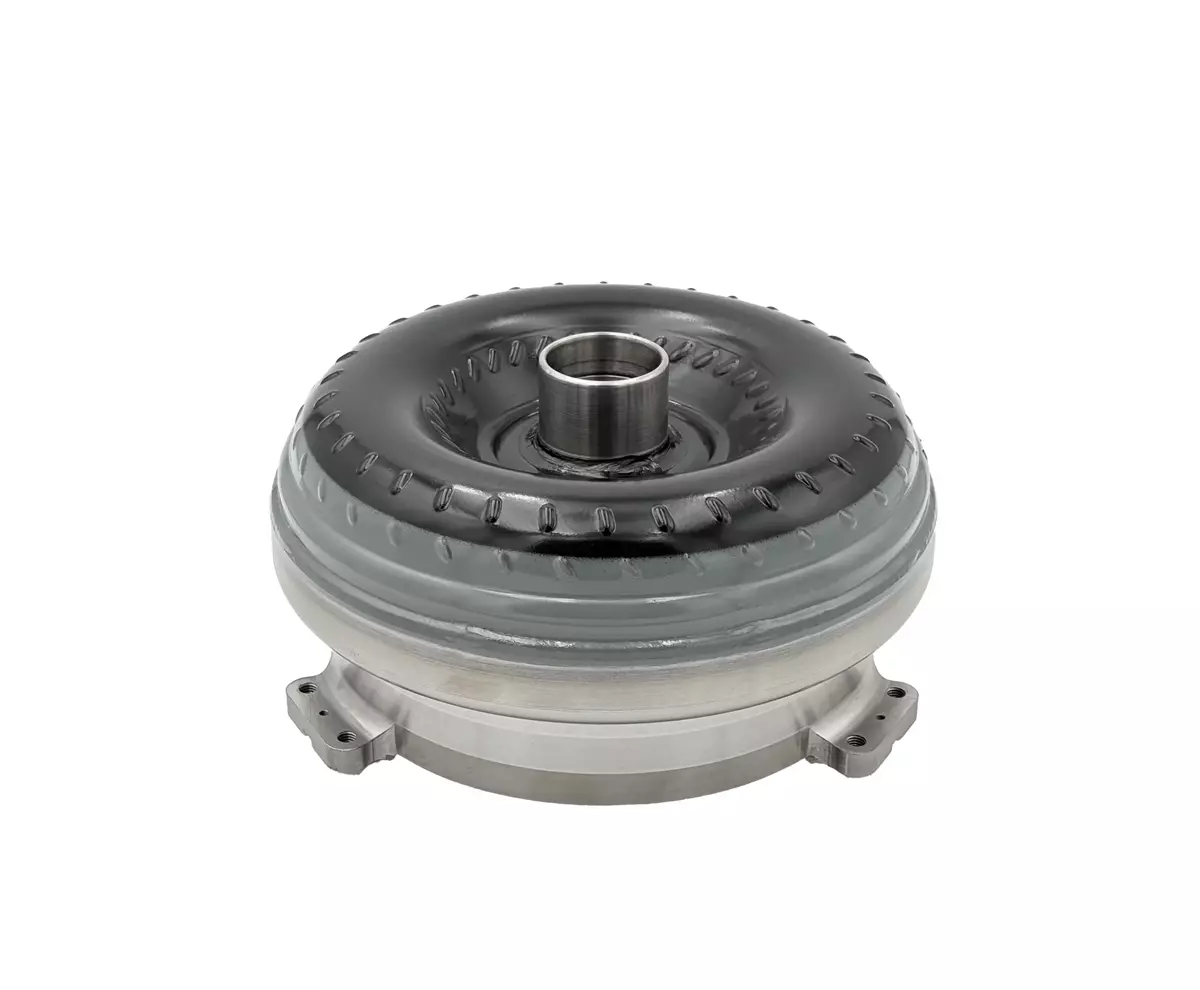
The 8HP70 was paired with the 3.0L EcoDiesel V6 in the 2019 Ram 1500 Classic and was also used with the Classic’s 5.7L Hemi. For example, the 2020 factory fleet guide lists the Classic Hemi with the 8HP70, not the DT’s 8HP75.
- A common owner complaint is a dramatic shift flare (a temporary spike in engine RPM) during the first 1-2 or 3-4 gear changes when cold. This is often caused by a clutch losing its hydraulic prime overnight, requiring the valve body to briefly refill the fluid passages.
- The mechatronic valve body can experience internal pressure leaks around the priming valves and end plugs. This drop in pressure causes harsh engagement, delayed shifting into Drive or Reverse, and gear-ratio fault codes.
- The factory torque converter features an economy-grade friction clutch pack. Under heavy loads or high mileage, the friction material degrades, leading to a noticeable torque converter shudder or vibration under light acceleration.
- In heavily used work trucks or performance vehicles, the factory A-clutch pressure plates are prone to bending, and the splines on the E-clutch hub can strip out over time, resulting in loss of forward gears.
6-Speed TorqueFlite 65RFE
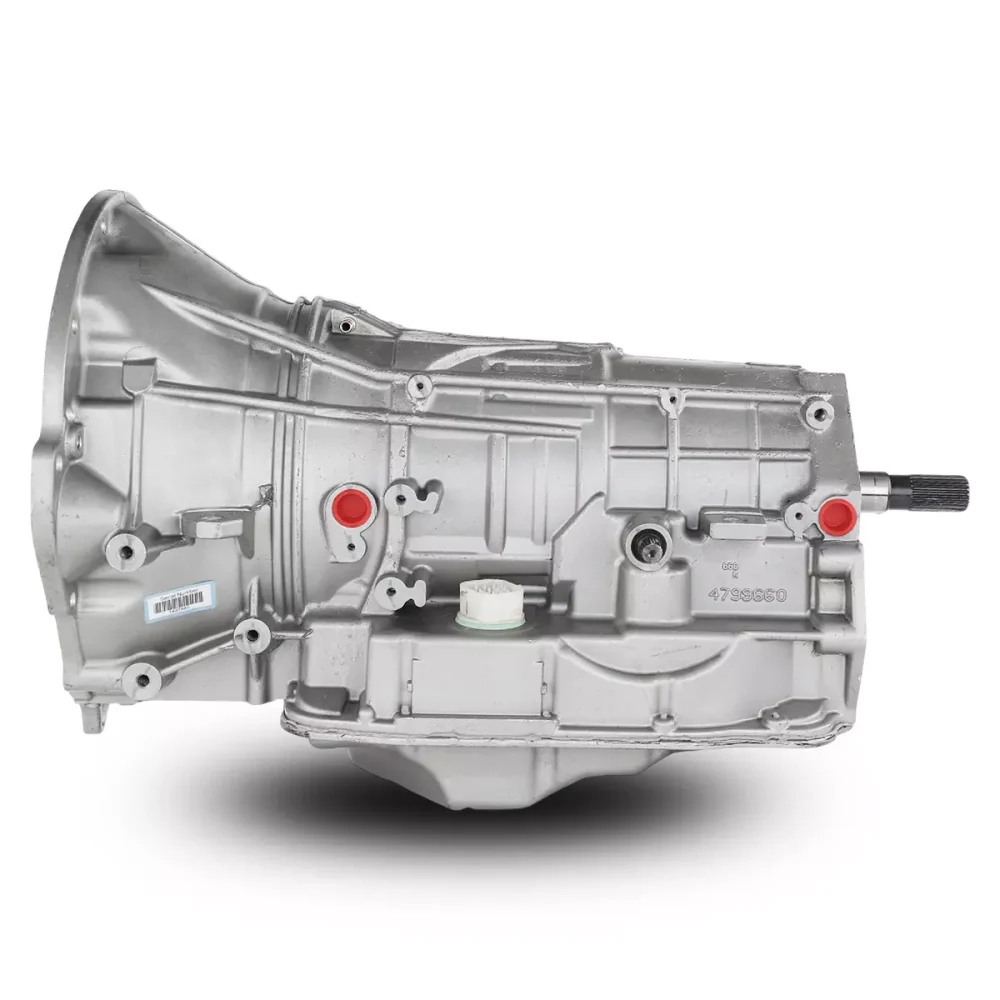
The 65RFE six-speed was available with the 5.7L V8 in the 2019 Ram 1500 Classic. The 2020 Classic fleet guide lists the Hemi with the 8HP70 eight-speed, not the 8HP75. Bulletins for older 65RFE trucks should not be assumed to cover a 2019 model.
Known problems with the 2019 model year 65RFE:
- Harsh, delayed shifting or engagement due to the factory valve body being prone to developing internal gaps. This causes hydraulic cross-leaking and inconsistent line pressures.
- Loss of reverse gear due to the mechanical sprag assembly responsible for reverse engagement being prone to snapping.
- Slipping, shuddering at highway speeds may be due to the internal stator sprag and clutch lining failing, especially under continuous load.
- Transmission “limp mode” triggered in 3rd or 4th gear due to failed transmission fluid temperature sensors, pressure switches, or even external faults like a failing wheel speed sensor.
- Sudden total mechanical failure or grinding noise after the overdrive clutch section and input components flex or shear under high torque.
Which Engine/Transmission Option Would We Buy?

The 8HP75 is paired with most of the engine options we’d want with the Ram 1500. However, the 2025 Hurricane bulletin above shows that newer trucks can still need updates. Check service history, shift quality and the bulletins or recalls applicable to the specific truck rather than treating a newer model year as proof of reliability.
Going deeper into the used truck market, the 2019 Ram 1500 Classic EcoDiesel uses the 8HP70. A transmission’s track record alone does not establish the reliability of the entire engine/transmission combination; review the truck’s maintenance, repairs and open recalls before buying.