Rated towing numbers rarely tell the whole story about truck capability. Real-world towing exposes limitations that are not apparent from factory specifications alone. Understanding practical variables helps drivers approach challenging scenarios safely and confidently.
Most pickup truck owners eventually encounter situations where published tow ratings do not match the demands of the road. You may have noticed that towing a trailer, boat, or equipment can feel dramatically different depending on weight distribution, slopes, weather, and setup choices. Knowing how towing scenarios truly unfold can help you make informed decisions for your next haul and keep you, your passengers, and your cargo secure.
Hidden challenges beyond standard tow ratings
Manufacturers typically promote the maximum pounds a pickup truck can tow, but these figures are achieved under ideal conditions. In real life, factors like uneven weight distribution, high ambient temperatures, and crosswinds significantly influence safety and performance. For instance, tall trailers can become unstable in gusty winds, especially when crosswinds catch large side surfaces, requiring attentive steering correction. As a driver, you quickly realize that “just under the maximum” payload may push your setup beyond comfortable limits.
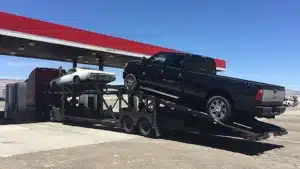
Weight distribution plays a major role in how a load affects your truck. If tongue weight is too low, trailer sway becomes a risk even at moderate speeds. For example, a car hauler with a poorly balanced vehicle can sway on uneven pavement. Setting hitch height incorrectly or ignoring the effects of suspension squat can stress both vehicle and driver, leading to unpredictable handling or braking distances when stopping abruptly for traffic changes.
Key lessons from boat ramps, highways, and job sites
Launching a boat requires low-speed torque, precise throttle control, and effective rear axle traction, especially when ramps are steep or slick from algae or mud. Many learn firsthand how 4WD systems, tire selection, and well-set brake controllers can be the difference between a smooth launch and a stuck rig. It is common to see tires spin or lose grip at steep, wet ramps if the load is not distributed for optimal traction. A mistake often made is failing to account for tongue weight and its effects on rear suspension, which can make transition off the ramp unpredictable.
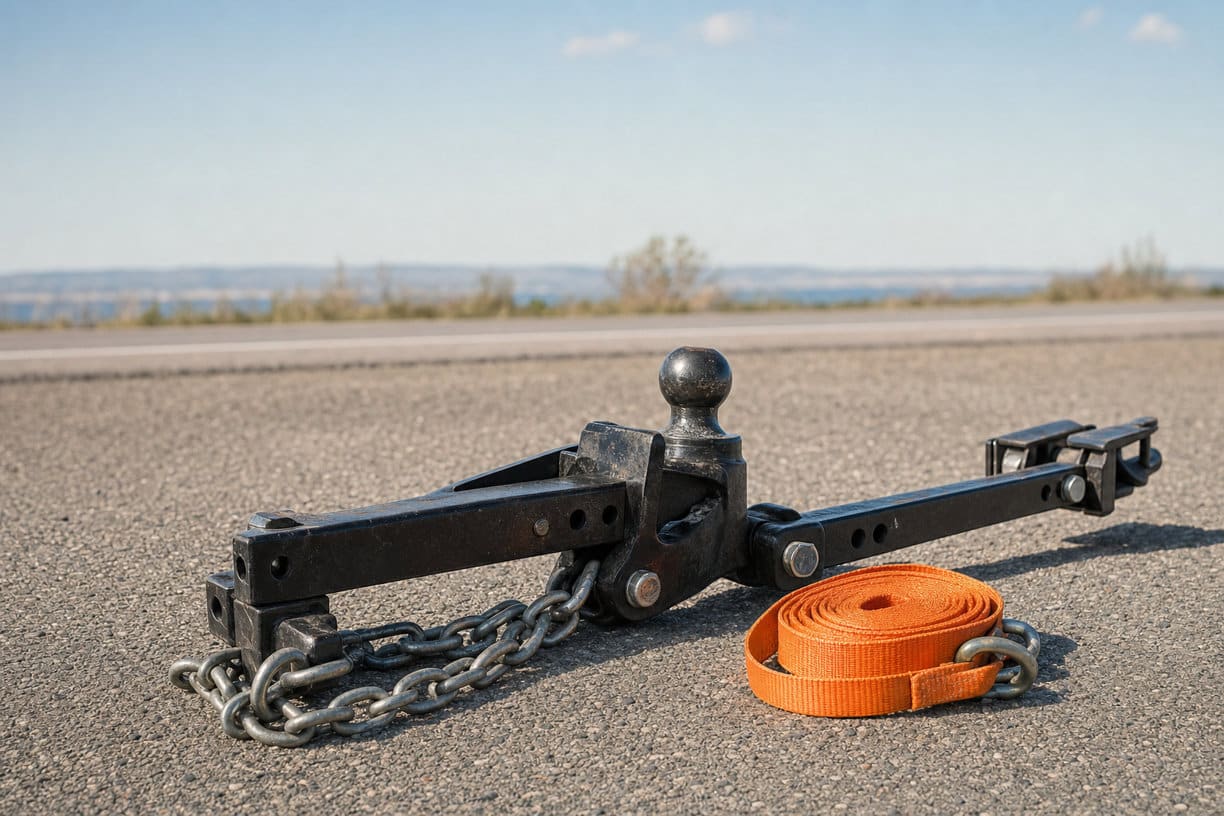
Highway towing of travel trailers or fifth wheels introduces new dynamics. The tall, blunt profile of these loads makes them subject to wind buffeting and turbulence from passing trucks. Real-world experience often highlights how listings, such as Pop Sells’ fifth wheel listings, demonstrate the variety in fifth wheel and travel trailer configurations that impact aerodynamic behavior and stability at speed. Sway control, wheelbase length, tongue or pin weight, and proper hitch setup all matter at highway speeds. Recognizing early signs like “porpoising,” pronounced sway, or the need for constant steering corrections helps you correct problems before control is lost.
Dense equipment loads and complex mixed cargo scenarios
Towing dense equipment like compact tractors or skid steers feels different than pulling a roomy RV. Here, trailer brake condition and breakaway systems are critical, as heavy items can push a truck much harder during sudden stops. For example, braking distances increase when towing a heavy skid steer, especially downhill or in wet weather, underlining the importance of practicing with a loaded trailer before hitting busy roads.
Hauling construction materials or mixed loads introduces challenges with stability and visibility. Unevenly distributed payloads, such as mixed pallets of bricks and lumber, can cause the truck to squat irregularly, affect steering, or shift mid-trip on rough roads. Checking suspension squat, loading pallets evenly, and using proper towing mirrors improves safety. Practical pre-trip inspections, including verifying secure tie-downs and correct tire pressures, catch many problems before they appear on the road.
What features and numbers really decide towing comfort
Despite truck marketing that highlights massive tow ratings, the real limiter for most drivers is often payload. A truck with a high tow number may run out of suspension or cargo capacity before you reach that threshold, particularly when carrying extra passengers or gear. For example, loading two dirt bikes or extra tools in the bed can reduce available payload enough to make a difference on long trips. Cooling capacity and transmission behavior play a large part too, helping prevent overheating on hills or in traffic.
Modern driver-assist features, integrated brake controllers, and advanced camera views can make towing less stressful. However, their effectiveness relies on proper setup and understanding their limitations. Regular “shakedown” drives before big trips, with local loops that check acceleration, braking, and sway, offer valuable assurance. Knowing when to recheck hitch setup or tire pressures keeps you ahead of potential issues long before they turn into roadside emergencies.