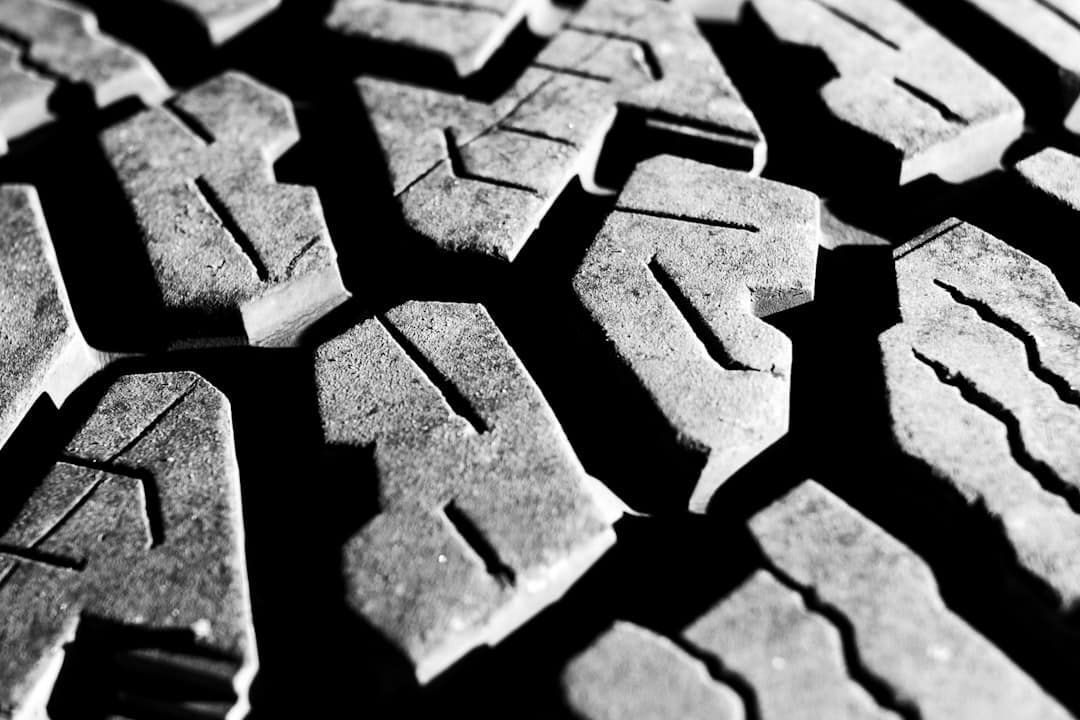
Buying replacement tires for a pickup truck or SUV can get confusing fast. Tire sizes, load ratings, tread patterns, and product names all compete for attention, while the most aggressive-looking option is not necessarily the best one for daily use.
Rick Cunat, managing director at Kumho Americas Technical Center, told us in an interview how Kumho organizes its Road Venture lineup and what owners should consider before changing tires. His central advice is simple: choose a tire around how the vehicle is actually used, not how the tread looks in the showroom.
What HT, AT, RT and MT really mean
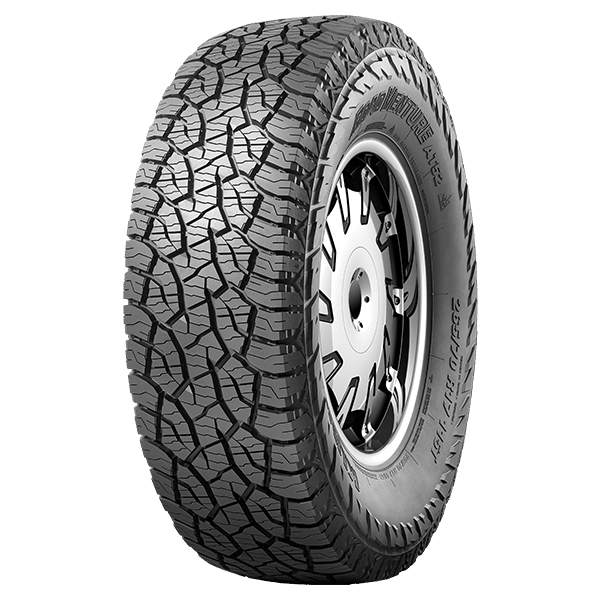
Kumho uses four designations to help buyers understand the intended job of each Road Venture tire.
| Tire type | Best for | Main tradeoff |
|---|---|---|
| HT — highway terrain | Mostly paved-road driving | Less off-road traction |
| AT — all-terrain | Daily driving with regular dirt-road use | More noise and rolling resistance than HT |
| RT — rugged terrain | Frequent dirt, rocks and tougher job sites | Less road comfort than HT or AT |
| MT — mud terrain | Mud, rocks and demanding off-road use | More highway noise and reduced efficiency |
HT stands for highway terrain. This is the road-focused option, emphasizing wet and snow performance along with a quieter, more comfortable ride. The Road Venture HT also carries the Three-Peak Mountain Snowflake rating for severe-snow capability.
AT means all-terrain. Cunat described the Road Venture AT52 as the balance point between on-road manners and off-road capability. It has a more aggressive appearance than an HT tire, adds traction for unpaved travel, and also carries the Three-Peak Mountain Snowflake symbol.
RT stands for rugged terrain. It moves another step toward off-road performance without completely giving up everyday road comfort. This category is intended for owners who need more traction in dirt, rocks or similar conditions but still spend meaningful time on pavement.
MT is mud terrain and represents the most aggressive choice in the group. Kumho’s Road Venture MT71 is designed for mud, rocks and demanding off-road environments, with features intended to resist stone retention and tread damage. That specialization comes with tradeoffs when the tire returns to the highway.
The Biggest Tire-Buying Mistake? Choosing by Appearance
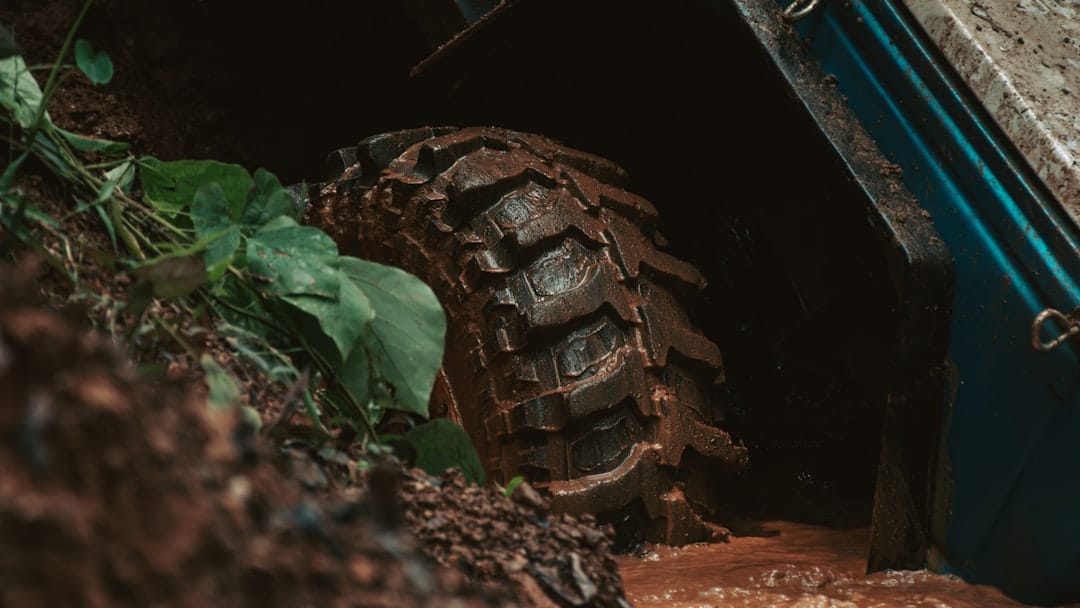
Truck owners often ask whether tire selection can be reduced to a percentage, such as 70 percent highway and 30 percent off-road. Cunat said Kumho does not assign firm percentages. The better question is what conditions the truck encounters and what performance the owner needs most often.
The most common mistake is moving to an AT or RT tire because the aggressive tread looks good, even though the vehicle rarely leaves pavement. A highway-driven truck may then give up some of the quietness, comfort and efficiency that an HT tire was designed to provide.
Those compromises become more noticeable as tread design gets more aggressive. Tire engineers try to balance traction, noise, ride quality, durability and rolling resistance, but no single design can maximize every characteristic. Mud-terrain tires provide specialized off-road performance, for example, but generally produce more road noise than highway-oriented tires.
That does not make an aggressive tire a bad choice. It makes it the right choice only when the owner will use the capability. A work truck traveling to remote job sites, a hunting rig regularly crossing muddy roads and a commuter pickup may all require different tires even if the trucks themselves are similar.
Fuel economy, California rules and warranty coverage
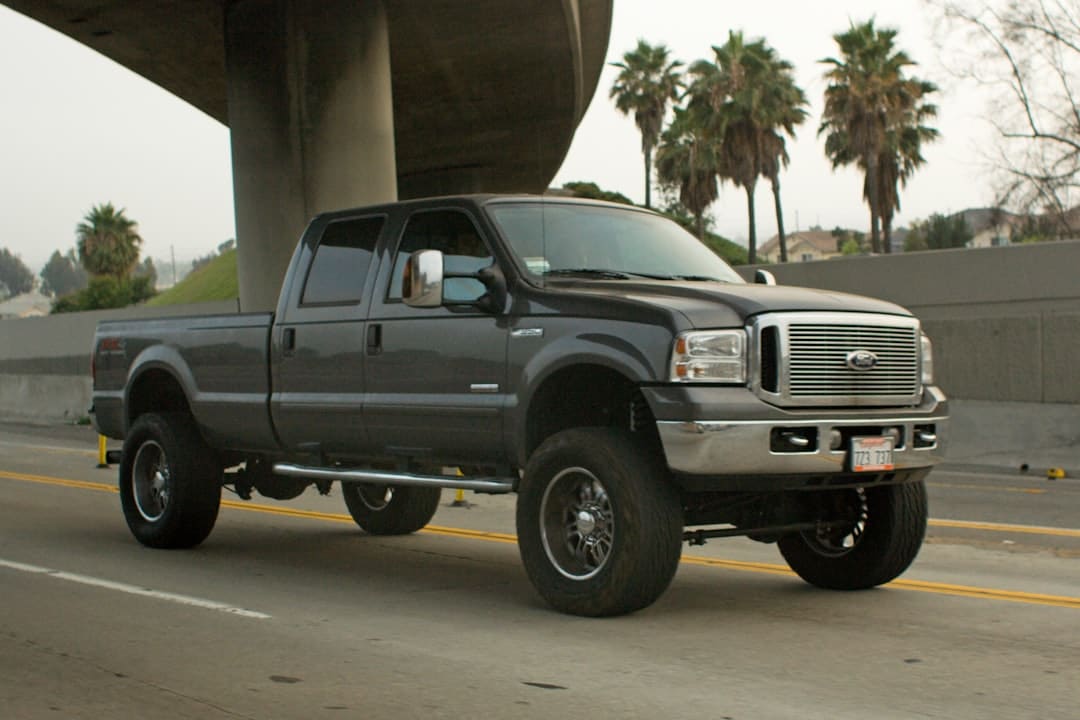
Tire design can affect fuel economy through rolling resistance. Kumho measures rolling resistance throughout product development, and Cunat noted that a Road Venture HT and a mud-terrain tire will not deliver the same over-the-road characteristics. Tire size, vehicle weight, aerodynamics, pressure and driving conditions also influence the final result, so there is no universal fuel-economy penalty that applies to every truck.
California’s developing replacement-tire efficiency requirements add another consideration. Cunat said tire companies are watching the regulation closely and understand its potential benefits. As the rule stood during the interview, tires carrying the Three-Peak Mountain Snowflake certification received an exemption, although he cautioned that the details were new and could continue evolving.
Warranty coverage also varies by tire and construction. The corrected limited treadwear warranty for the Road Venture HT is 75,000 miles for P-metric sizes and 50,000 miles for LT-metric sizes. The Road Venture AT52 carries 55,000 miles of coverage for P-metric sizes and 50,000 miles for LT-metric sizes. The Road Venture RT warranty is 50,000 miles across its sizes. Owners should confirm the current written warranty and eligibility requirements for the exact tire before purchase.
LT Tires Do Not Increase a Truck’s Towing Capacity
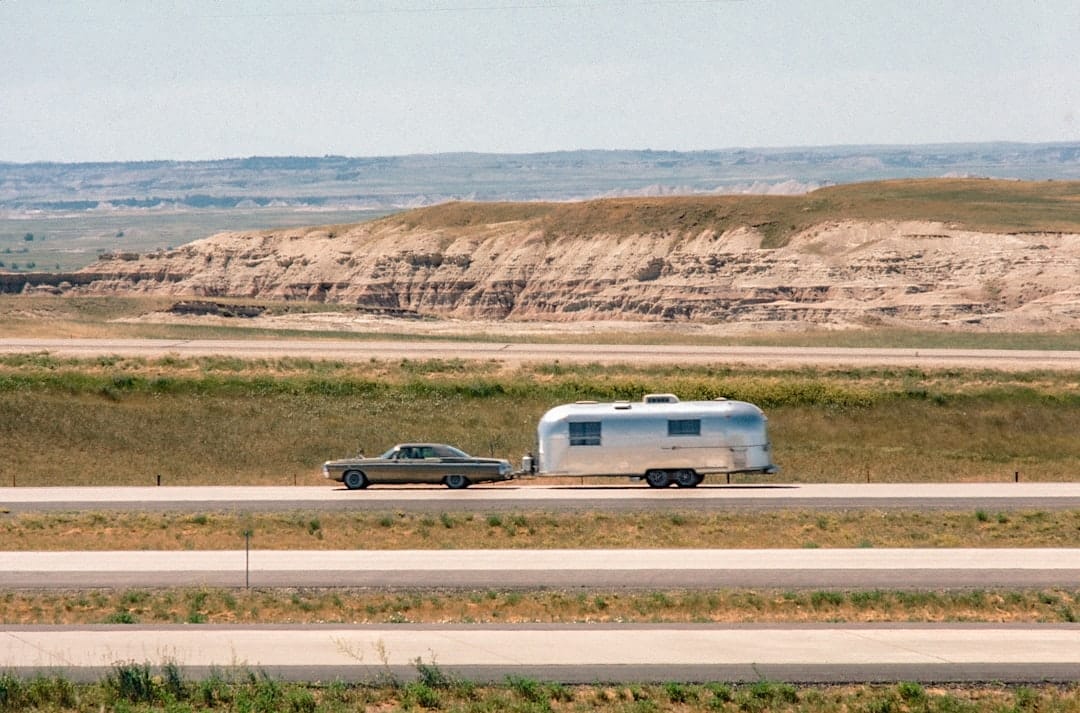
An LT tire may be appropriate when a truck regularly carries heavier loads, tows or performs commercial work, but installing one does not automatically raise the vehicle’s tow or payload rating. Cunat emphasized that the complete system matters: the tire’s load rating, recommended inflation pressure, vehicle specifications and the actual load must all work together.
The vehicle manufacturer’s tire placard and owner’s manual remain the starting points. A higher-capacity tire cannot change the ratings assigned to the frame, suspension, brakes, axles or hitch. Owners also need to make sure replacement tires match the required load capacity and are operated at the correct pressure for the application.
Weight is another overlooked factor. Heavier LT or aggressive all-terrain tires add rotating and unsprung mass. Cunat said Kumho considers tire weight during development, particularly because reducing weight can improve rolling resistance. In practical use, a heavier tire can also affect how quickly a truck accelerates and responds, while the vehicle still has to manage that added mass during braking.
The takeaway is straightforward: start with the truck’s specifications and real-world use, then choose the least aggressive tire that still provides the traction, load capability and durability the job requires. That approach is more likely to preserve road manners and efficiency while delivering the capability the owner will actually use.
Our off-road truck tire comparison offers another look at all-terrain and mud-terrain performance.