
Diesel engines aren’t supposed to be quiet. At least, that’s the opinion you’ll hear from plenty of longtime diesel truck owners. So, why are diesel engines quieter these days?
The clatter of an old Cummins, Power Stroke or Duramax has become synonymous with durability and simplicity. Meanwhile, modern diesel engines have become dramatically quieter, smoother and considerably more complicated.
Does making a diesel quieter come at the expense of reliability?
That’s a question I’ve been digging into through interviews with engineers from Ford, GM, Ram and now Cummins. The answer from the people designing these engines is a consistent no.
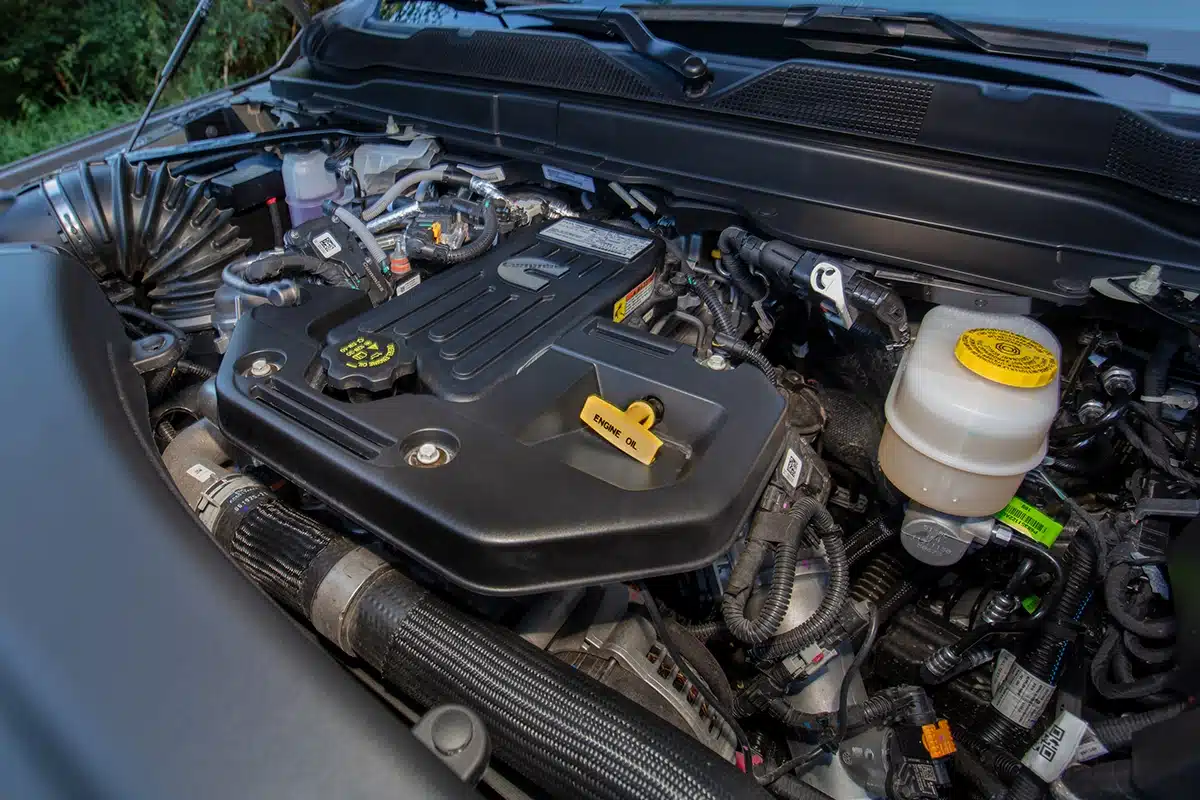
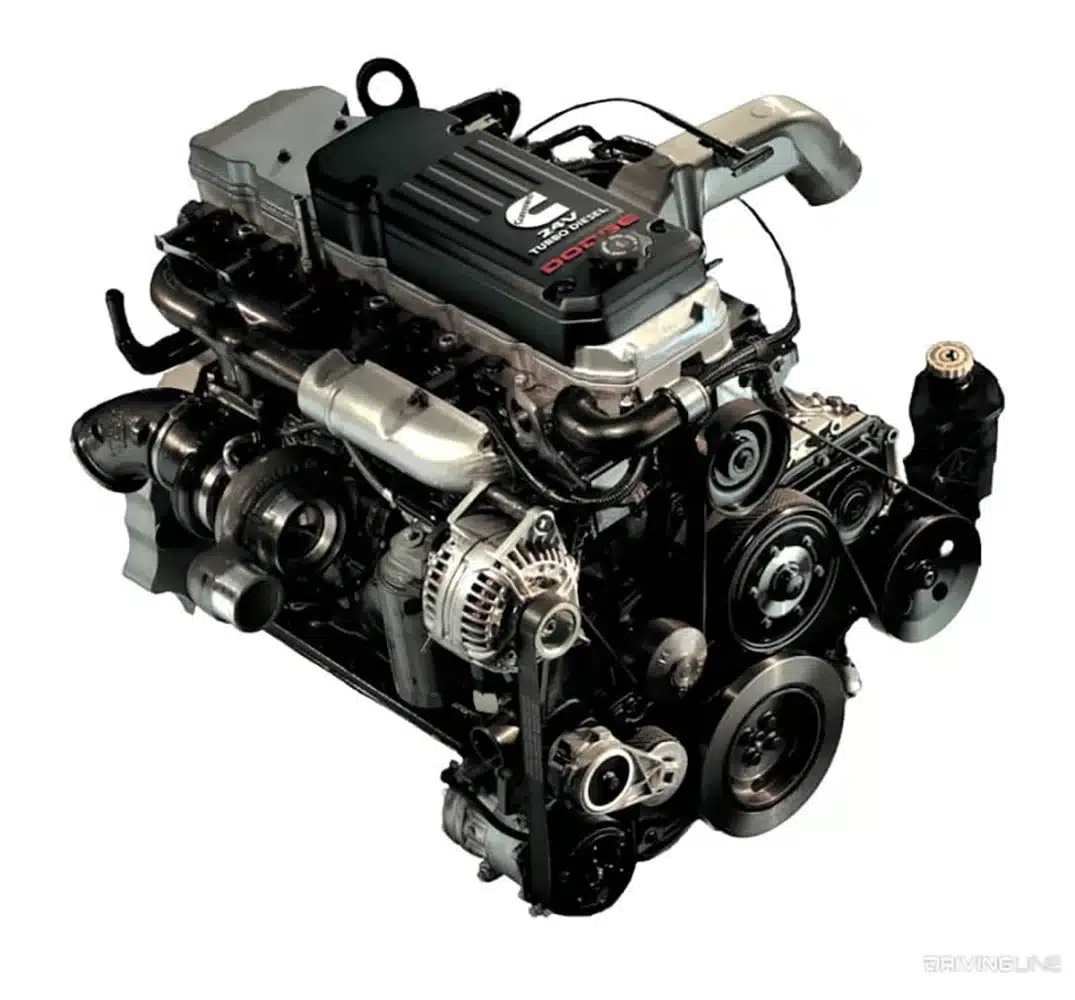
Cummins has now provided new details on one of the most controversial examples: the hydraulic roller lifters used in the 6.7-liter Cummins. According to Cummins Engine Business Global Technical Platform Leader for Pickup Kerk McKeon, reducing valvetrain noise was indeed one of the primary reasons for the change.
And, contrary to one popular theory among owners, Cummins says Ram didn’t simply tell it to make the change.
Cummins Confirms Hydraulic Roller Lifters And Hydraulic Lash Adjusters Are The Same Thing
Let’s start by clearing up some terminology.
Since hydraulic lifters arrived on the 6.7-liter Cummins for the 2019 model year, owners, technicians and even manufacturers have used several terms to describe the valvetrain.
You’ll hear “hydraulic lifters,” “hydraulic roller lifters,” “Hydraulic Valve Lash Adjusters” and “HLAs.”
According to Cummins, we’re largely talking about the same system.
“The terms ‘hydraulic roller lifters’ and ‘hydraulic valve lash adjusters’ are essentially the same,” McKeon said. “The hydraulics that activate the lash adjuster mechanism are incorporated into the roller follower assembly.”
That distinction matters because “roller” and “hydraulic” describe two different characteristics of the component. The roller follows the camshaft lobe while the hydraulic mechanism automatically maintains the correct valve lash.
Cummins further identified the 6.7-liter pickup engine as using a Type III HLA, a configuration typical of a pushrod engine.
“The technology serves the same general purpose across applications: maintaining proper valve lash hydraulically without manual adjustment,” McKeon said. “However, the specific design can vary by engine architecture.”
That also clears up something from my previous reporting. Referring to the components as hydraulic roller lifters is correct. Cummins simply uses the more technical HLA terminology when discussing the system.
Why Did Ram And Cummins Switch To Hydraulic Lifters?
This is where things get considerably more interesting.
One of the persistent arguments surrounding the 2019 redesign is that Ram wanted hydraulic lifters and pushed Cummins into using them.
I specifically asked Cummins about that claim.
Its answer doesn’t support that narrative.
“Ram and Cummins aligned on the move to hydraulic lifters for the 6.7L Turbo Diesel to deliver customer benefits, including maintenance-free valve adjustment and improved noise, vibration and harshness characteristics,” McKeon said.
There’s another interesting wrinkle to Cummins’ use of hydraulic lash technology. The company is still developing it today.
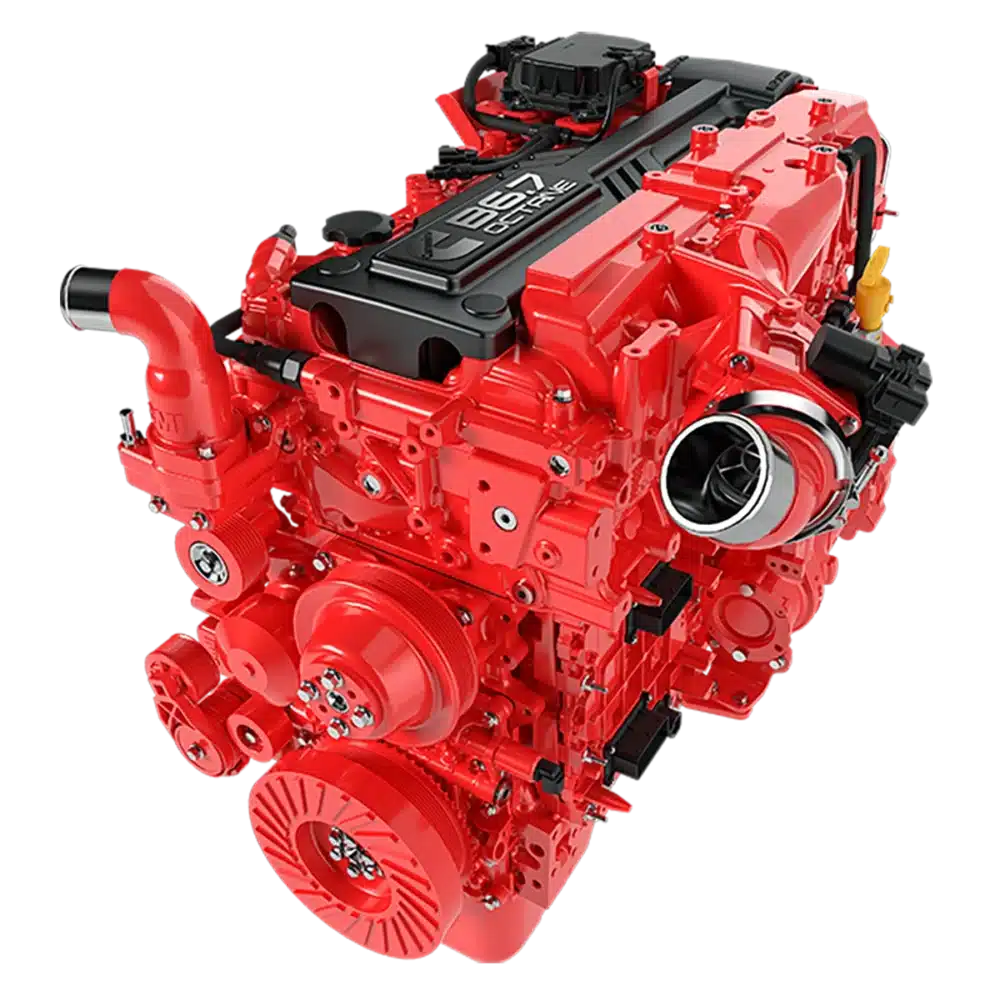
Cummins’ new B6.7 Octane gasoline engine is based on the company’s B-series engine platform and offers a Jacobs Engine Brake with hydraulic lash adjusters. Cummins says the HLAs eliminate lash-adjustment service intervals, while Cummins Valvetrain Technologies describes the system as its “next-generation lashless valvetrain.”
The B6.7 Octane isn’t a diesel, and its valvetrain shouldn’t be confused with the Type III HLA used in the pickup Cummins. However, it’s notable that Cummins is continuing to develop hydraulic lash technology on another B6.7-family engine years after hydraulic roller lifters appeared in Ram Heavy Duty pickups.
In fact, Cummins says its broader HLA technology offers many of the same benefits McKeon identified for the pickup engine: eliminating manual valve lash adjustments and reducing noise, vibration and harshness. Cummins also says its lashless valvetrain technology is intended to improve durability and reduce maintenance.
Why Diesel Engines Are Getting Quieter Like the Notoriously Loud Cummins

That matters because refinement hasn’t traditionally been the defining characteristic of the Cummins-powered Ram.
For generations, the inline-six Cummins has had an unmistakable mechanical soundtrack. Owners loved it. You didn’t have to see the badge to know what was idling nearby.
Modern truck buyers, however, expect something different.
They want 1,000-plus lb-ft of torque and massive towing capacity, but they also expect to carry on a conversation inside the cab without listening to diesel clatter for six hours.
That creates an interesting engineering challenge.
How do you retain the durability and capability that built the diesel’s reputation while making the engine behave more like the quiet, refined powertrains customers experience everywhere else?
Hydraulic valve lash adjustment is one answer.
The system automatically maintains valve clearance rather than requiring periodic manual adjustment. Cummins now explicitly confirms that reduced valvetrain noise is another benefit.
And Cummins isn’t alone in pursuing this kind of refinement.
Ford Has Used Hydraulic Roller Lifters For Years
This is where the argument that hydraulic lifters somehow don’t belong in a heavy-duty diesel starts getting difficult to defend.
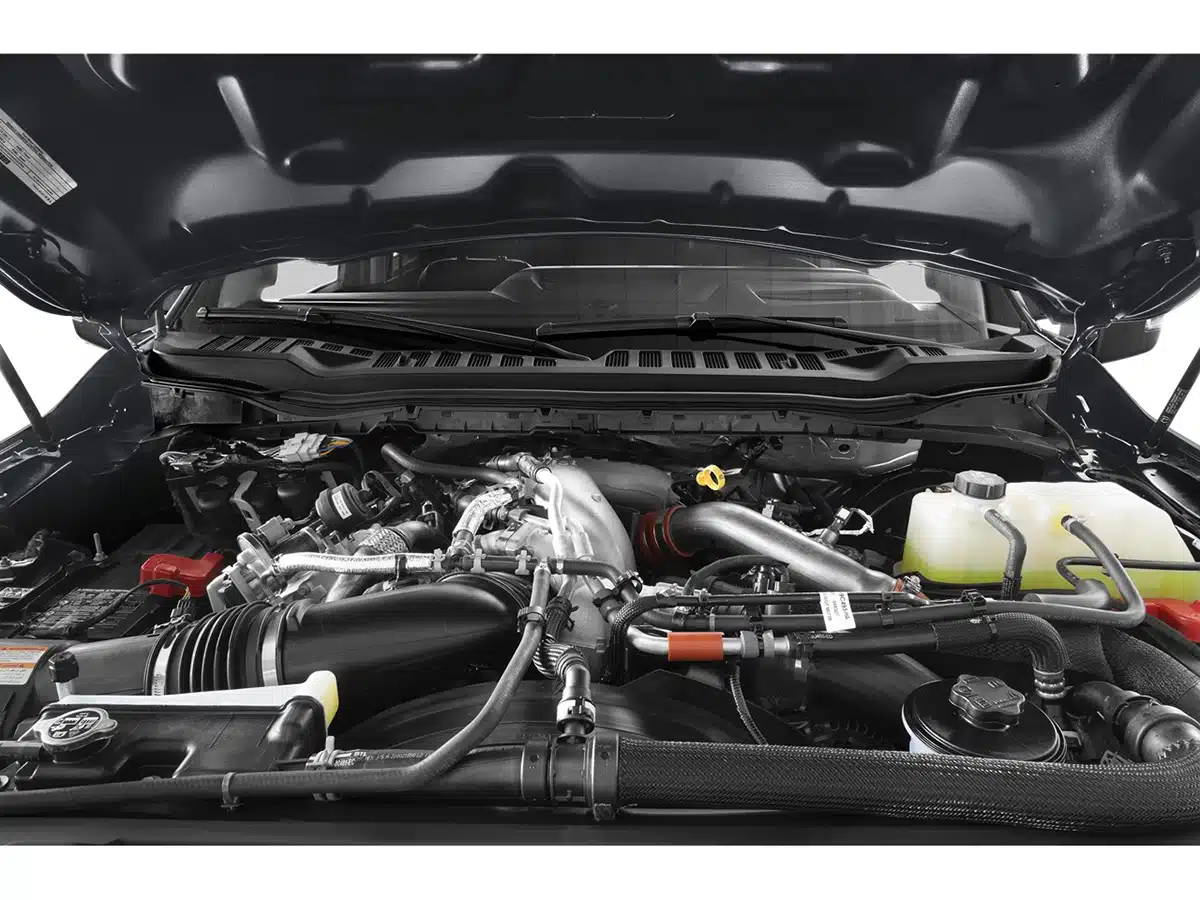
Ford’s 6.7-liter Power Stroke has used hydraulic roller lifters for years.
I’ve also previously interviewed Dave Ives, then Ford’s diesel technical leader, about the enormous changes diesel engines have undergone during his engineering career.
One of the most striking examples was fuel pressure.
Ives recalled diesel injection pressures around 3,000 psi early in his career. The third-generation 6.7-liter Power Stroke we were discussing operated at approximately 36,000 psi and could perform as many as eight injection events per combustion cycle.
That’s an enormous increase in complexity and precision.
Yet when I asked him the obvious question about what all this new technology meant for reliability, Ives didn’t hesitate.
“The biggest attributes our customers are looking for are durability and reliability, so that never takes a back seat during design and implementation,” he said.
Ford was simultaneously increasing fuel pressure, tightening turbocharger clearances and making the Power Stroke dramatically more sophisticated.
Ives said those changes were engineered for “either the same durability or improved durability.”
He even provided a real-world example.
Ford had examined a 2011 Super Duty with approximately 860,000 miles. The truck still had its diesel particulate filter and DEF emissions system intact. Ives believed the truck was capable of reaching a million miles.
That’s significant when discussing the assumption that old, simple diesels are inherently more durable than modern ones.
GM Has Been Chasing A Quieter Diesel Truck, Too
General Motors has taken the same basic philosophy and attacked noise from multiple directions.
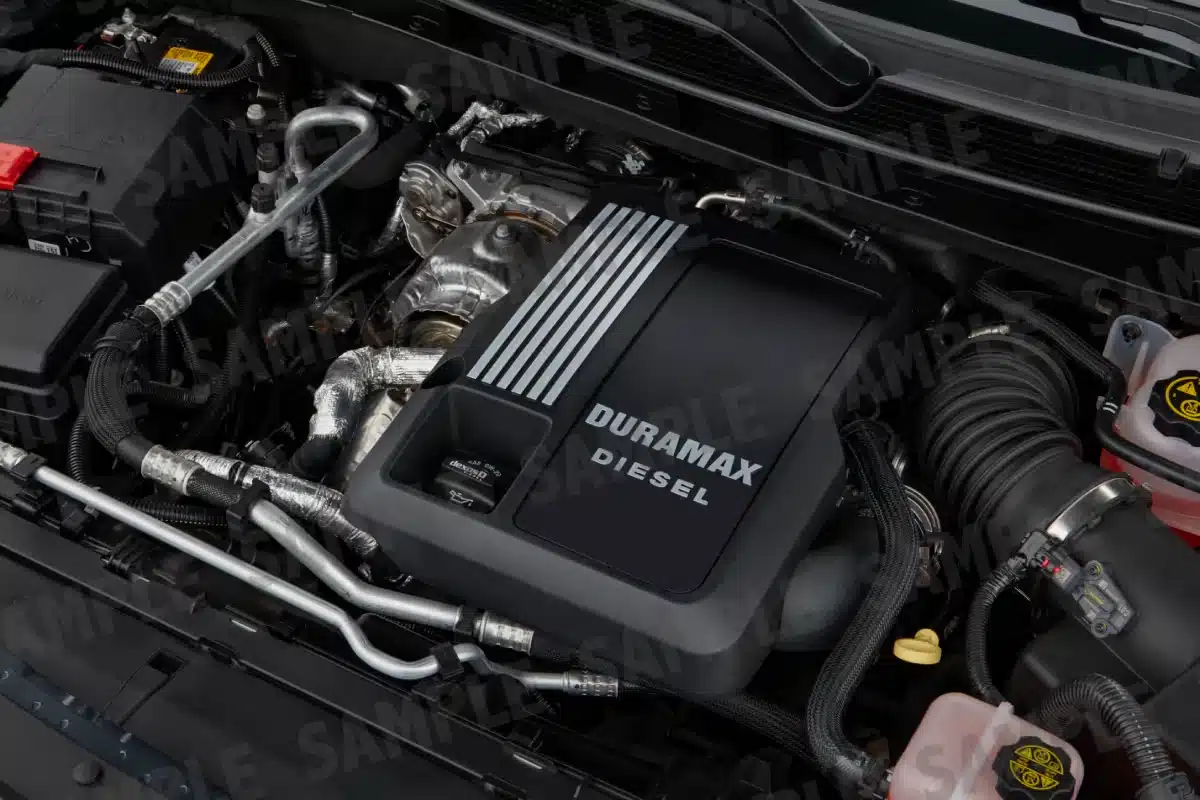
When GM updated its 6.6-liter Duramax, engineers didn’t simply increase boost and change the calibration.
GMC Chief Engineer Jay Pegram told me the company redesigned major parts of the engine, including the turbocharger, combustion bowl and fuel injectors.
“We redesigned some of the key components of the engine, including the turbocharger,” Pegram said. GM also “redesigned the combustion bowl” and installed injectors with higher pressure and greater flow to create a more efficient and powerful engine.
The result was 470 horsepower and 975 lb-ft of torque, along with a claimed 25% increase in low-end torque.
GM’s pursuit of refinement hasn’t stopped at the combustion chamber.
Its HD trucks have received extensive work to isolate occupants from noise, including additional sealing around the doors and other NVH measures.
Even seemingly insignificant mechanical decisions have involved noise.
While discussing GM’s heavy-duty transmission and PTO system with engineer David Ames, he explained why GM chose a chain-driven PTO arrangement instead of gears.
“The chain drive really is quieter than the gear drive,” Ames said.
GM’s 3.0-liter Duramax takes the refinement philosophy even further. Its overhead-cam architecture uses hydraulic lash adjustment rather than a conventional manually adjusted valvetrain, and GM has made other component choices aimed at reducing mechanical noise.
Different engines. Different solutions. Same direction.
Did Making Diesels Quieter Make Them Less Reliable?

This is ultimately the question.
I understand why longtime diesel owners are suspicious.
Older diesel engines were relatively simple. Many didn’t have DPFs, SCR systems, variable geometry turbochargers, ultra-high-pressure common-rail injection or sophisticated hydraulic valvetrains.
They also sounded like diesel engines.
Today’s engines are quieter, cleaner and vastly more powerful, but they’ve accumulated an enormous amount of technology along the way.
Some of that technology has unquestionably created new failure points. Ford’s own Ives acknowledged manufacturers went through “learning curves” as they introduced particulate filters, high-pressure common-rail injection and SCR emissions systems. He said some trucks even suffered fuel economy reductions of 25 to 30% during parts of that transition.
Engineers kept developing the technology.
The Power Stroke eventually regained comparable or better fuel economy while producing roughly three times the power and torque of Ford diesels from decades earlier and emitting a fraction of the pollutants.
That’s the distinction that often gets lost in the argument.
Complexity can introduce additional ways for something to fail. That doesn’t automatically mean the resulting engine is less durable.
Those are two different questions.
The Loud Diesel Isn’t Coming Back
I suspect this is the part some diesel enthusiasts won’t like.
Manufacturers aren’t trying to recreate the diesel trucks of 1995.
Ford isn’t.
GM isn’t.
And now Cummins has explicitly confirmed that reduced valvetrain noise was one of the primary benefits behind the hydraulic lifter decision made with Ram.
Ford has spent decades making the Power Stroke more sophisticated while insisting durability never takes a back seat. GM has redesigned combustion systems, drivetrain components and entire truck cabins around greater refinement.
The industry has clearly decided that diesel clatter isn’t a feature anymore.
Whether longtime diesel owners agree with that decision is another question entirely.