Ford heavy-duty engine problems are drawing attention: A class-action lawsuit involves the 6.7L Power Stroke diesel, while NHTSA is reviewing a petition concerning the 7.3L Godzilla gasoline engine.
Godzilla Has A Problem
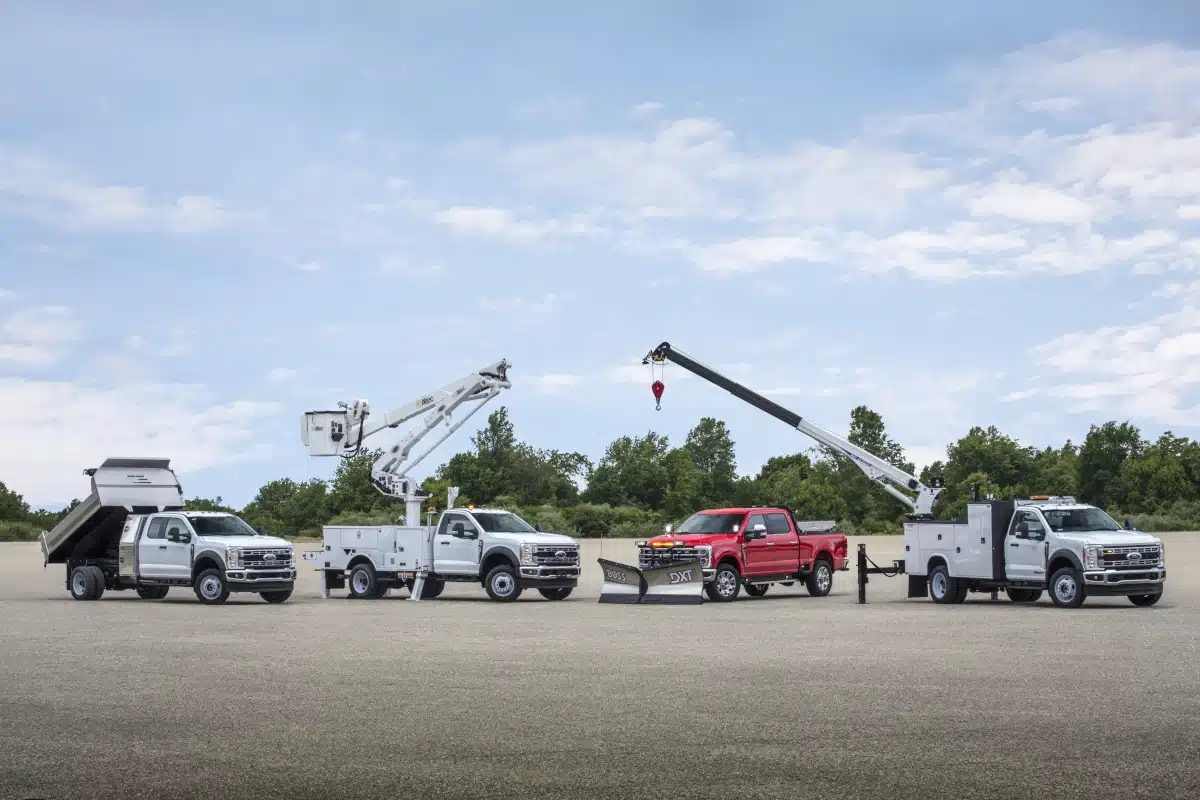
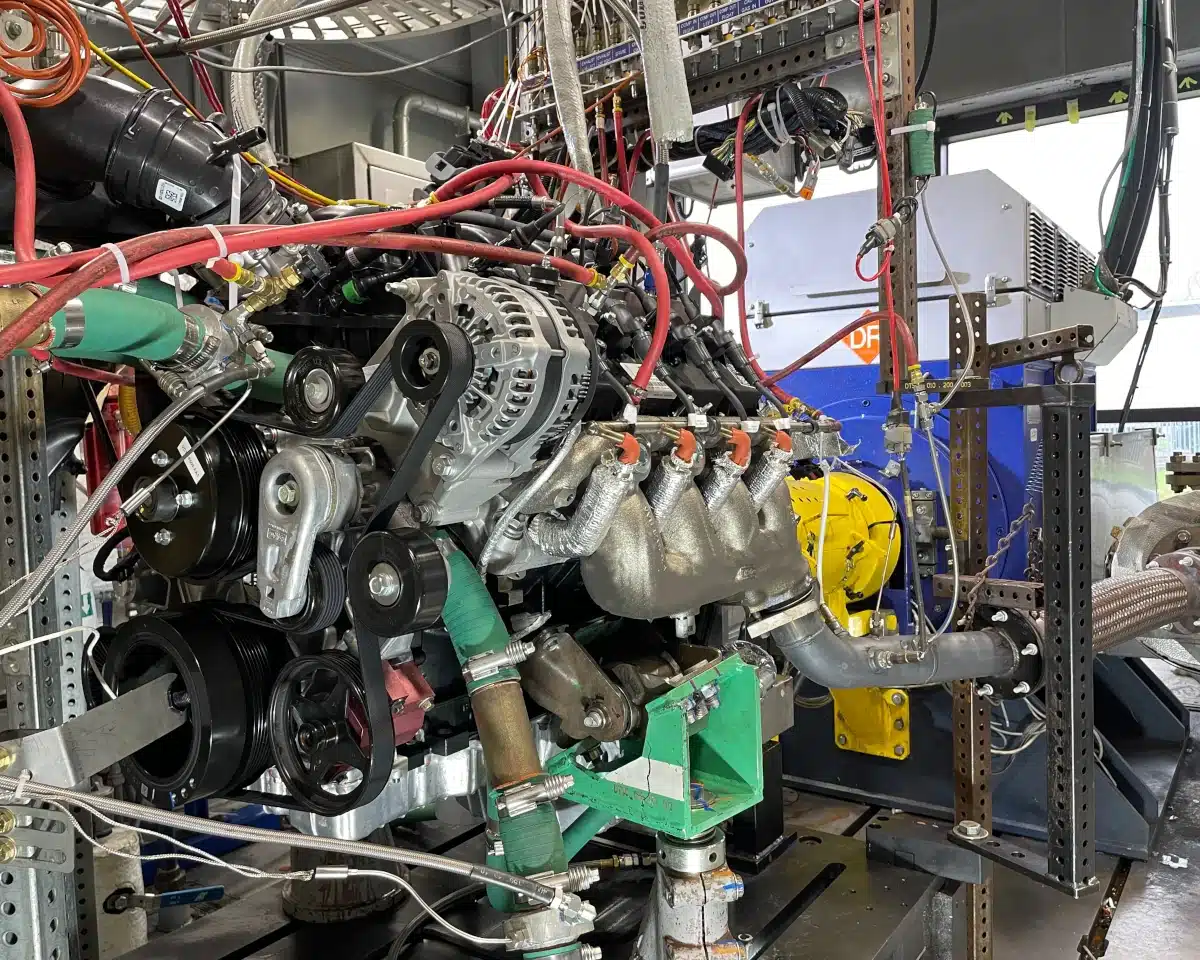
The NHTSA’s Office of Defects Investigation (ODI) opened a defect petition review concerning Ford’s 7.3L Godzilla gasoline engine. The agency is evaluating whether to grant a request for a formal investigation; it has not established that a defect exists. At the heart of the problem it’s alleged that the engines suffer camshaft and lifter failures due to insufficient oil pressure at idle speeds.
The petition alleges that low oil pressure at idle can lead to camshaft and lifter wear and engine failure. While the petition covers 2021-2022 E-350 and 2021 F59 and F-750 vehicles, the same engine is used across their range of heavy duty vehicles including the F-250 and F-350 Super Duty range. Indeed, a scan of complaints lodged with NHTSA for Godzilla engine failures shows multiple cases of lifter and camshaft failures in F-250 and F-350 SD trucks equipped with the engine, and forum users have noted similar problems.
Power Stroke Woes
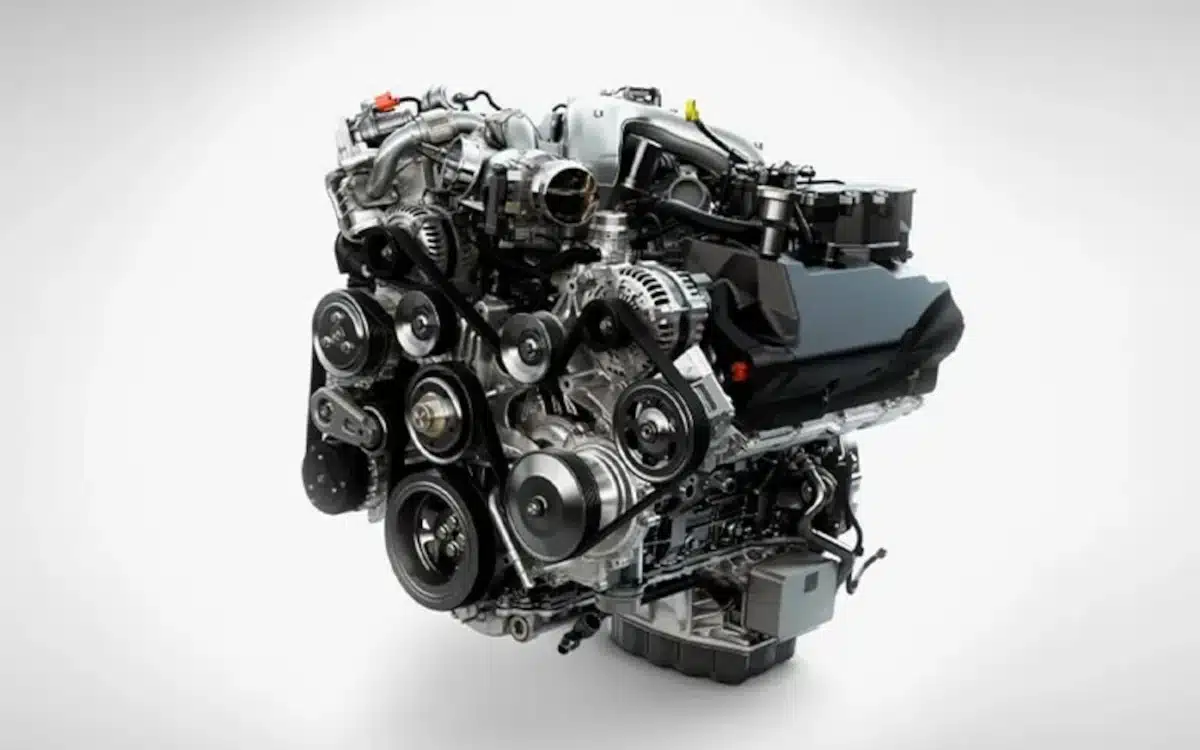
As we reported in October, a judge recently certified classes in five states in a lawsuit alleging issues with the high pressure fuel pump in the Power Stroke. At the heart of the Droesser et al v. Ford Motor Company class action lawsuit are alleged problems with the Bosch CP4 high-pressure fuel pump used in the Power Stroke. Plaintiffs claim the pump is not designed for use with the low-sulfur diesel fuel formulated for the U.S. market while Ford argues that the reported damage has been caused by a lack of recommended maintenance and use of damaging fuel additives. A trial date has yet to be set for the case.
Heavy Duty Problems
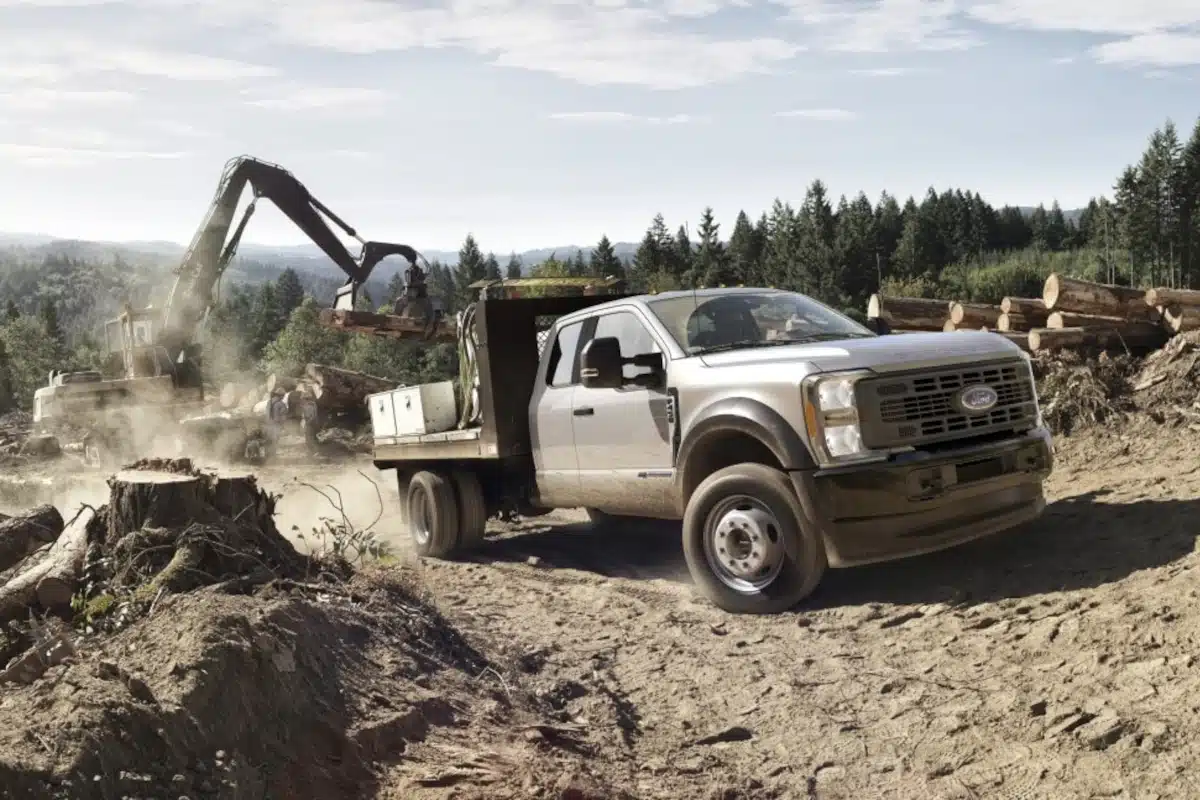
The Godzilla and the Power Stroke made up two-thirds of Ford’s engine options for their line of heavy duty vehicles in recent years, while Ford’s 6.8L “Mini-Godzilla” gasoline engine is also included in some camshaft-related service actions. However, the 6.8L is discontinued for 2027 models, which leaves buyers faced with a choice between two potentially unreliable power plants. With no resolution in sight for the near future, this could drive less die-hard Ford fans to consider alternatives from other manufacturers. This could also have a major impact on fleet sales considering the reported troubles.
Record Recalls in ’26
As of this writing Ford has accumulated over 80 recalls for 2026. In addition to these, numerous complaints have been filed with the NHTSA for engine failures of both the Power Stroke and Godzilla engines. In a 2025 quality update, Ford said it had more than doubled its safety and technical experts over the prior two years and described its strategy of finding and fixing issues quickly. There have been no NHTSA recalls for Godzilla-equipped vehicles related to the oil pressure issue, though Ford has taken some steps seemingly aimed at mitigating the issue. Ford Customer Satisfaction Program 24B27 calls for a software update that recalibrates the variable displacement oil pump to maintain higher oil pressure, and TSB 25-2322, since superseded by TSB 25-2572, which calls for replacement of the camshaft and tappets, or the entire long block assembly, if debris or wear is found.
In the case of the Power Stroke, there have been recall 24V957 (Ford 24S78) related to biodiesel deposits in the high-pressure fuel pump. The subsequent 26V158 (Ford 26S17) addresses vehicles that may have received incorrect software during the earlier repair, not a separate finding that low-sulfur diesel caused pump failure. Regardless, there is ample evidence that the CP4 fuel pump has been a problematic component in these engines.
What’s Next?
For now owners must wait to see what the results of ODI’s investigation reveal and if it, the Power Stroke lawsuit, and customer complaints drive any significant engineering updates to the designs of the affected engines. What these updates would involve and how the emergence of the alleged issues will impact Ford sales remains to be seen. Ford is still number one in heavy duty truck sales by a long shot despite customers lodging complaints over these engines with both NHTSA and in various online forums. We’ll be watching both cases and will report on updates when they occur.