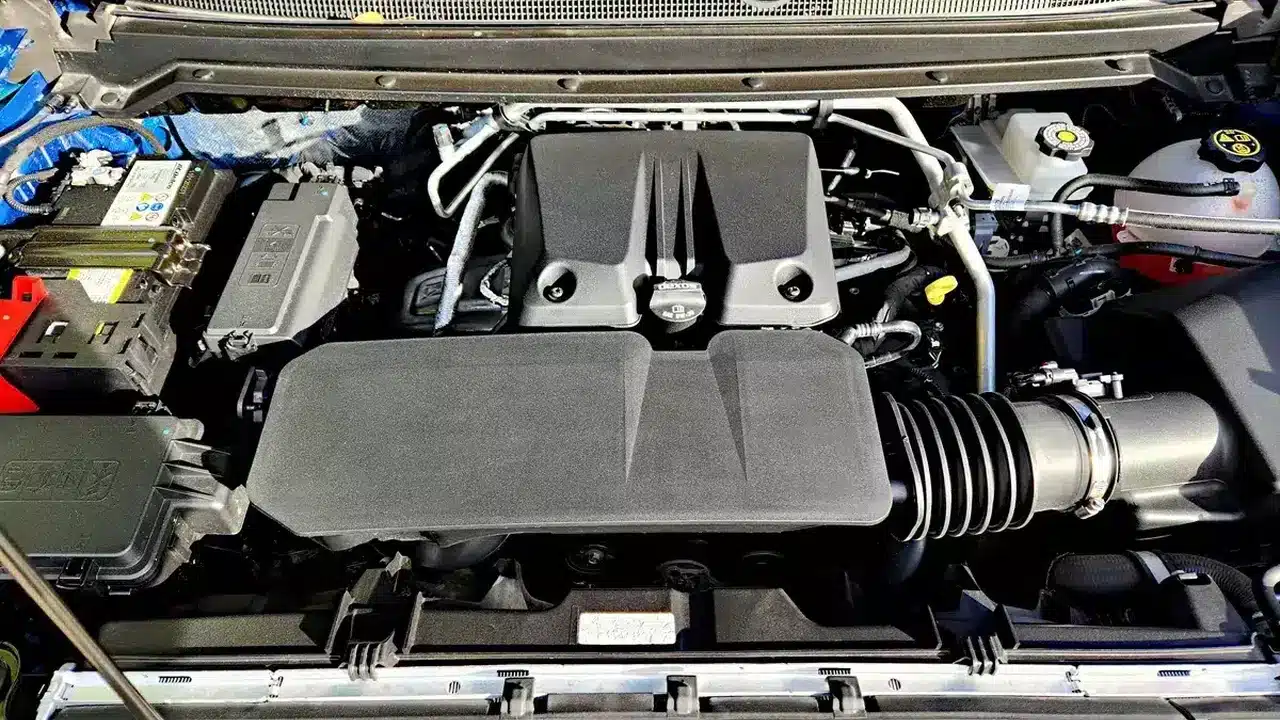
GM 2.7L TurboMax problems range from fuel-injector emissions recalls to a ticking noise GM traced to the valvetrain. There’s also a narrowly targeted 2023 engine-block replacement program. If you’re shopping for a used truck with this engine, the model year and VIN matter more than the TurboMax badge.
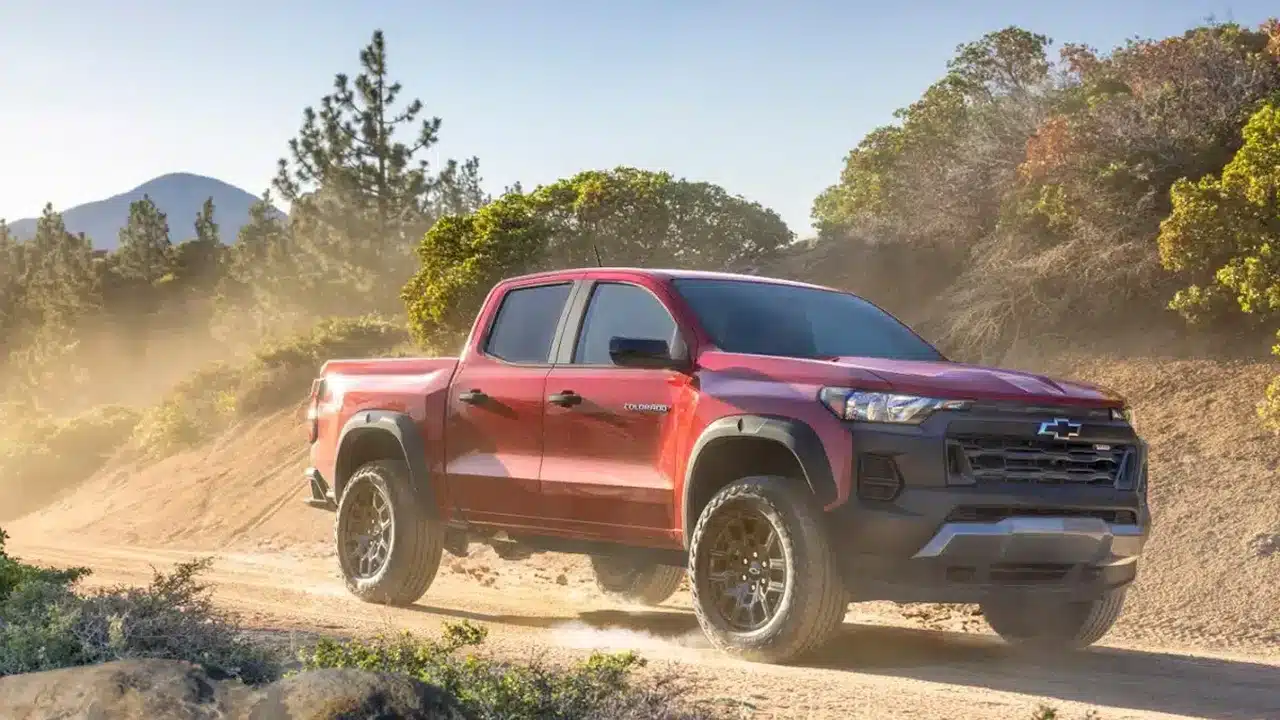
The turbocharged L3B four-cylinder debuted in the 2019 Chevy Silverado 1500 and GMC Sierra 1500. This guide covers those trucks through 2026 and the 2023–2026 Chevy Colorado and GMC Canyon. Some early Colorados used the related, lower-output L2R. Cadillac also offered the 2.7-liter in select CT4 and CT4-V models, though not the Blackwing. For 2027, the Silverado 1500 and Sierra 1500 move to the enhanced L4B TurboMax, rated at 350 hp and paired with a 10-speed automatic. Don’t assume the older engine’s bulletins apply to that version.
Emissions Recalls and the Engine Block Program
Catalytic converter clamp: GM emissions recall N262576260 covers certain 2019 Silverado 1500 and Sierra 1500 pickups. The catalytic converter inlet can leak. The dealer replaces the clamp and inspects the converter, replacing it if damaged.
Fuel-injector software: GM emissions recall N242452131-02 covers certain 2023–2024 Colorado, Canyon, Silverado 1500 and Sierra 1500 pickups with the L3B. The engine control module may not regulate injector flow properly under certain conditions. The fix is a software update. GM says trucks whose dealer records still show the recall as open may need the dealer procedure even after an over-the-air update.
Fuel-injector replacement: GM emissions recall N232427950 is a separate campaign for select 2023 trucks from the same four model lines with the L3B or L2R. GM said approximately 232 U.S. vehicles were involved when it announced the recall. Dealers replace all four injectors with a matched set.
Earlier fuel-injector calibration: GM service update N242450631 calls for reprogramming on certain 2019–2022 Silverado 1500 and Sierra 1500 pickups and 2020–2023 Cadillac CT4s equipped with the L3B. GM classifies this one as a service update, not an emissions recall.
Cracked engine blocks: GM customer satisfaction program N232415060 called for engine replacement on select 2023 Colorado, Silverado 1500 and Sierra 1500 trucks with the L3B. The bulletin identifies a manufacturing defect in the block’s main oil gallery. The program expired March 31, 2026. Ask a dealer what coverage, if any, still applies to your VIN.
Service Bulletins for Ticking, Wiring and Cooling
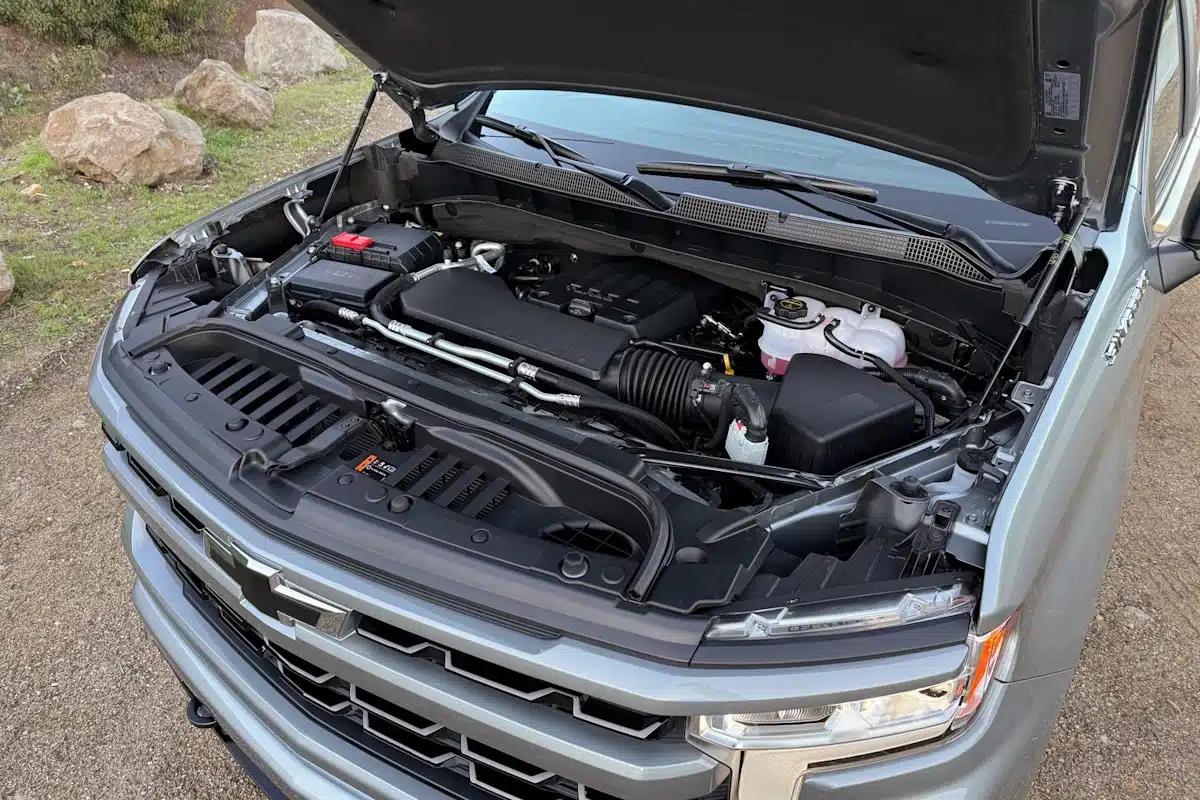
A technical service bulletin helps a shop diagnose and repair a specific condition. It doesn’t show how often the problem occurs or guarantee a free repair.
Top-end ticking: GM bulletin PIP6101B covers the L3B in the 2025–2026 Colorado, Canyon, Silverado 1500 and Sierra 1500. Debris from a rocker arm can keep a hydraulic valve lash adjuster from filling properly with oil. If the shop confirms a soft adjuster, GM calls for replacing all 16 adjusters and all 16 rocker arms.
Wiring harness chafe: GM bulletin 21-NA-149 includes certain Silverado 1500 and Sierra 1500 trucks with the L3B. A rubbing harness can cause problems such as a check-engine light, rough running, reduced power or a no-start. The bulletin gives shops inspection points based on the symptoms and engine.
Coolant-pump code P3075: GM bulletin 19-NA-149 applies to the new-generation 2019 Silverado 1500 and Sierra 1500 with the L3B. GM tells shops to check the engine computer’s calibration before chasing a pump problem. If the code returns with the current software, the bulletin directs further diagnosis, including checks for low coolant, leaks or trapped air.
What Owners Should Listen For

The 2.7-liter can sound clattery from outside the truck. A new or persistent tick, especially with rough running or a warning light, is worth having checked. The valvetrain bulletin gives a shop a starting point. Noise alone doesn’t tell you which part is at fault.
When looking at a used TurboMax truck, ask to hear it start cold and look for oil-change and repair records. Have a GM dealer check the VIN for open campaigns and whether the applicable work was done. Ask specifically about the emissions campaigns, since they’re separate from safety recalls.
Is the GM 2.7L TurboMax a Good Engine?

The L3B delivers useful torque low in the rev range and makes a capable tow engine in a properly equipped truck. Its clatter is our biggest day-to-day gripe. The records above show real problems worth checking, but they don’t establish a failure rate for the engine as a whole. On a used truck, I’d put more weight on how it runs and what the service records show.
For model-specific details, see our Chevy Colorado known problems, GMC Canyon known problems, Silverado 1500 known problems and Sierra 1500 known problems guides. Our Truck Reliability Center has more.