A Stellantis trailer dolly patent raises an interesting towing question: What if the equipment between your truck and trailer could help do the work?
MoparInsiders brought the idea to our attention. The underlying document is U.S. Patent 12,779,916, “Self propelled trailer systems,” assigned to FCA US LLC. It was filed March 27, 2023, and granted November 3, 2026.
This is a patent, not a new towing accessory you can order. That distinction matters before anyone starts shopping for a bigger camper.
What the Stellantis trailer dolly patent describes
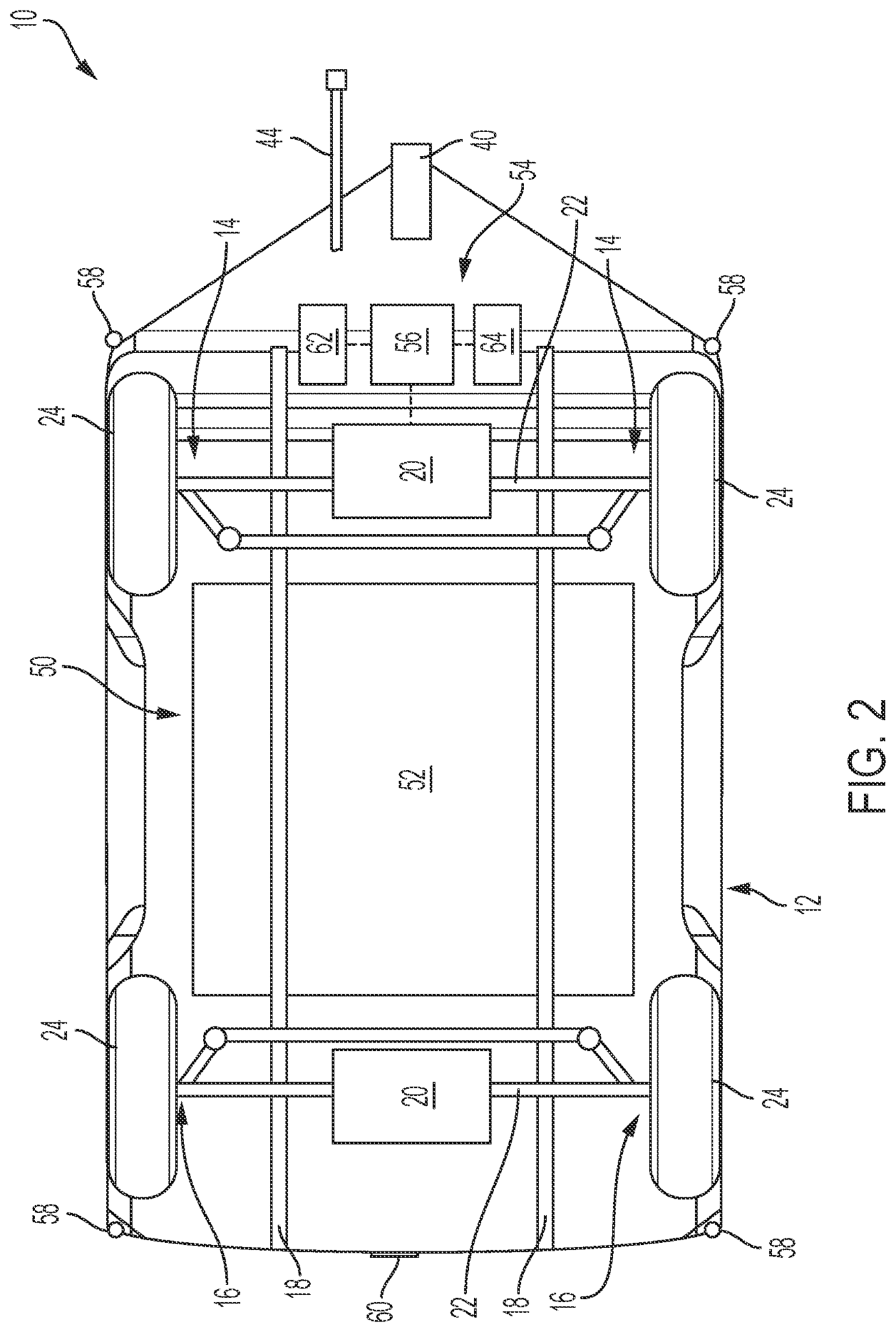
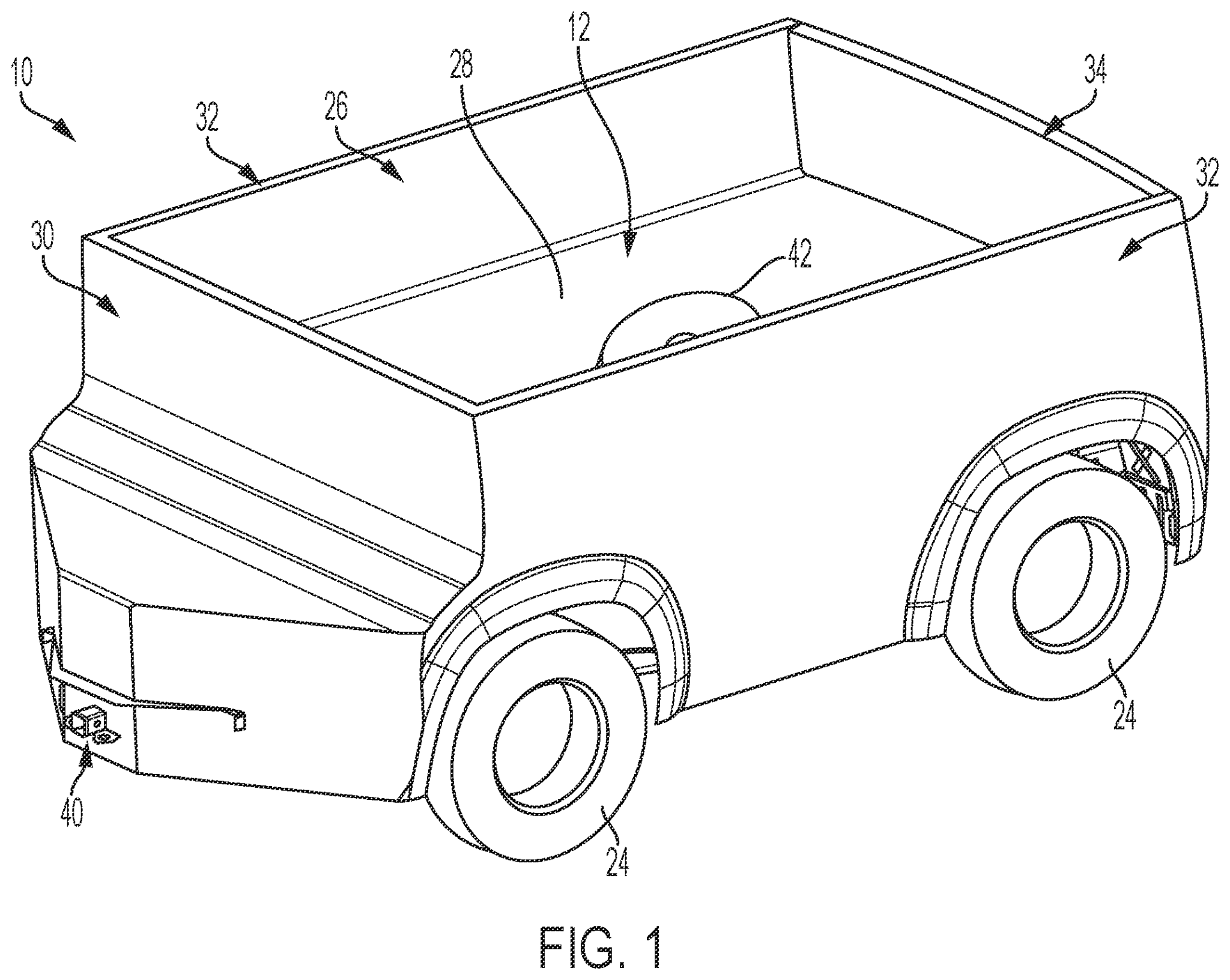
The design puts a powered platform between a lead vehicle and a trailer. It has two axles, at least one steerable axle, an electric traction motor and a high-voltage battery. A hitch on the platform supports the trailer, with fifth-wheel and gooseneck arrangements among the described options.
The controller uses sensors and cameras to manage steering, acceleration and braking. The stated goal is to follow the lead vehicle’s path, avoid obstacles and provide trailer stability control.
This is not FCA US’s only powered-trailer patent. An April 14, 2026, grant addresses coordinated trailer control, including reversing. Another April 28 grant describes control using a sliding, length-sensing towbar. All three trace back to a November 7, 2022, provisional application. The distinction here is the November patent’s removable, trailer-supporting dolly, rather than simply a control strategy for a powered trailer.
Help with maneuvering, not just pulling
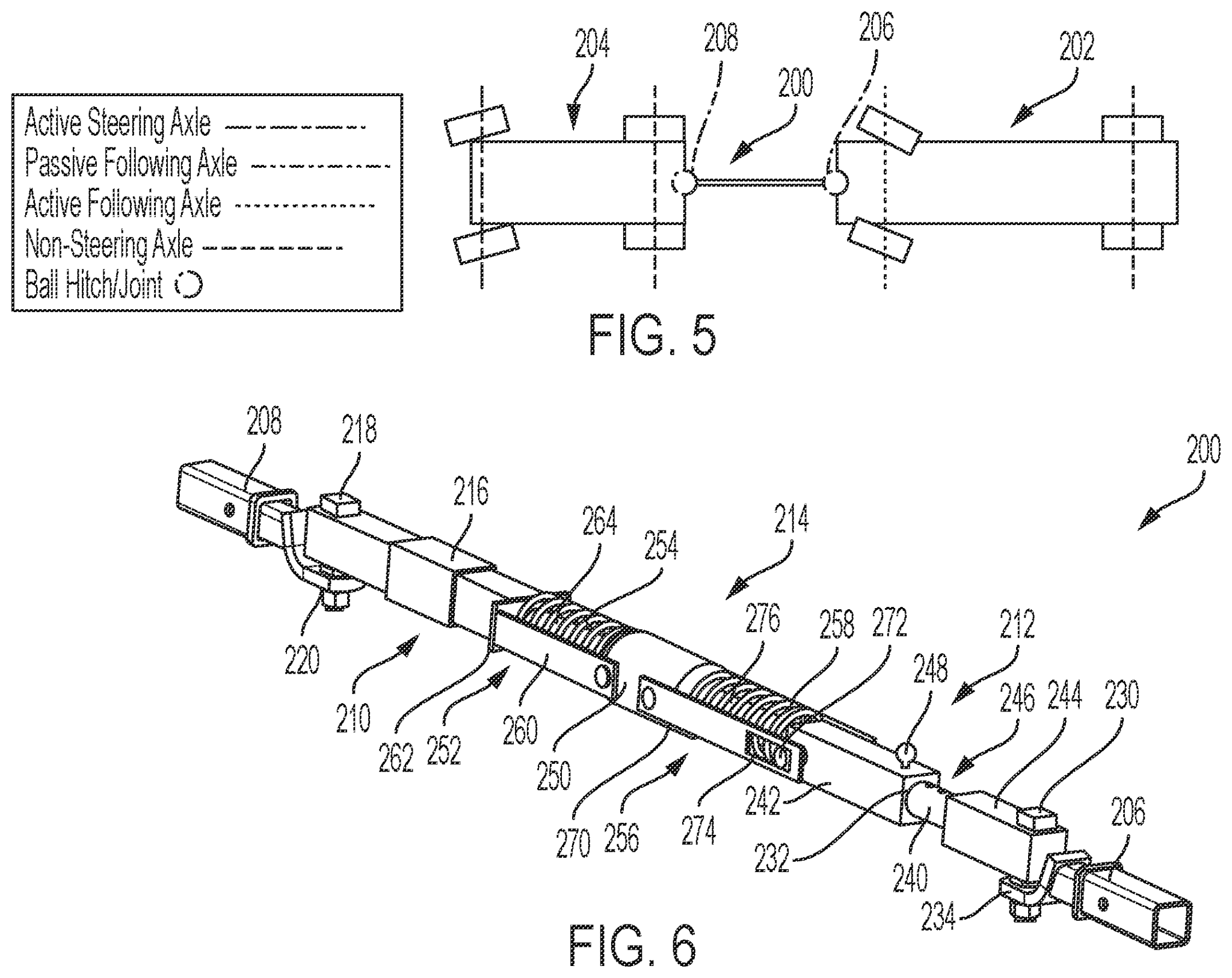
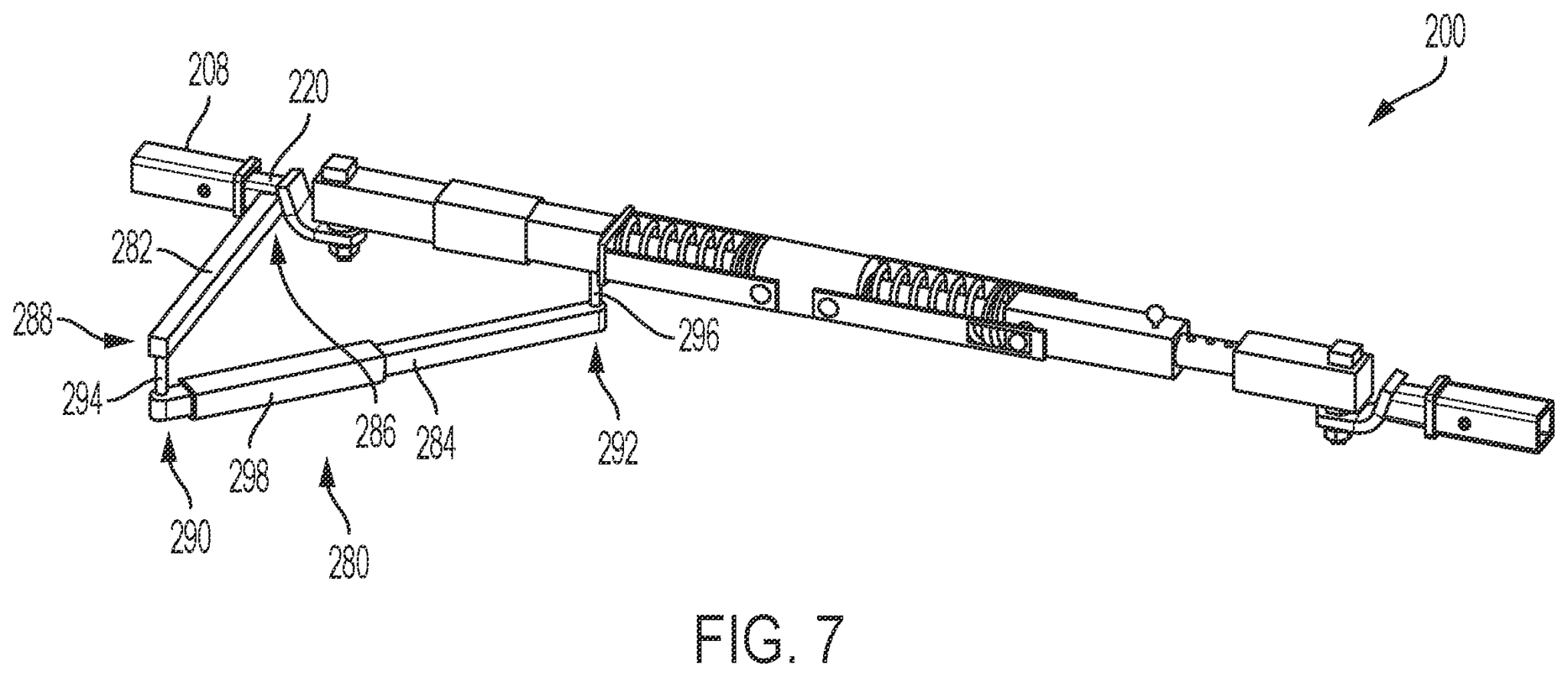
The document also describes low-speed manual control through a vehicle interface, an interface on the dolly or a mobile app. An adjustable towbar uses damping and sensors to manage forces between the vehicles.
For me, maneuverability is the interesting part of this idea. Pulling a trailer down an open highway is one thing. Getting it into a tight campsite or putting it away at home is another. I would want to see how intuitive those controls are before calling this an easier way to tow.
A patent is not a higher tow rating
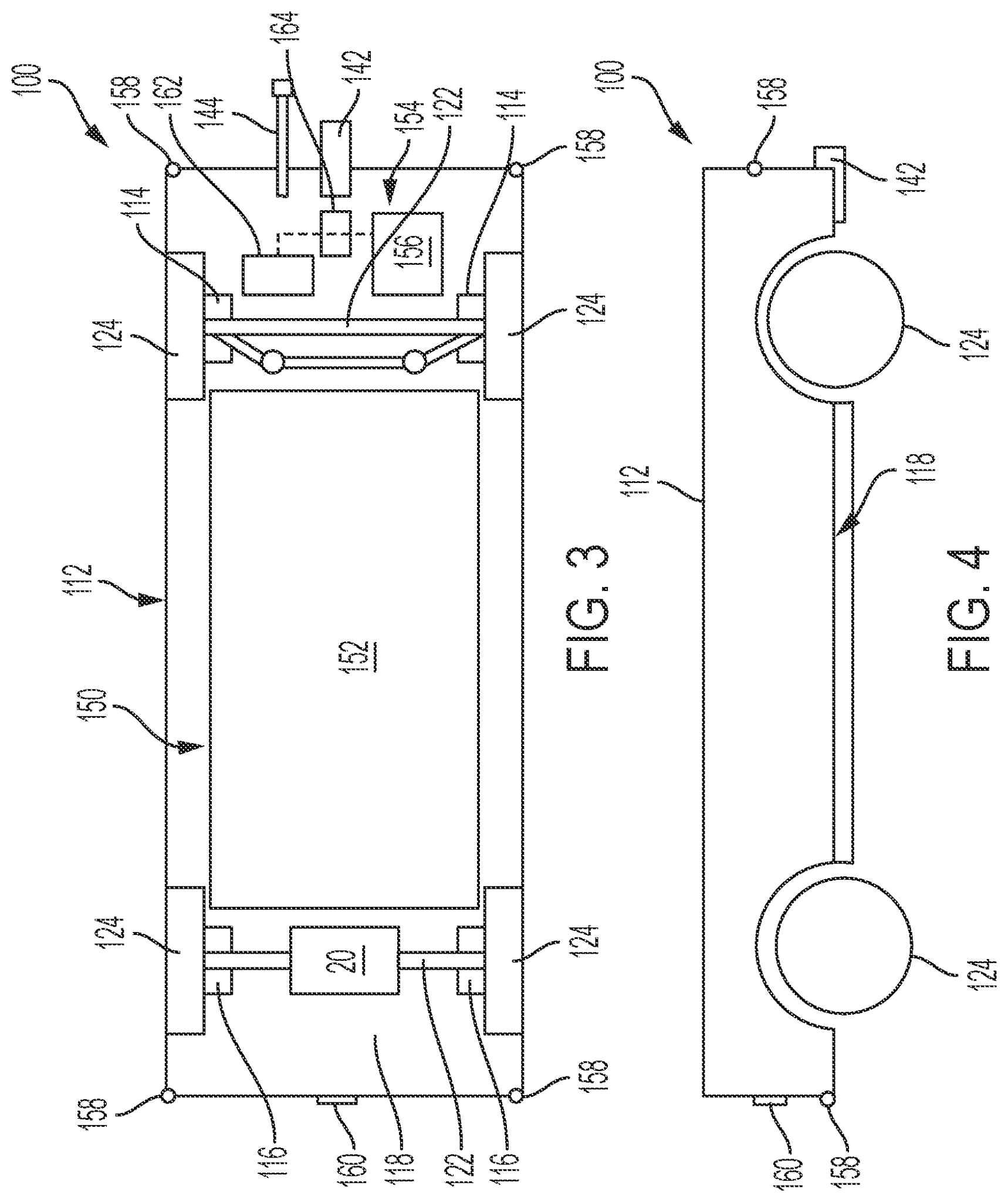
There is no basis here to tell readers that a particular Ram or Jeep can tow a heavier trailer. The patent does not establish a production vehicle’s approved towing capacity, a retail price or an on-sale date.
Those are the questions that would determine whether this becomes useful equipment rather than an interesting engineering idea. What does the finished unit weigh? What does it cost? How is it serviced? What happens when the battery runs low? Which vehicle-and-trailer combinations would the manufacturer approve?
I would also want real-world testing before making claims about range, stability or braking performance. A description of what a system is designed to do is not the same as showing how it performs on a long grade with a loaded trailer.
The bottom line
This is worth watching because it approaches towing from a different direction: adding capability to the trailer connection rather than simply asking more of the truck. But I would keep the excitement tied to what we actually have: a documented concept. A production announcement and measured results would be the next meaningful steps.