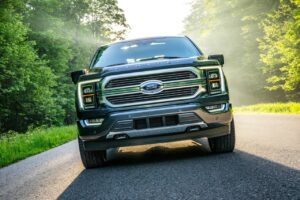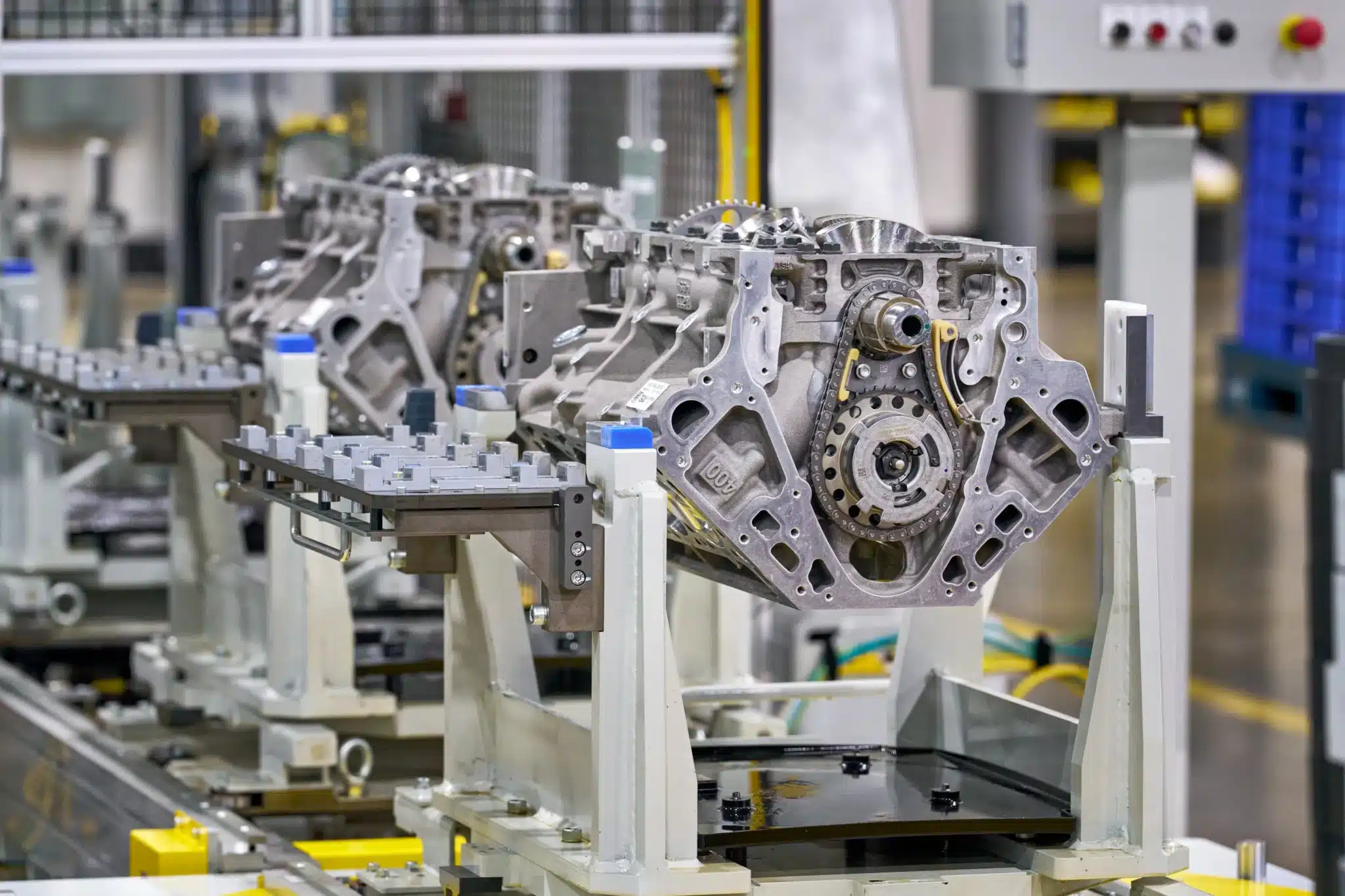
When you buy a half-ton pickup these days, the engine choice can pit twin-turbo punch against big-displacement V8 muscle. Ram’s 3.0-liter Hurricane inline-six and GM’s new 6.6-liter L78 V8 take those very different approaches. The Hurricane powers the Ram 1500, while the L78 joins the redesigned 2027 Chevrolet Silverado 1500 and GMC Sierra 1500. Here’s how they compare on power, towing, fuel economy and reliability.
Power and Torque: A Complicated Numbers Game
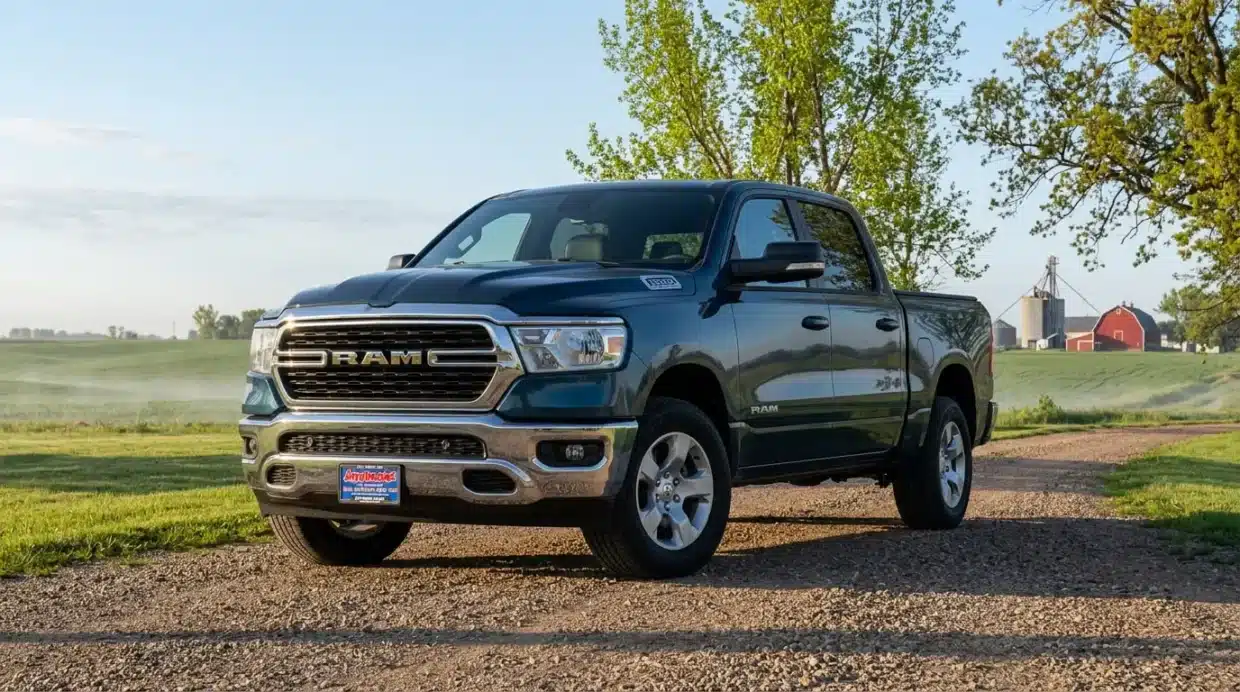
The Hurricane makes a strong case against the old “no replacement for displacement” line. With a milder tune, peak boost of 22.4 psi, a 10.4:1 compression ratio and cast aluminum pistons, the Standard Output (SO) version makes 420 horsepower at 5,200 rpm and 469 lb-ft of torque at 3,500 rpm.
The SO Hurricane is available in lower Ram 1500 trims such as the Tradesman and Big Horn, and standard in the Warlock, Laramie and Rebel. Higher in the range, the RHO, Limited, Limited Longhorn and Tungsten use the High Output (HO) version. Forged aluminum pistons, a dual-inlet water-to-air charge cooler and a higher rev limit help the HO produce 540 horsepower at 5,700 rpm and 521 lb-ft of torque at 3,500 rpm. It requires premium fuel rated at least 91 octane, while the SO can run on regular.
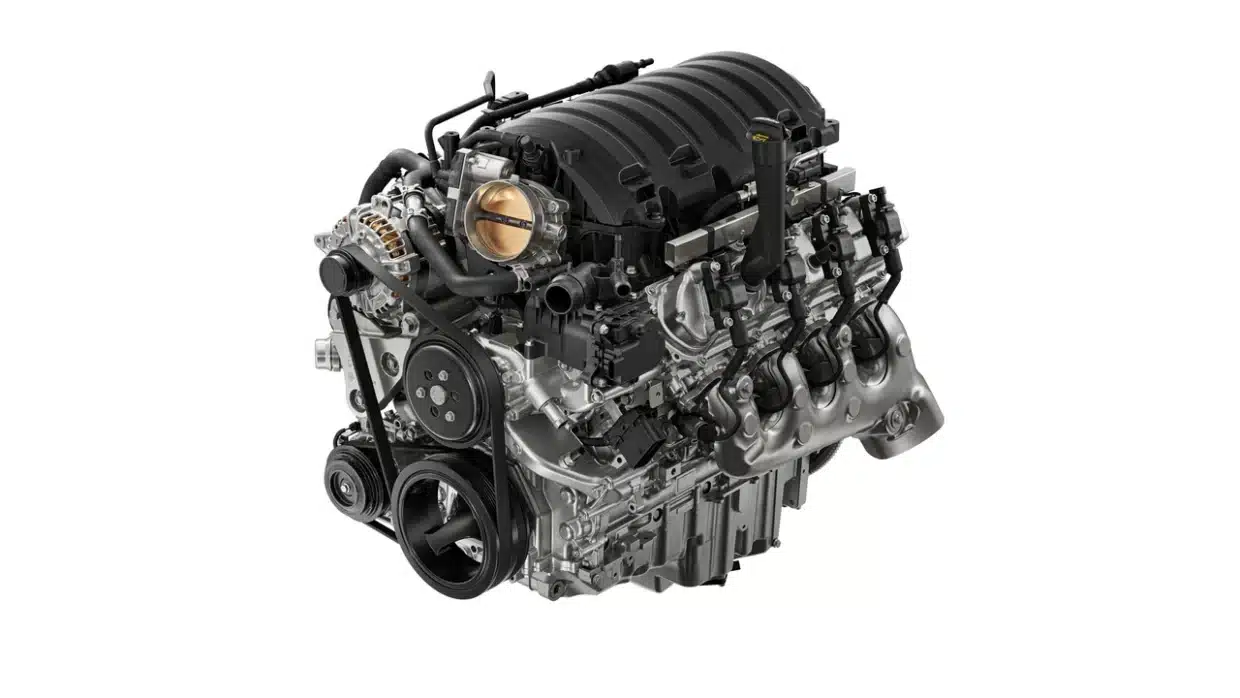
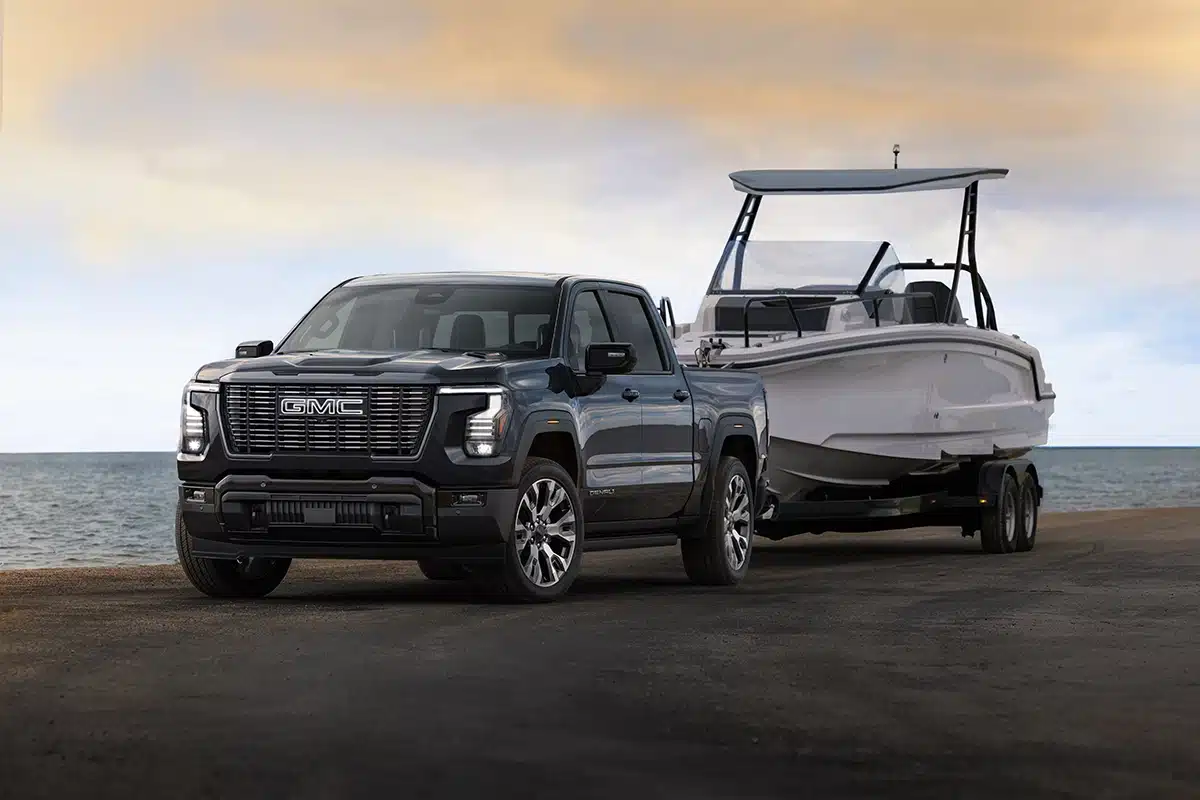
GM also offers a 6.6-liter gas V8 in its heavy-duty trucks, but the new half-ton L78 is a sixth-generation small-block engine. It produces 481 horsepower at 5,800 rpm and 501 lb-ft of torque at 4,000 rpm, with 91-octane fuel recommended. GM calls it the most powerful naturally aspirated V8 in its class, a distinction that does not include turbocharged rivals such as the Hurricane HO. In the Silverado, it is available in 4WD Crew Cab ZR2 and High Country models. The smaller 5.7-liter L76 V8 produces 402 horsepower and 428 lb-ft of torque.
Towing: More Power Doesn’t Mean More Hauling
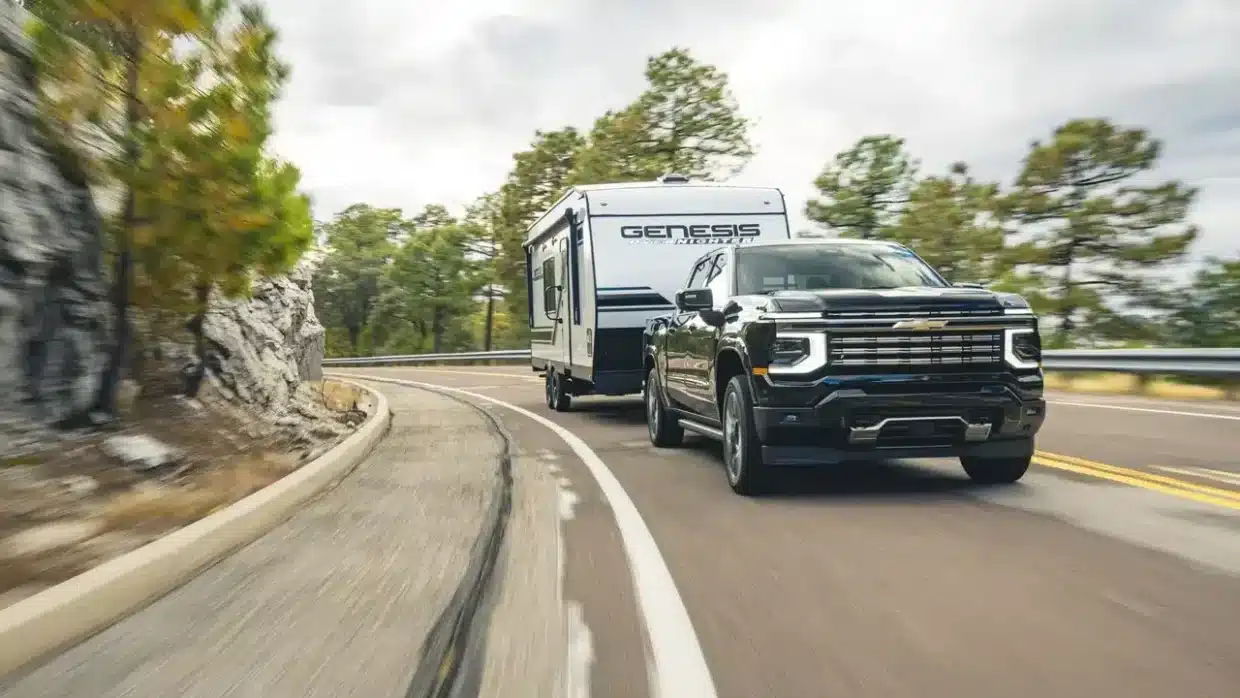
More horsepower doesn’t automatically buy you a higher tow rating. Cab, drivetrain, axle ratio, suspension and equipment all matter. Ram lists maximum ratings of 11,610 pounds of towing and 1,930 pounds of payload for the 2026 Ram 1500 with the SO Hurricane and 2WD. Those are separate maximums, not a promise that one truck can carry and tow both loads at once.
The HO Hurricane’s maximums are 10,000 pounds of towing and 1,490 pounds of payload. The off-road-focused RHO has a lower maximum tow rating of 8,360 pounds. GM’s bigger V8 doesn’t lead its lineup’s tow chart, either. The Silverado L78 is limited to ZR2 and High Country trims, and its maximum ratings are 9,700 pounds of towing and 1,510 pounds of payload. The Sierra’s corresponding maximums are 9,400 and 1,450 pounds.
Here’s the twist: GM’s smaller 5.7-liter V8 delivers a maximum tow rating of 13,700 pounds in a properly equipped 2WD Double Cab Silverado with the standard bed and Max Trailering Package. The Sierra tops out at 13,500 pounds. For the Silverado’s highest payload rating, look instead to the 2.7-liter Enhanced TurboMax four-cylinder: up to 2,340 pounds in a 2WD Regular Cab. Check the specific truck’s ratings and door-jamb label before choosing it for a trailer or load.
Fuel Economy: Where the Six-Pot Comes Into Its Own

At the gas pump, the Hurricane has an advantage in the EPA ratings. For the 2026 Ram 1500, the EPA lists the SO Hurricane at 18 mpg city, 24 mpg highway and 20 mpg combined with 4WD, or 18/25/21 mpg with 2WD. The 540-horsepower HO version returns 15/21/17 mpg, while the RHO is rated at 14/16/15 mpg. These are city/highway/combined figures, not towing estimates.
The 2027 Silverado and Sierra with the 6.6-liter V8 and 4WD are rated at 14 mpg city, 18 mpg highway and 15 mpg combined. That puts them 2 mpg behind the Hurricane HO in combined driving. The off-road Silverado ZR2 and Sierra AT4X return 13/15/14 mpg. Trim and configuration matter here, not just cylinder count.
Fuel grade matters, too. The HO Hurricane requires premium, while GM recommends premium for the L78. The SO Hurricane’s ability to use regular fuel gives it another advantage for buyers watching running costs.
Reliability: Analyzing Trends vs. Predicting the Future
The Hurricane has been in the Wagoneer family since 2022, but its Ram 1500 application is newer. As we’ve covered in our look at Hurricane reliability, there are early issues worth watching. A Ram service bulletin documents misfires and catalytic-converter damage in some 2025 HO-equipped trucks. That is a specific problem, not enough evidence to declare the entire engine family either trouble-free or unreliable.
GM, meanwhile, needs the L78 to avoid the problems that have hurt confidence in earlier V8s. NHTSA investigated bearing failures involving the 6.2-liter L87 in GM trucks and SUVs, and a subsequent inquiry examined reports of failures after the recall remedy. Those are concerns about the L87, not proof that the new L78 shares the same defects.
The L78 is new for the 2027 model year, so it does not yet have a long-term ownership record. Its naturally aspirated pushrod layout draws on familiar small-block architecture, but the engine also introduces changes such as combined direct and port fuel injection. There is reason to be interested, but durability will have to be demonstrated over time.
The Verdict: Modern Grunt vs. Old-School Displacement
Choosing between the Ram Hurricane and GM L78 V8 comes down to what you want from a half-ton truck. The Hurricane HO wins this horsepower contest, while the SO offers strong output without requiring premium fuel. Neither the HO nor the L78 is its brand’s best choice for maximum towing.
The L78 keeps the appeal of a big, naturally aspirated pushrod V8 alive in a new generation of GM pickups. For buyers who want that small-block character, it has plenty of pull. Just don’t confuse familiar architecture with proven long-term reliability: the L78 still has to earn that reputation.