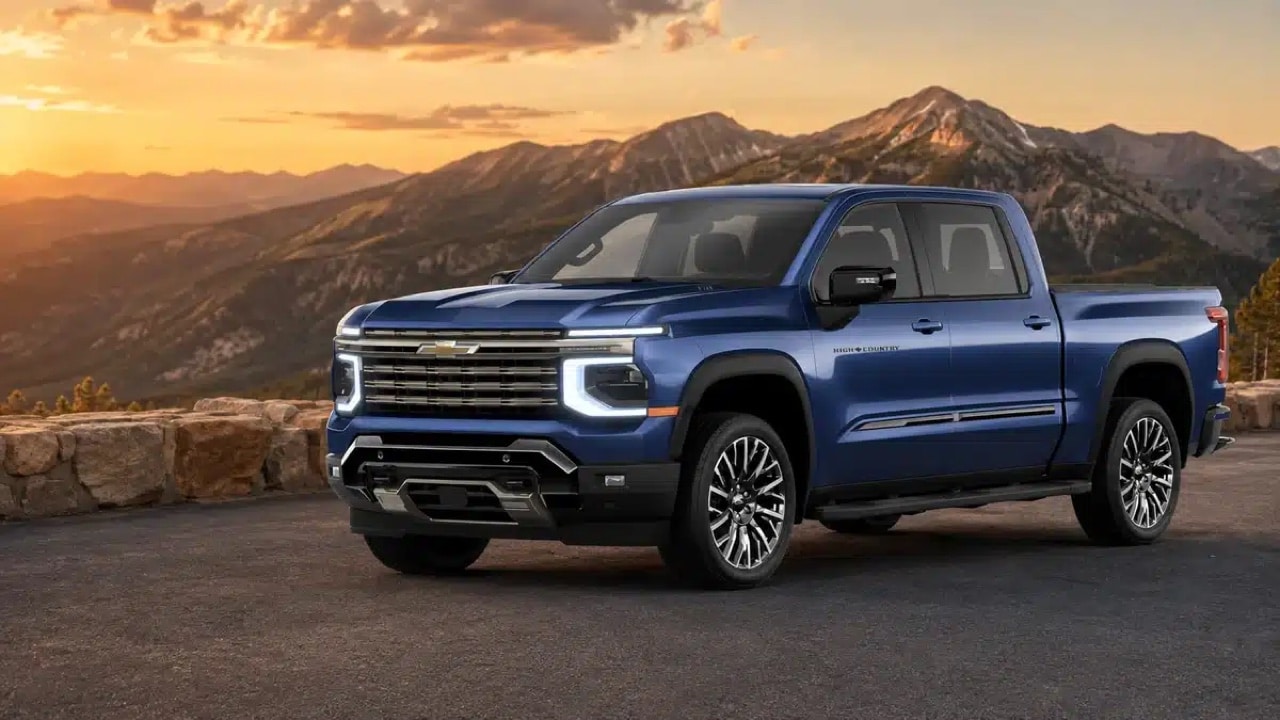
The 2027 Silverado V8 fuel economy numbers are here, and anyone expecting a big mpg payoff from GM’s new engines is going to be disappointed. There is more power. There is more displacement. There is not a corresponding improvement in the reported fuel-economy ratings.
That sounds familiar. I was writing about this with the 2019 Silverado redesign, and I revisited the issue in 2020. A new engine or a new truck does not automatically mean a better number on the window sticker.
2027 Silverado V8 fuel economy ratings
GM-Trucks’ updated report includes a certified table it says GM supplied after its initial window-sticker coverage. Silverado V8 ratings, in mpg:
| 2027 Silverado configuration | City | Highway | Combined |
|---|---|---|---|
| 5.7L V8, 2WD | 15 | 19 | 17 |
| 5.7L V8, 4WD | 15 | 18 | 16 |
| 5.7L V8, 4WD with mud-terrain tires | 14 | 16 | 14 |
| 6.6L V8, 4WD | 14 | 18 | 15 |
| 6.6L V8, ZR2 | 13 | 15 | 14 |
Against the outgoing V8s, combined mpg is unchanged for 5.7L 2WD, down one for 5.7L 4WD and down two for 6.6L 4WD. Compare configurations carefully.
GM told GM-Trucks testing now better reflects popular equipment, including larger tires and lifted suspensions. This is a whole-truck comparison, not an isolated engine test.
For shoppers, the tire package matters. Check the label on the truck you are buying instead of applying one headline mpg figure to every trim. Our 2027 Silverado engine availability guide also breaks down which engines go with which trims.
More displacement brings more power
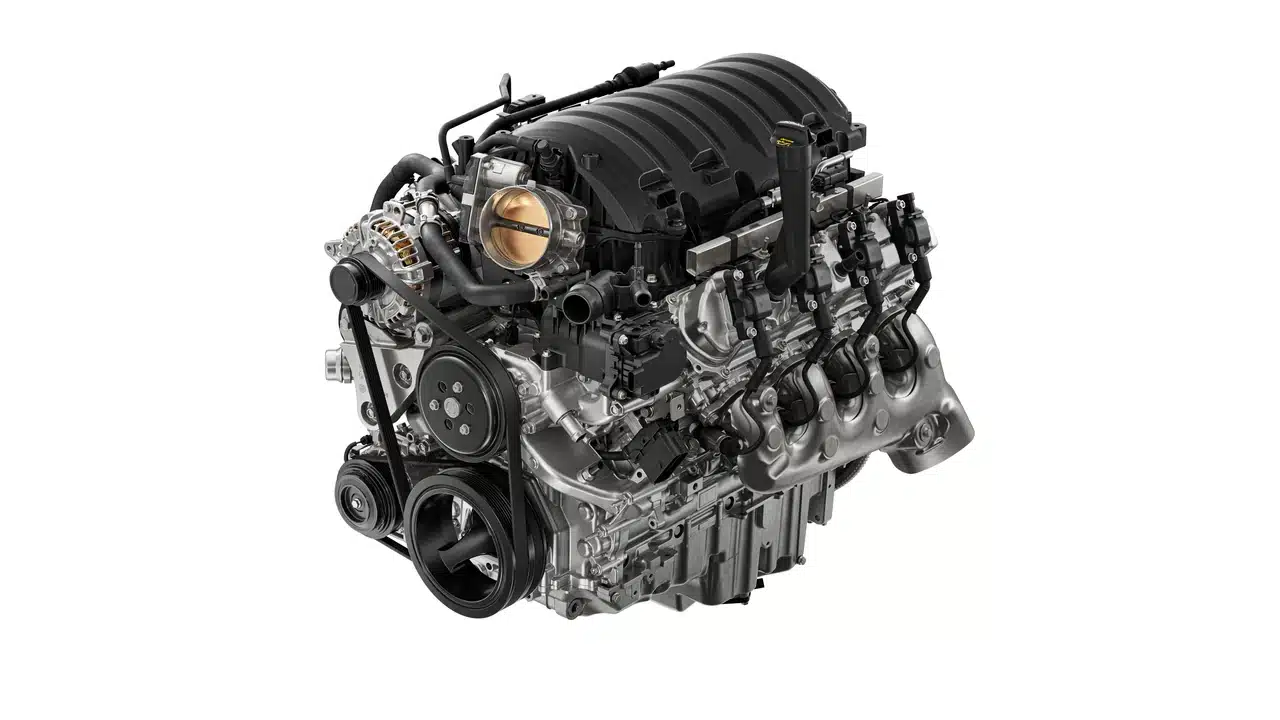
The new sixth-generation GM Small Block V8s replace the 5.3L and 6.2L with a 5.7L and 6.6L. The 5.7L makes 402 horsepower and 428 pound-feet of torque. The 6.6L makes 481 horsepower and 501 pound-feet. Both use a 10-speed automatic.
GM increased piston stroke, raised compression and added a fuel system combining port and direct injection. Those changes are about the engine’s operating range, power and emissions as well as efficiency. An engine can improve in those areas without improving the EPA rating of the finished truck.
Emissions are part of the story, too
When I spoke with GM’s Randy Dufresne about these engines, I asked whether port injection was being added to address carbon buildup on intake valves. He said that was not the reason. Future emissions regulations drove that decision.
A larger engine can supply a given torque demand at a lower share of its capacity. That can give engineers more room to manage combustion and emissions. However, it does not reduce the work required to move the truck, and displacement alone does not prove lower emissions. Calibration, fuel delivery and exhaust treatment matter.
There is also a difference between controlling pollutants such as soot and reducing carbon dioxide. For gasoline, burning more fuel per mile generally means more tailpipe CO₂ per mile. Better emissions control and better mpg are related engineering goals, but they are not interchangeable claims.
The 2027 regulatory backdrop needs that same care. EPA repealed its motor-vehicle greenhouse-gas standards in February 2026, while leaving traditional air-pollutant rules separate. In May, it proposed moving the light- and medium-duty Tier 4 phase-in from model year 2027 to 2029. EPA still describes that action as a proposal. It is not a reason to treat every “EPA 2027” discussion, especially heavy-duty diesel rules, as the same requirement for this gasoline half-ton.
We have seen this before
In December 2018, I published “Shocker! 2019 Chevy Silverado 1500 MPG vs 2018 Chevy Silverado 1500.” The redesigned truck shed weight, yet some configurations returned worse fuel-economy ratings. The bigger cab and bed, aerodynamics and axle gearing all complicated the expectation that lighter automatically meant more efficient.
Then, in October 2020, I covered the 2021 Silverado Duramax 4WD’s mpg drop. Chevrolet’s explanation at the time was that the tested configuration had moved into a higher weight class. That was a diesel example, but it illustrated the same issue: the equipment and test configuration can change the label without telling the entire story of the engine.
Those were different model-year comparisons, not proof that every Silverado gets worse each year. They do show why I am skeptical whenever “all-new” is treated as a promise of better fuel economy.
The bottom line
The 2027 Silverado brings stronger V8s, but the reported ratings do not give buyers a fuel-economy improvement to go with them. If power is your priority, there is something here to consider. If saving fuel is the goal, compare the exact configuration and its window sticker before spending the money.
For the rest of the buying picture, see our 2027 Chevy Silverado pricing breakdown.