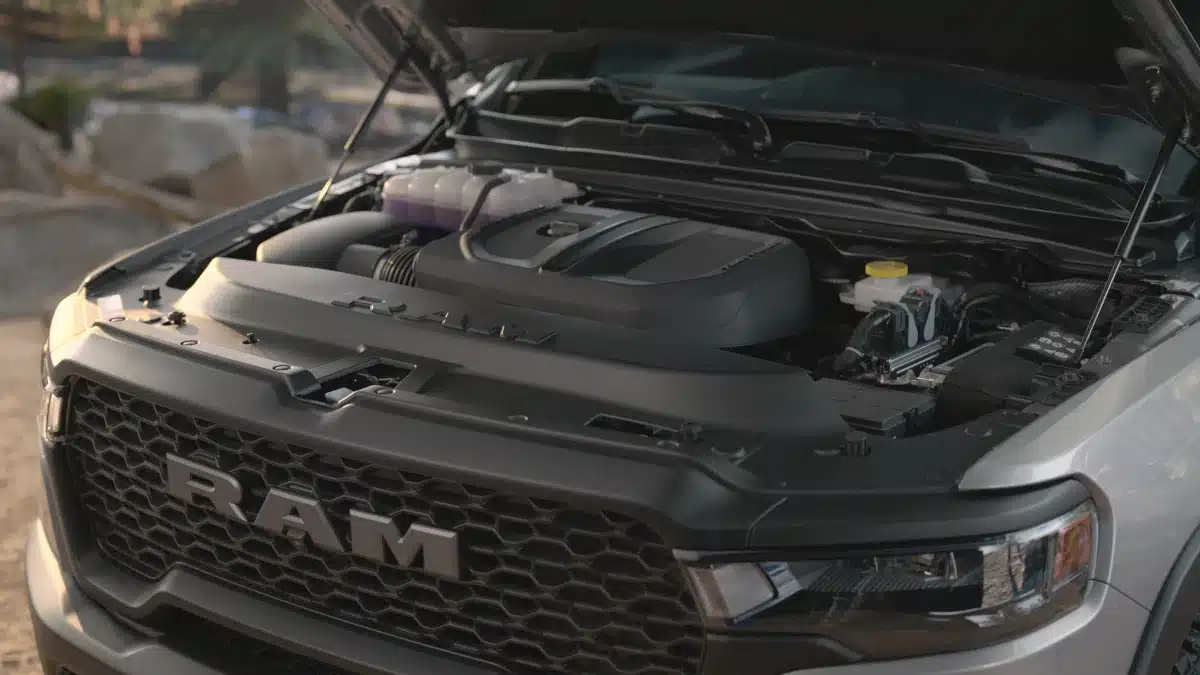
A recently filed lawsuit alleges that select Ram 1500 trucks featuring the 3.0L Hurricane power plant have faulty engine and powertrain control modules.
The Case
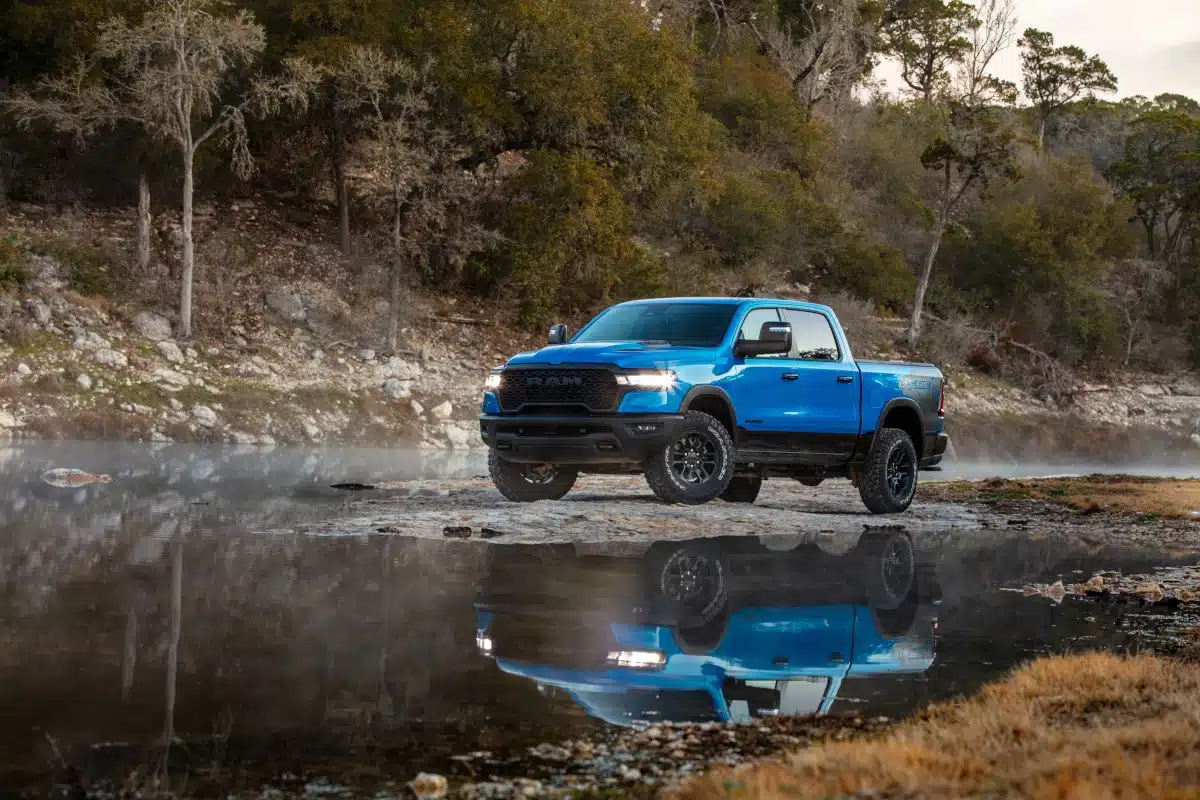
The case, Norberg et al. v. FCA U.S. LLC, was filed on August 25, 2026, in the U.S. District Court for the Eastern District of Michigan by Wisconsin owner Charlene Norberg and Florida owner Tim Craig. The complaint cites owner reports submitted to NHTSA and online forums. Those reports are allegations, not findings that every truck has the claimed defect.
Alleged Issues with Hurricane ECM and PCM
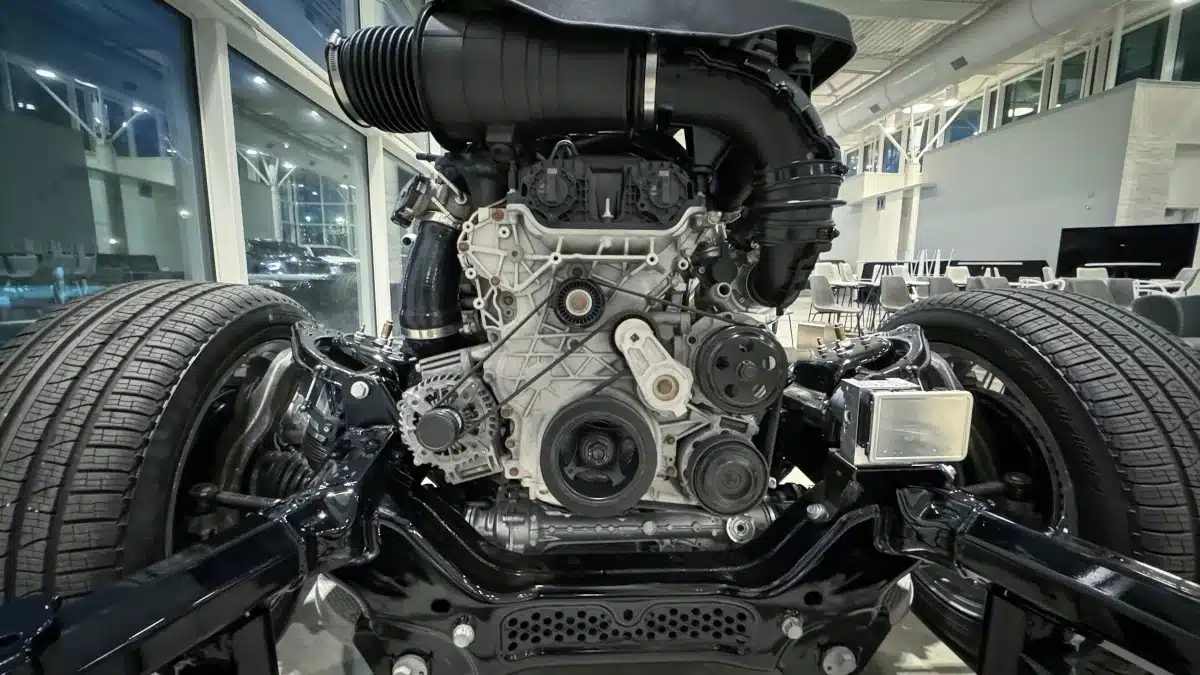
The plaintiffs claim that issues with the ECM and PCM in 2025 Ram 1500 trucks equipped with the Hurricane 3.0L twin-turbo I6 can lead to stalling, hesitation, engine misfires and loss of power. The lawsuit also alleges that FCA US knew about the claimed issue, failed to disclose it to customers and has been “unable or unwilling” to address it. These are the plaintiffs’ allegations, not findings by the court.
Customer Complaints
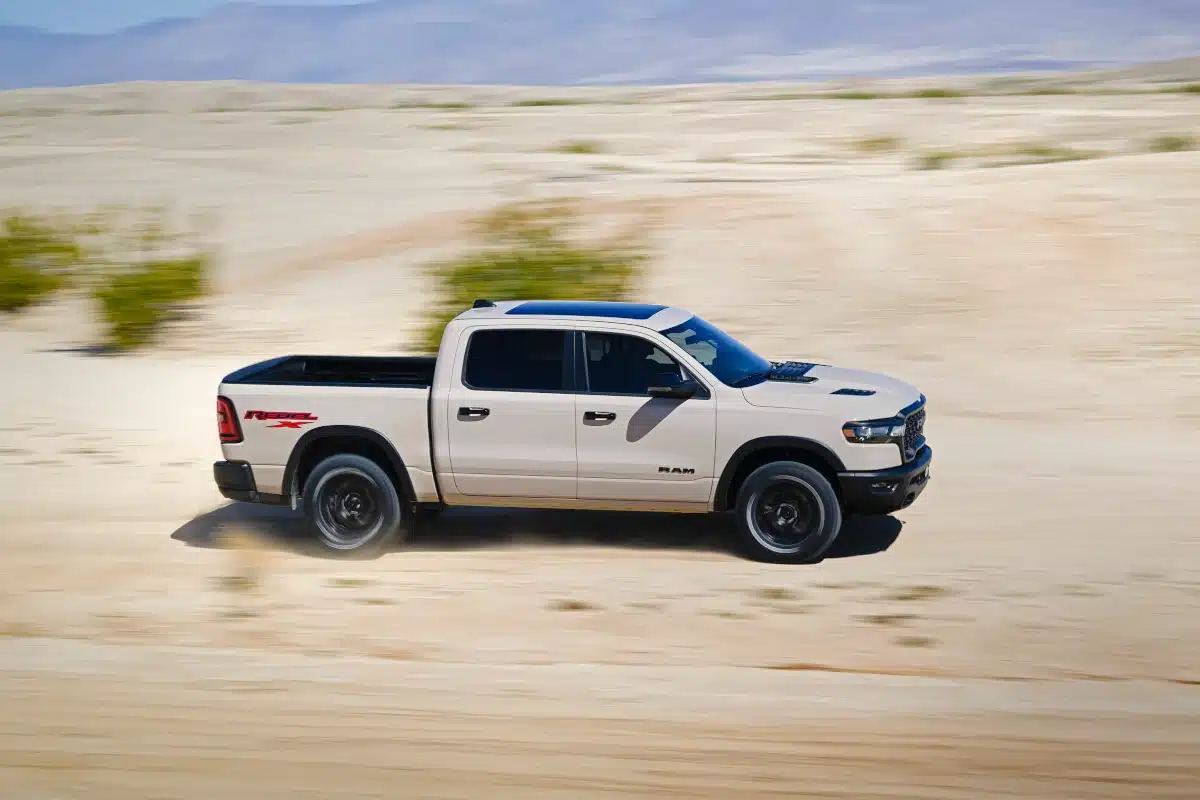
Several pages of the court filing are dedicated to relating customer complaints, both from the NHTSA site as well as from other online forums. The filing catalogs a litany of issues including check engine lights, numerous diagnostic codes, sputtering and hesitation, and numerous trips to the service department. One customer was told that FCA knew it was a software issue, others were given a variety of reasons for their continued troubles which dealer fixes did not address. One customer cited in the filing used several profanities in describing their 1500.
Dare Forward 2030
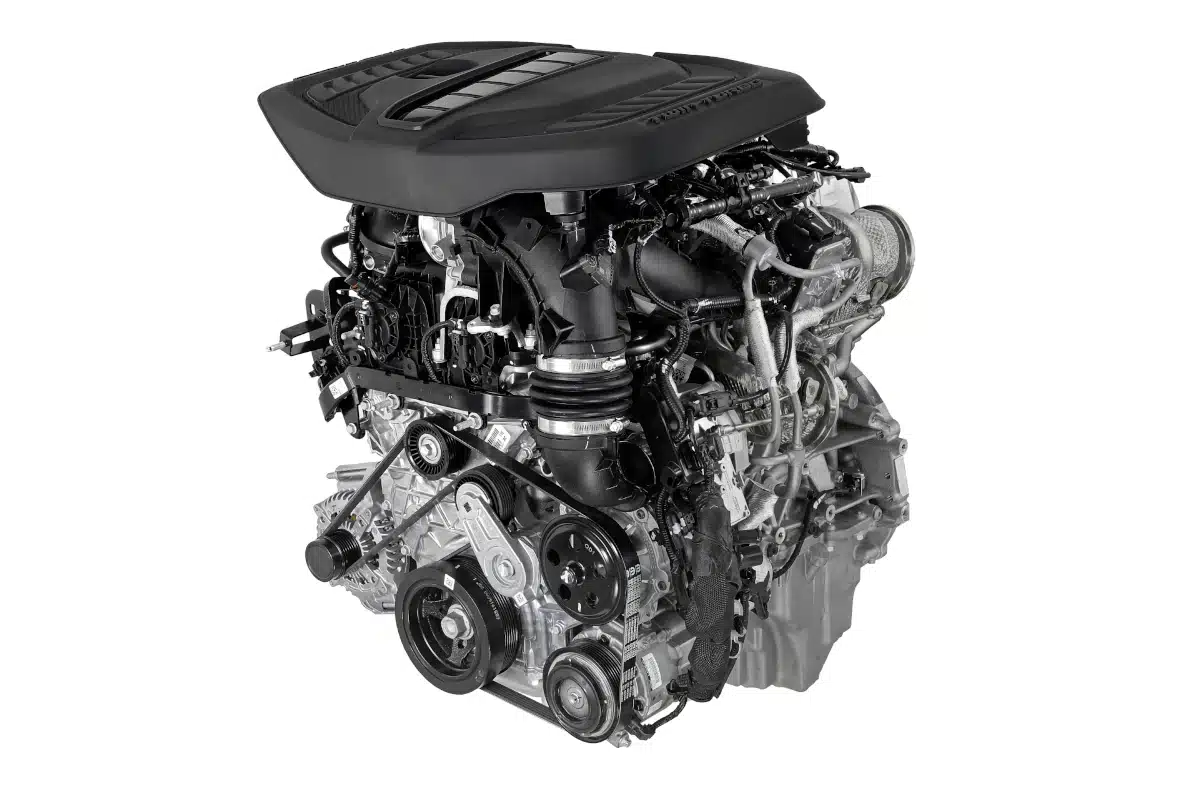
Among other details noted in the court filing are several pages on FCA’s own claims of quality control as part of their “Dare Forward 2030” advertising campaign. The lawsuit quotes FCA’s promotional material at length, contrasting those statements with the complaints cited by the plaintiffs. The Hurricane was originally introduced as a replacement for Ram’s V8 Hemi and FCA promoted this generation of the 1500 as the “most technologically advanced Ram 1500 ever.” Ram has since reintroduced the Hemi due to customer demand.
What’s Next?
The complaint asks the court to allow the case to proceed as a class action. Filing a proposed class action does not itself establish liability or certify a class. Under Federal Rule of Civil Procedure 23, the court must decide whether the requirements for class certification are met.