What is the most reliable full-size truck? For this 2026 update, we ranked the current Ford F-150, Ram 1500, Chevrolet Silverado 1500, GMC Sierra 1500 and Toyota Tundra using Pickup Truck + SUV Talk’s reliability reporting, National Highway Traffic Safety Administration recalls and owner complaints.
Consumer Reports and J.D. Power are included for comparison, but neither determined our ranking.
Our conclusion is likely to surprise people: The Ford F-150 is the most reliable current full-size truck, while the Ram 1500 finishes second despite landing at or near the bottom of major consumer surveys.
How PUTT ranked the most reliable full-size trucks
Reliability rankings are difficult because no source captures every problem.
NHTSA.gov complaints are useful for identifying repeated failures and safety concerns, but they are not failure rates. A popular truck can collect more complaints simply because more of them are on the road. Recalls are also imperfect. A high recall count may expose poor quality control, but it can also show that an automaker identified problems and provided repairs.
Consumer Reports relies on responses from its subscribers. Its reliability histories are helpful for finding trends across model years and problem areas, but the sample for one specific truck, engine and configuration can be limited.
J.D. Power uses responses from verified owners, but many consumers distrust its awards. Its Quality and Reliability study also focuses heavily on problems experienced early in ownership, when most vehicles are still under warranty. That is not the same as determining which engine is least likely to fail after years of towing.
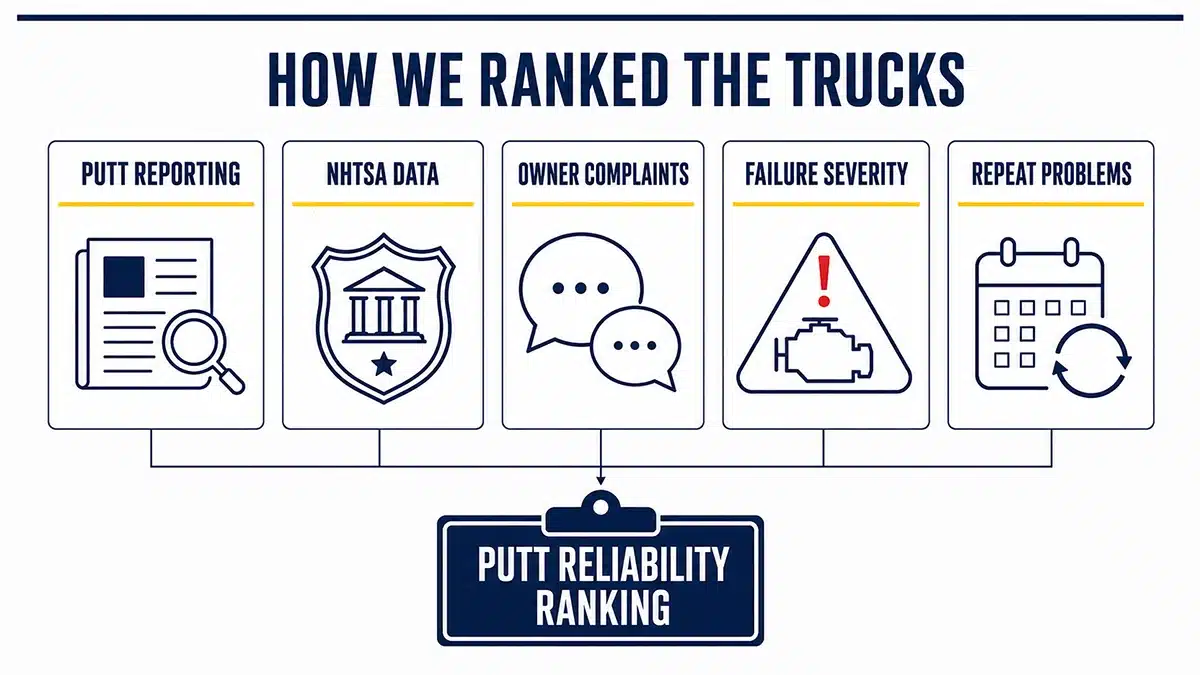
Our ranking gives the most weight to:
- PUTT’s reporting on recurring failures, owner experiences and technical evidence
- NHTSA recalls, investigations and owner complaints
- The severity and repair cost of the problem
- Whether the problem persists across multiple model years
- Consumer Reports and J.D. Power findings as comparisons
A failed screen matters. A failed engine matters much more.
1. Ford F-150
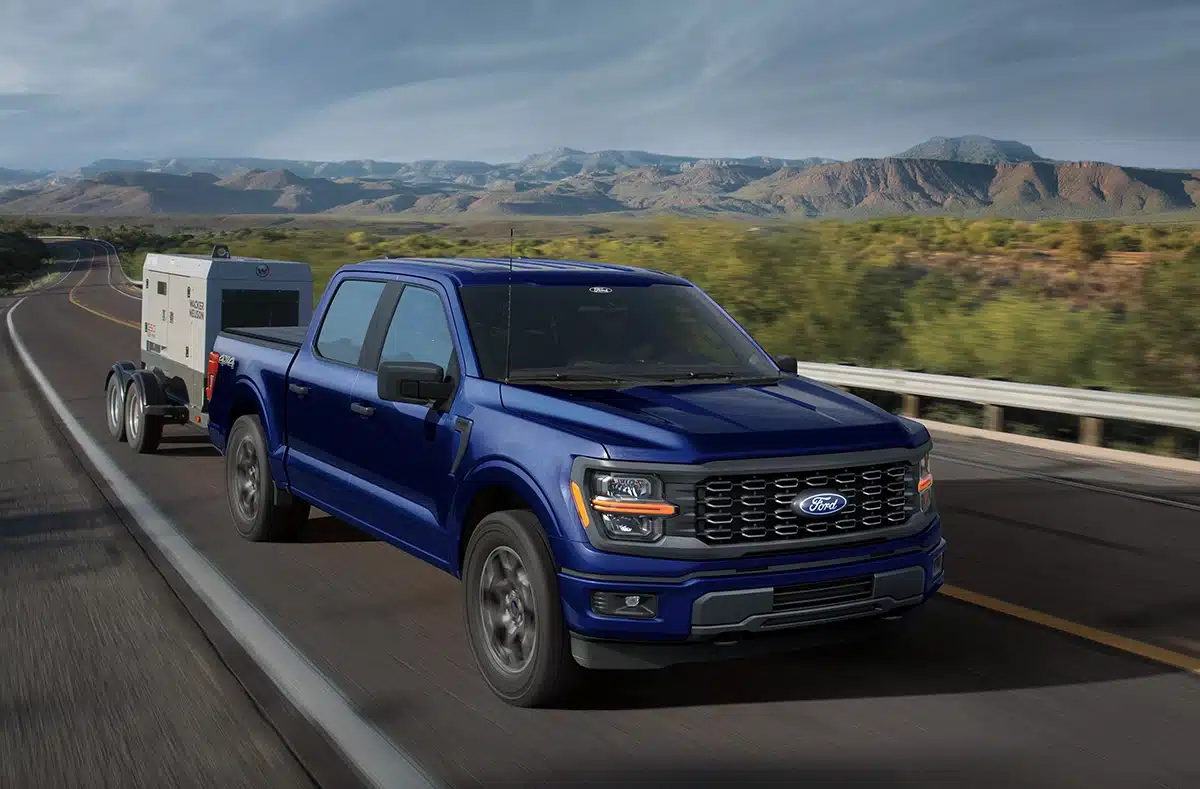
The Ford F-150 wins, but not because it is problem-free. That is both a sad and factually accurate statement.
Our 2021-2026 Ford F-150 known-problems investigation found recurring complaints involving the 10-speed automatic transmission. Owners have reported harsh shifts, while some trucks required transmission work after software resets or adaptive-learning procedures failed to correct the behavior.
Ford also recalled F-150s over rear axle hub bolts that could break. The issue was especially concerning because it appeared in two recall populations spanning multiple model years. Backup-camera failures, electrical glitches, rattles and Ford’s unusually large number of recalls add to the ownership burden.
Why does it still rank first? We did not find a widespread current-generation F-150 engine-failure pattern comparable to the Toyota twin-turbo V6 or GM 6.2-liter V8. The F-150’s 2.7-liter EcoBoost, 3.5-liter EcoBoost and 5.0-liter V8 all have known issues, but none currently defines the whole generation.
The outside surveys disagree. J.D. Power gives the 2025 F-150 an 86 out of 100 Quality and Reliability rating, tying it for the best result among these trucks. Consumer Reports’ latest history is less favorable overall, although its data shows recent improvement in the F-150’s powertrain, suspension, steering, build quality and electronics.
Why it ranks first: Ford has too many recalls and the 10-speed remains a concern, but buyers can avoid some risk by researching the exact configuration. The absence of one dominant, widespread engine-failure crisis gives the F-150 the best overall case.
2. Ram 1500
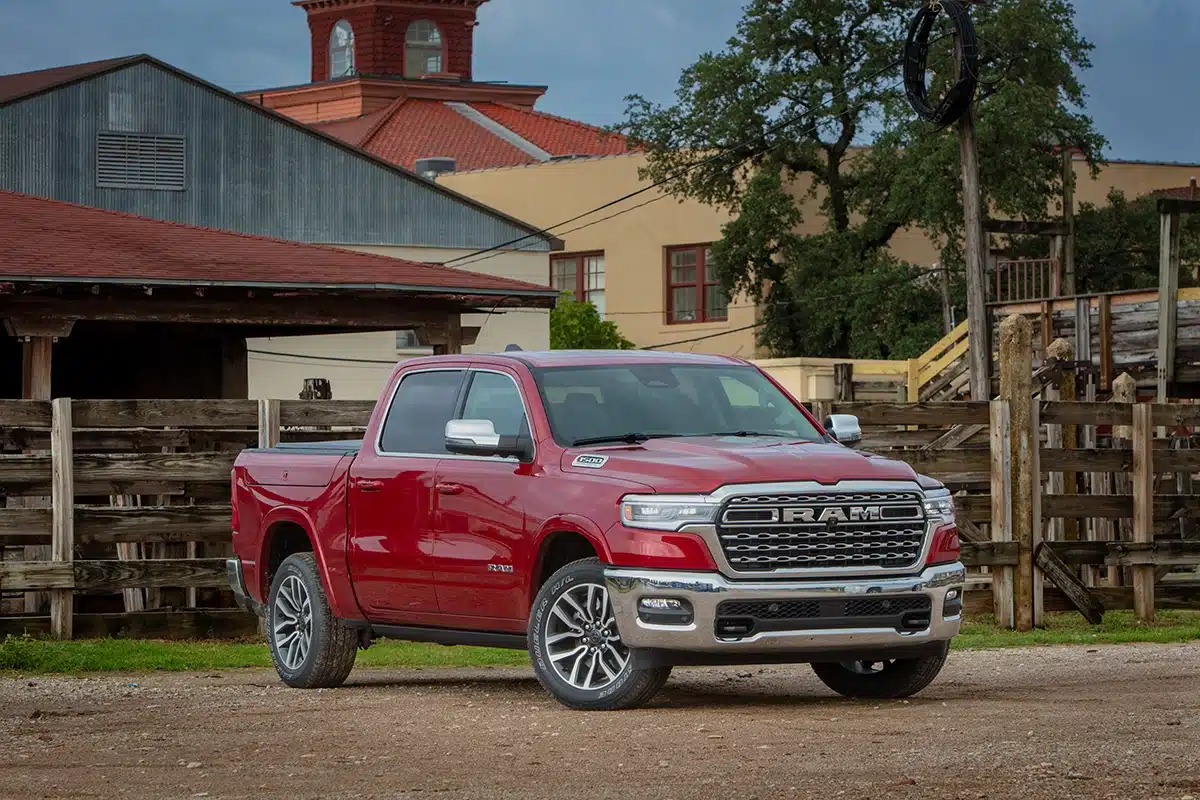
The Ram 1500 finishing second will be the most controversial part of this ranking.
We ranked the Ram 1500 No. 1 just a few months ago. Since then, a rash of electronic problems in 2025 and newer models equipped with the new Atlantis electrical architecture has pushed it down our list.
Consumer Reports places the latest Ram near the bottom, identifying build quality and in-car electronics as major weaknesses. J.D. Power gives the 2025 Ram a 77 out of 100 Quality and Reliability rating, the lowest of these five trucks.
Our investigation produces a different conclusion.
The 2021-2026 Ram 1500 known-problems list includes an ABS software recall covering more than a million trucks, blank instrument clusters, battery drain, infotainment failures, rear-window leaks, eTorque component problems and expensive air-suspension trouble.
Those issues matter, especially when a software failure disables stability control or removes critical information from the instrument display. However, many Ram complaints involve electronics and daily usability rather than catastrophic mechanical failure.
The ZF eight-speed automatic remains one of the strongest transmissions in the segment. Hemi-equipped trucks can suffer exhaust-manifold leaks, valvetrain concerns and eTorque problems, but the engine has a long and well-documented service history. Early Hurricane inline-six reports include check-engine lights, misfires, thermostat trouble and calibration complaints, but PUTT has not seen evidence of widespread failures comparable to GM’s 6.2-liter recall or Toyota’s engine replacements.
Ram also now offers a 10-year, 100,000-mile limited powertrain warranty on 2026 trucks.
Why it ranks second: Ram owners may encounter more irritating electronics and build-quality problems, but the current evidence does not show the same concentration of catastrophic powertrain failures found lower on our list. Consumer Reports and J.D. Power strongly disagree with our placement because our methodology gives repair severity more weight than total reported defects.
3 and 4. Chevrolet Silverado 1500 and GMC Sierra 1500
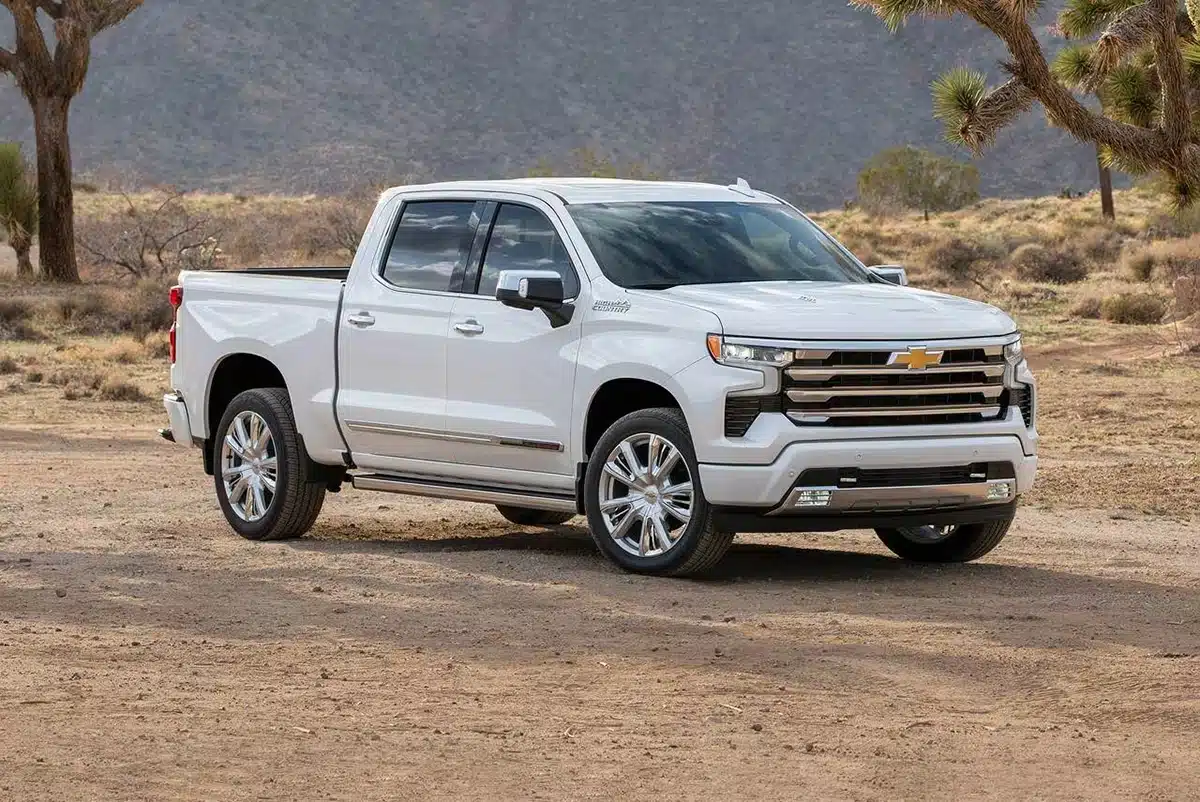
We are ranking the Chevrolet Silverado 1500 and GMC Sierra 1500 together because their shared engines, transmissions and underlying engineering create essentially the same major reliability risks.
The biggest concern is GM’s 6.2-liter V8. Our Silverado investigation and Sierra investigation followed the recall affecting nearly 600,000 GM vehicles equipped with the engine. NHTSA documents identify connecting rods, crankshafts, oil-passage debris and out-of-specification components as potential causes of complete engine failure. Federal investigators have also examined the recall population and replacement engines.
The alternatives are not spotless. Some 5.3-liter V8s have suffered lifter failures. PUTT has reported thrust-bearing and coolant-control-valve concerns involving the 3.0-liter Duramax diesel. Owners have also reported trouble with GM’s eight- and 10-speed transmissions. Additional recalls have involved tailgates opening unexpectedly, airbags and brake-warning software.
Consumer Reports’ latest histories show both GM trucks improving substantially for 2025, including better powertrain and build-quality results. J.D. Power gives the Silverado an 86 out of 100 Quality and Reliability rating, tied with the F-150, while the Sierra receives an 82.
That is the sharpest conflict in this ranking. The surveys say the latest GM trucks are among the strongest. PUTT’s reporting and the NHTSA record show that choosing the wrong engine can still result in one of the most expensive failures in the segment.
Why they tie for third: GM offers several powertrains, so buyers can reduce risk by avoiding the most problematic combinations. The scale and severity of the 6.2-liter recall prevent either truck from ranking higher.
5. Toyota Tundra
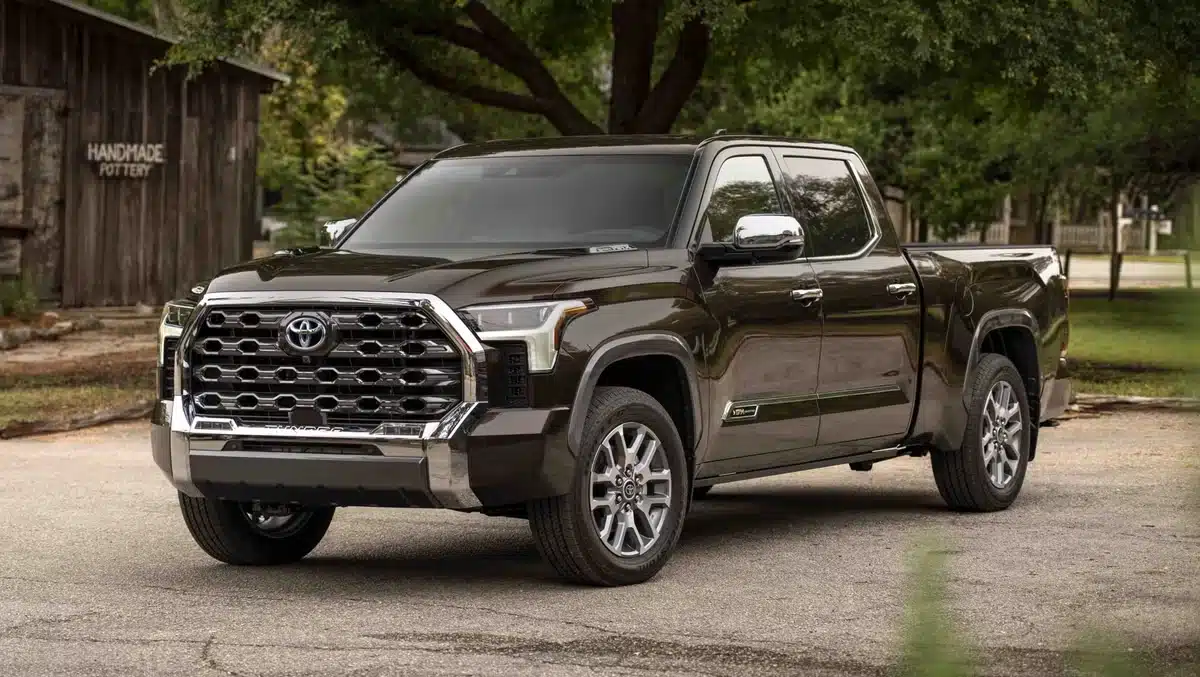
The Toyota Tundra finishes last, not because it produces the most complaints, but because its defining problem is the most severe.
The current-generation Tundra reliability story centers on failures of the twin-turbocharged V6. Toyota initially linked failures in certain 2022-2024 non-hybrid trucks to machining debris left inside the engine. The recall remedy involved complete engine replacement.
The story did not end with the first recall. The affected population expanded, owners reported additional failures and later documents identified concerns involving the No. 1 main bearing. PUTT has also tracked transmission software, backup-camera failures, throttle hesitation, uneven tire wear, brake noise and interior-quality complaints.
There are strong signs of improvement. Consumer Reports’ latest history shows the 2025 Tundra making major gains in powertrain, brakes, suspension, steering, electronics and build quality. J.D. Power rates the 2025 Tundra at 83 out of 100 for Quality and Reliability, ahead of the Sierra and Ram.
Those results may indicate that Toyota has corrected many of the redesign problems. They do not provide enough high-mileage evidence to overcome the engine-replacement history yet.
Why it ranks fifth: Toyota’s recent survey results are encouraging, but an engine that can require complete replacement carries more weight in our ranking than software bugs, rattles or an early-ownership survey score. The Tundra has the best chance to move substantially higher as 2025 and newer trucks accumulate miles.
Which full-size truck should you buy for reliability?
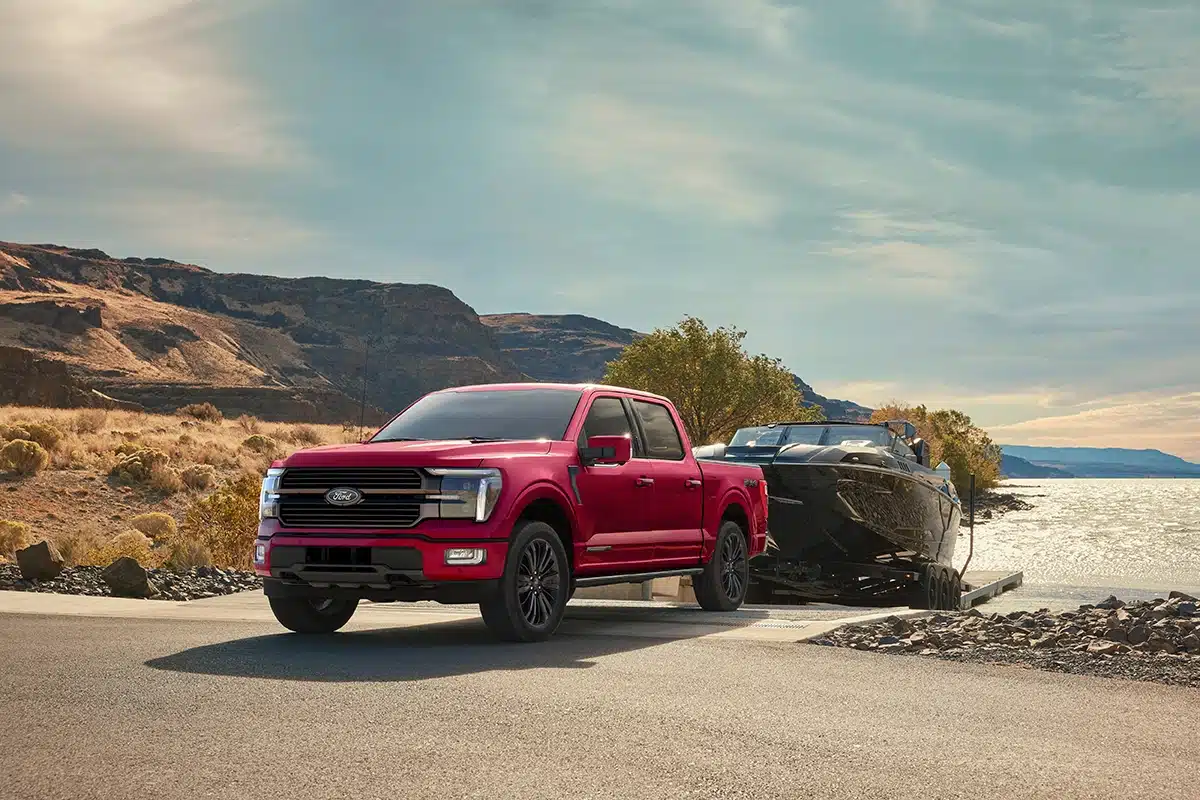
The Ford F-150 is our most reliable full-size truck because its current-generation problems, while numerous, do not include a single widespread engine-failure crisis comparable to those affecting Toyota and GM.
The Ram 1500 takes second because its biggest weaknesses are electronics, software and build quality rather than widespread catastrophic powertrain failure. Chevrolet and GMC tie for third because their reliability depends heavily on engine choice. The Toyota Tundra finishes last until newer trucks establish that the engine problem is truly behind it.
This ranking does not mean every F-150 will outlast every Tundra. It means the evidence from our reporting, NHTSA records and owner experiences currently gives an informed buyer the best chance of avoiding an extremely expensive failure.
Before buying any truck, check its VIN for recalls, research the exact engine and transmission, review its maintenance records and arrange a pre-purchase inspection. The badge alone is not a reliability guarantee.
Sources