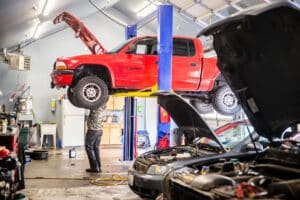
Photo by Michael Chambers on Unsplash
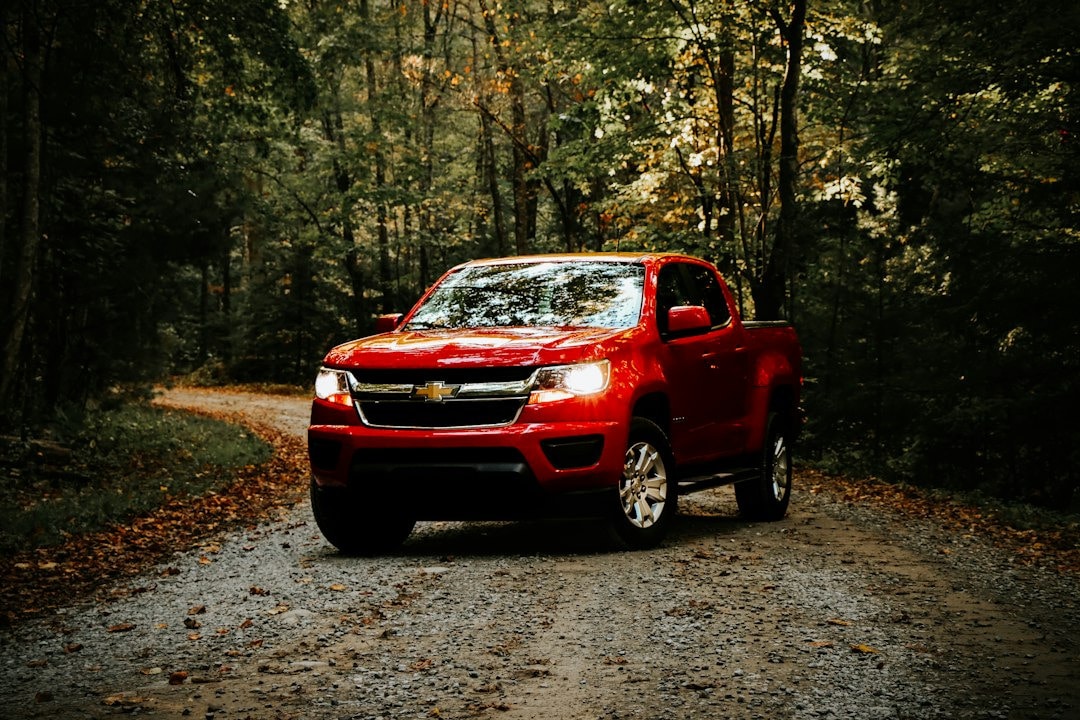
A truck that only sees a driveway stays clean by accident. A truck that hauls, tows and turns onto gravel does not. Every mile adds stone strikes, road film, bug acid and the occasional branch down the side of the bed. Paint is the cheapest part of a pickup to protect and one of the most expensive to fix badly.
Protecting it has grown into a real industry, and the vocabulary has gotten slippery. Film, coating, sealant and correction get used as if they meant the same thing. A specialist shop such as Gloss haus in Sydney builds its entire service list around those distinctions, and Australian truck owners hit the same confusion American ones do. What follows sorts out what each product does, so you can price a job without guessing.
Where Does Damage Really Start On a Working Truck?
Damage is not random. It concentrates in a handful of spots, and they are the same spots on almost every pickup.
- Rocker panels and lower doors, which catch whatever the front tires throw back.
- The leading edge of the hood, plus the bumper and headlight lenses.
- Mirror caps and the A-pillar, sitting in that same spray path.
- Bed rails and the top of the tailgate, where gear gets dragged across.
- The quarter panel behind each rear tire, sandblasted at highway speed.
Winter piles on a second problem. Across the snow belt, agencies spread salt and brine to keep lanes open, and deicer chemistry carries known tradeoffs for what it touches. That slurry lands on your rockers and sits there until somebody washes it off.
What Does Paint Protection Film Do That a Coating Cannot?
Paint protection film is a clear urethane layer laid over the paint. It has real thickness, so it absorbs impact. A stone that would have chipped the hood deforms the film instead.
That is the one job a coating cannot do. Film is the only product here that puts physical material between gravel and your clear coat. It is also why film is sold panel by panel, since wrapping a full-size truck in it gets expensive fast.
Film has limits worth knowing up front:
- It is cut to shape, so edges exist and edges collect grime.
- It can be removed later, though that takes heat and patience.
- It does nothing at all for the panels it does not cover.
What Does a Ceramic Coating Actually Change?
A ceramic coating is a thin chemical layer that bonds to the clear coat. It is measured in microns, not millimeters. It will not stop a rock, and any shop claiming otherwise is selling you a story.
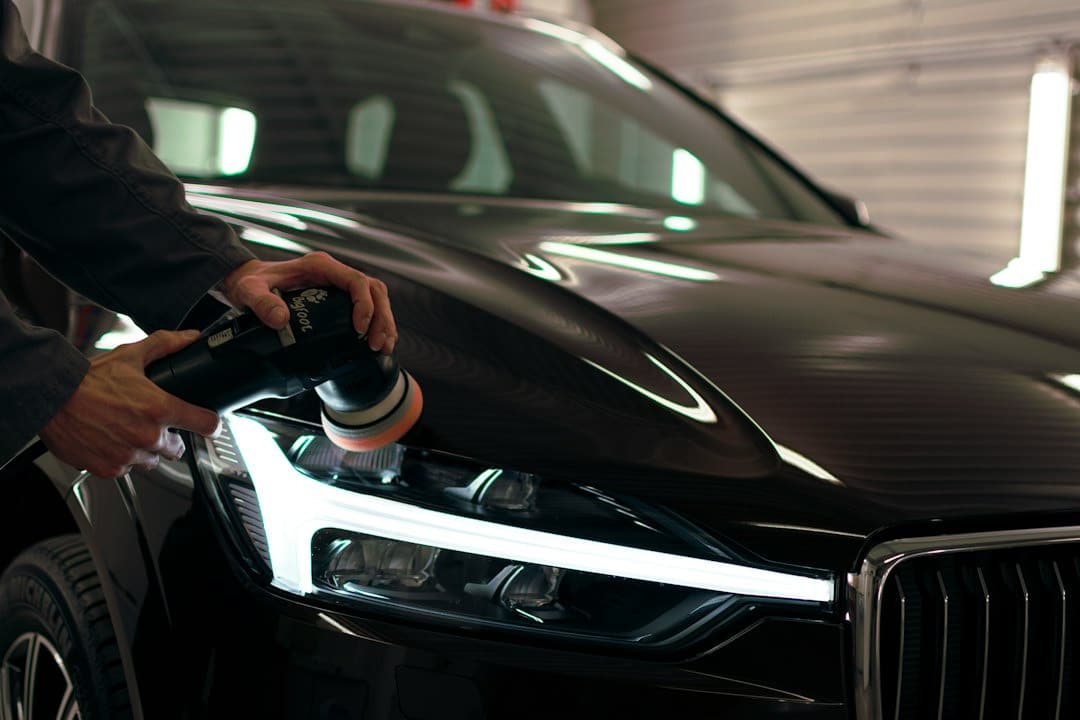
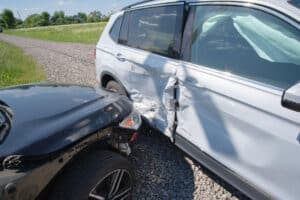
Photo by Vitali Adutskevich on Unsplash
What it changes is how the surface behaves. Water beads and sheets off rather than sitting in place. Dirt, bug residue and brake dust find less to grip. A coated truck comes clean with less scrubbing, which matters more than it first sounds.
That last point is the real argument for coating a work truck. Swirl marks come from washing, not from driving. A disciplined cleaning routine gets easier to keep once the surface stops fighting you.
Why Is Prep Most of the Labor Cost?
Neither film nor coating hides a flaw. Both lock in whatever sits underneath. A coating applied over swirl marks gives you glossy swirl marks for years.
So the shop has to make the paint right first. That stage is called paint correction, and it usually runs in this order:
- Wash, then decontaminate with clay and an iron remover.
- Measure paint thickness, because clear coat is a finite resource.
- Machine polish in stages, cutting first and refining afterward.
- Panel wipe to strip polishing oils and reveal the true finish.
- Inspect under several light sources before anything goes on.
That is hours of skilled hand work on a crew cab. It explains how two quotes that both say ceramic coating can land nowhere near each other. One includes correction and the other is a wipe-on over tired paint. Steady exterior upkeep between visits is what protects the money you spent.
How Do You Read a Detailing Quote?
Ask what is included in writing, panel by panel. Vague quotes are where disappointment lives.
Questions worth asking before you book:
- Which panels get film, and is it cut by machine or trimmed on the truck?
- How many correction stages, and how much marring should come out?
- How many coating layers, and how long before the truck can get wet?
- Is the vehicle stored indoors while the coating cures?
- What does the follow-up maintenance wash cost later?
How Do You Read a Warranty Without Being an Expert?
Coating and film warranties get written by marketers and read by almost nobody. Start with the exclusions, because that is the honest section.
Warranty terms have to be stated in simple, readily understood language, a federal baseline that comes from the disclosure requirements under the Magnuson-Moss Act. Hold the paperwork to that standard. If one careful read leaves you unsure what is covered, you already have your answer.
Three things to pin down:
- Is the warranty from the product maker, the installing shop, or both?
- Does it cover the labor to redo the work, or only replacement material?
- What maintenance does it require, and who has to document it?
FAQ: Truck Paint Protection
Does Paint Protection Film Turn Yellow?
Older films did. Modern urethane films are made to resist it, though sun exposure and neglect still shorten any film’s useful life. Ask the installer what the specific film is rated for.
Can You Put a Ceramic Coating Over Film?
Yes, and plenty of shops do. The coating makes the film easier to clean and helps at the seams. It does not add impact resistance to the panels underneath.
Is a Coating Worth It On an Older Truck?
It depends on what shape the paint is in. Correction on faded or thin clear coat has limits, and no coating restores what is gone. A good shop will measure first and tell you plainly.
Do Coated Trucks Still Need Washing?
They do. Coating reduces the effort, not the frequency. Salt, mud and bugs still need to come off, and leaving them on defeats the point of paying for the work.
What to Settle Before You Book a Shop
A working truck earns its scars, but most of them are avoidable. Film belongs where rocks actually hit, which is the front half and the rockers. Coating belongs everywhere else, because its job is making the truck easier to keep clean. Prep is what you are really buying, and the warranty is only as good as its exclusions. Get those four points straight and you can walk into any detail shop asking better questions than most customers do.