
A judge recently gave a partial greenlight to a class action suit for owners of 2011-Present Model Year Fords built with 6.7L Power Stroke diesel engines. The plaintiffs claim that Ford used allegedly defective high pressure diesel fuel pumps that can lead to engine failure.
Droesser v Ford

Ford Motor Company is named as the defendant in a suit filed in the United States District Court for the Eastern District of Michigan, Southern Division. The plaintiffs had sought to elevate their case to class action status, which the judge granted on a partial basis on Wednesday. The suit alleges that Ford knowingly built the 6.7L Power Stroke diesel engine with a high pressure fuel pump that was unsuitable for use with diesel fuel sold in the United States. Per the court order, a class action suit will proceed in five US states – California, Louisiana, Ohio, Pennsylvania, and South Carolina.
Power Stroke Woes
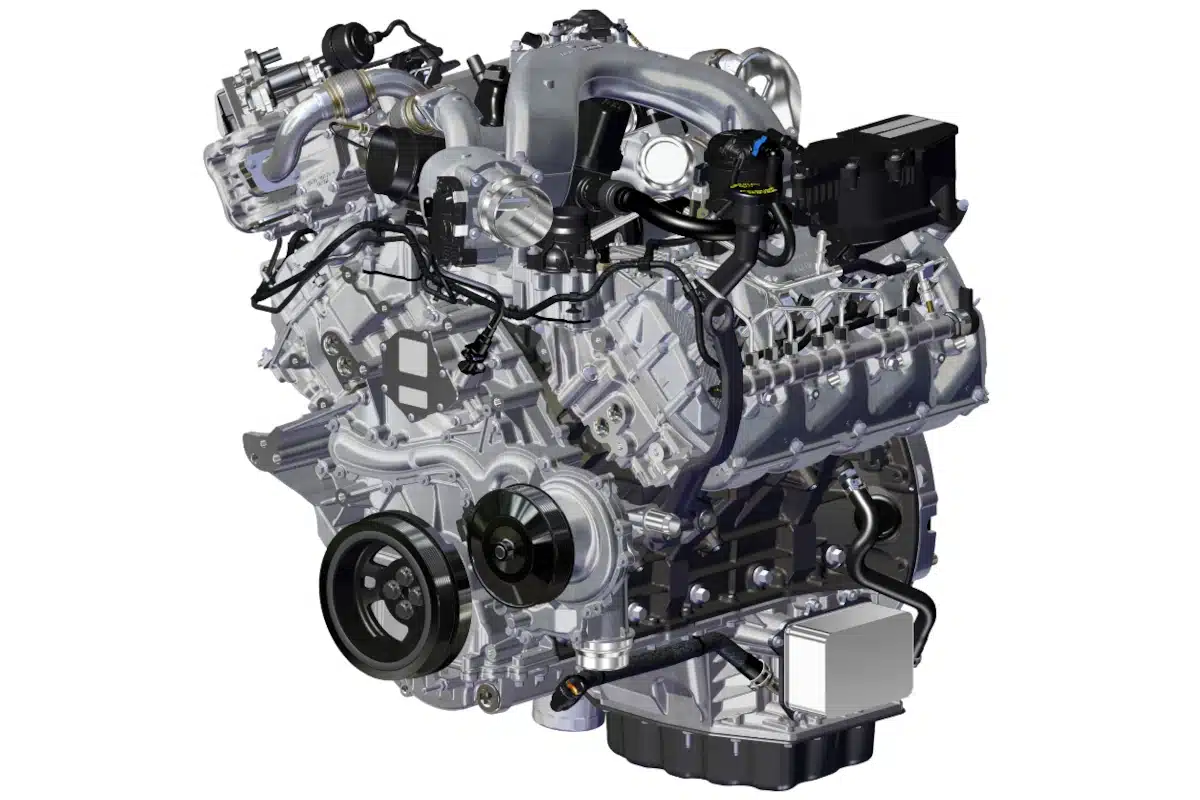
At the heart of the lawsuit is the popular 6.7L Power Stroke diesel, which Ford has used in numerous trucks over the course of the past fifteen years including the F-250 and F-350 Super Duty models. The lawsuit alleges that the high pressure fuel pump used in the Power Stroke can introduce metal shavings into the engine, eventually leading to catastrophic engine failure. Ford has argued that some customers claiming damage allegedly failed to replace dirty fuel filters, and others used “allegedly abusive amounts” of DEF, gasoline, and gasoline additives.
Diesel Lubricity and the Bosch CP4 – Built for America?
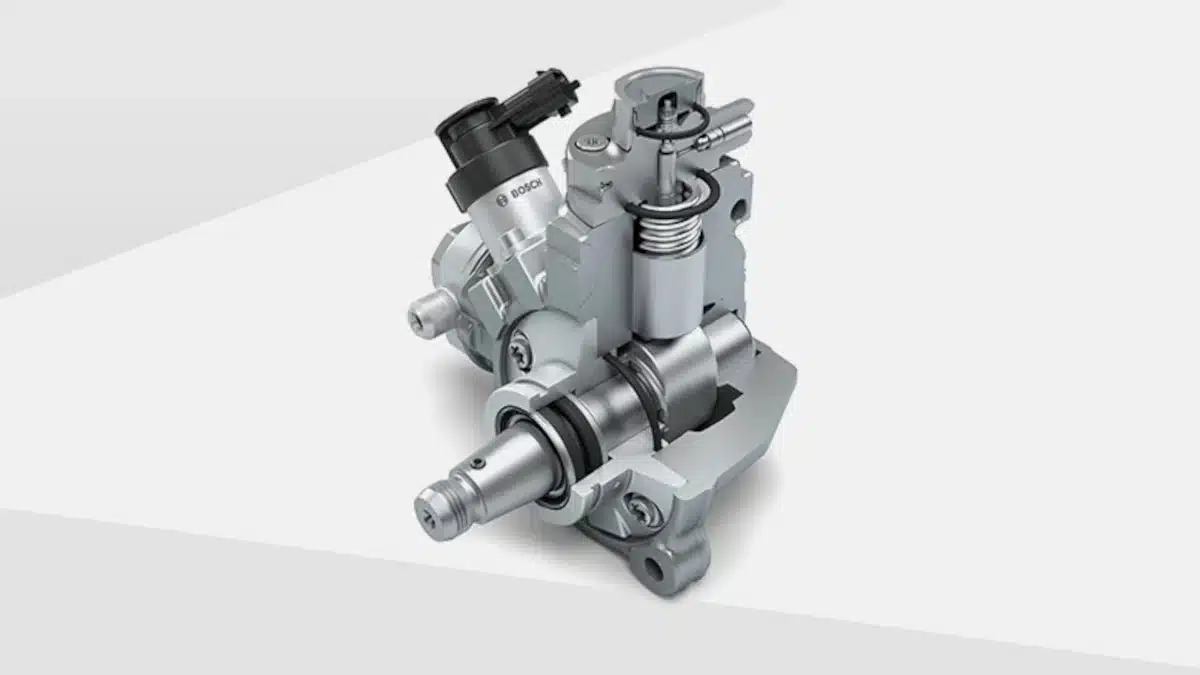
The 6.7L Power Stroke diesel engines cited in the case use a Bosch CP4 high pressure fuel pump. At question is whether this pump is appropriate for use with the ultra-low sulfur diesel commonly sold in the United States. The CP4 is designed to be lubricated by the fuel it pumps and diesel fuel sold in Europe has a higher lubricity than the fuel sold in the US, a fact pointed out in the court order issued on September 30th by the district judge. While there is a secondary fuel filter in the Power Stroke designed to capture debris flowing from this pump to the injection rails, this would not prevent the pump itself from being damaged due to lack of sufficient lubrication. However, Ford maintains that replacement of the filter at recommended intervals would prevent the catastrophic engine failure alleged by the plaintiffs.
Recalls

There have been two NHTSA recalls in the past two years specifically directed at the CP4 fuel pump – 24V957 and 26V158, in addition to Ford’s own safety recalls – 24S78 and 26S17. However, 24V957 and 24S78 address issues with biodiesel deposit buildup in the CP4 that can lead to failure, not the issue of low sulfur diesel and its lack of lubricity. The fix in that case was a software update that increased pump cooling. Recalls 26V158 and 26S17 follow up on the biodiesel deposit issues originally addressed in 24V957 and 24S78. While these recalls both address fuel pump failures, none address the issues raised by the lawsuit and there do not appear to be any other safety recalls that deal with the failures described in Droesser v Ford.
What’s Next?

Wednesday’s order merely certifies the class action status of the case in five states; it offers no judgement on Ford’s culpability for the alleged issues. The order also appointed law firms Hagens Berman Sobol Shapiro LLP, Hillard Law, and the Miller Law Firm P.C. to act as class counsel in the case. With the order in place the next step is for the case to go to trial. A date has not been set but we will continue to monitor this case and provide updates.