GM 6.2L resale value is the next question I want answered in this engine-failure mess. A repair can put a truck back on the road, but what happens when its owner wants to trade it in? If buyers start questioning whether they can trust that V8, the bill could extend beyond the engine bay.
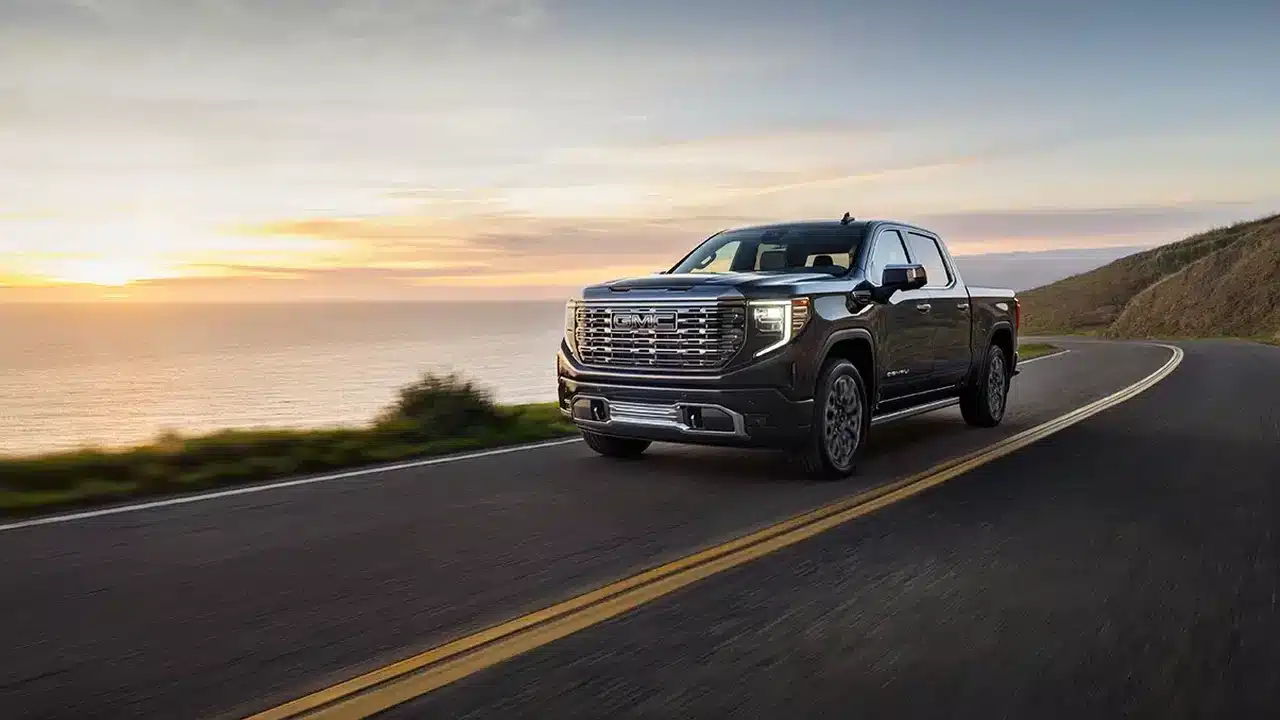
After looking at the Toyota Tundra’s resale value after its engine recalls, I pulled three GMC Sierra Denali Ultimate estimates from Kelley Blue Book. The numbers show substantial depreciation against published sticker-price references. They do not tell us how much, if any, of that loss belongs to the recall. Here is what we can establish before blaming the whole drop on GM’s engine problems.
The GM 6.2L recall is narrower than the investigation
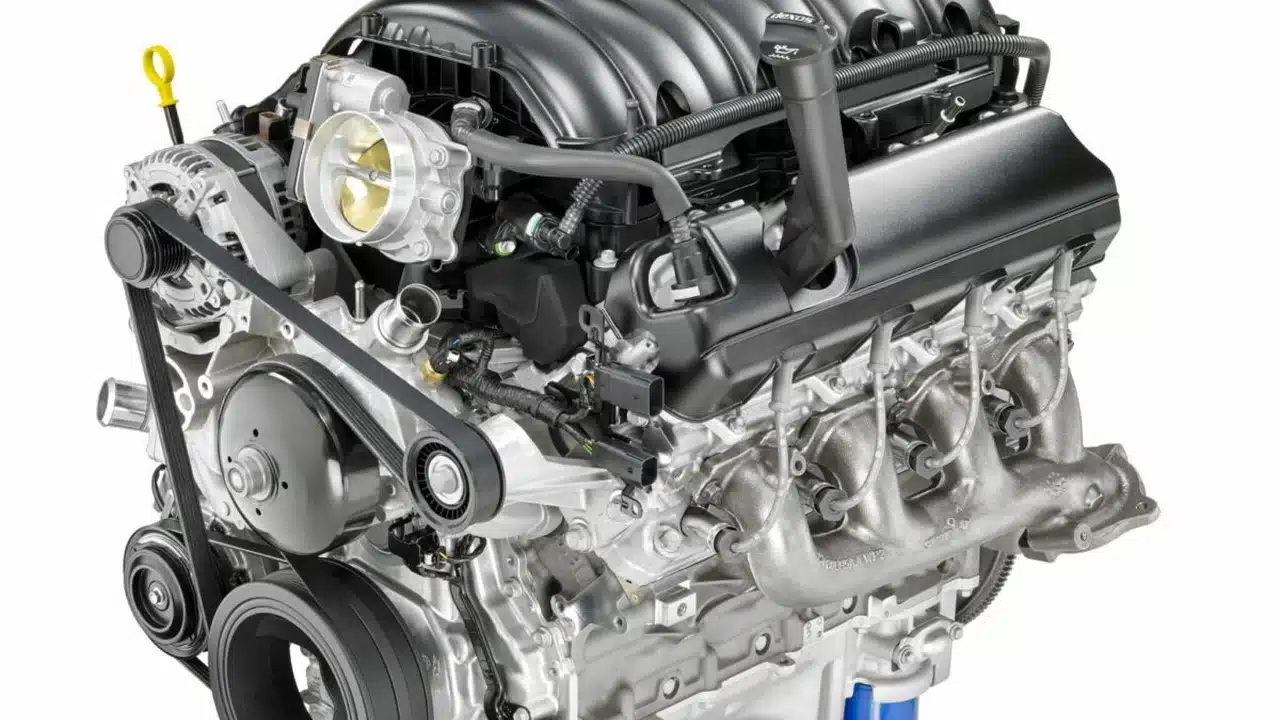
Recall 25V274 covers 597,571 U.S. vehicles, including certain 2021–2024 Silverado 1500 and Sierra 1500 pickups and several GM full-size SUVs. The suspect L87 engine-production window runs from March 1, 2021, through May 31, 2024. A model-year badge alone cannot establish whether a particular truck is included.
That is different from Engineering Analysis EA26005, opened August 20, 2026. NHTSA lists a population of 997,743 vehicles from the 2021–2026 model years and is examining alleged failures after recall repairs and in engines built after that production window. That population is under investigation; it is not a new recall of nearly a million vehicles.
The agency also opened EA25007 in October 2025 to investigate bearing failures outside the recall, including earlier model years. That matters when comparing prices: I cannot label a truck “problem-free” simply because it sits outside the original recall. Buyers need the VIN, engine information and repair history.
The failures are documented, but important questions remain
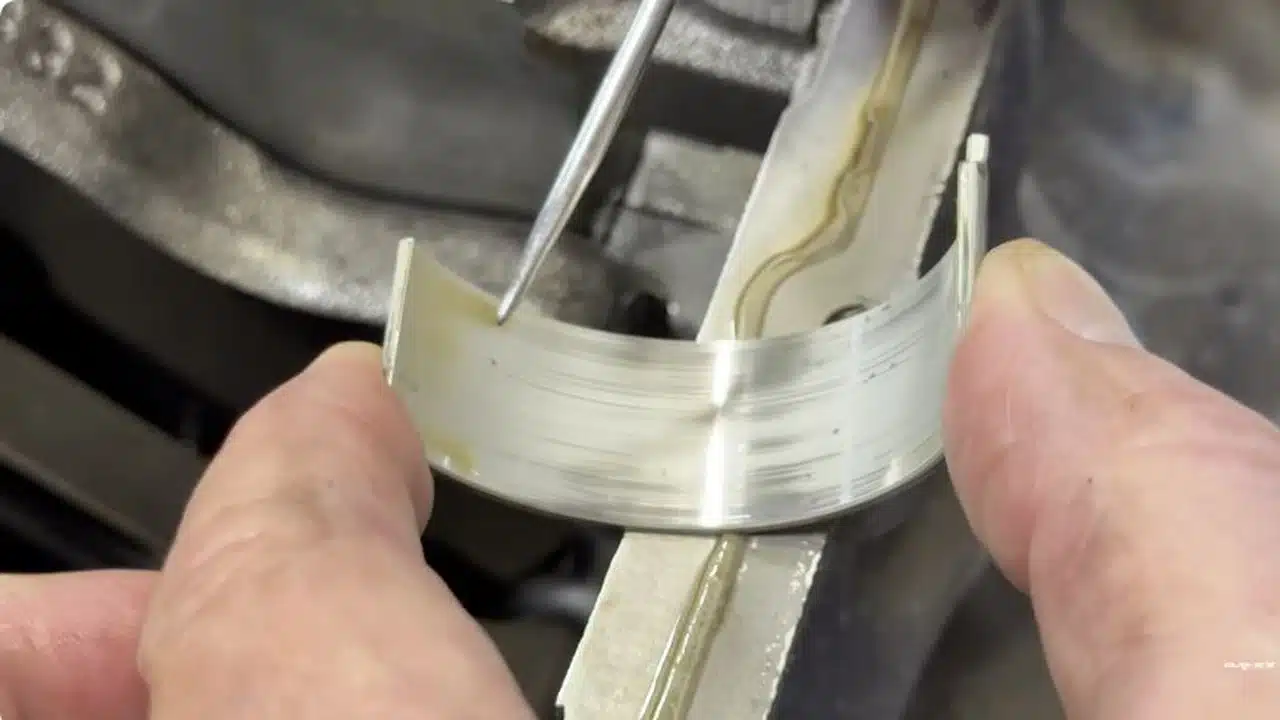
GM’s recall filing identifies manufacturing debris affecting connecting rods and crankshaft oil passages, plus crankshafts with dimensions or surface finishes outside specification. Those conditions can damage bearings and cause an engine to fail, potentially cutting propulsion while driving. The remedy calls for inspection, repair or replacement as needed; engines passing inspection receive higher-viscosity oil and related service items.
The August 2026 investigation opening cites 499 complaints alleging failure after a recall remedy: 473 after the oil change and 26 after engine replacement. It separately cites 191 reports involving engines built after the recall window. These are complaint counts, not a confirmed failure rate. They also do not establish that every reported failure has the same cause.
For an owner, the unanswered question is whether the repair restores long-term confidence. For this resale story, there is another: does a completed repair change what a buyer will pay? A general price guide does not sort our estimates into trucks with open recalls, inspected engines or documented replacements. We have previously covered the investigation into the recall remedy and confusion over the recall’s oil guidance. Those are ownership issues worth understanding, but they are not a dollar measurement of lost resale value.
Dave’s teardown raises questions, not a proven cure
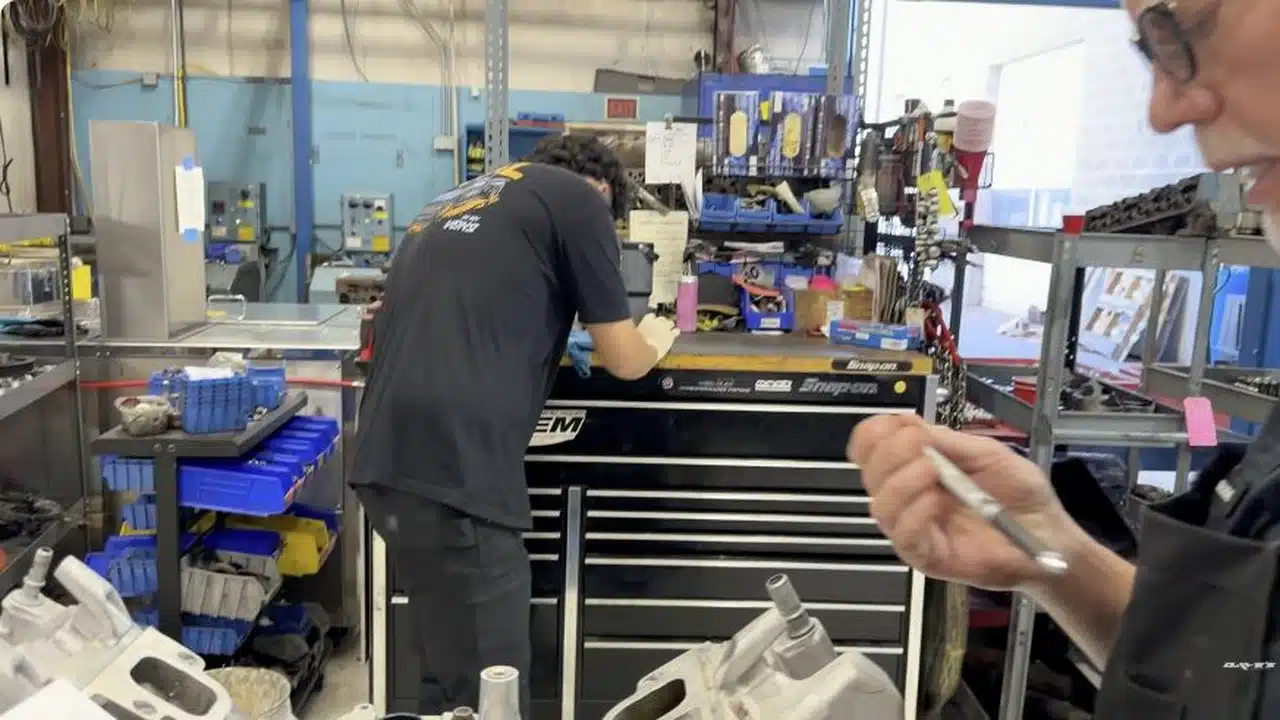
In our coverage of Dave’s Auto Center’s teardown, Dave examines an L87 that he says failed GM’s PicoScope inspection. At 16:31 in the video, he points to polished bearing wear that he attributes to metal contact. He also shows lifter damage. Those observations deserve attention, but a damaged lifter and the recall’s connecting-rod or crankshaft conditions are not automatically the same problem.
Dave’s explanation is that crankshaft surface waviness and reduced oil pressure under light loads could compromise the oil film separating moving parts. He proposes changing the oil-pump control strategy and describes further testing, oil sampling and another teardown. At 23:44, he explicitly acknowledges that his theory needs proof. The video does not present completed durability validation, and he says he does not know this engine’s mileage.
I want to see the follow-up testing. Until then, I would not turn a teardown into a promise that one modification fixes every 6.2L, or assume a seller has solved the problem because a video suggests a different approach. Confidence matters in a used-truck purchase, and documented repairs are more useful than a theory passed along in the comments.
What three KBB estimates say about GM 6.2L resale value
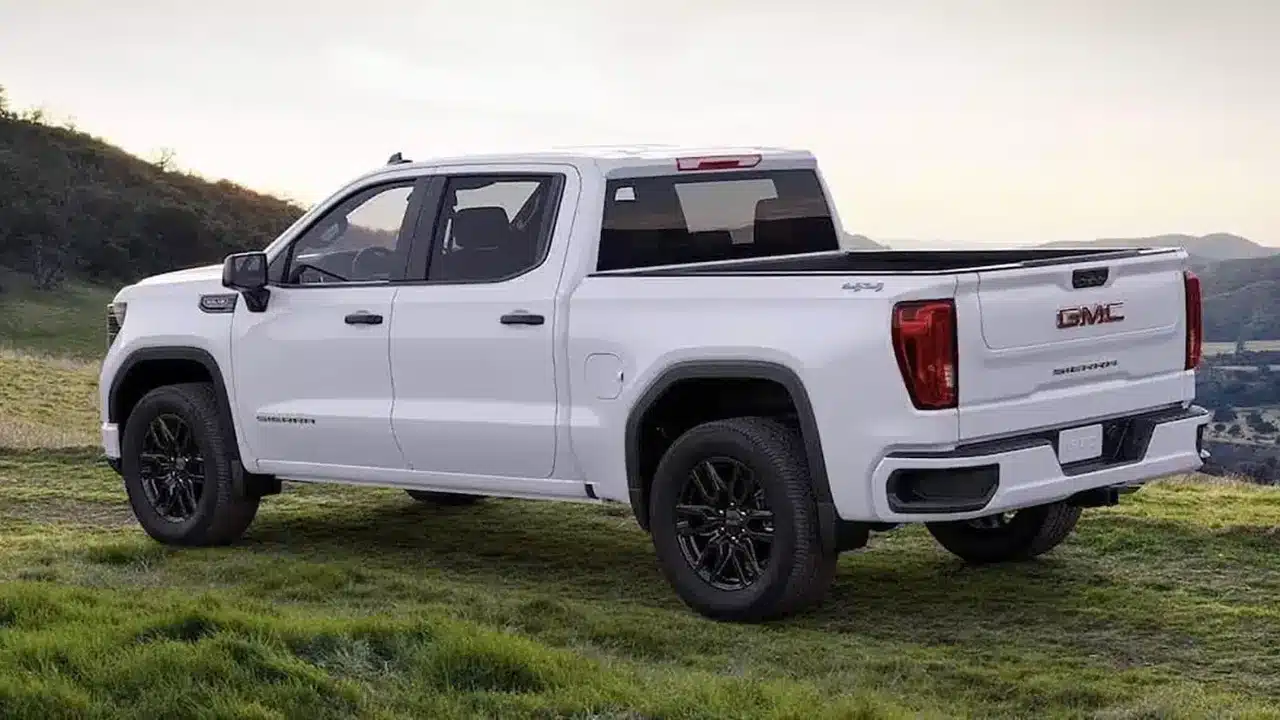
I used the 2023, 2024 and 2025 Sierra 1500 Denali Ultimate Crew Cab with the short bed, 4WD, 6.2L V8 and 10-speed automatic. Every appraisal uses Dallas ZIP code 75201, 60,000 miles, white paint and KBB’s Good condition. These private-party estimates were captured October 12, 2026. They are neither dealer trade-in offers nor completed transactions.
| Model year | KBB MSRP reference | Private-party range | Range midpoint | Value lost | Value retained |
|---|---|---|---|---|---|
| 2023 | $83,995 | $46,810–$52,410 | $49,610 | 40.9% | 59.1% |
| 2024 | $84,495 | $46,350–$53,450 | $49,900 | 40.9% | 59.1% |
| 2025 | $86,395 | $51,510–$54,810 | $53,160 | 38.5% | 61.5% |
The calculation uses the midpoint of each private-party range: value lost equals (MSRP reference minus midpoint) divided by MSRP reference, multiplied by 100. Value retained equals midpoint divided by MSRP reference, multiplied by 100. For the 2023, that is a $49,610 midpoint against $83,995, or 59.1% retained and 40.9% lost. The midpoint is my consistent calculation choice, not another appraisal supplied by KBB.
There is an equipment caveat. I retained KBB’s preselected options and added no packages. The 2023 selection includes Super Cruise and the Kicker tailgate sound system; the 2024 and 2025 defaults do not. The engine, drivetrain, body style, mileage, color and condition match, but all equipment does not. The denominators are KBB’s published trim MSRP references, not verified factory prices for those exact selected options. Treat the percentages as provisional MSRP-based comparisons, not exact losses for three individual owners. Original discounts, markups, taxes and financing are excluded.
A closer equipment check makes that caution more important. A 2024 GMC factory sticker lists Kicker audio as standard, although KBB leaves it unchecked in our 2024 appraisal. It also lists adaptive cruise control and front/rear park assist. Differences in KBB labels or checkboxes therefore cannot automatically be priced as real equipment differences. That sticker confirms an $82,500 base price plus $1,995 destination, but adds $2,200 for Super Cruise and $1,095 for White Frost Tricoat. Our generic “white” selection does not establish the factory paint option.
Original pricing also changed during production. An early 2023 6.2-liter Denali Ultimate sticker shows an $80,500 base price and $1,795 destination, before its options and credits. That is below our published 2023 benchmark. Without a verified build and matching original sticker for each appraisal, the table remains an exploratory comparison. It does not measure a recall penalty, and it cannot show that the recalls had no effect.
The 2023 and 2024 results round to the same percentage loss, while the 2025 retains about 2.4 percentage points more. Their estimated price ranges overlap. That does not reveal a clean before-and-after recall penalty. The trucks differ in age, and 60,000 miles represents much heavier annual use for a 2025 than for a 2023. Depreciation is not a straight line. Nor is the 2025 a proven unaffected control simply because the original recall ends with the 2024 model year.
For separate market context, iSeeCars’ 2026 five-year depreciation study puts the Sierra 1500 at 38.7% value lost, the Silverado 1500 at 39.7% and pickups overall at 34.2%. Its method uses inflation-adjusted MSRP and modeled differences in average asking prices. Those are model-level results covering multiple engines and trims, not 6.2L-specific appraisals, and they should not be merged with our KBB figures.
A separate iSeeCars comparison of June 2026 and June 2025 listing prices found Sierra 1500 prices down 4.7%, versus a 1.3% market decline. That is a year-over-year asking-price change for one- to five-year-old vehicles, not depreciation since new. It is a reason to keep watching the Sierra market, but it does not identify the recall as the cause.
My takeaway is that the engine failures give buyers a legitimate question to ask, while the available price data leaves the resale-impact question open. To put a dollar figure on a recall penalty, we would need comparable transaction data that controls for engine, equipment, age, mileage, incentives and repair status over time. For now, I can show what these 6.2L trucks are estimated to be worth. I cannot honestly tell an owner that the recall alone took 40% of their money.